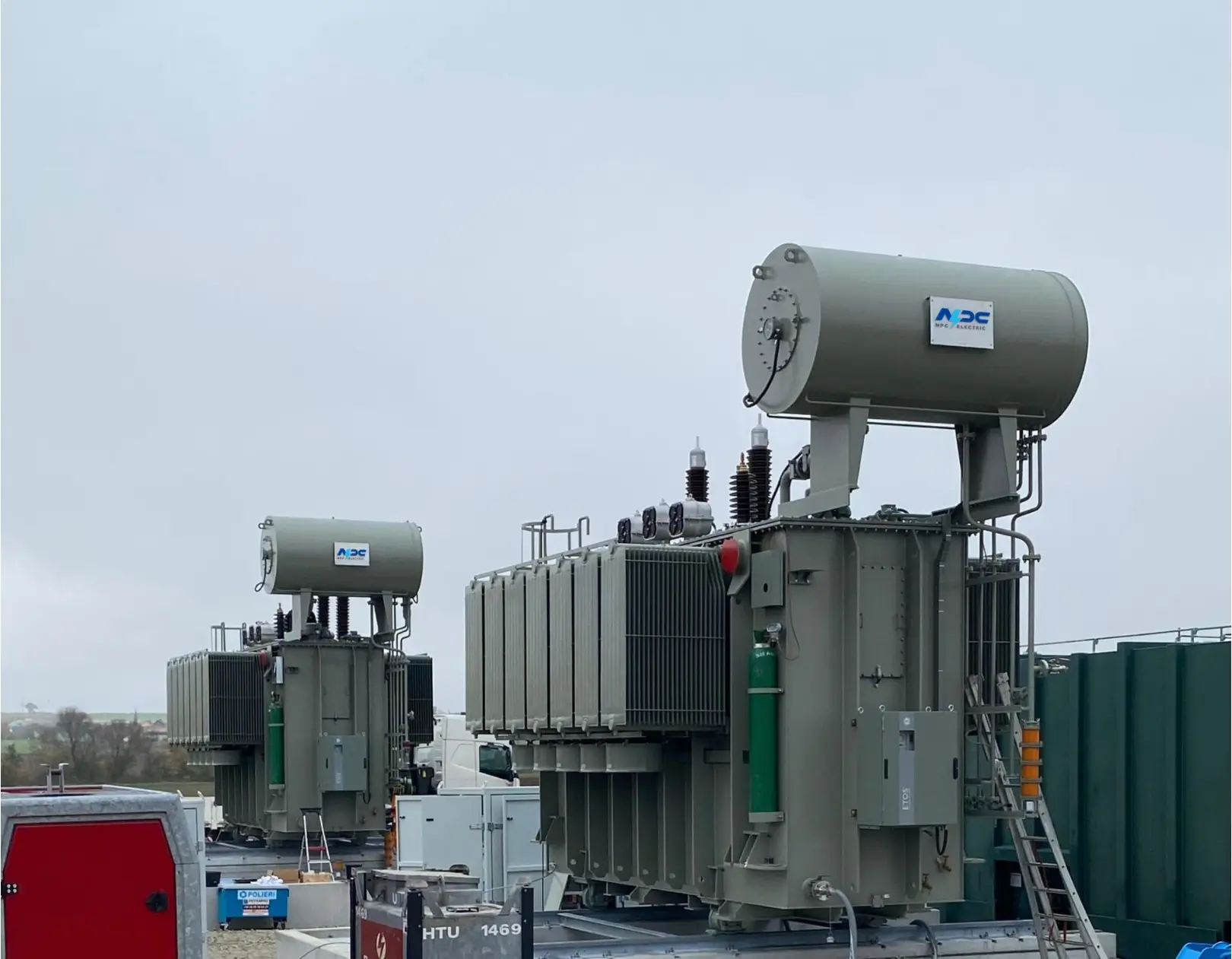
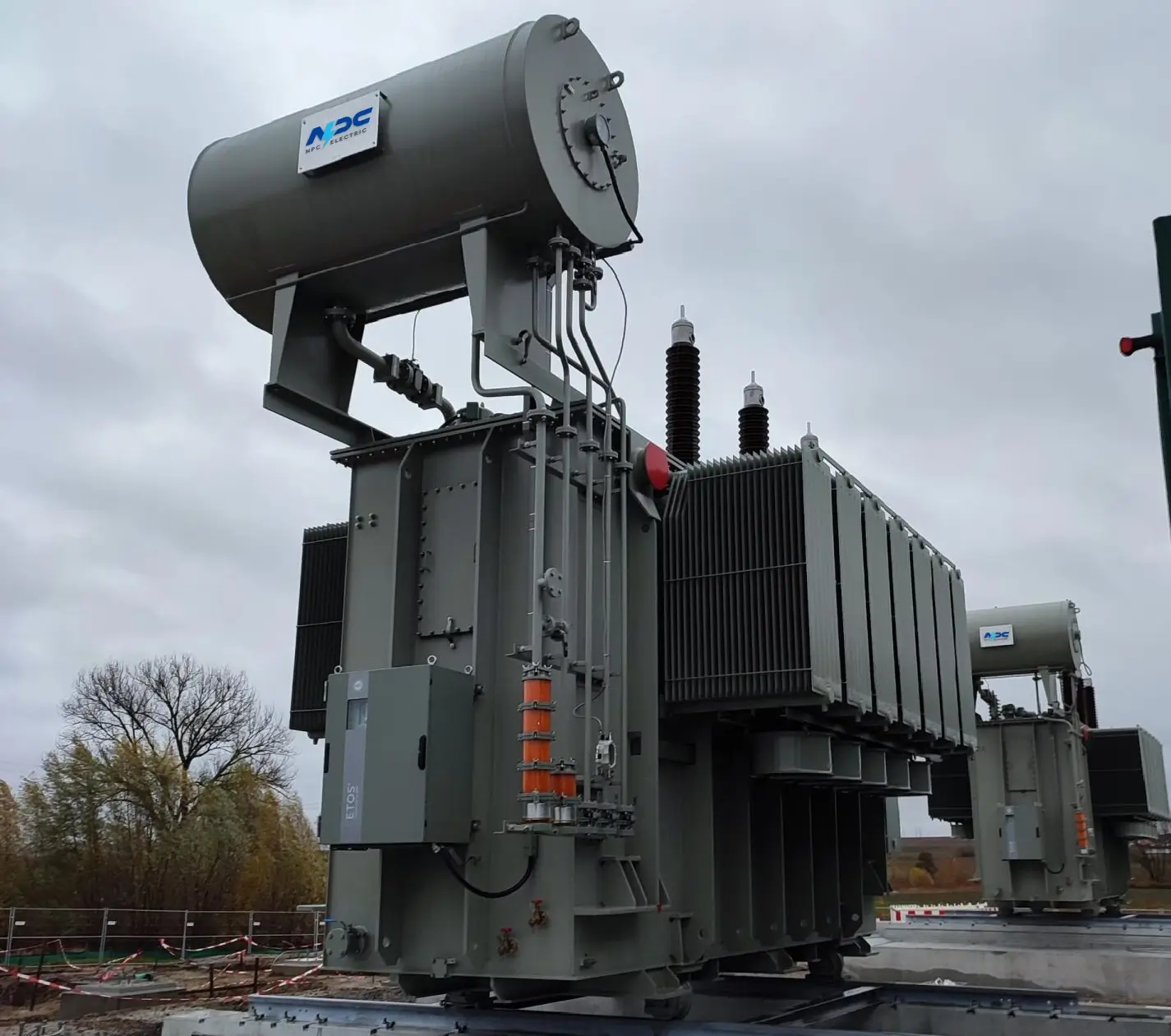
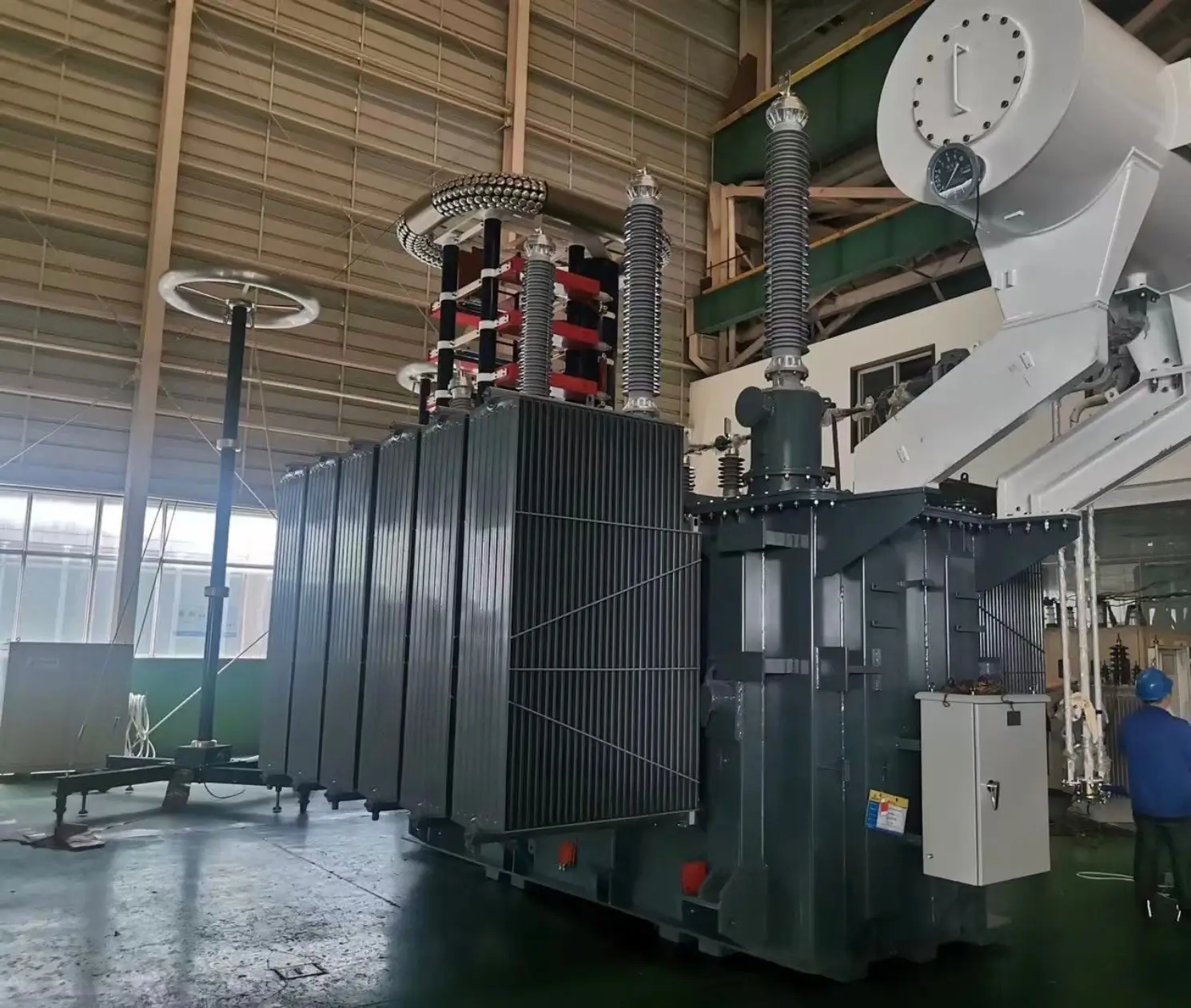
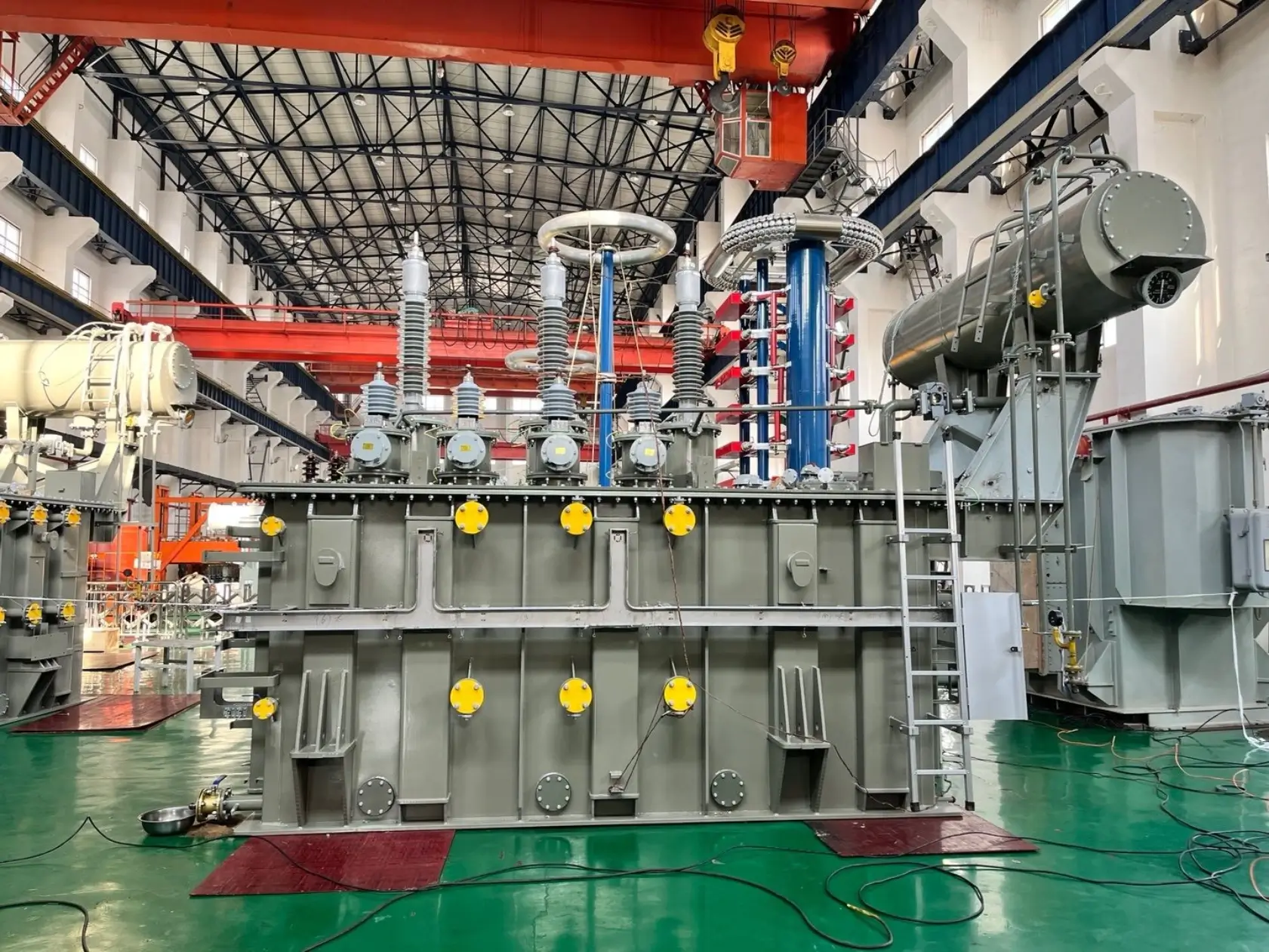


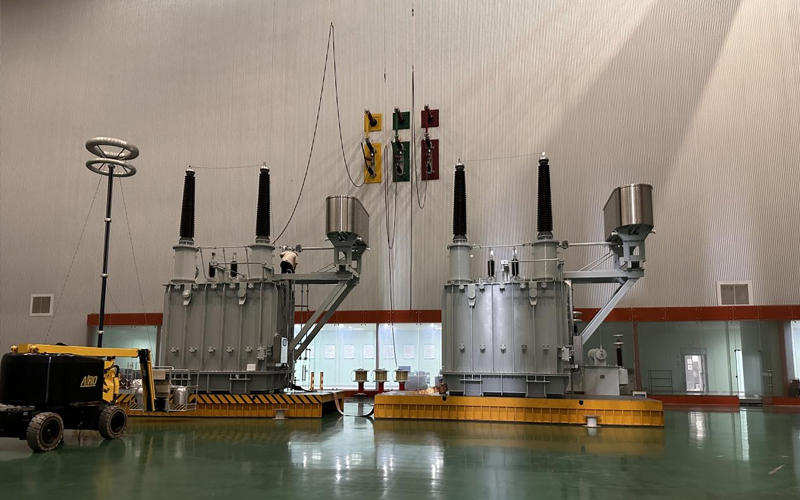
260 kV 20MVA 28 MVA Substation Power Transformer
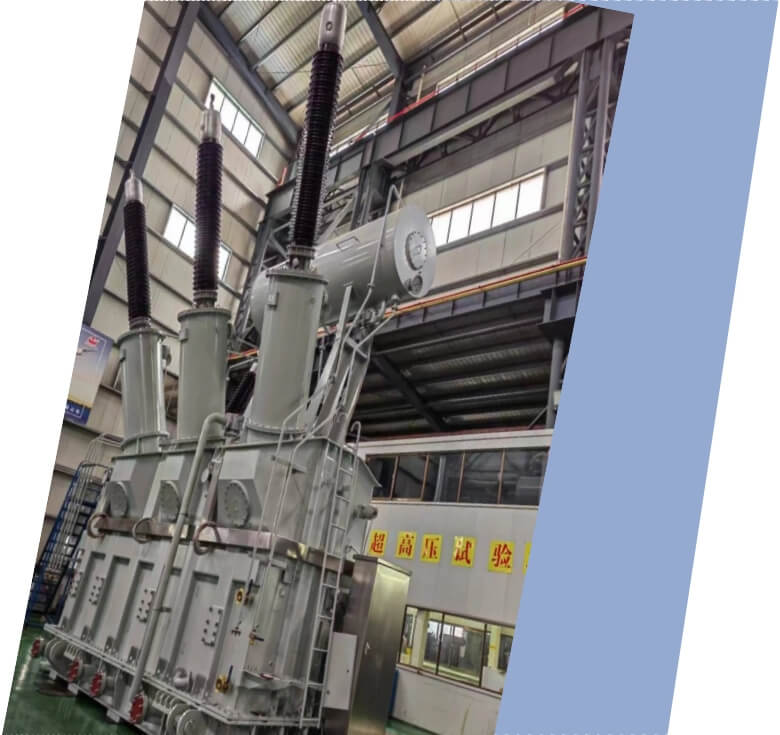
The robust 260 kV 20/28 MVA substation power transformer, engineered for high-voltage applications in modern electrical grids. This oil-immersed unit features dual capacity ratings for flexible operation under varying loads, ensuring efficient power distribution and voltage step-down in utility substations. With advanced insulation systems and low-loss core materials, it minimizes energy dissipation while handling peak demands reliably. Ideal for integrating renewable energy sources or industrial power systems, this transformer complies with IEC 60076 standards, offering superior performance in harsh environments. Its compact design facilitates easy installation, making it a top choice for upgrading aging infrastructure or expanding grid capacity.
- Primary Voltage Ratings 220kV 230kV 260kV
- Secondary Voltage Ratings 69/35/37/34.5/26.4./11/10.5/6.6/13.2 kV or others
- H.V. Tap Range ± 8×1.25% HV taps or others
- Type Oil-immersed power transformer
- BIL 900kV
- Standards IEEE, ANSI, IEC, GB
- Application regional distribution, supporting grid stability in urban power networks
- Power Rating 20MVA 28 MVA
- Certificate UL, ISO, CESI
- Cooling Method ONAN/ ONAF
- Opeartion Step Down & Step Up
Technical Specifications
Customization Optional
Packing and Shipping
Manufacturer Test
Routine Testing
Application
Technical Specifications
260 kV 20MVA 28 MVA Substation Power Transformer
Technical Specifications
Accessories
| Rated Power | 20MVA 28 MVA |
| Rating Primary Voltage | 220kV 230kV 260kV |
| Secondary Voltage |
69/35/37/34.5/26.4/11/10.5/6.6/13.2 kV Customized |
| Frequency | 50/60Hz |
| Vector Group | Dyn11, YD11, YNd11 or anothers |
| Winding Material | Aluminum/Copper |
| Efficiency | As IEEE, CAS Std or Customized |
| Impedance Voltage | As IEC |
| Altitude | ≤1,000m or Customized |
| Enclosure material | Mid Steel |
| HV Bushing |
| LV Bushing |
| OLTC/NLTC |
| Lifting hook for complete transformer |
| Name plate |
| Oil temperature |
| Winding temperature |
| Radiators |
| Oil level |
| Pressure relief valve |
| CT |
Customization Optional
260 kV 20MVA 28 MVA Substation Power Transformer
Tailor your 260 kV 20/28 MVA substation power transformer to meet specific project demands with a range of customizable features. Voltage configurations can be adjusted for primary and secondary windings, including options for dual-voltage setups or specialized tap changers to handle fluctuating grid conditions. Cooling systems offer choices between ONAN (oil natural air natural) and ONAF (oil natural air forced) for enhanced thermal management in high-load scenarios. Impedance levels can be fine-tuned from standard 8-12% to custom values for better fault current control and system stability. Enclosure types include weatherproof IP-rated housings or explosion-proof designs for hazardous areas, while accessories like Buchholz relays, pressure relief devices, and digital monitoring interfaces integrate seamlessly for smart grid compatibility. Material selections, such as silicon steel cores for reduced no-load losses or copper windings for superior conductivity, ensure longevity and efficiency in diverse climates.
Further customization extends to vector groups (e.g., Dyn11 or YNd1) for phase shift requirements in parallel operations, and bushing arrangements compatible with GIS or AIS substations. Noise reduction packages with sound-dampening enclosures meet urban installation standards, while eco-friendly options like biodegradable ester fluids replace traditional mineral oil for environmental compliance. Size and weight optimizations allow for skid-mounted or trailer-compatible designs, facilitating transport to remote sites. Advanced testing protocols can be incorporated pre-delivery, including partial discharge measurements or impulse testing beyond routine checks. These bespoke features not only optimize performance but also reduce operational costs, making this transformer adaptable for solar farms, wind integration, or data center backups.
Packing and Shipping
260 kV 20MVA 28 MVA Substation Power Transformer
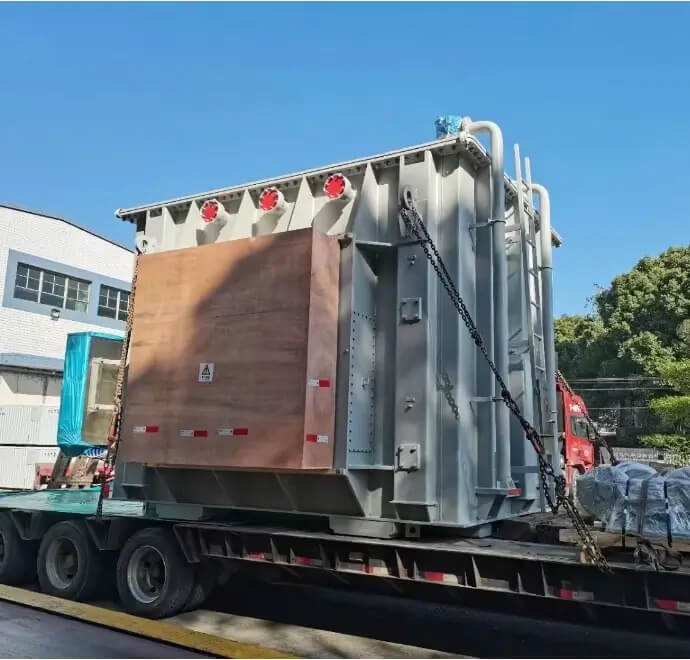
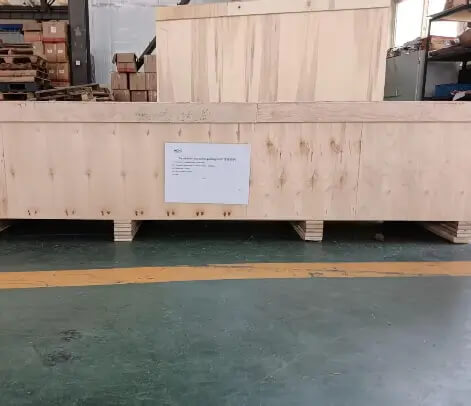
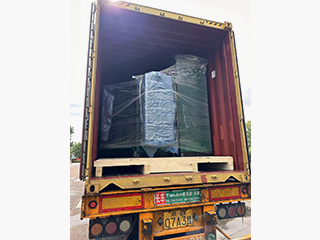
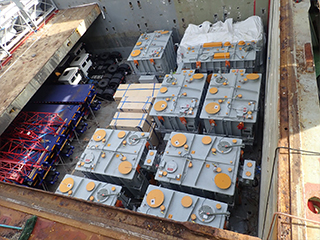
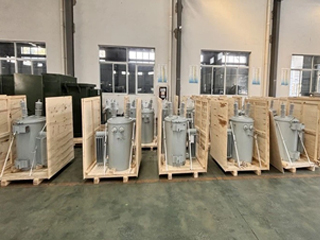
Secure packaging is essential for transporting high-voltage 260 kV 20/28 MVA substation power transformers to prevent damage from vibrations or impacts. Units are first drained of oil if required, then encased in moisture-resistant vapor corrosion inhibitor (VCI) bags to guard against humidity during transit. Wooden crates reinforced with steel frames provide structural support, with internal cushioning using foam pads and shock-absorbing materials to stabilize the core and windings. External markings include "Fragile - High Voltage Equipment" labels, handling instructions, and center-of-gravity indicators for safe lifting by cranes or forklifts. Compliance with international standards like ASTM D4169 ensures packages withstand drop, vibration, and compression tests.
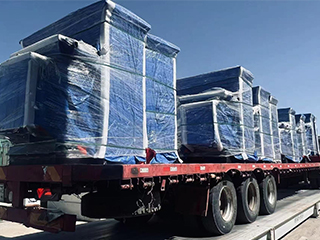
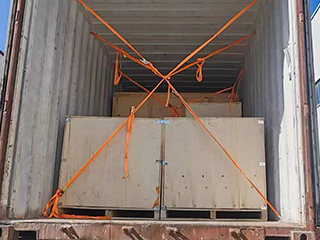
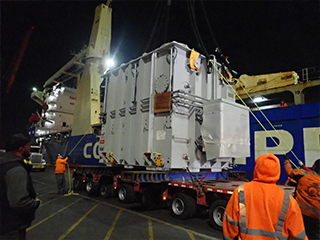
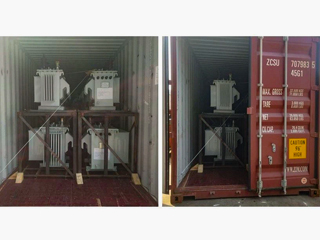
Shipping options vary based on destination and urgency, with overland transport via specialized flatbed trucks equipped with air-ride suspension to minimize road shocks. For international deliveries, containers are customized with reinforced floors and tie-down points, often using 40-foot high-cube units for oversized transformers. GPS tracking and impact recorders monitor the journey in real-time, alerting to any deviations. Insurance covers full value against transit risks, and pre-shipment inspections verify secure fastening.
Coordination with logistics partners ensures seamless customs clearance, especially for heavy-lift cargo requiring permits for oversized loads. Air freight is viable for urgent smaller units, though sea freight via roll-on/roll-off (RoRo) vessels is preferred for cost-efficiency on long hauls. On-site unloading involves heavy machinery like gantry cranes, with nitrogen purging to maintain internal dryness during extended voyages.
Post-shipping protocols include immediate visual checks upon arrival and oil refilling if drained, followed by basic electrical tests to confirm integrity. Sustainable practices incorporate recyclable packing materials, reducing environmental impact while adhering to ISO 14001 guidelines. Delivery timelines typically range from 4-12 weeks, depending on route and customs, with dedicated project managers overseeing the process for timely substation integration.
Shipping options vary based on destination and urgency, with overland transport via specialized flatbed trucks equipped with air-ride suspension to minimize road shocks. For international deliveries, containers are customized with reinforced floors and tie-down points, often using 40-foot high-cube units for oversized transformers. GPS tracking and impact recorders monitor the journey in real-time, alerting to any deviations. Insurance covers full value against transit risks, and pre-shipment inspections verify secure fastening.
Coordination with logistics partners ensures seamless customs clearance, especially for heavy-lift cargo requiring permits for oversized loads. Air freight is viable for urgent smaller units, though sea freight via roll-on/roll-off (RoRo) vessels is preferred for cost-efficiency on long hauls. On-site unloading involves heavy machinery like gantry cranes, with nitrogen purging to maintain internal dryness during extended voyages.
Post-shipping protocols include immediate visual checks upon arrival and oil refilling if drained, followed by basic electrical tests to confirm integrity. Sustainable practices incorporate recyclable packing materials, reducing environmental impact while adhering to ISO 14001 guidelines. Delivery timelines typically range from 4-12 weeks, depending on route and customs, with dedicated project managers overseeing the process for timely substation integration.
32
32 years of industry experience
Manufacturer Test
260 kV 20MVA 28 MVA Substation Power Transformer
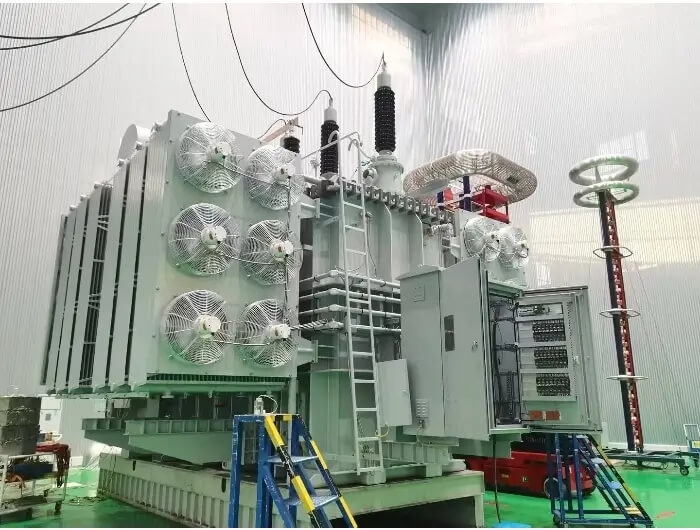
Progress test
In the production phase of the 260 kV 20/28 MVA substation power transformer, progress testing emphasizes material and assembly validation. Silicon steel core cutting is tested for burr-free edges and low core loss via Epstein frame methods. Coil winding advancement includes impedance testing per stage to maintain design specifications. Vacuum drying processes are monitored with moisture content analysis using Karl Fischer titration, preventing insulation degradation. Bushing installation undergoes dielectric strength tests to verify seal integrity. Final active part assembly features alignment checks with laser tools for precise fitting. Adhering to ANSI/IEEE protocols, these tests facilitate iterative improvements, ensuring the transformer meets substation demands for durability and efficiency.
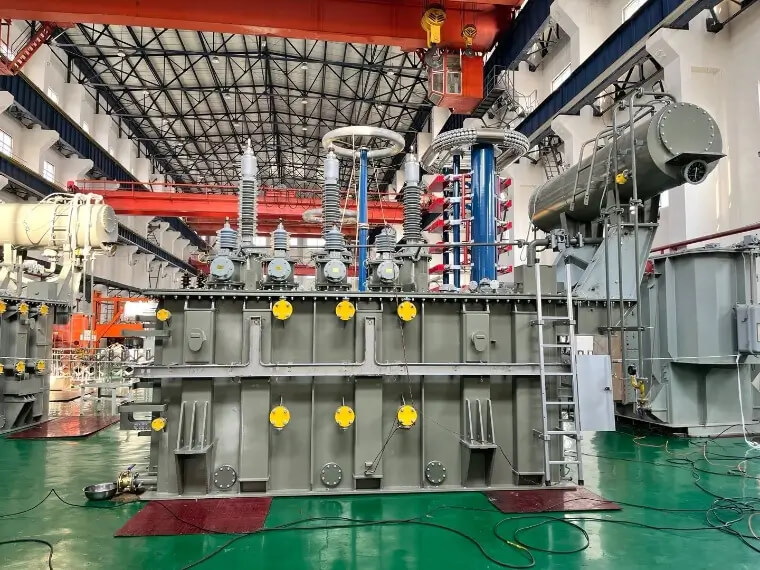
Design Tests
All transformers will be tested after finishing the production test items as below:
♦ Leak testing with pressure for liquid-immersed transformers
♦ Test of transformer oil
♦ Measurement of voltage ratio and check of phase displacement
♦ Measurement of winding DC resistance
♦ Measurement of d. c. Insulation resistance between each winding to earth, and check of the core and frame insulation
♦ Capacitive bushing test
♦ Measurement of dissipation factor (tan δ) of the insulation system capacitances, and determination of capacitances windings-to-earth
♦ Measurement of no-load loss and current at 90%,100%,110% of rated voltage
♦ Operation test on on-load tap-changer
♦ Measurement of short-circuit impedance and load loss
♦ Lightning impulse test
♦ Induced-voltage test with partial discharge measurement
♦ Auxiliary wiring check
♦ Current transformer test
♦ Frequency response analysis test
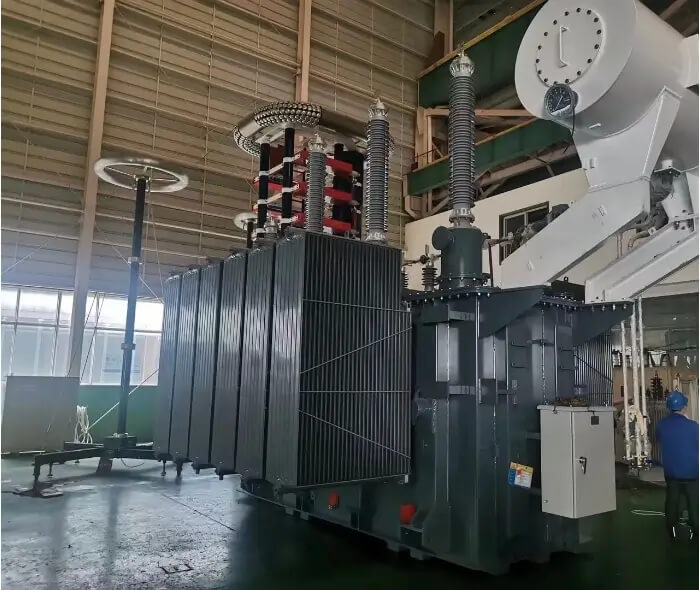
Transformer Factory Acceptance Test
Factory acceptance tests for the 260 kV 20/28 MVA substation power transformer encompass routine and type evaluations per IEC 60076. Visual inspections confirm enclosure integrity and accessory mounting. Winding resistance tests measure DC values across taps, verifying material quality. Insulation resistance assessments use megohmmeter at 5 kV to detect moisture or contamination. Turns ratio tests apply low voltage to confirm winding proportions. No-load loss evaluations energize the core at rated voltage, calculating efficiency. Load loss and impedance tests simulate full current conditions. Partial discharge measurements ensure minimal internal arcing. Oil dielectric strength and dissolved gas analysis verify insulation fluid purity. These comprehensive procedures guarantee compliance and performance before shipment.
Routine Test - Induced Voltage
Purpose of Testing
The purpose of the Induced Voltage test is to simulate the electrical stress that the equipment may encounter under actual working conditions by applying an induced voltage, thereby evaluating the tolerance and stability of the equipment's insulation system. This test helps to detect the insulation performance of the equipment under high voltage conditions and ensure its safety and reliability in operation.
Testing Equipment
Induced Voltage Tester (e.g. OMICRON, Megger, HioKI, etc.)
AC voltage source, commonly 2 kV, 5 kV, 10 kV, or customized according to test requirements.
Environmental thermometer and hygrometer, used to record the temperature and humidity of the environment for appropriate test evaluation.
AC voltage source, commonly 2 kV, 5 kV, 10 kV, or customized according to test requirements.
Environmental thermometer and hygrometer, used to record the temperature and humidity of the environment for appropriate test evaluation.
Pre-Test Preparation
Disconnect all relevant power supplies and ensure that the equipment is properly grounded and discharged.
Check the connection wires and terminals to ensure they are secure and free of contamination.
Test under suitable environmental conditions: relative humidity below 75%, no rain (recommended temperature: 20-30°C).
Check the connection wires and terminals to ensure they are secure and free of contamination.
Test under suitable environmental conditions: relative humidity below 75%, no rain (recommended temperature: 20-30°C).
Test Progress
Connect the Test Instrument:
Connect the test equipment to the appropriate terminals or bushings of the device under test, ensuring that the connections are secure and properly grounded.
Apply Test Voltage:
Select the appropriate induction voltage according to the rated voltage and standard of the equipment.
Connect the test equipment to the appropriate terminals or bushings of the device under test, ensuring that the connections are secure and properly grounded.
Apply Test Voltage:
Select the appropriate induction voltage according to the rated voltage and standard of the equipment.
Test Standard
IEC 60076 Oil-immersed power transformers
Measure and Record
Start the test and record the following parameters:
Induced Voltage
Applied Current
Voltage peak, stability and waveform (waveform analysis)
Any abnormal current or voltage changes during the measurement process.
Induced Voltage
Applied Current
Voltage peak, stability and waveform (waveform analysis)
Any abnormal current or voltage changes during the measurement process.
Temperature Correction
The measured induced voltage data is corrected to the reference temperature (usually 20°C) to ensure the accuracy of the test results.
Repeat Testing (if necessary)
If necessary, test different windings (HV, MV, LV) and bushings separately and compare the results at different test points.
Evaluation Criteria (Reference)
Inductive voltage ≤ 1% (Excellent): normally and meets safety standards.
1% < Inductive voltage ≤ 3% (Good): still within acceptable range.
Inductive voltage > 3% : faulty or not meet safety requirements and requires further analysis and repair.
1% < Inductive voltage ≤ 3% (Good): still within acceptable range.
Inductive voltage > 3% : faulty or not meet safety requirements and requires further analysis and repair.
*These comprehensive tests ensure that each transformer meets performance standards and operates
reliably under various conditions.
Application
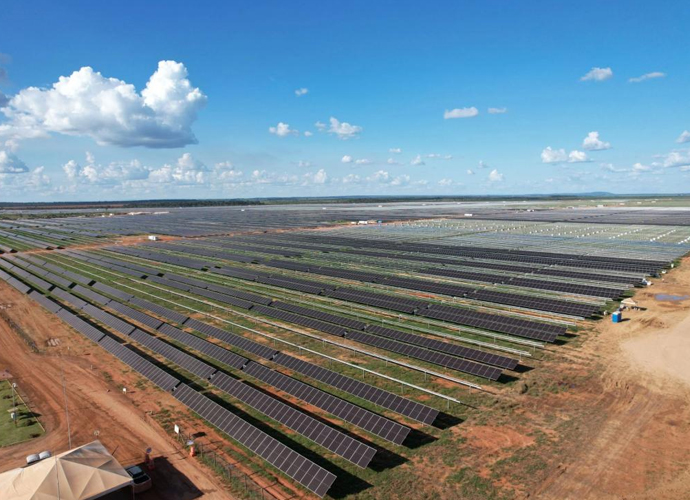
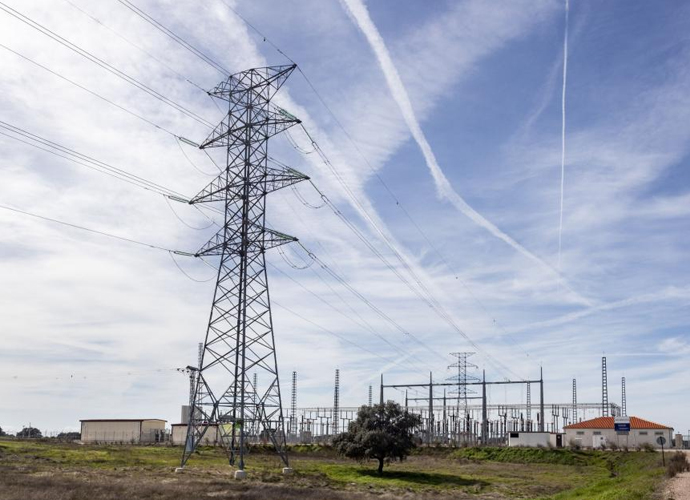
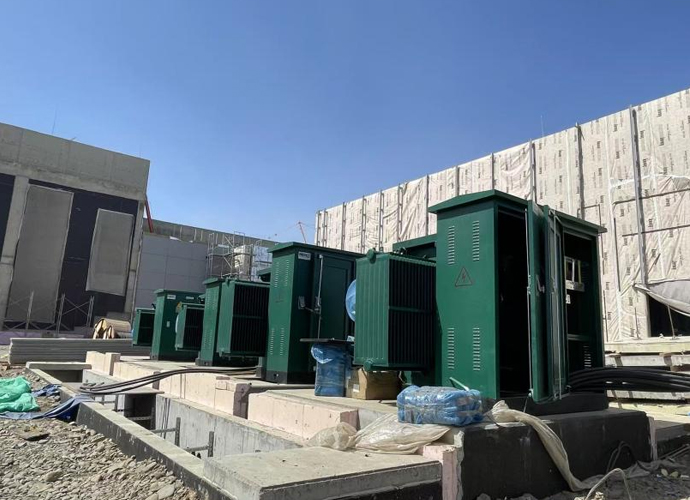
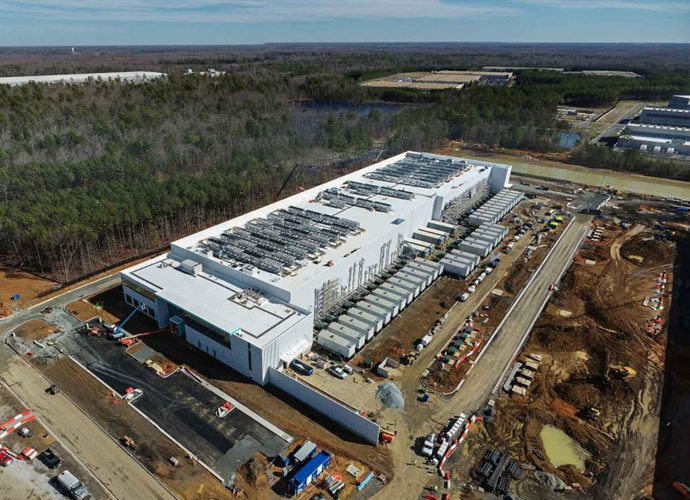
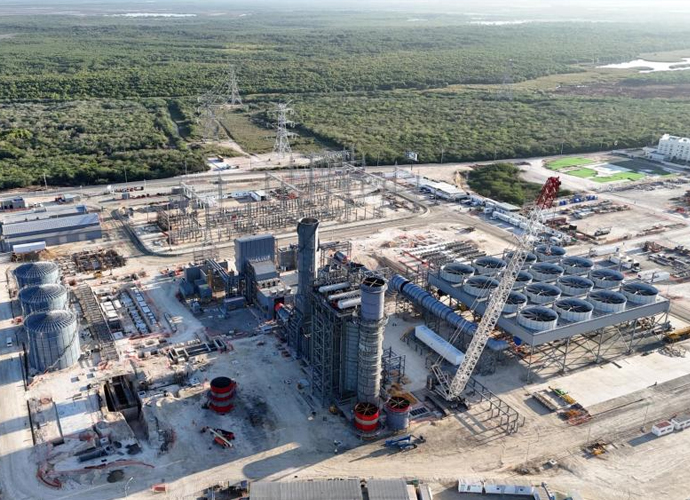
In utility transmission substations, the 260 kV 20/28 MVA power transformer steps down voltage for regional distribution, supporting grid stability in urban power networks with renewable integration.


Technical Advantages
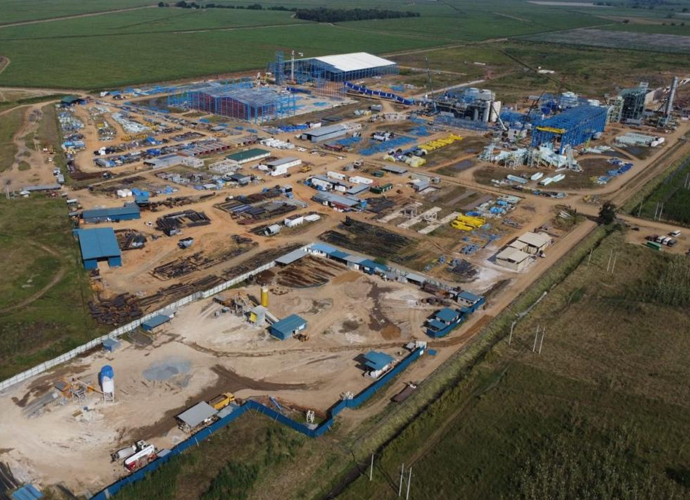
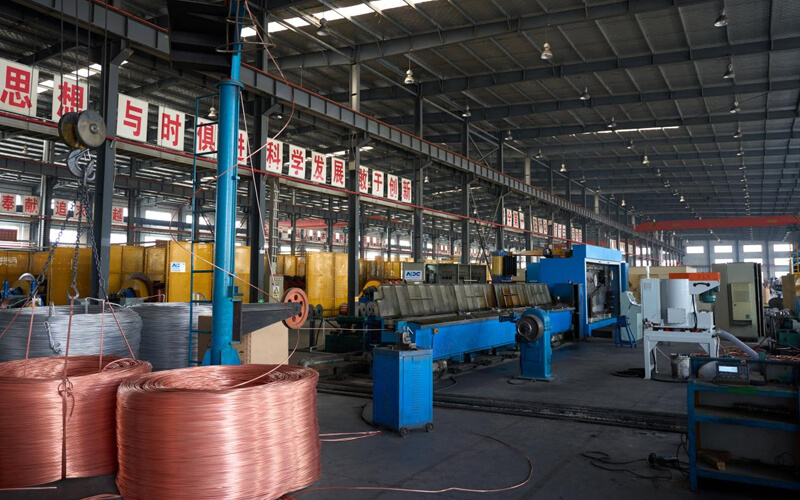
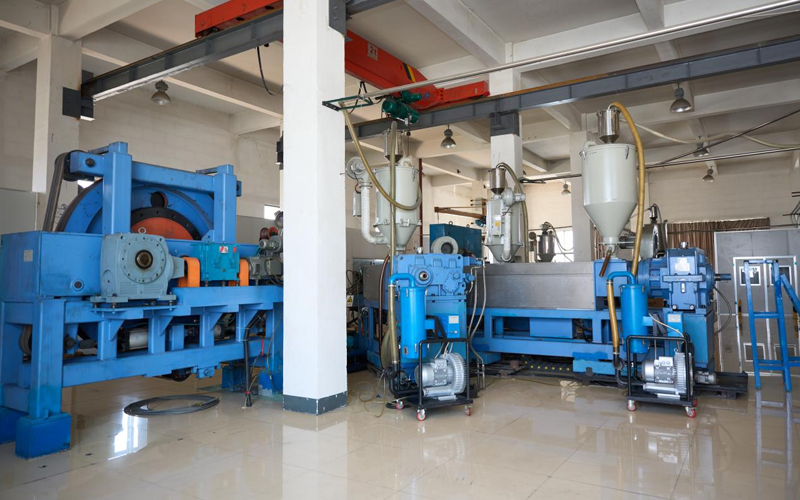
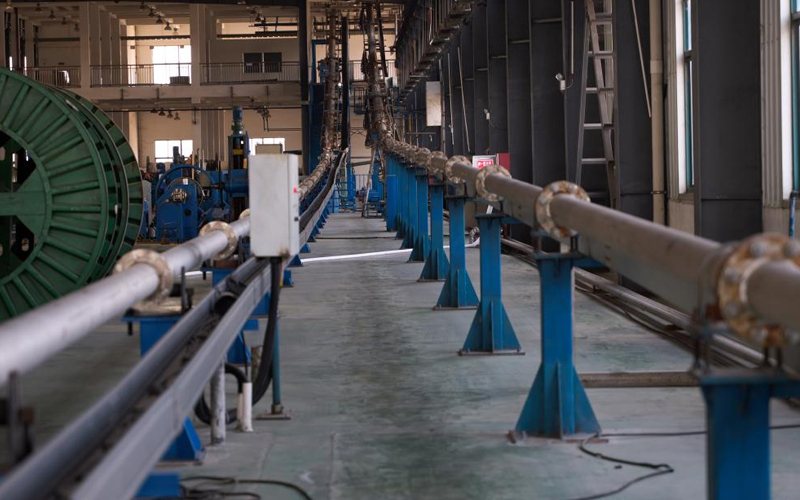
● 30+ years of manufacturing experience
● ISO and UL certified production
● Customized cable and transformer solutions
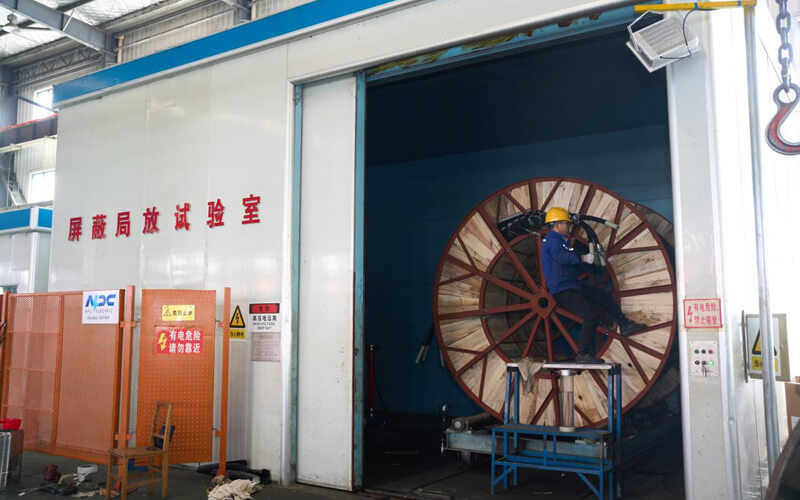
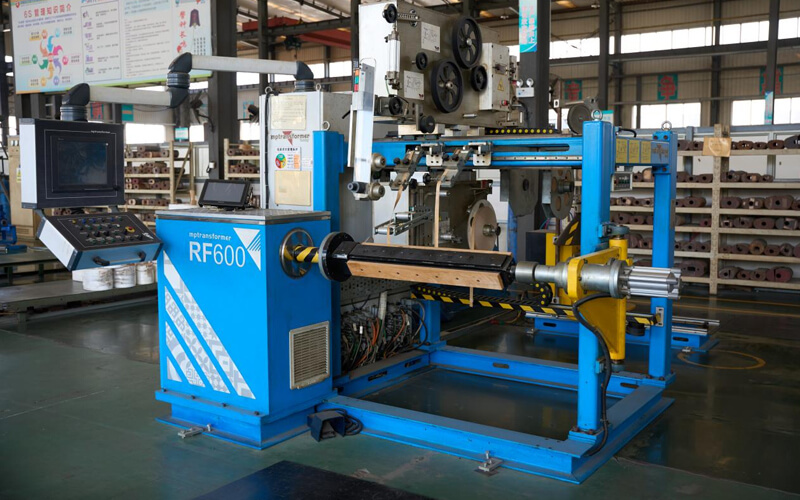
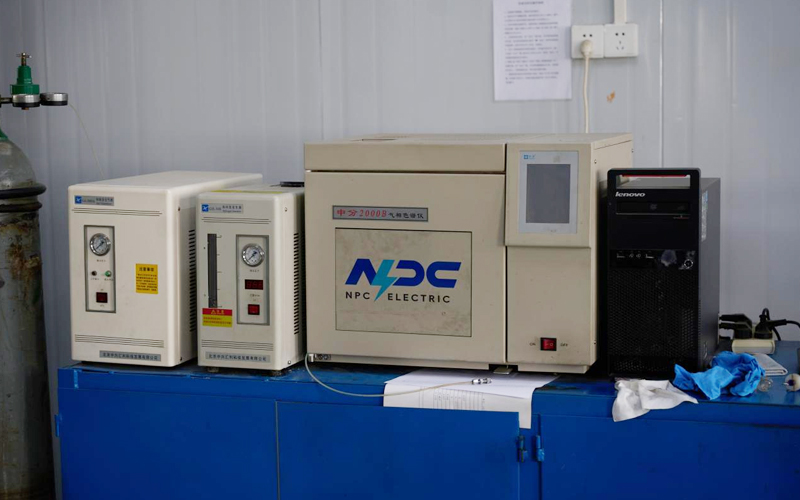
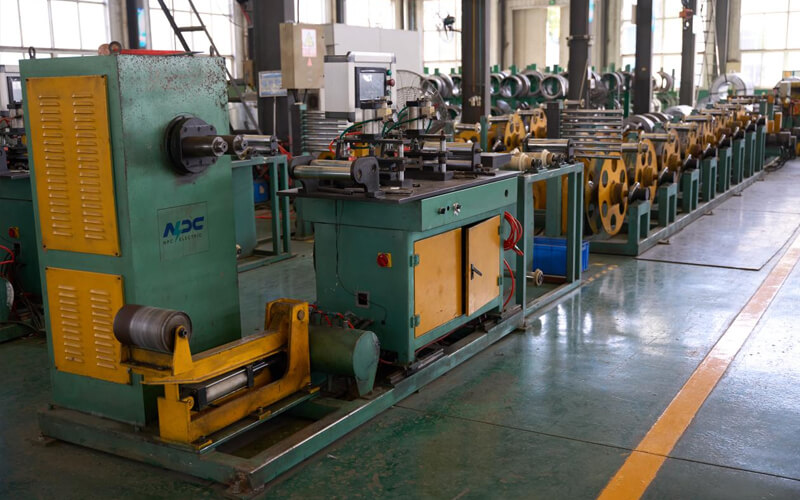
Product Packaging
Transformers Packaging (1)
Transformers Packaging (2)
Transformers Packaging (3)
Transformers Packaging (4)
Transformers Packaging (5)
Transformers Packaging (6)
Transformers Packaging (7)
Transformers Packaging (8)
Related Products
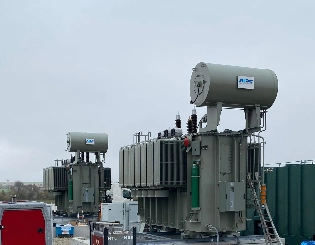
85kV 1850kVA Outdoor Oil Immersed Distribution Transformer Copper
The 85kV 1850kVA Outdoor Oil Immersed Distribution Transformer Copper is specially developed for 66–110 kV regional distribution networks and industrial users. It adopts 99.99 % electrolytic copper windings, high-permeability S13 grain-oriented silicon steel core, corrugated-fin tank + ONAN natural cooling, and ±5 % off-circuit tap changer (on-load optional). Fully compliant with IEC 60076, lightning impulse withstand 395 kV peak, PD <10 pC, noise ≤60 dB. Fully sealed conservator or sealed-type design with vacuum oil filling + nitrogen sealing guarantees >30-year maintenance-free operation even in high-altitude, high-pollution, or coastal areas. Ideal for mining, metallurgy, wind/solar grid connection, petrochemical plants, and urban 85 kV substations requiring maximum reliability and minimum losses.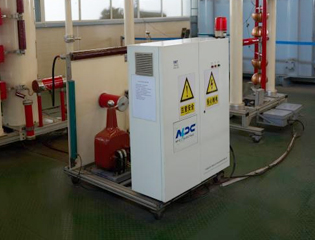
200kVA Dry Type Transformer
200kVA Dry Type Transformer is designed for high efficiency and reliable performance in various industrial and commercial applications. With a robust and compact design, it ensures safe operation without the need for external cooling fluids. Ideal for environments where space and fire safety are critical, this transformer provides reliable power distribution while minimizing environmental impact. Built with advanced materials and precision engineering, it offers excellent durability, low maintenance, and energy savings, making it the perfect choice for demanding electrical needs.
630kVA Dry Type Transformer
NPC ELECTRIC 630kVA Dry-Type Transformer is a compact, oil-free solution for reliable power distribution. With advanced insulation and cooling systems, it ensures safe, low-maintenance operation, making it ideal for industrial and commercial applications. Offering 630kVA capacity, it delivers efficient, environmentally friendly, and cost-effective performance. Compliant with DOE amended energy conservation standards (finalized 2024, mandatory from April 23, 2029, with 20% loss reduction for three-phase low-voltage dry-type units), ANSI/IEEE C57.12.01, NEMA ST-20, UL 1561, and CSA standards, this low-voltage (≤600V) transformer minimizes no-load losses, runs cooler, and prioritizes fire safety without oils or fluids.
400kV Power Transformer: High-Voltage Substation Solutions
NPC Electric 400kV Power Transformer represents the pinnacle of Extra-High Voltage (EHV) engineering, specifically designed to handle the massive energy loads of modern national grids and renewable energy hubs. This unit utilizes a sophisticated cooling architecture and a low-flux density core design to ensure maximum efficiency and minimal noise pollution. Each transformer is built with a high-strength, vacuum-proof tank and premium-grade insulation materials that have undergone rigorous moisture extraction. With its advanced electromagnetic shielding, the 400kV model minimizes eddy current heating, ensuring a stable service life exceeding 30 years. It serves as a vital link in stepping down bulk power from 400kV transmission lines to regional distribution levels, offering unmatched short-circuit withstand capabilities and thermal stability for critical infrastructure projects worldwide.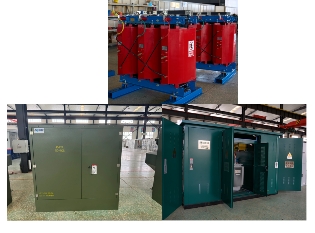
2000kVA 35kV Wind Turbine Step-Up Transformer for Onshore Wind Farms
The Wind Turbine Step-Up Transformer 2000kVA 35kV is purpose-built for onshore wind farms, enabling efficient voltage conversion from wind turbine generators to medium-voltage collection networks. Designed to operate reliably under fluctuating wind loads and harsh outdoor conditions, this transformer ensures stable power transmission and reduced energy losses across wind power systems. The oil-immersed insulation structure provides excellent thermal stability and long service life, while the optimized magnetic core minimizes no-load losses and acoustic noise. High-quality windings and reinforced insulation withstand frequent load variations caused by changing wind speeds.
13.8kV 1600kVA Cast Resin Dry Type Transformer
Introducing the robust 13.8kV 1600kVA Cast Resin Dry Type Transformer, a high-capacity, oil-free power solution engineered for safe, reliable indoor medium-voltage distribution in industrial and utility applications. This three-phase cast resin transformer utilizes premium low-loss grain-oriented silicon steel cores and high-conductivity copper (or optional aluminum) windings fully encapsulated in epoxy resin under vacuum pressure, delivering exceptional energy efficiency (often exceeding 98-99% per DOE/IEEE standards), significantly reduced no-load and load losses, and superior partial discharge performance (<10pC). Compliant with IEC 60076-11, IEEE/ANSI, and DOE efficiency requirements, this transformer steps down 13.8kV primary (with ±2×2.5% off-circuit taps standard) to common secondary voltages like 0.4kV, 0.48kV, or 0.66kV (Dyn11 vector group typical), making it ideal for sustainable, high-power indoor substations and facilities.FAQ From Customers
-
What is a Transformer?A transformer is an electrical device used to change the voltage of alternating current (AC). It works on the principle of electromagnetic induction, converting high-voltage current into low-voltage current or low-voltage current into high-voltage current. Transformers are widely used in power transmission, distribution systems, and various electronic devices.
-
What are the main uses of a transformer?The main use of a transformer is voltage conversion. Transformers are used in power transmission systems to help transfer electricity from power plants to consumers. In addition, transformers are also used in electronic devices such as chargers, televisions, power adapters, etc., to adjust the voltage to meet the requirements of different devices.
-
Do you have UL listed?Yes, our transformer has UL listed. We have exported to America many pad mounted transformer,substation transformer and HV.
Welcome your inquiry
Honesty, Integrity, Frugality, Activeness and Passion