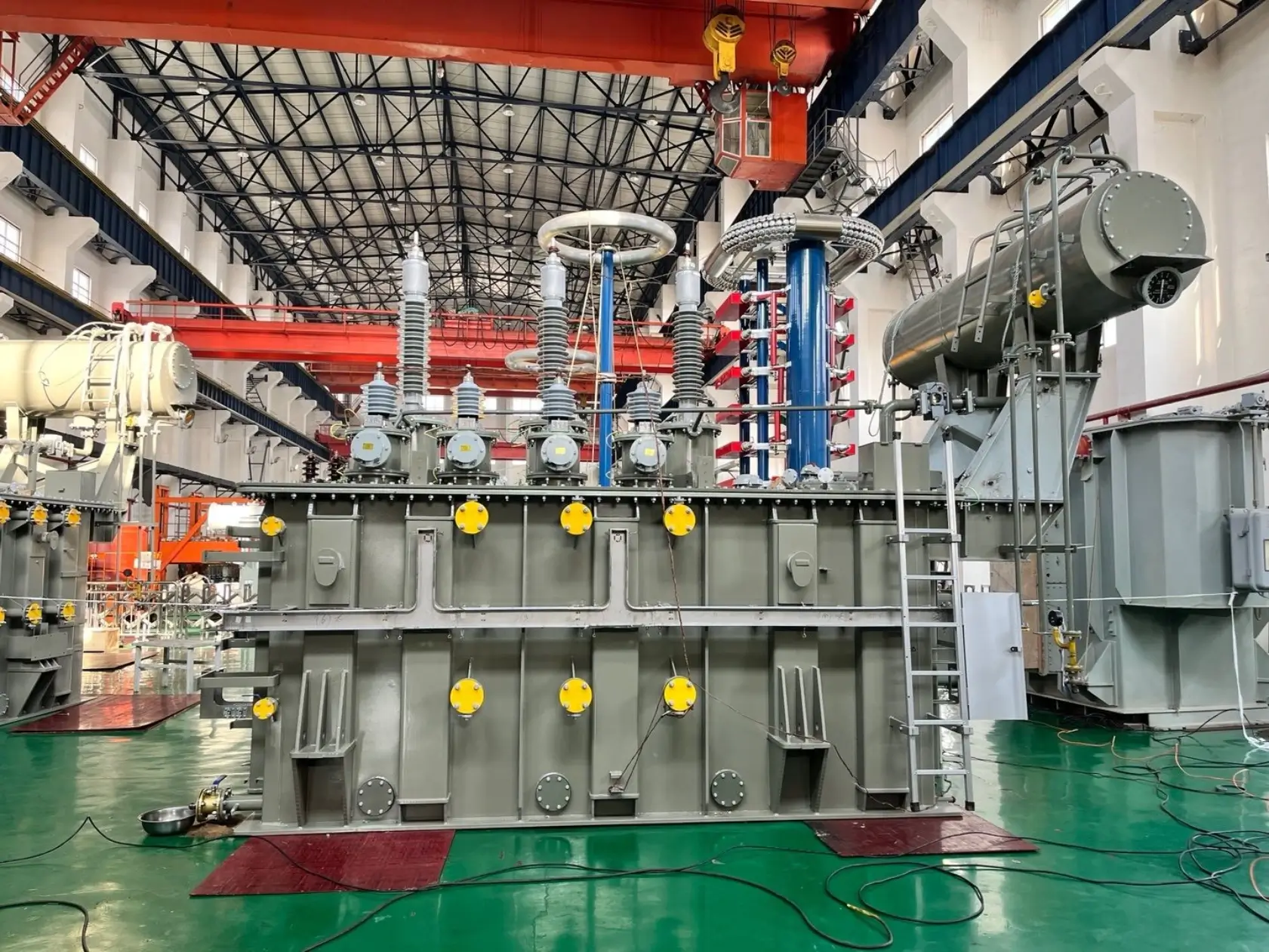


138kV / 140kV / 150kV Three-Phase Oil-Immersed Power Transformer
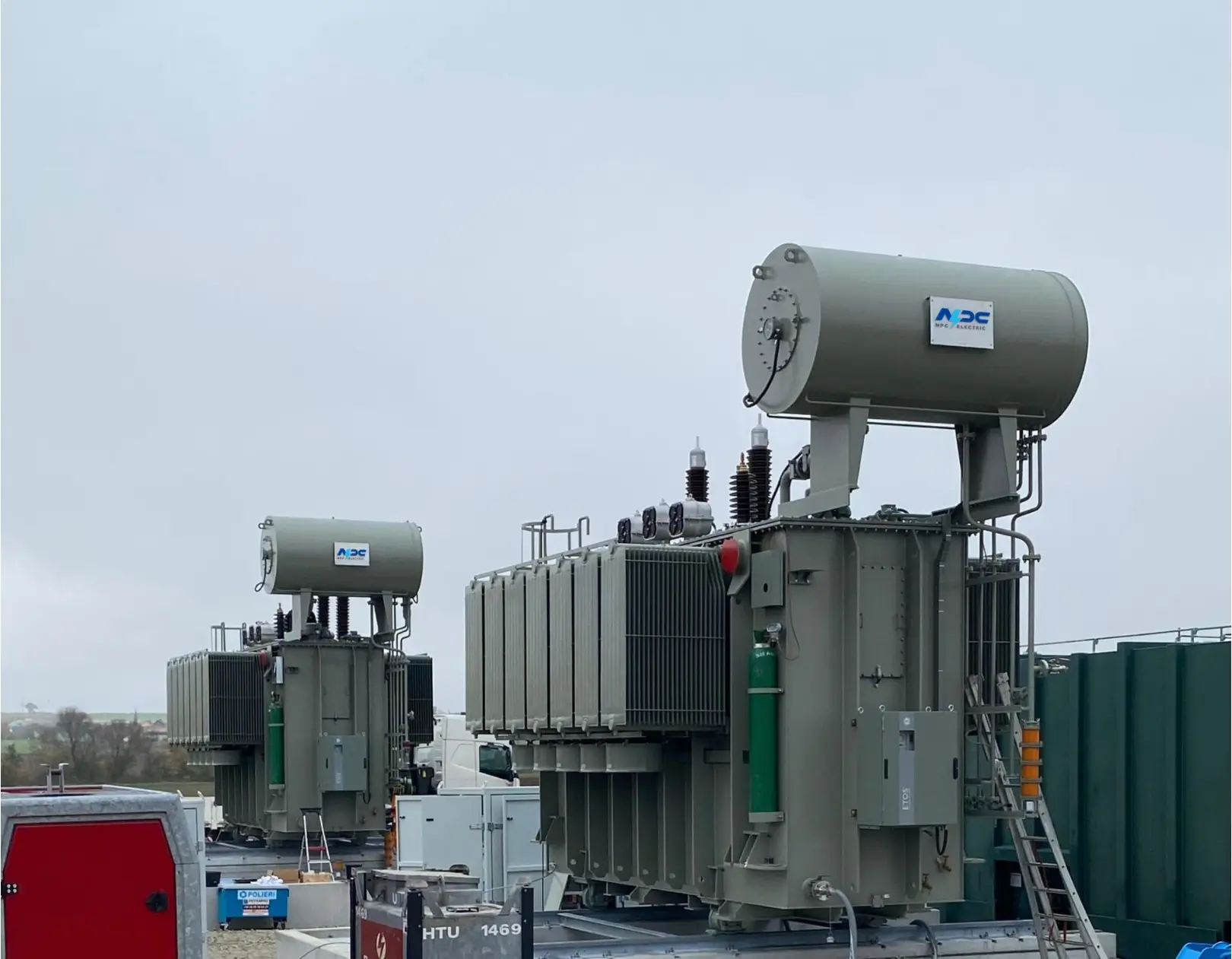
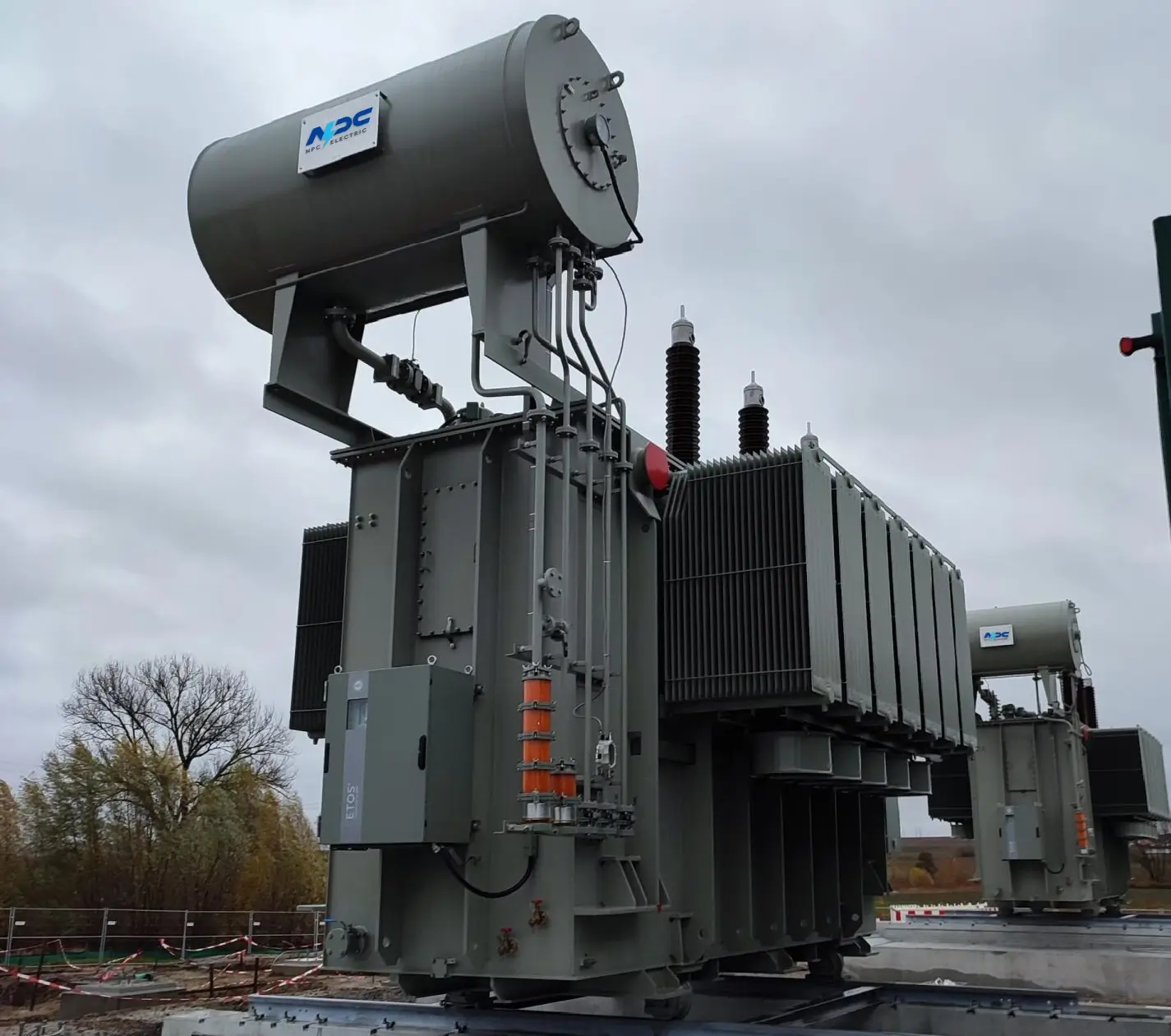
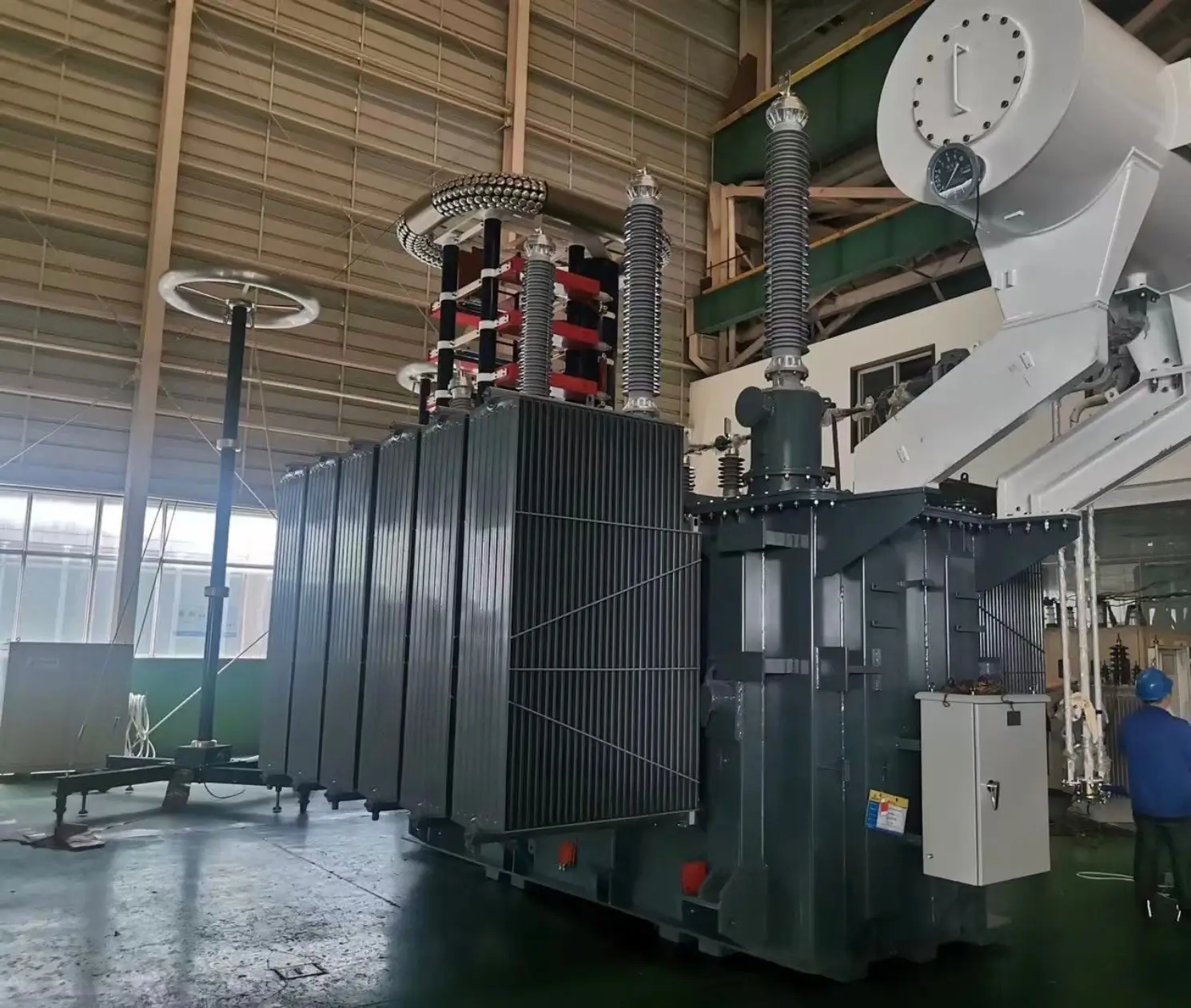
The 138kV / 140kV / 150kV Three-Phase Oil-Immersed Power Transformer is designed to serve high-voltage transmission and substation applications requiring dependable energy transfer and long-term operational stability. Its design emphasizes electrical reliability, structural strength, and efficient thermal management to support continuous service under varying grid loads. The transformer employs a refined magnetic circuit and carefully engineered winding structure to maintain voltage accuracy while minimizing operational stress. An oil-immersed insulation and cooling system ensures effective heat dissipation and insulation integrity throughout extended operating cycles. Built for outdoor installation, the transformer is capable of withstanding environmental exposure, electrical fluctuations, and mechanical demands associated with modern high-voltage networks. It is suitable for utility-scale projects where safety, efficiency, and durability are essential performance criteria.
- Primary Voltage Ratings 138kV / 140kV / 150kV or others
- Secondary Voltage Ratings 32.4/13.8/11/10.5/6.6/6.3kV or customized
- H.V. Tap Range ± 8×2.5% HV taps or others
- Type Oil-immersed power transformer
- BIL up to 350kV
- Standards IEEE, ANSI, IEC
- Application utility grid expansion projects, industrial power systems, cross-regional interconnection stations
- Power Rating 135kVA - 25MVA
- Certificate UL, CESI, ISO, KEMA
- Cooling Method ONAN/ ONAF
- Opeartion Step Down & Step Up
Technical Specifications
Customization Optional
Packing and Shipping
Manufacturer Test
Routine Testing
Application
Technical Specifications
138kV / 140kV / 150kV Three-Phase Oil-Immersed Power Transformer
Technical Specifications
Accessories
| Rated Power | 135kVA - 25MVA |
| Rating Primary Voltage | 138kV / 140kV / 150kV or others |
| Secondary Voltage |
32.4/13.8/11/10.5/6.6/6.3 kV Customized |
| Frequency | 50/60Hz |
| Vector Group | Dyn11, YD11, YNd11 |
| Winding Material | Aluminum/Copper |
| Efficiency | As IEEE, CAS Std or Customized |
| Impedance Voltage | As IEC |
| Altitude | ≤1,000m or Customized |
| Enclosure material | Mid Steel |
| HV Bushing |
| LV Bushing |
| OLTC/NLTC |
| Lifting hook for complete transformer |
| Name plate |
| Oil temperature |
| Winding temperature |
| Radiators |
| Oil level |
| Pressure relief valve |
| CT |
Customization Optional
138kV / 140kV / 150kV Three-Phase Oil-Immersed Power Transformer
The 138kV / 140kV / 150kV Three-Phase Oil-Immersed Power Transformer can be tailored to accommodate a wide range of electrical system requirements and regional grid standards. Customers may define rated capacity, voltage combinations, system frequency, and impedance characteristics to ensure compatibility with existing transmission infrastructure. Phase connection arrangements and vector group selections can be engineered to align with network design and operational philosophy. Winding configuration options allow optimization for efficiency, thermal endurance, or mechanical robustness depending on project priorities. Voltage regulation solutions may be customized through specific tap changer arrangements to maintain a stable output under variable load and grid conditions. Mechanical and functional customization options enable reliable performance in diverse installation environments.
Tank construction can be adapted for high mechanical strength, transportation limitations, or extreme climate conditions. Enhanced surface protection systems are available for installations exposed to humidity, salt spray, or industrial pollution. Cooling system configurations can be adjusted to match ambient temperature ranges and duty cycles, ensuring consistent thermal performance. Optional monitoring and protection devices include gas detection relays, oil and winding temperature sensors, pressure relief mechanisms, oil level indicators, and digital condition monitoring interfaces. Additional options such as low-noise structural designs, alternative insulating fluids, customized color finishes, and project-specific marking standards further enhance adaptability. Each customized transformer is subject to dedicated engineering review and verification to ensure compliance with technical and regulatory requirements.
Packing and Shipping
138kV / 140kV / 150kV Three-Phase Oil-Immersed Power Transformer
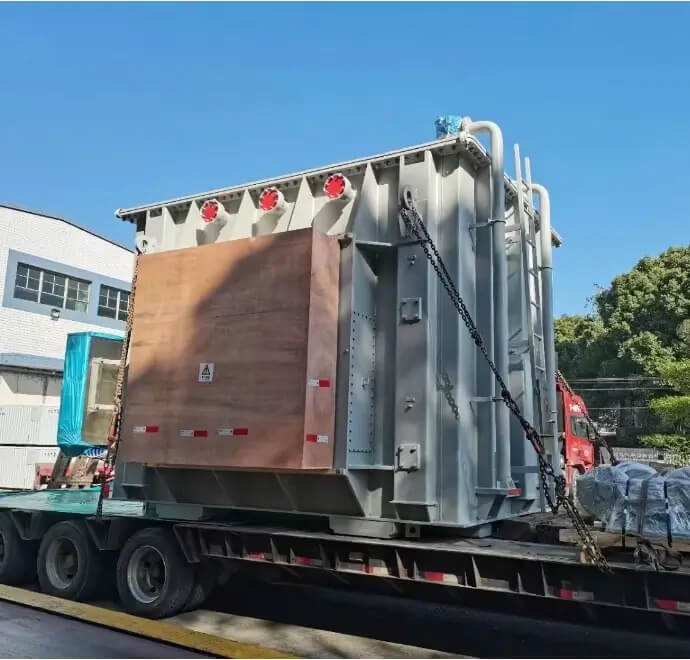
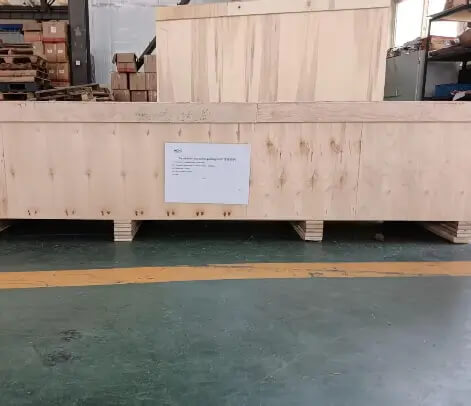
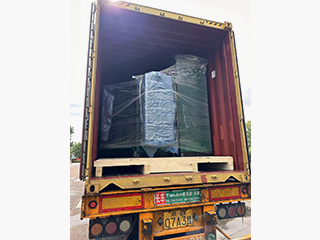
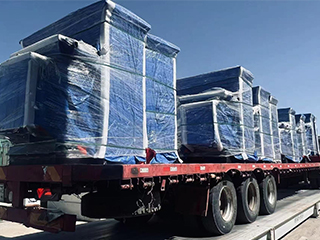
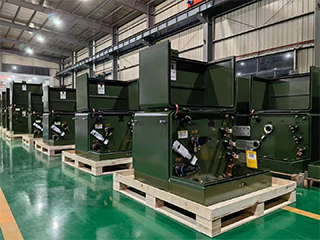
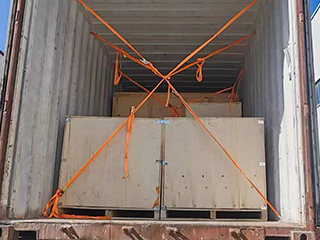
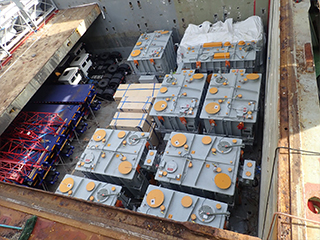
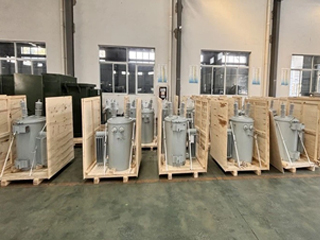
Packing and shipping of the 138kV / 140kV / 150kV Three-Phase Oil-Immersed Power Transformer are executed using a comprehensive protection strategy to ensure safe delivery. Prior to packing, the transformer undergoes final inspection, surface treatment, and preservation procedures. All external interfaces are sealed to prevent moisture ingress, and sensitive areas are reinforced for transport. Components such as bushings, radiators, conservators, and control cabinets are removed when required and packed separately in reinforced wooden or steel crates with internal cushioning and moisture-resistant liners.
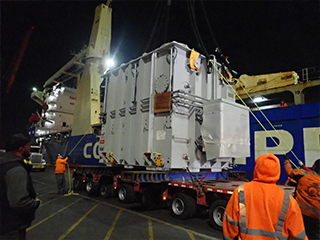
The transformer main unit is securely mounted on a heavy-duty transport base engineered to distribute weight evenly and reduce mechanical stress during handling. Stabilizing brackets, shock-absorbing materials, and protective padding are applied at critical points to minimize vibration and impact. Moisture barriers, desiccants, and protective wrapping systems are used to preserve internal insulation conditions. For extended transit periods or overseas shipments, additional measures such as vacuum preservation or inert gas filling may be applied.
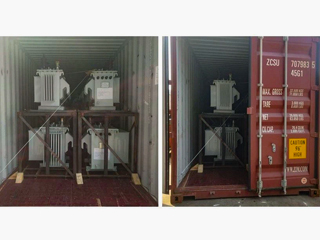
Transportation methods are selected based on transformer dimensions, total weight, route conditions, and destination requirements. Shipment options include flat-rack containers, open-top containers, or break-bulk cargo for oversized units. All packing materials comply with international export and shipping regulations, including ISPM-15 standards for wooden packaging. Clear handling instructions, lifting points, center-of-gravity markings, and safety notices are displayed to ensure correct handling throughout transportation.
Each shipment includes a complete set of documentation, such as packing lists, quality certificates, inspection records, test reports, drawings, and operation manuals. Upon arrival at the installation site, detailed guidance for unloading, storage, and installation is provided. Optional on-site technical support, including supervision, oil processing, reassembly, and commissioning assistance, can be arranged to ensure smooth installation and reliable operation.
The transformer main unit is securely mounted on a heavy-duty transport base engineered to distribute weight evenly and reduce mechanical stress during handling. Stabilizing brackets, shock-absorbing materials, and protective padding are applied at critical points to minimize vibration and impact. Moisture barriers, desiccants, and protective wrapping systems are used to preserve internal insulation conditions. For extended transit periods or overseas shipments, additional measures such as vacuum preservation or inert gas filling may be applied.
Transportation methods are selected based on transformer dimensions, total weight, route conditions, and destination requirements. Shipment options include flat-rack containers, open-top containers, or break-bulk cargo for oversized units. All packing materials comply with international export and shipping regulations, including ISPM-15 standards for wooden packaging. Clear handling instructions, lifting points, center-of-gravity markings, and safety notices are displayed to ensure correct handling throughout transportation.
Each shipment includes a complete set of documentation, such as packing lists, quality certificates, inspection records, test reports, drawings, and operation manuals. Upon arrival at the installation site, detailed guidance for unloading, storage, and installation is provided. Optional on-site technical support, including supervision, oil processing, reassembly, and commissioning assistance, can be arranged to ensure smooth installation and reliable operation.
32
32 years of industry experience
Manufacturer Test
138kV / 140kV / 150kV Three-Phase Oil-Immersed Power Transformer
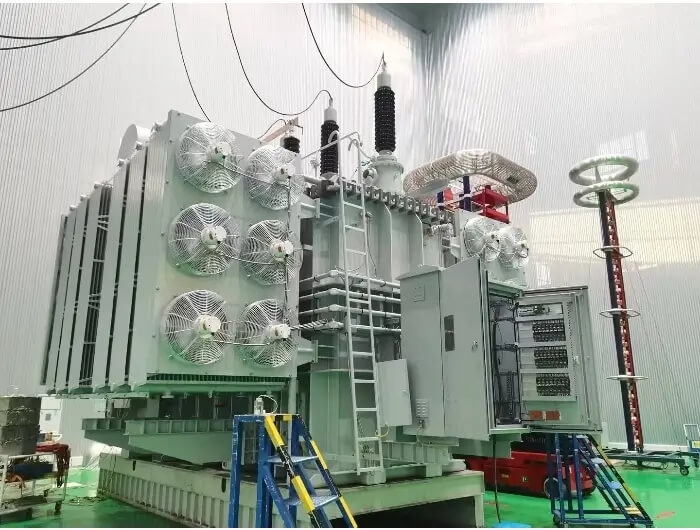
Progress test
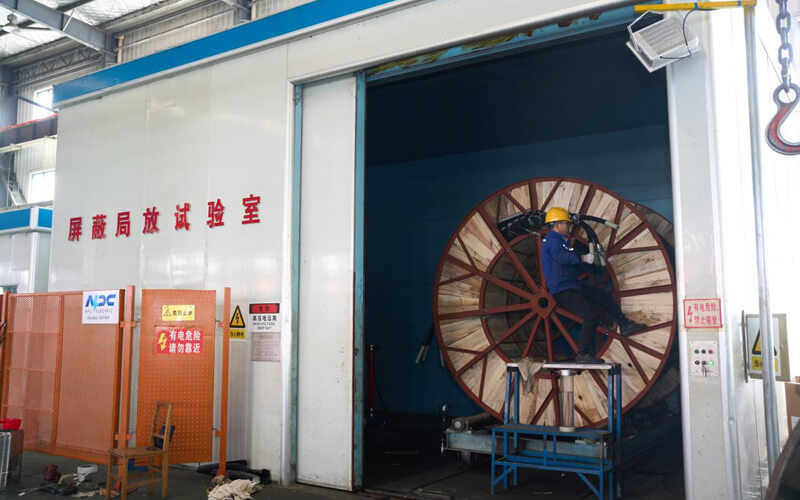
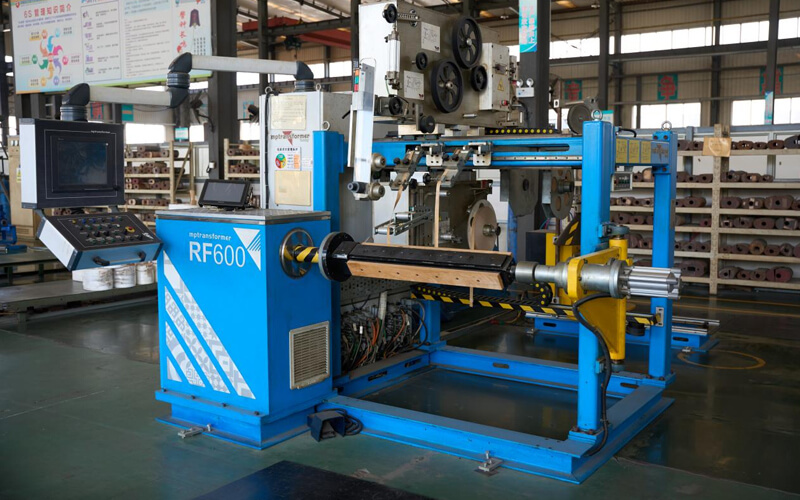
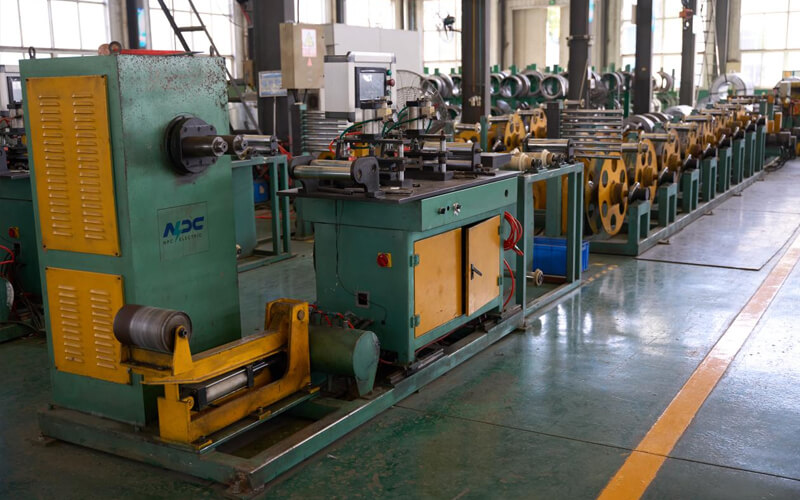
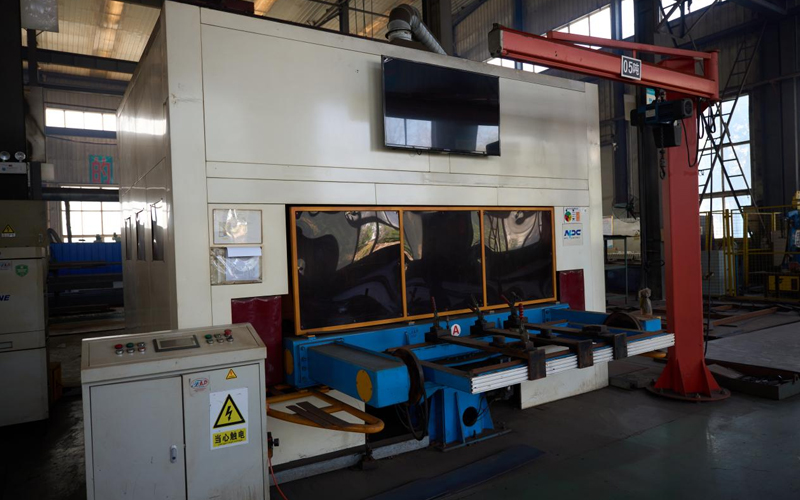
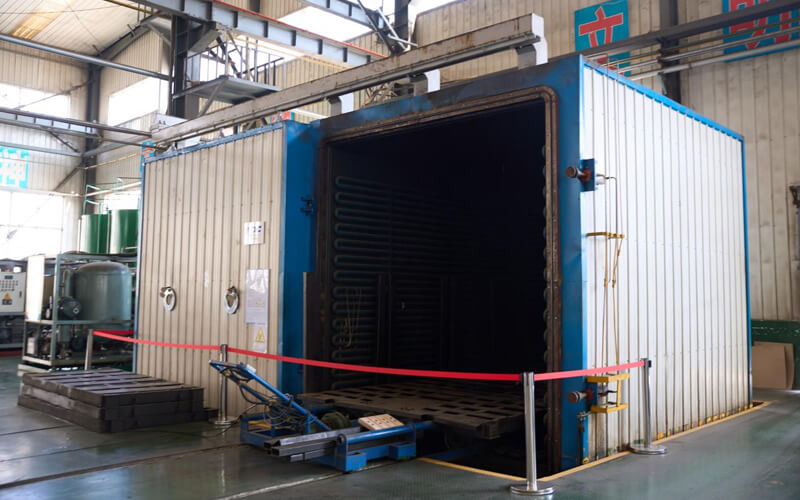
Progress testing for the 138kV / 140kV / 150kV Three-Phase Oil-Immersed Power Transformer is conducted systematically throughout the manufacturing process. Incoming materials—including core steel, winding conductors, insulation materials, and insulating oil—are inspected to verify compliance with approved technical specifications. During core assembly and winding fabrication, inspections focus on dimensional precision, mechanical alignment, and insulation application quality. The active assembly undergoes controlled drying and vacuum treatment, with parameters closely monitored to ensure proper moisture removal and insulation readiness.
Intermediate checks include electrical continuity verification, winding resistance measurements, and preliminary voltage ratio confirmation. Tank fabrication is examined for welding quality, dimensional accuracy, and coating integrity. Pressure and sealing tests are performed prior to oil filling to confirm structural tightness. All progress test results are recorded and reviewed to ensure traceability and early identification of any deviations before final acceptance testing.
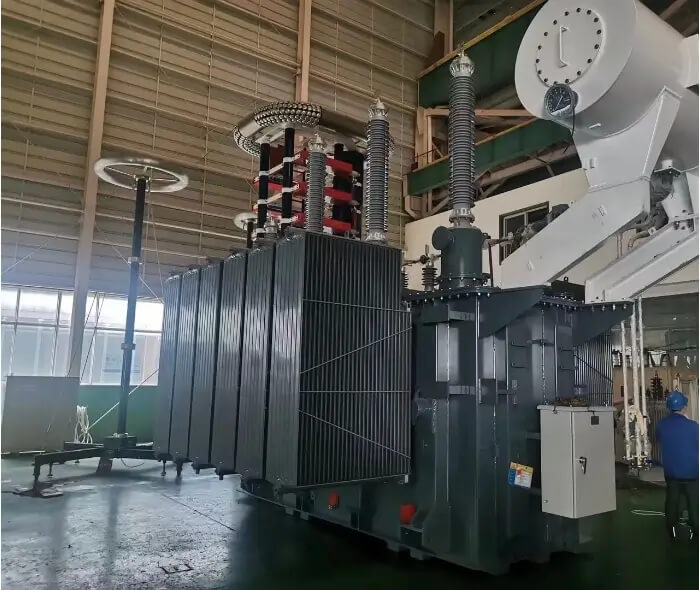
Design Tests
All transformers will be tested after finishing the production test items as follows:
♦ Leak testing with pressure for liquid-immersed transformers
♦ Test of transformer oil
♦ Measurement of voltage ratio and check of phase displacement
♦ Measurement of winding DC resistance
♦ Measurement of d. c. Insulation resistance between each winding to earth, and check of the core and frame insulation
♦ Capacitive bushing test
♦ Measurement of dissipation factor (tan δ) of the insulation system capacitances, and determination of capacitances windings-to-earth
♦ Measurement of no-load loss and current at 90%,100%,110% of rated voltage
♦ Operation test on on-load tap-changer
♦ Measurement of short-circuit impedance and load loss
♦ Lightning impulse test
♦ Induced-voltage test with partial discharge measurement
♦ Auxiliary wiring check
♦ Current transformer test
♦ Frequency response analysis test
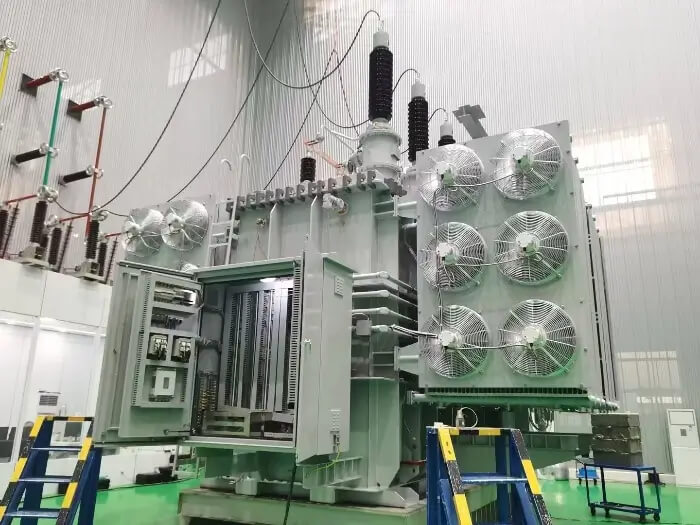
Transformer Factory Acceptance Test
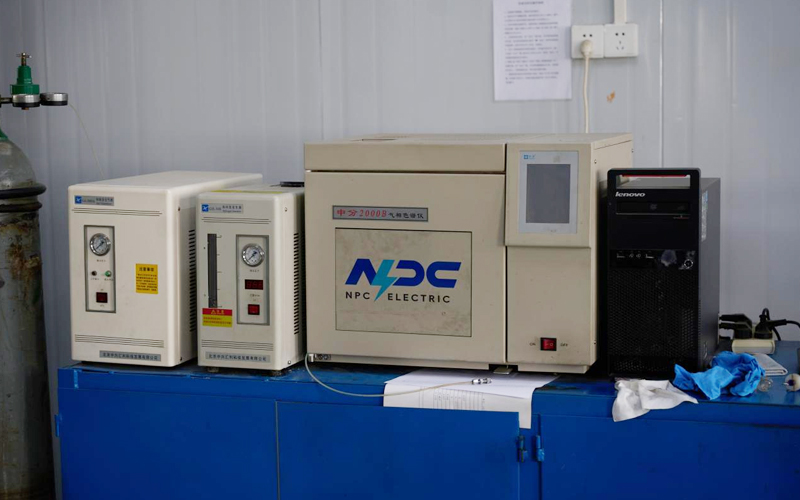
The Factory Acceptance Test (FAT) for the 138kV / 140kV / 150kV Three-Phase Oil-Immersed Power Transformer is carried out after final assembly to confirm compliance with contractual and international standards. Routine electrical tests include winding resistance measurement, voltage ratio and vector group verification, polarity confirmation, and insulation resistance testing. Dielectric verification is conducted through applied voltage and induced overvoltage withstand tests to assess insulation strength. Performance testing evaluates no-load losses, load losses, impedance characteristics, and temperature rise to verify efficiency and thermal stability. Partial discharge testing assesses insulation quality, while impulse testing confirms the transformer’s ability to withstand transient overvoltage events. Mechanical inspections cover tank pressure testing, oil leakage checks, cooling system operation, and tap changer functionality. Oil samples are analyzed to confirm dielectric strength and cleanliness. All FAT results are compiled into a comprehensive report and approved prior to shipment release.
Routine Test - Leak Test
Purpose of Testing
The purpose of water leakage test is to check whether there is leakage in the equipment or system, to ensure that it has good sealing and safety during use. The integrity of the equipment can be verified by simulating the pressure or load conditions in the working environment.
Testing Equipment
Leakage current tester (e.g. Fluke, Hioki, Megger, etc.)
Voltage source (usually 500V, 1 KV or 2.5 KV, customized according to test requirements)
Temperature and humidity meter
Ground electrode
Voltage source (usually 500V, 1 KV or 2.5 KV, customized according to test requirements)
Temperature and humidity meter
Ground electrode
Pre-Test Preparation
Ensure that the test environment conditions are suitable for leak testing. Test between 20°C and 30°C. Relative humidity should be less than 75% to avoid moisture affecting the test equipment and results.
Test Progress
Connect the Test Instrument:
Properly connect the test equipment (such as a leak detector) to the pipe, container or sealing structure of the device under test.
Apply Test Voltage:
Apply the appropriate test pressure (e.g. 10 bar, 15 bar, etc.) depending on the equipment's operating pressure or test standard.
Properly connect the test equipment (such as a leak detector) to the pipe, container or sealing structure of the device under test.
Apply Test Voltage:
Apply the appropriate test pressure (e.g. 10 bar, 15 bar, etc.) depending on the equipment's operating pressure or test standard.
Test Standard
IEC 60076 Oil-immersed power transformers
Measure and Record
Start the test and record the following parameters:
Applied test pressure
Leakage (can be monitored by flow meter or other equipment)
Time record (to ensure that the test time meets the standard requirements)
Initial pressure and final pressure (if any changes)
Applied test pressure
Leakage (can be monitored by flow meter or other equipment)
Time record (to ensure that the test time meets the standard requirements)
Initial pressure and final pressure (if any changes)
Check for leaks
Check for leaks on equipment surfaces and joints by using a foam detector, gas leak detector, or other suitable method.
Repeat Testing (if necessary)
If the test finds leakage or there is any doubt, repeat the test as necessary to verify the sealing of different locations or different equipment parts.
Evaluation Criteria (Reference)
No leakage (excellent): No leakage during the test, the equipment is completely sealed.
Minor leakage (good): Very small leakage is allowed, and it is necessary to judge whether it is qualified according to industry standards.
Minor leakage (good): Very small leakage is allowed, and it is necessary to judge whether it is qualified according to industry standards.
*These comprehensive tests ensure that each transformer meets performance standards and operates
reliably under various conditions.
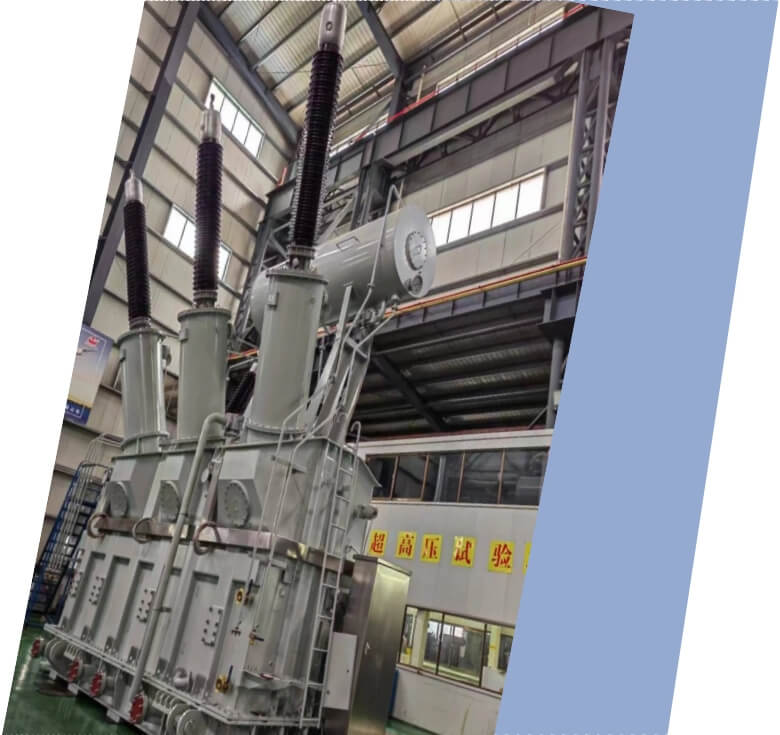
Application
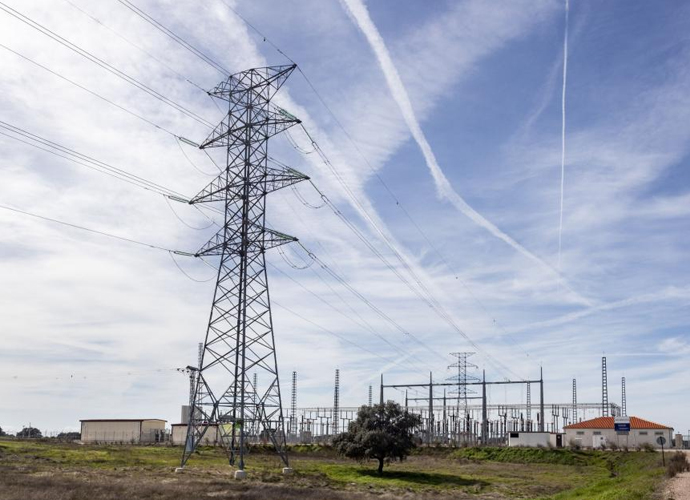
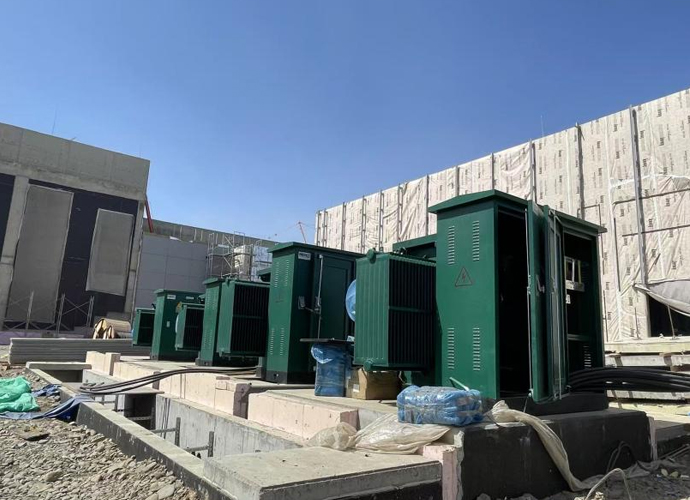
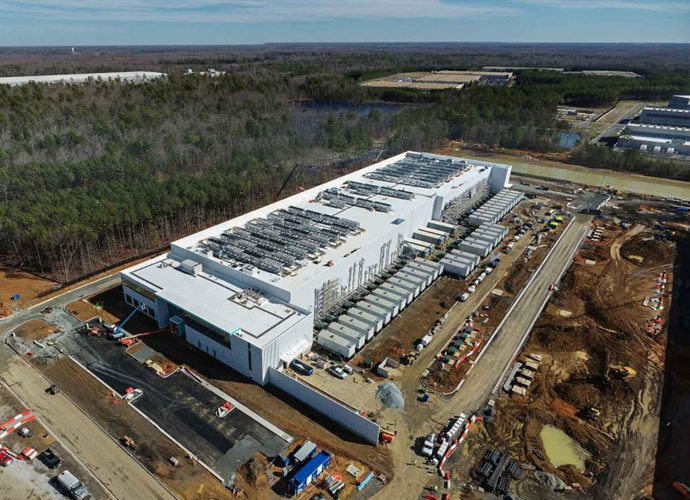
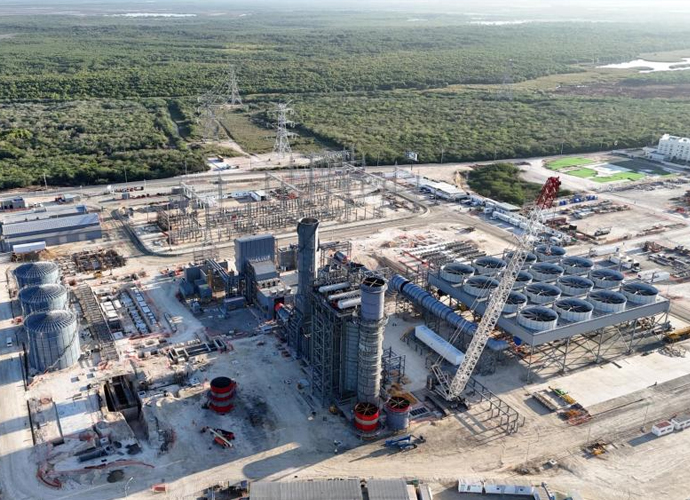
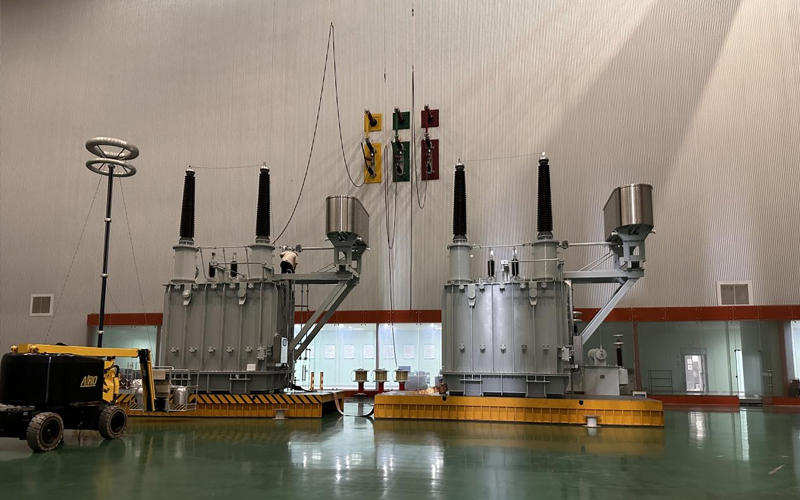
This transformer is widely used in high-voltage transmission substations, utility grid expansion projects, industrial power systems, cross-regional interconnection stations, and infrastructure developments requiring reliable three-phase high-voltage power transformation and long-term operational stability.
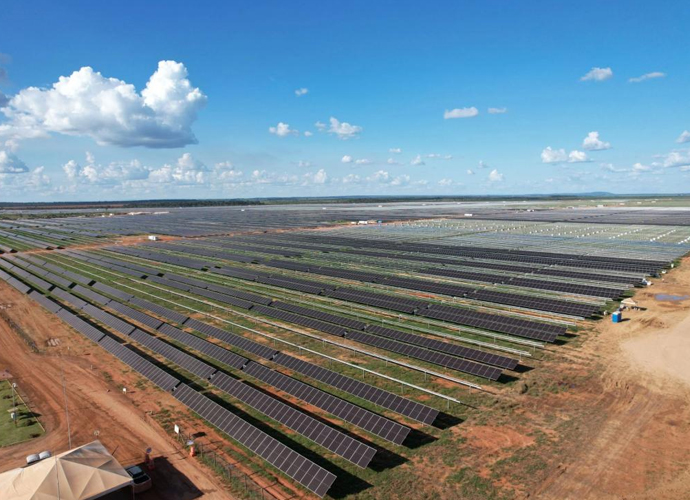


Technical Advantages
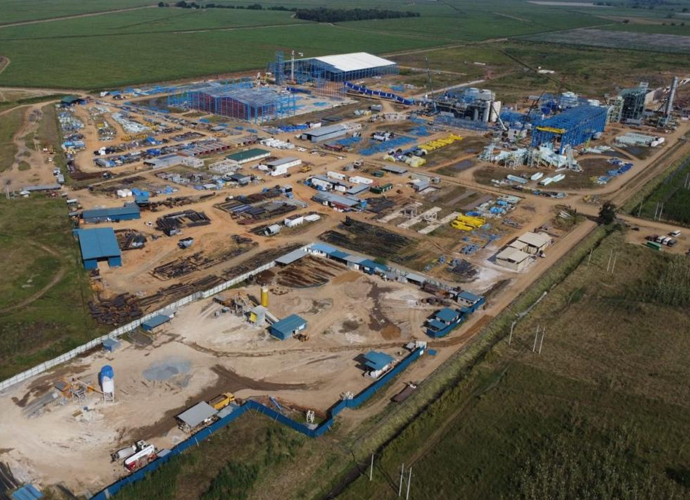
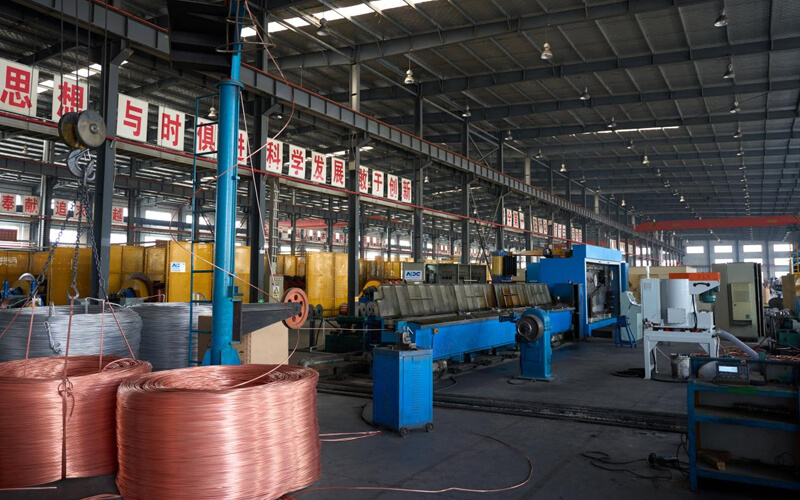
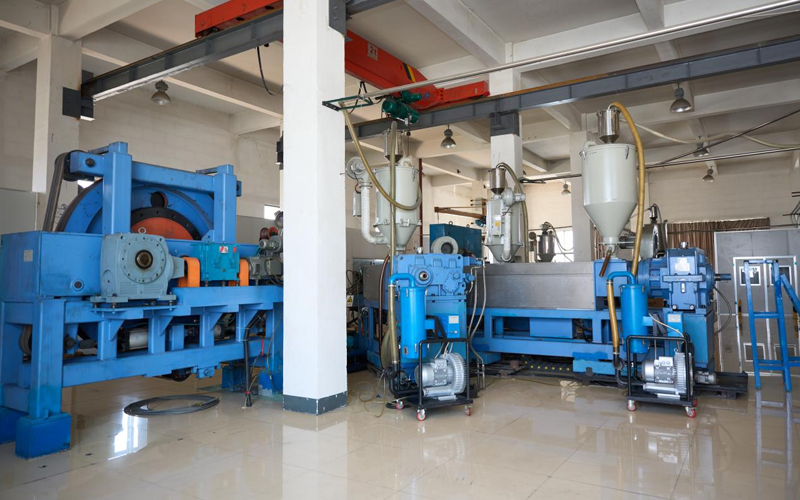
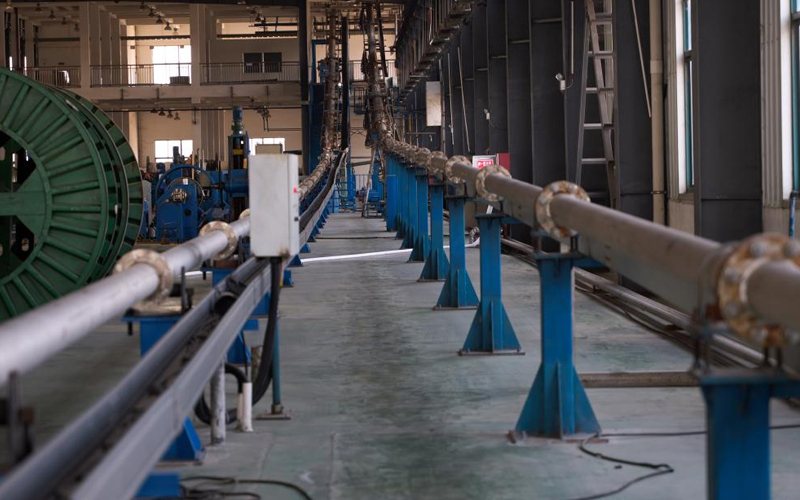
● 30+ years of manufacturing experience
● ISO and UL certified production
● Customized cable and transformer solutions
Product Packaging
Transformers Packaging (1)
Transformers Packaging (2)
Transformers Packaging (3)
Transformers Packaging (4)
Transformers Packaging (5)
Transformers Packaging (6)
Transformers Packaging (7)
Transformers Packaging (8)
Related Products
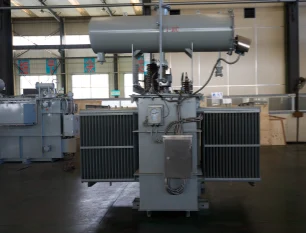
40kV 50MVA Oil Immersed Three-Phase MV&HV Power Transformer Copper
The 40kV 50MVA Oil Immersed Three-Phase MV&HV Power Transformer Copper is engineered for large-scale transmission and industrial substations. Equipped with high-purity copper windings, ONAN/ONAF cooling, and ±8×1.25% on-load tap changer, it achieves ultra-low losses (S13/S14 series). Fully compliant with IEC 60076 and GB/T 1094, it withstands 200 kV lightning impulse and PD <10 pC. Robust corrugated-fin tank with detachable radiators ensures excellent thermal performance under continuous heavy load. Typical voltages: 40±8×1.25%/11kV or 40/6.3kV. Vacuum oil filling and nitrogen sealing guarantee 35+ years of reliable, maintenance-free operation in harsh environments. Trusted by utilities and EPC contractors worldwide.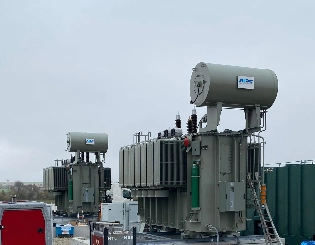
220kV 230kV Power Transformer
The 220kV / 230kV Power Transformer is an extra-high-voltage, oil-immersed, three-phase power transformer engineered for backbone transmission networks, major utility substations, large-scale renewable energy integration, heavy industrial corridors, and cross-border grid interconnections. Typical specifications include mineral oil or FR3 natural ester insulation (ONAN/ONAF/ODAF/OFWF cooling configurations), high-conductivity copper windings (aluminum optional), primary voltages 220kV or 230kV (grounded wye/delta, dual-voltage or multi-tap options), secondary voltages 35kV, 66kV, 110kV, 132kV, 138kV or custom (e.g., 230kV/115kV, 220kV/35kV, 230kV/13.8kV step-down), BIL ratings 950–1050kV (up to 1175kV for ultra-high lightning areas), impedance 10–18% (tolerances ±7.5%), ±8×1.25% or ±10×1.25% off-load tap changer (OLTC ±16–25% range common), conservator with bladder or sealed tank, Buchholz relay, sudden pressure relay, oil/winding temperature indicators (OTI/WTI), fiber-optic hot-spot sensors, partial discharge monitoring, pressure relief device, and ANSI 61 gray or custom tank finish.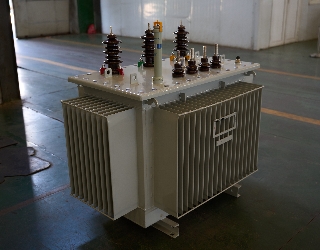
2500kVA Oil Immersed Transformer
NPC ELECTRIC's 2500kVA oil-immersed transformer is designed with international advanced technology and complies with international standards such as IEC, ANSI, and ISO. It has high efficiency, low noise, and excellent thermal stability. This transformer is widely used in power transmission and distribution systems to ensure a stable and reliable power supply. High-strength windings and robust mechanical construction enhance short-circuit withstand capability and thermal endurance. With reliable voltage regulation and low operational noise, this transformer is well-suited for industrial plants, infrastructure projects, and utility substations requiring a dependable high-capacity power supply.
100kVA Oil Immersed Transformer
NPC ELECTRIC 100kva Oil Immersed Transformer boasts a robust design that utilizes high-quality materials to ensure long-lasting performance. Its oil-immersed cooling system provides effective heat dissipation, maintaining optimal operating temperatures even under heavy loads. This transformer is designed to handle a maximum power capacity of 100kVA, making it suitable for a wide range of applications, including commercial, industrial, and residential settings. One of the standout features of the SGOB 100kva Oil Immersed Transformer is its advanced insulation system, which enhances its short-circuit resistance and overall safety.
Step Down Dry Type Transformer
The Step Down Dry Type Transformer is a safe, efficient, oil-free electrical device designed to reduce (step down) higher incoming voltages to lower levels suitable for end-use equipment in indoor power distribution systems. This three-phase or single-phase transformer uses air (natural or forced) for cooling instead of insulating liquids, with windings typically encapsulated in epoxy resin (cast resin) or vacuum pressure impregnated for superior insulation. It features premium low-loss grain-oriented silicon steel cores and high-conductivity copper (or aluminum) windings, delivering excellent energy efficiency (often 98%+ per DOE/IEC standards), minimal no-load/load losses, low partial discharge (<10pC), and robust short-circuit withstand. Compliant with IEC 60076-11, IEEE/ANSI, and DOE efficiency requirements, step-down dry type transformers commonly handle primary voltages from 480V to 35kV+ stepping down to 208Y/120V, 400V, 0.4kV, or custom secondaries, making them ideal for modern, sustainable indoor applications.
5MVA / 6.3MVA 35kV Three-Phase Oil-Immersed Step-Down Power Transformer
The 5MVA / 6.3MVA 35kV Three-Phase Oil-Immersed Step-Down Power Transformer is designed for reliable voltage reduction in medium-voltage power distribution systems. Built with high-grade silicon-steel cores, premium copper windings, and advanced oil-immersed cooling, it delivers low losses, strong short-circuit resistance, and stable thermal performance. The transformer features robust insulation, durable tank construction, and precision-engineered components to ensure long operational life. Suitable for industrial plants, utility substations, renewable energy facilities, and commercial power distribution, it supports both on-load and off-load tap changers for accurate voltage regulation. Engineered in compliance with IEC standards, this 35kV step-down transformer ensures high efficiency, dependable performance, and safe power delivery under various environmental and load conditions.FAQ From Customers
-
What is a Transformer?A transformer is an electrical device used to change the voltage of alternating current (AC). It works on the principle of electromagnetic induction, converting high-voltage current into low-voltage current or low-voltage current into high-voltage current. Transformers are widely used in power transmission, distribution systems, and various electronic devices.
-
What are the main uses of a transformer?The main use of a transformer is voltage conversion. Transformers are used in power transmission systems to help transfer electricity from power plants to consumers. In addition, transformers are also used in electronic devices such as chargers, televisions, power adapters, etc., to adjust the voltage to meet the requirements of different devices.
-
Do you have UL listed?Yes, our transformer has UL listed. We have exported to America many pad mounted transformer,substation transformer and HV.
Welcome your inquiry
Honesty, Integrity, Frugality, Activeness and Passion