
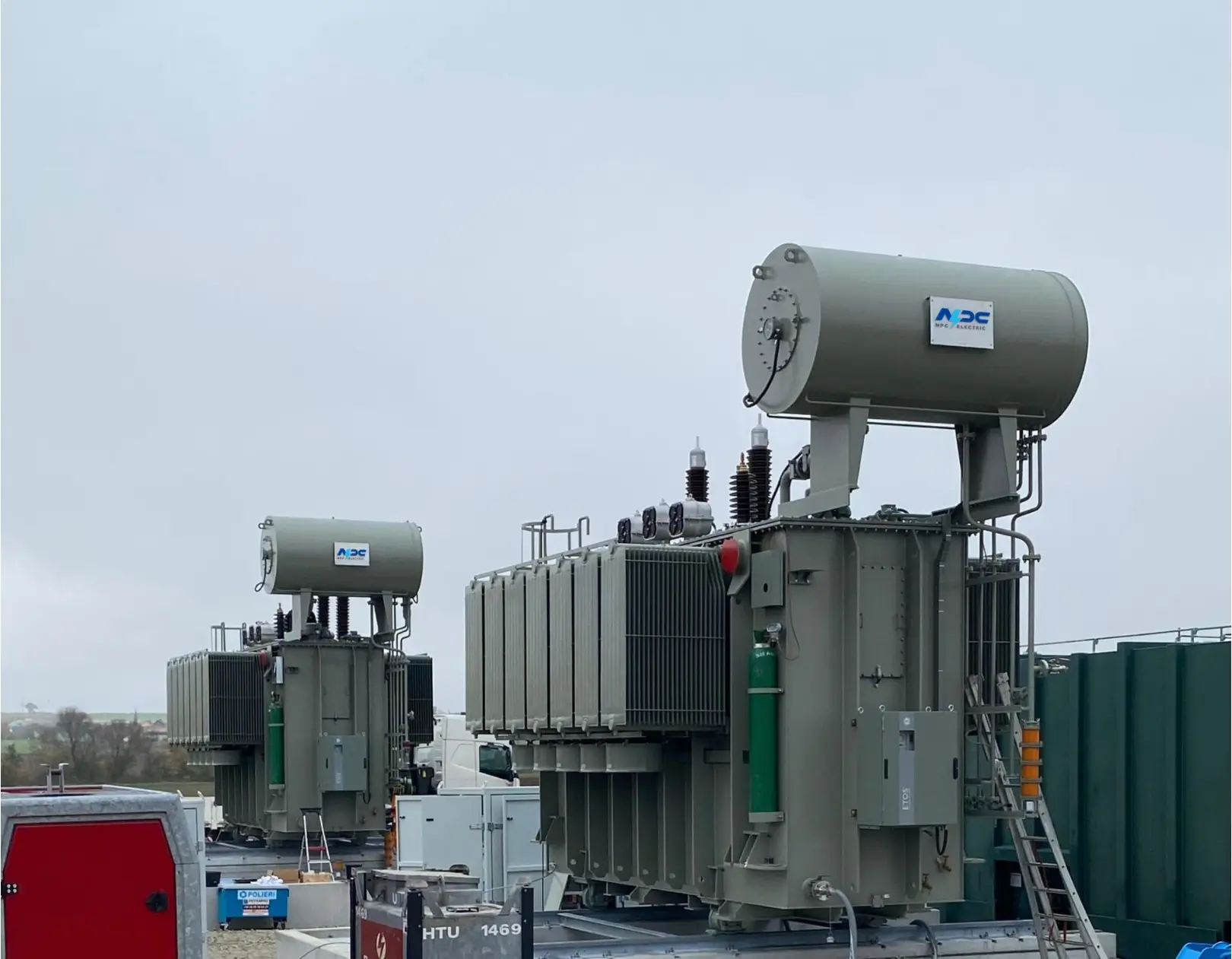
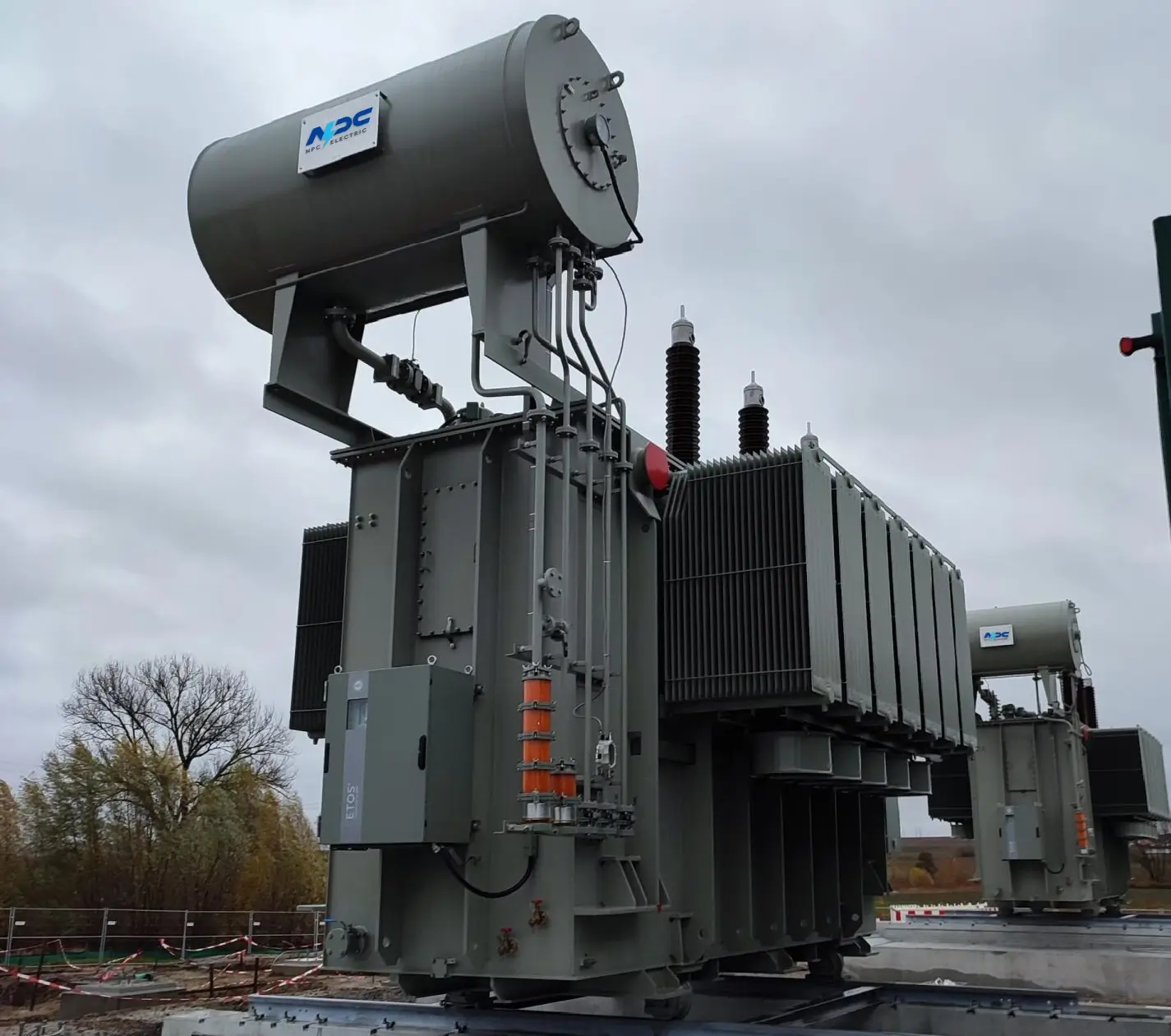
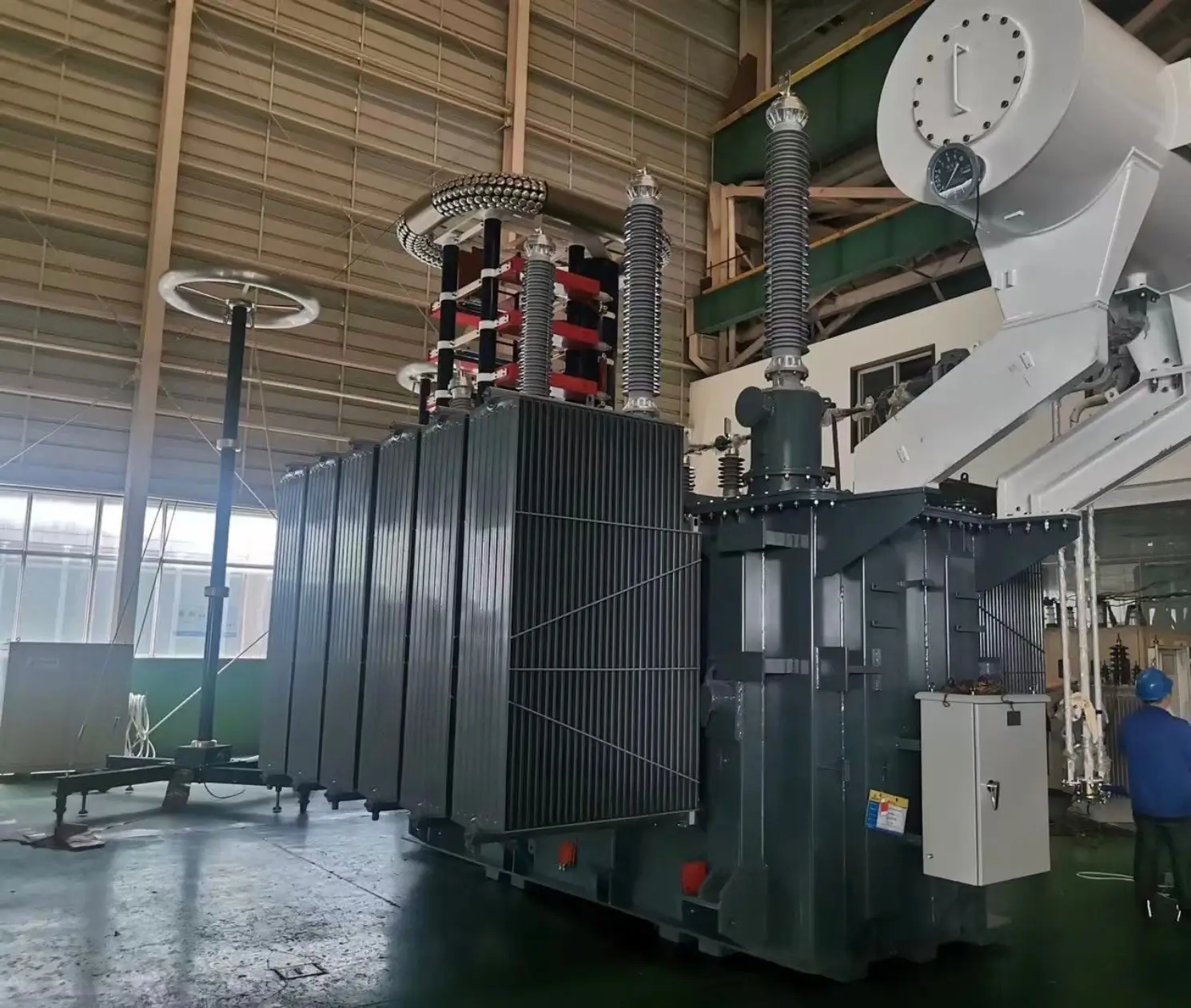
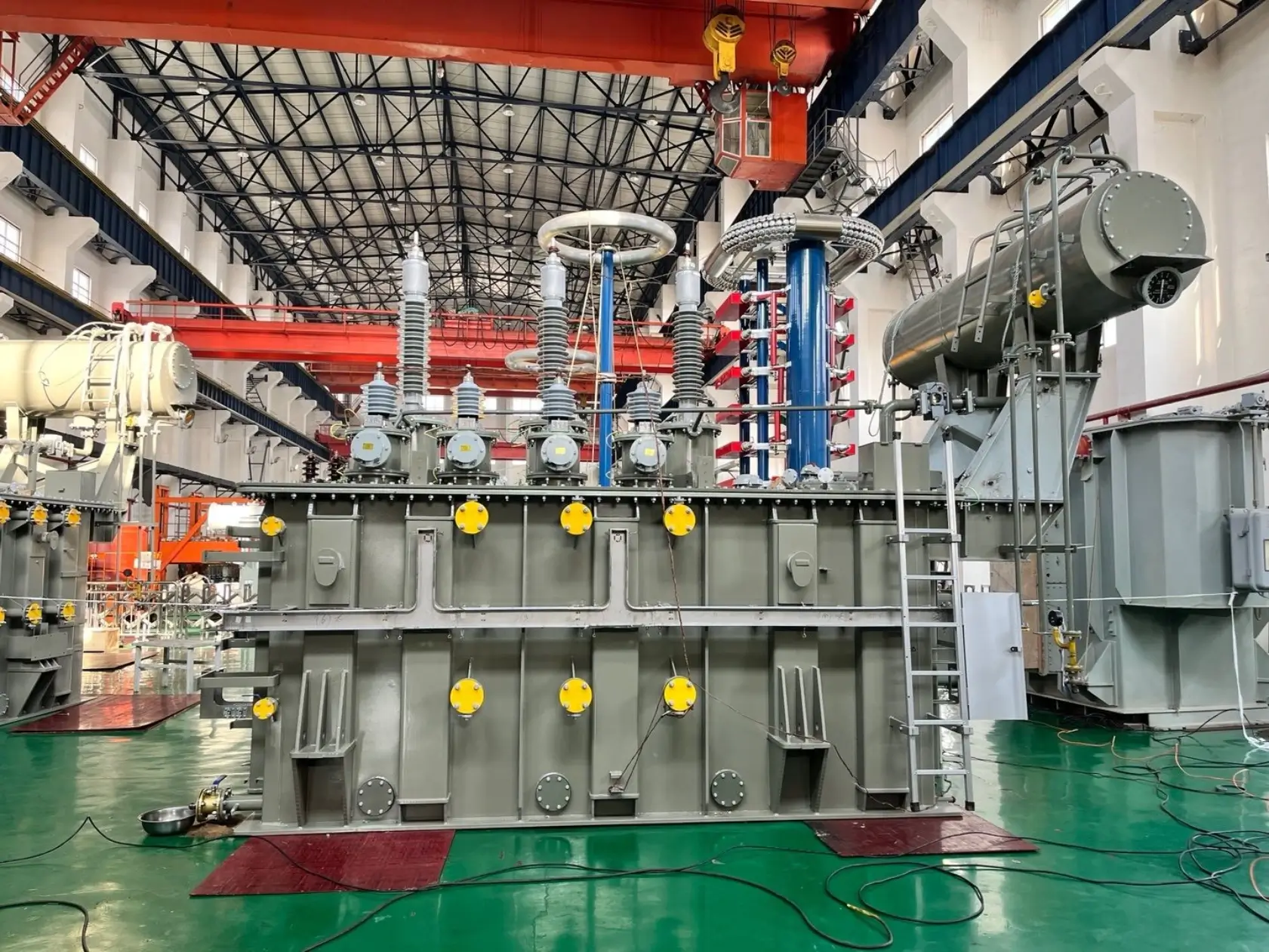


300 kV 31.5MVA 40 MVA High Voltage Power Transformer
Unlock superior grid performance with the state-of-the-art 300 kV 31.5/40 MVA high voltage electrical power transformer, tailored for efficient voltage conversion in expansive transmission networks. This robust, three-phase design operates with ONAN cooling at 31.5 MVA and escalates to ONAF at 40 MVA, incorporating cutting-edge biodegradable ester insulation fluids for enhanced fire safety and environmental sustainability as per 2025 regulations. Built with high-grade grain-oriented silicon steel cores to achieve efficiency rates exceeding 98%, it reduces no-load losses and supports seamless integration with HVDC systems and renewable energy hubs. Advanced features include IoT-enabled Sensformer-like monitoring for real-time diagnostics, predictive analytics to prevent downtime, and compliance with updated IEC 60076-2025 and IEEE C57.12.00 standards for superior dielectric strength and thermal resilience. Ideal for harsh operational settings, its modular construction allows for quick field repairs, while anti-vibration mountings ensure low noise levels under 55 dB, making it perfect for proximity to populated areas.
- Primary Voltage Ratings 220kV 230kV 300 kV
- Secondary Voltage Ratings 69/35/37/34.5/26.4./11/10.5/6.6/13.2 kV or others
- H.V. Tap Range ± 8×1.25% HV taps or others
- Type Oil-immersed power transformer
- BIL 900kV
- Standards IEEE, ANSI, IEC, GB
- Application regional substations, bolstering stability in wind-integrated grids
- Power Rating 31.5MVA 40 MVA
- Certificate UL, ISO, CESI
- Cooling Method ONAN/ ONAF
- Opeartion Step Down & Step Up
Technical Specifications
Customization Optional
Packing and Shipping
Manufacturer Test
Routine Testing
Application
Technical Specifications
300 kV 31.5MVA 40 MVA High Voltage Power Transformer
Technical Specifications
Accessories
| Rated Power | 31.5MVA 40 MVA |
| Rating Primary Voltage | 220kV 230kV 300kV |
| Secondary Voltage |
69/35/37/34.5/26.4/11/10.5/6.6/13.2 kV Customized |
| Frequency | 50/60Hz |
| Vector Group | Dyn11, YD11, YNd11 or anothers |
| Winding Material | Aluminum/Copper |
| Efficiency | As IEEE, CAS Std or Customized |
| Impedance Voltage | As IEC |
| Altitude | ≤1,000m or Customized |
| Enclosure material | Mid Steel |
| HV Bushing |
| LV Bushing |
| OLTC/NLTC |
| Lifting hook for complete transformer |
| Name plate |
| Oil temperature |
| Winding temperature |
| Radiators |
| Oil level |
| Pressure relief valve |
| CT |
Customization Optional
300 kV 31.5MVA 40 MVA High Voltage Power Transformer
Customize the 300 kV 31.5/40 MVA high voltage power transformer to fit precise transmission needs with versatile options. Voltage ratios can be modified for auto or step-up/down configurations, featuring on-load tap changers per IEC 60214-1 for automatic regulation in volatile renewable feeds. Select from advanced cooling variants like OFWF for extreme overloads, and adjust impedance from 9-14% to fine-tune fault protection and harmonic mitigation in modern grids. Protective enclosures come with IP66 ratings and cathodic protection for corrosive environments, integrated with fiber-optic sensors for condition-based maintenance aligned with IEEE C57.104. Core and winding choices include recycled aluminum for eco-efficiency or high-temperature superconductors for minimal losses, complemented by DC bias compensation to counter geomagnetic disturbances.
Broaden personalization with phase-shifting modules under IEEE C57.135 for optimized power flow in interconnected systems, or earthquake-resistant bases compliant with IEC 60068 for seismic zones. Incorporate green technologies such as SF6-free gas-insulated bushings and low-GWP fluids to meet 2025 EU F-Gas regulations, while compact footprints suit containerized deployments. Additional extras like integrated VAR compensators or AI-driven fault predictors elevate system intelligence, cutting maintenance costs by up to 30%. These custom elements ensure adaptability for offshore platforms, microgrids, or high-speed rail power supplies, promoting longevity and cost savings.
Packing and Shipping
300 kV 31.5MVA 40 MVA High Voltage Power Transformer
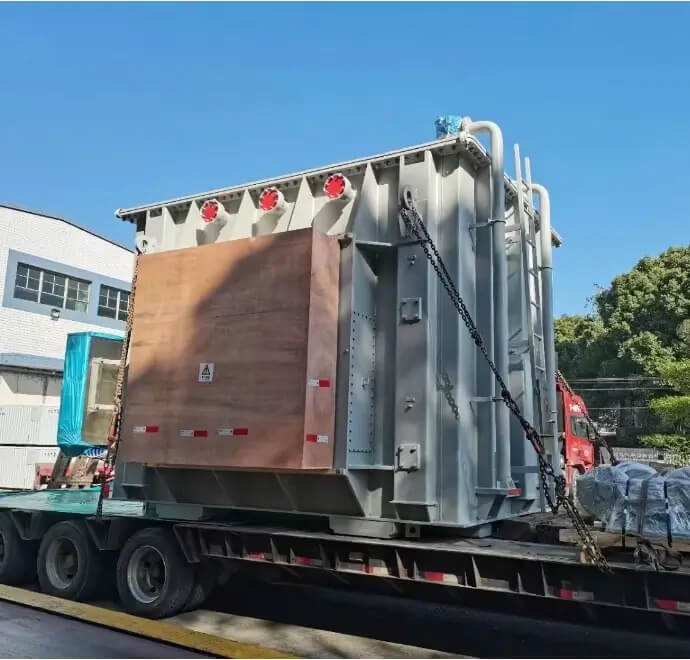
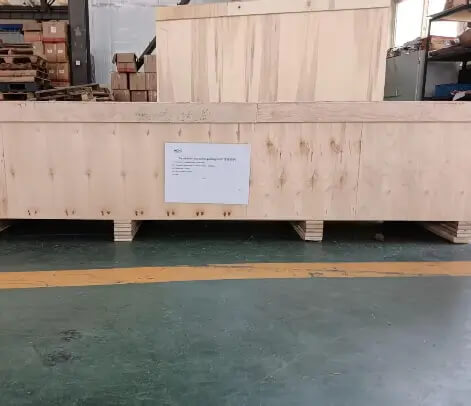
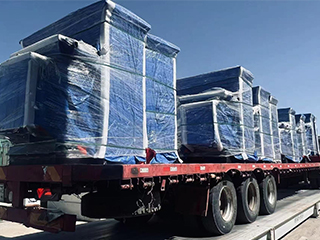
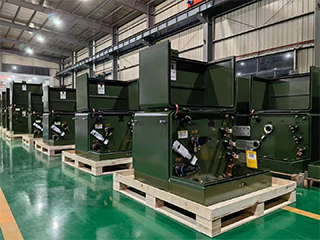
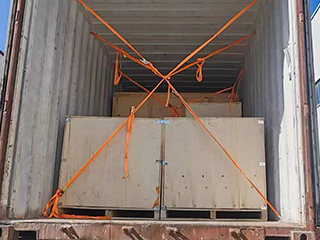
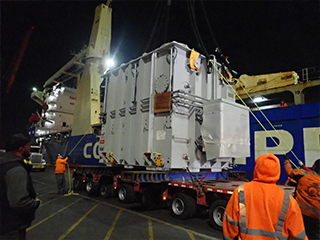
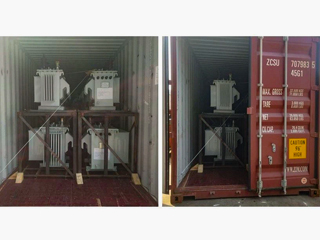
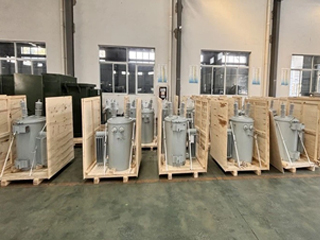
Packing the 300 kV 31.5/40 MVA high voltage power transformer demands precision to safeguard against transit hazards, beginning with inert gas purging to eliminate oxygen and moisture risks. The assembly is secured on vibration-dampening pallets with polyethylene shrouds and corrosion-inhibiting films, housed in heavy-duty composite crates meeting ISO 668 standards for structural integrity. Internal supports use expandable foams and GPS-enabled shock sensors to log impacts, with clear labeling for high-voltage handling per UN recommendations. This setup passes rigorous ASTM D5276 drop tests, ensuring component alignment remains intact.
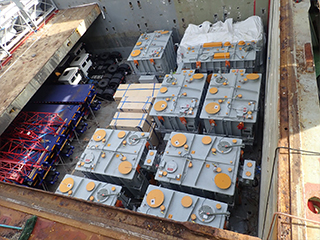
Logistics planning accommodates oversized dimensions through specialized carriers, utilizing extendable trailers with electronic stability control for terrestrial moves and securing over-dimensional clearances. Ocean shipments employ flat-rack containers with weatherproof tarps, compliant with IMO IMDG codes for hazardous goods, including temperature-controlled holds to prevent thermal expansion. Real-time satellite tracking integrates with blockchain for tamper-proof documentation, while comprehensive marine insurance mitigates risks from rough seas.
Seamless international coordination involves pre-clearance with customs brokers, leveraging digital e-certificates for faster border processing under WTO rules. For expedited needs, hybrid air-sea routes use wide-body aircraft with electromagnetic shielding, transitioning to barges for inland delivery. Eco-conscious materials like reusable crates align with ISO 14067 carbon footprint standards, minimizing waste.
Upon destination arrival, protocols feature supervised de-packing with humidity checks and immediate dielectric testing to verify no degradation. Project timelines average 5-13 weeks, managed by expert coordinators to align with grid commissioning schedules, ensuring minimal disruption to energy infrastructure.
Logistics planning accommodates oversized dimensions through specialized carriers, utilizing extendable trailers with electronic stability control for terrestrial moves and securing over-dimensional clearances. Ocean shipments employ flat-rack containers with weatherproof tarps, compliant with IMO IMDG codes for hazardous goods, including temperature-controlled holds to prevent thermal expansion. Real-time satellite tracking integrates with blockchain for tamper-proof documentation, while comprehensive marine insurance mitigates risks from rough seas.
Seamless international coordination involves pre-clearance with customs brokers, leveraging digital e-certificates for faster border processing under WTO rules. For expedited needs, hybrid air-sea routes use wide-body aircraft with electromagnetic shielding, transitioning to barges for inland delivery. Eco-conscious materials like reusable crates align with ISO 14067 carbon footprint standards, minimizing waste.
Upon destination arrival, protocols feature supervised de-packing with humidity checks and immediate dielectric testing to verify no degradation. Project timelines average 5-13 weeks, managed by expert coordinators to align with grid commissioning schedules, ensuring minimal disruption to energy infrastructure.
32
32 years of industry experience
Manufacturer Test
300 kV 31.5MVA 40 MVA High Voltage Power Transformer
Progress test
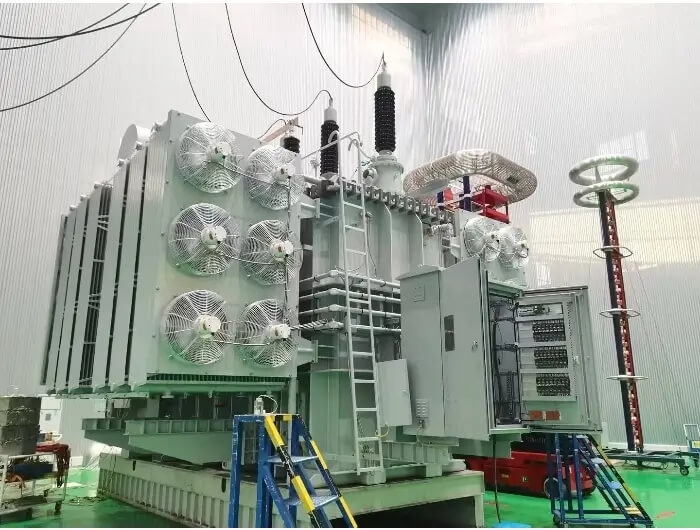
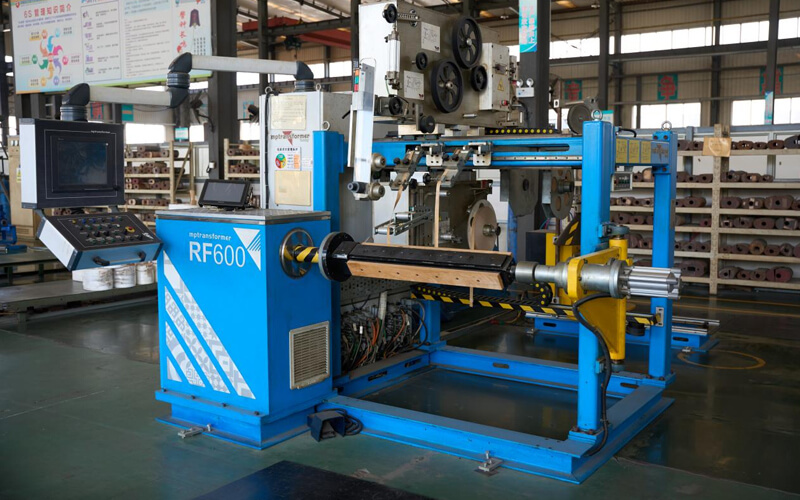
Progress evaluations during fabrication of the 300 kV 31.5/40 MVA high voltage power transformer adhere to IEC 60076 phased protocols. Core material testing employs permeameter analysis for magnetic properties to ensure low hysteresis. Winding progression includes surge withstand assessments with impulse generators to spot insulation flaws promptly. Fabrication of the tank involves hydrostatic pressure trials to validate seam strength against leaks. Mid-assembly dielectric spectroscopy measures aging factors in composites. Fan and pump systems undergo efficiency simulations via CFD modeling for optimal airflow. These checkpoints, per ANSI C57.12.90, permit timely optimizations, delivering a transformer primed for high-reliability transmission.
Design Tests
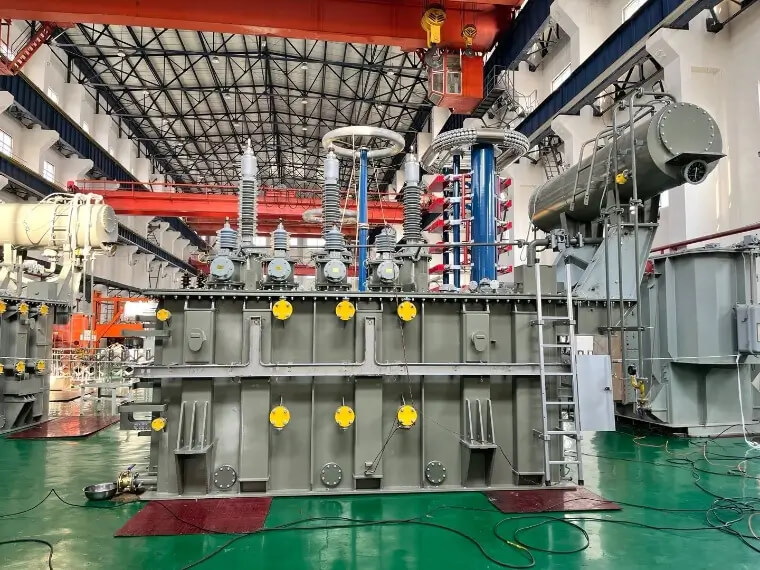
All transformers will be tested after finishing the production test items as below:
♦ Leak testing with pressure for liquid-immersed transformers
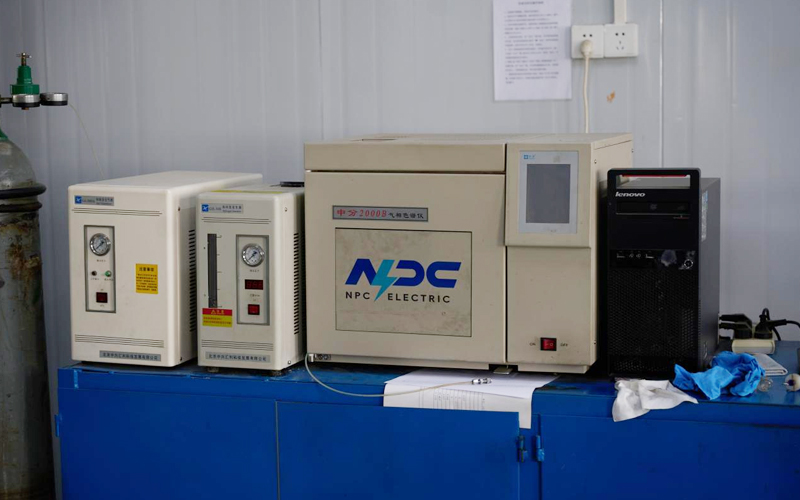
♦ Test of transformer oil
♦ Measurement of voltage ratio and check of phase displacement
♦ Measurement of winding DC resistance
♦ Measurement of d. c. Insulation resistance between each winding to earth, and check of the core and frame insulation
♦ Capacitive bushing test
♦ Measurement of dissipation factor (tan δ) of the insulation system capacitances, and determination of capacitances windings-to-earth
♦ Measurement of no-load loss and current at 90%,100%,110% of rated voltage
♦ Operation test on on-load tap-changer
♦ Measurement of short-circuit impedance and load loss
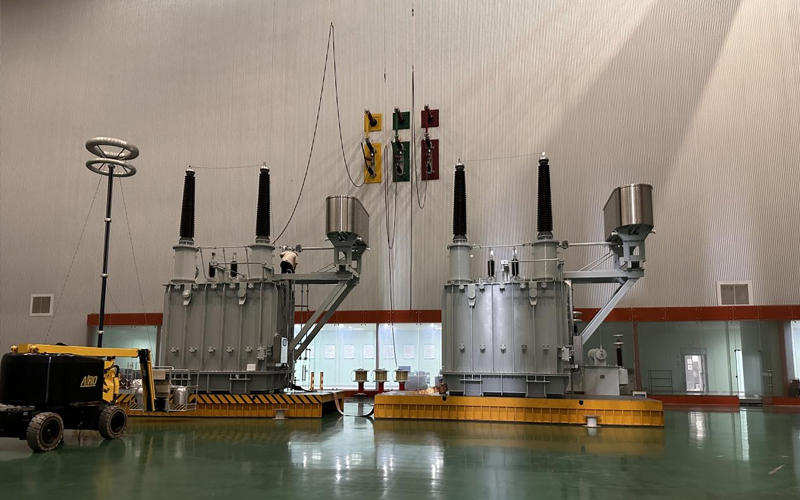
♦ Lightning impulse test
♦ Induced-voltage test with partial discharge measurement
♦ Auxiliary wiring check
♦ Current transformer test
♦ Frequency response analysis test
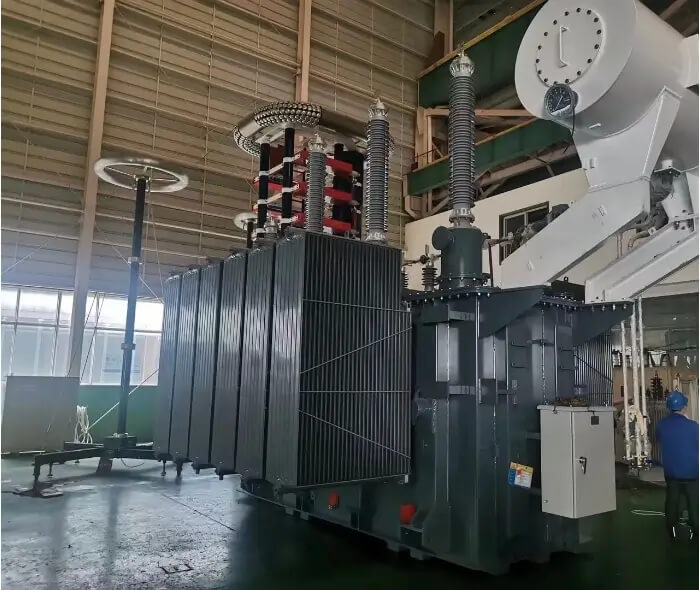
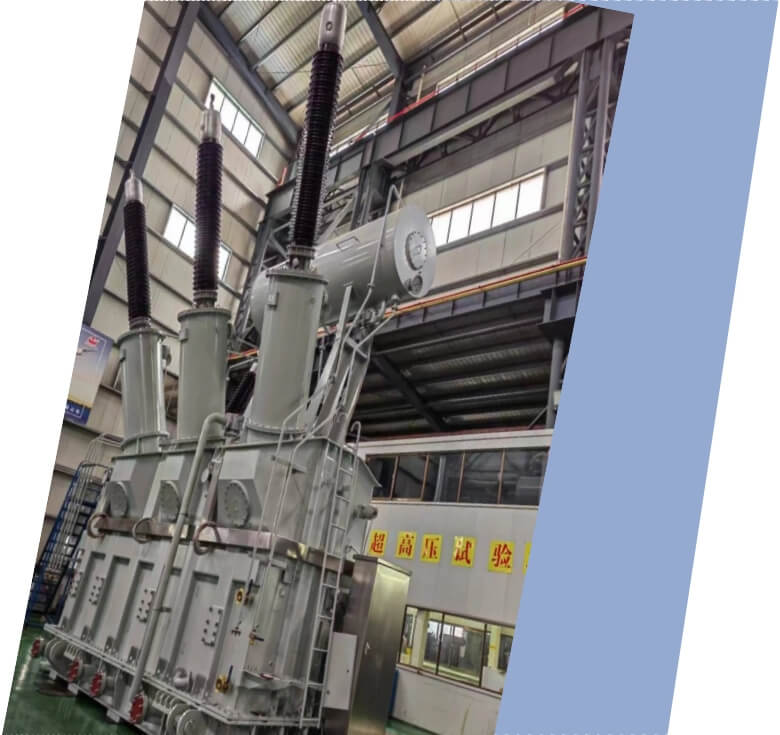
Transformer Factory Acceptance Test
The validation regimen for the 300 kV 31.5/40 MVA high voltage power transformer encompasses specialized IEC 60076 assessments. Vector group verification employs phasor diagrams for connection integrity. Elevated voltage endurance applies 130% ratings to probe insulation limits. Thermal cycling simulates operational heat via infrared mapping. Vibration analysis quantifies resonance per ISO 10816. Enclosure pressure tests confirm vacuum tolerance. Auxiliary relay calibrations ensure protection syncing. Switching surge simulations with 1.2/50 μs pulses evaluate arrester compatibility. Fluid purity hits 75 kV breakdown, validating for transmission deployment.
Routine Test - Induced Voltage
Purpose of Testing
The purpose of the Induced Voltage test is to simulate the electrical stress that the equipment may encounter under actual working conditions by applying an induced voltage, thereby evaluating the tolerance and stability of the equipment's insulation system. This test helps to detect the insulation performance of the equipment under high voltage conditions and ensure its safety and reliability in operation.
Testing Equipment
Induced Voltage Tester (e.g. OMICRON, Megger, HioKI, etc.)
AC voltage source, commonly 2 kV, 5 kV, 10 kV, or customized according to test requirements.
Environmental thermometer and hygrometer, used to record the temperature and humidity of the environment for appropriate test evaluation.
AC voltage source, commonly 2 kV, 5 kV, 10 kV, or customized according to test requirements.
Environmental thermometer and hygrometer, used to record the temperature and humidity of the environment for appropriate test evaluation.
Pre-Test Preparation
Disconnect all relevant power supplies and ensure that the equipment is properly grounded and discharged.
Check the connection wires and terminals to ensure they are secure and free of contamination.
Test under suitable environmental conditions: relative humidity below 75%, no rain (recommended temperature: 20-30°C).
Check the connection wires and terminals to ensure they are secure and free of contamination.
Test under suitable environmental conditions: relative humidity below 75%, no rain (recommended temperature: 20-30°C).
Test Progress
Connect the Test Instrument:
Connect the test equipment to the appropriate terminals or bushings of the device under test, ensuring that the connections are secure and properly grounded.
Apply Test Voltage:
Select the appropriate induction voltage according to the rated voltage and standard of the equipment.
Connect the test equipment to the appropriate terminals or bushings of the device under test, ensuring that the connections are secure and properly grounded.
Apply Test Voltage:
Select the appropriate induction voltage according to the rated voltage and standard of the equipment.
Test Standard
IEC 60076 Oil-immersed power transformers
Measure and Record
Start the test and record the following parameters:
Induced Voltage
Applied Current
Voltage peak, stability and waveform (waveform analysis)
Any abnormal current or voltage changes during the measurement process.
Induced Voltage
Applied Current
Voltage peak, stability and waveform (waveform analysis)
Any abnormal current or voltage changes during the measurement process.
Temperature Correction
The measured induced voltage data is corrected to the reference temperature (usually 20°C) to ensure the accuracy of the test results.
Repeat Testing (if necessary)
If necessary, test different windings (HV, MV, LV) and bushings separately and compare the results at different test points.
Evaluation Criteria (Reference)
Inductive voltage ≤ 1% (Excellent): normally and meets safety standards.
1% < Inductive voltage ≤ 3% (Good): still within acceptable range.
Inductive voltage > 3% : faulty or not meet safety requirements and requires further analysis and repair.
1% < Inductive voltage ≤ 3% (Good): still within acceptable range.
Inductive voltage > 3% : faulty or not meet safety requirements and requires further analysis and repair.
*These comprehensive tests ensure that each transformer meets performance standards and operates
reliably under various conditions.
Application
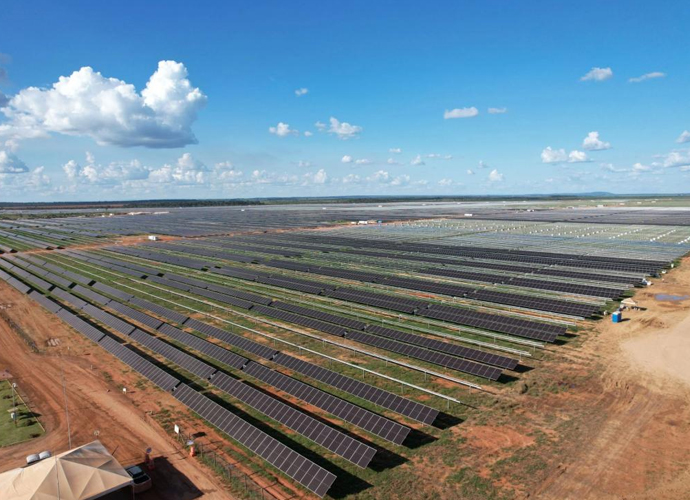
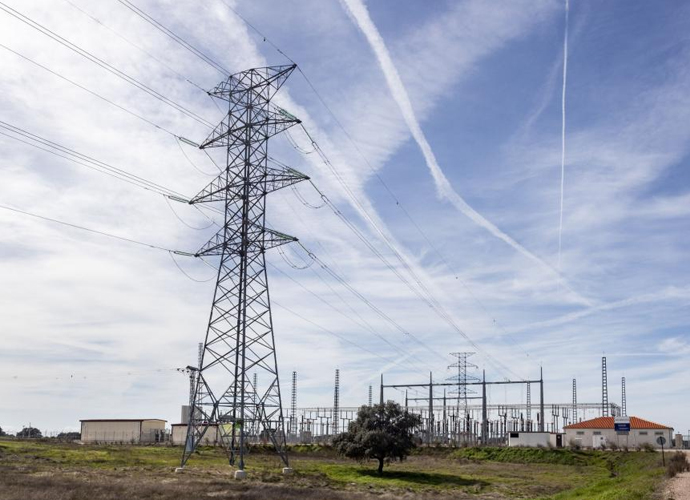
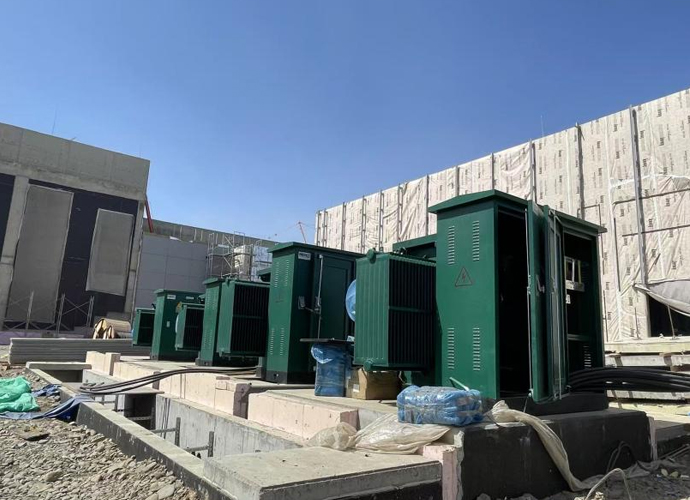
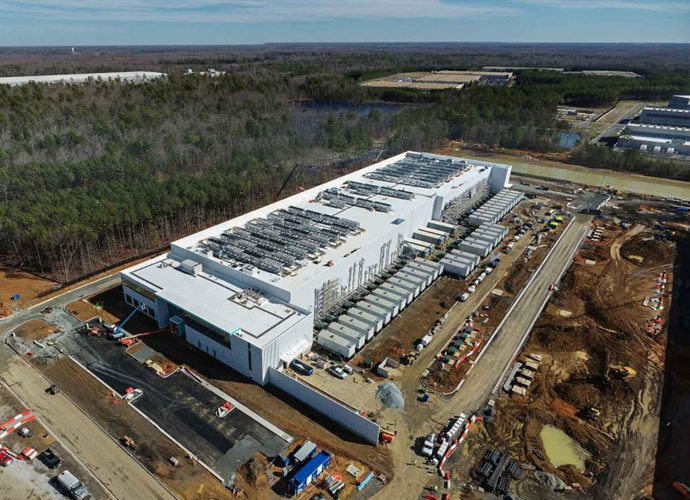
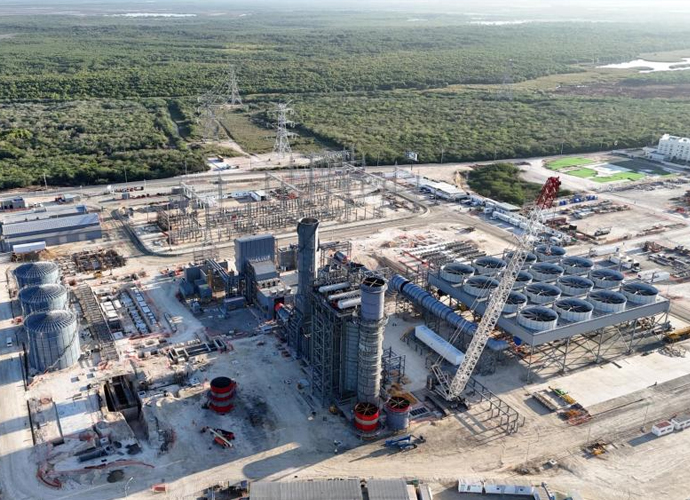
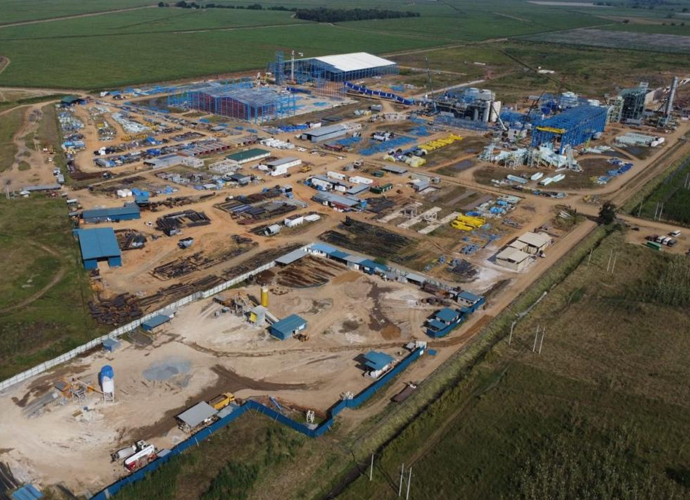
Utilized in high-voltage transmission lines, the 300 kV transformer down-converts power for regional substations, bolstering stability in wind-integrated grids across vast terrains.


Technical Advantages
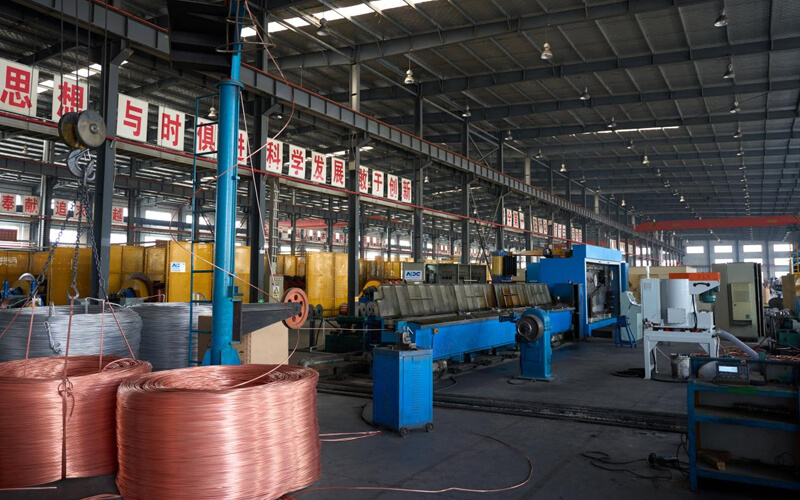
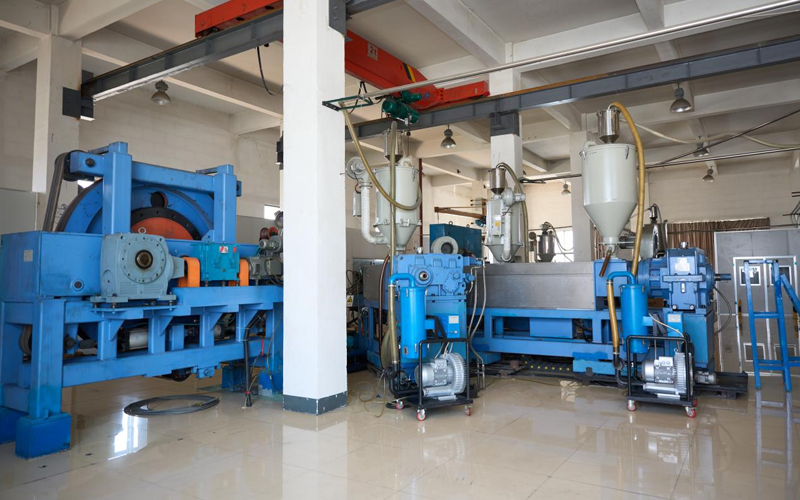
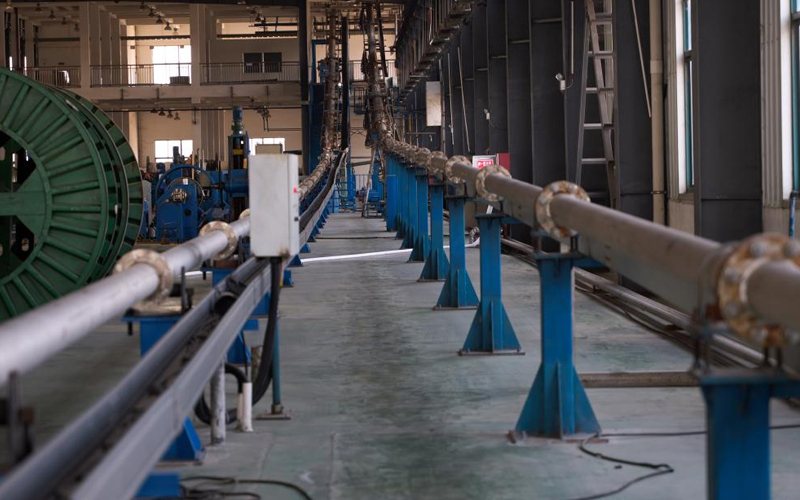
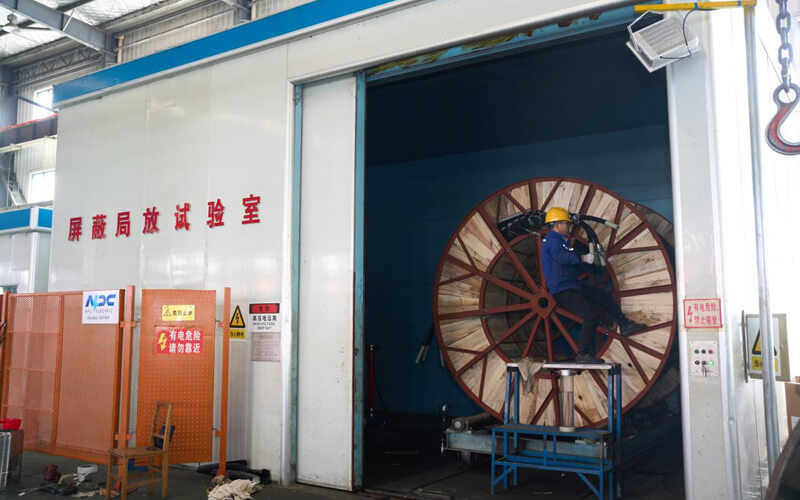
● 30+ years of manufacturing experience
● ISO and UL certified production
● Customized cable and transformer solutions
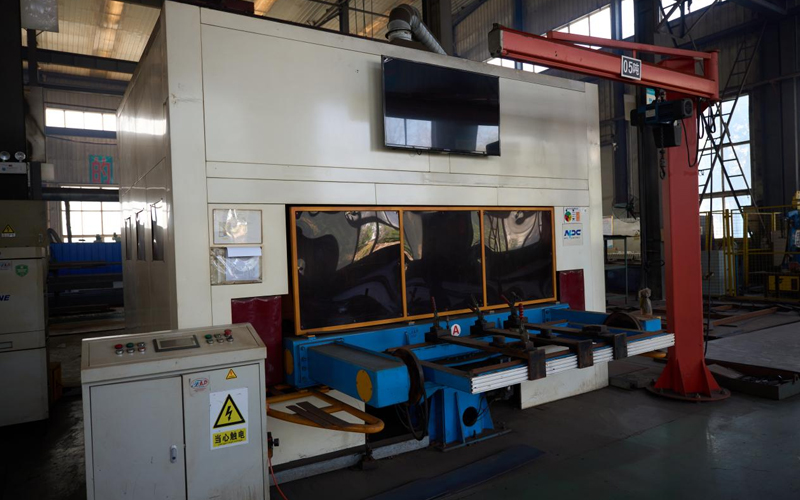
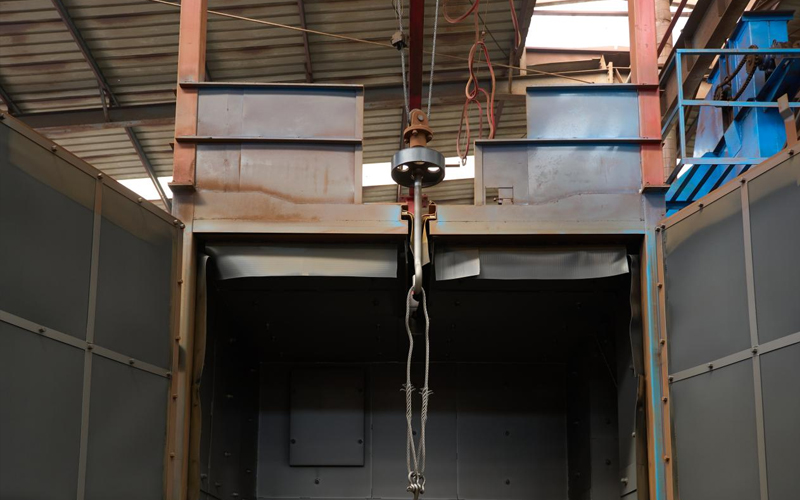
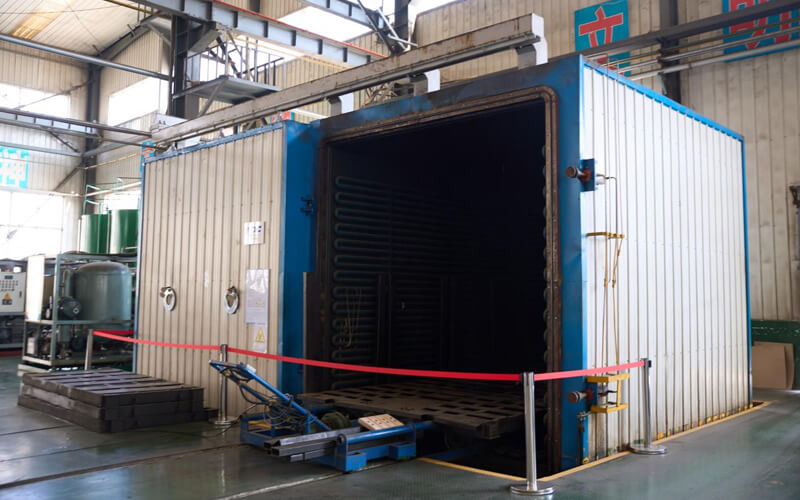
Product Packaging
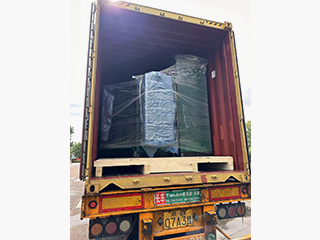
Transformers Packaging (1)
Transformers Packaging (2)
Transformers Packaging (3)
Transformers Packaging (4)
Transformers Packaging (5)
Transformers Packaging (6)
Transformers Packaging (7)
Transformers Packaging (8)
Related Products
1250kVA Oil Immersed Transformer
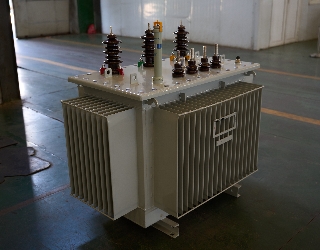
NPC ELECTRIC's 1250kVA oil-immersed transformer adopts advanced design and manufacturing technology and complies with international power equipment standards (such as IEC, ANSI, IEEE, etc.). Its high-quality materials and strict quality control ensure the long-term reliability and safety of the equipment. The transformer has high efficiency and stable power transmission performance and is widely used in industrial, commercial, and power systems. With low operating noise and reliable voltage regulation, the transformer is well suited for industrial facilities, commercial complexes, and utility distribution networks.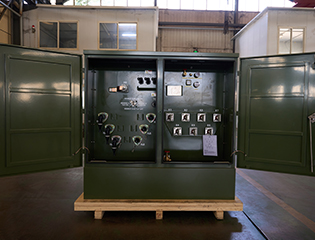
2000kVA Three Phase Pad Mounted Transformer
2000kVA Three Phase Pad Mounted transformer adopts a fully sealed oil-immersed design, which complies with international standards such as IEC, ANSI and GB. It has the characteristics of high efficiency, low loss and strong weather resistance. It is widely used in industrial parks, commercial complexes, power companies and new energy projects, and is particularly suitable for medium and large load environments that require both stable power supply and energy saving.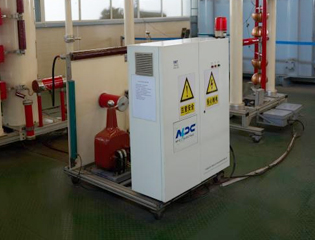
3000kVA Dry Type Transformer
3000kVA Dry Type Transformer is a high-performance, reliable power solution designed to meet the needs of large industrial and commercial facilities. With a 3000kVA capacity, it utilizes advanced dry-type insulation, ensuring exceptional safety, minimal maintenance, and extended durability. Built for demanding environments, this transformer provides stable, efficient, and low-noise operation while minimizing environmental impact. The NPC ELECTRIC 3000kVA Dry Type Transformer is the ideal choice for ensuring reliable and efficient power distribution in large-scale applications. Core features include three-phase design, primary voltages 208V–600V (e.g., 480V Delta, 600V Delta), secondary voltages such as 208Y/120V, 480Y/277V, or custom, aluminum or copper windings, 150°C rise (standard) or 115°C/80°C with 220°C insulation class, ±2×2.5% primary taps, NEMA 1 ventilated enclosure (NEMA 3R/encapsulated options), natural convection cooling (AN), electrostatic shielding, and low sound levels per NEMA.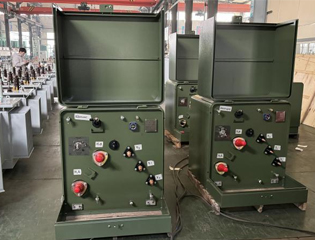
5kVA Conventional Type Single Phase Pole Mounted Transformer
NPC ELECTRIC has been focusing on the production of 5kVA Conventional Type Single Phase Pole Mounted transformer for decades, complying with international standards such as IEC 60076, ISO 9001, IEEE C57.12.00, etc. to ensure its safety, performance, and reliability. NPC ELECTRIC’s 5kVA conventional single-phase pole-mounted transformer is a small power transformer equipment, usually installed on power poles. This transformer is widely used in daily life and small industrial fields for its reliability and efficient power conversion capabilities, ensuring a stable and safe power supply. The transforming primary voltages from 2.4kV to 34.5kV (such as 12470Y/7200, 13200Y/7620, or 14400GrdY/8320) to secondary outputs like 120/240V split-phase or 277V. Featuring an interlaced core for surge resistance, high-grade silicon steel, and aluminum or copper windings.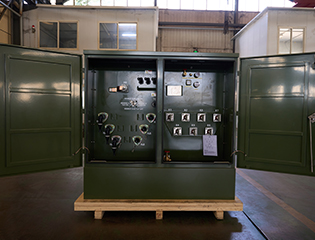
1600kVA Three Phase Pad Mounted Transformer
The 1600kVA Three Phase Pad Mounted Transformer is a robust, liquid-immersed, self-cooled distribution transformer designed for reliable underground power delivery in high-demand environments. Built to exceed IEEE C57.12.34, ANSI C57.12.00, DOE 2016 efficiency standards, and CSA C802.3 requirements, this UL-listed compartmental-type unit features dead-front high-voltage bushings (200A loadbreak inserts), loop-feed or radial configurations, and a fully sealed tank with mineral oil or eco-friendly FR3 fluid options.Suitable for primary voltages like 12.47kV, 13.8kV, 24.94kV, or 34.5kV to secondary 480Y/277V or 208Y/120V, it provides overload capability, low maintenance, and enhanced fire safety for modern grid integration.
3150kVA Oil Immersed Transformer
3150kVA Oil Immersed Transformer is a high-capacity three-phase power transformer optimized for efficient voltage transformation in 50/60Hz AC medium-voltage networks, with primary ratings commonly at 11kV, 22kV, 33kV, or 35kV (adaptable to 10–38.5kV) and secondary at 0.4kV, 0.69kV, 6.3kV, 10kV, or 11kV. Employing advanced high-permeability grain-oriented silicon steel core (S13/S20 series compliant) for dramatically reduced no-load losses (typically 3200–5400W), high-purity copper windings, and premium insulating oil (IEC 60296 compliant, dielectric >60kV/2.5mm), it achieves low load losses (around 18–22kW at 75°C), strong overload capability (up to 150–180% short-duration), noise below 65dB, and efficiency exceeding 99%.This transformer minimizes operational expenses, transmission losses, and environmental impact in large-scale industrial, utility, and renewable setups.FAQ From Customers
-
What is a Transformer?A transformer is an electrical device used to change the voltage of alternating current (AC). It works on the principle of electromagnetic induction, converting high-voltage current into low-voltage current or low-voltage current into high-voltage current. Transformers are widely used in power transmission, distribution systems, and various electronic devices.
-
What are the main uses of a transformer?The main use of a transformer is voltage conversion. Transformers are used in power transmission systems to help transfer electricity from power plants to consumers. In addition, transformers are also used in electronic devices such as chargers, televisions, power adapters, etc., to adjust the voltage to meet the requirements of different devices.
-
Do you have UL listed?Yes, our transformer has UL listed. We have exported to America many pad mounted transformer,substation transformer and HV.
Welcome your inquiry
Honesty, Integrity, Frugality, Activeness and Passion