
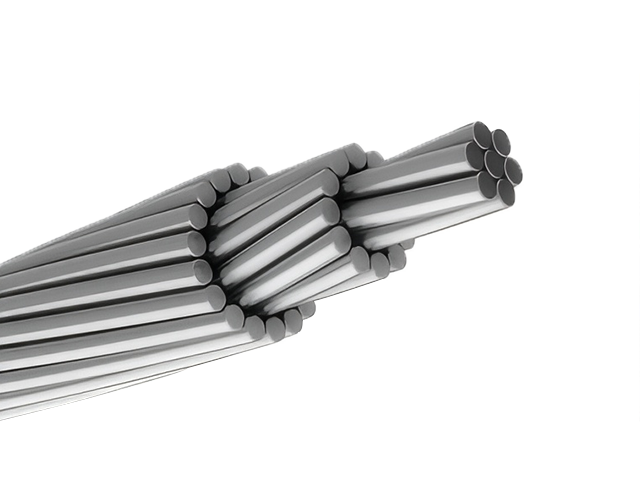

Quail ACSR Conductor Cable
Introducing the Quail ACSR Conductor Cable, a versatile 2/0 AWG overhead conductor with 6/1 stranding configuration. Composed of EC grade aluminum wires surrounding a galvanized steel core, it achieves a rated strength of 4,030 lbs and ampacity up to 250A at 75°C. Adhering to ASTM B230 for aluminum and B232 for assembly, this cable excels in corrosion resistance and mechanical endurance for spans up to 250m. The steel core enhances tensile strength to control sag under loads, while aluminum provides high conductivity (61.5% IACS) and a lightweight design for easier installation. Suitable for distribution voltages up to 138kV, the Quail ACSR Conductor Cable reduces line losses and withstands extreme weather, including ice loads up to 1/2 inch. Its economic profile makes it a staple for utility expansions, renewable integrations, and grid modernization, delivering consistent power with high weather tolerance and minimal maintenance in global overhead networks.
- International Designation Quail
Construction
Technical Specifications
Quality Control
Application
Construction
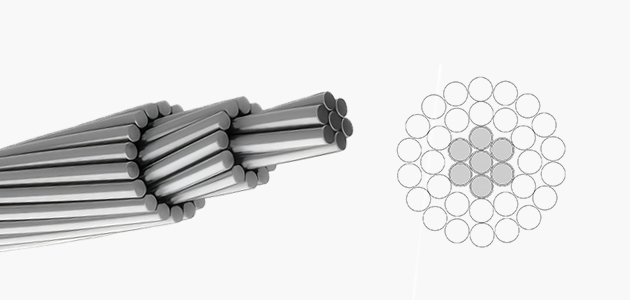
Quail ACSR Conductor Cable Construction
Standard
Product ASTM B232
The use of Aluminium as a material for electrical conductors has greatly applications mainly due to its good electrical properties. However, Aluminum conductors for most of the transmission and distribution lines require an additional mechanical support. Commonly it is used galvanized steel wires are used for the cores of ACSR.
The use of Aluminium as a material for electrical conductors has greatly applications mainly due to its good electrical properties. However, Aluminum conductors for most of the transmission and distribution lines require an additional mechanical support. Commonly it is used galvanized steel wires are used for the cores of ACSR.
Construction
ACSR is a concentrically stranded conductor with one or more layers of Aluminium wire hard-drawn 1350-H19 on the galvanized steel wire core. The core may be single wire or stranded, depending on the size. Steel wire is available in Class A or B galvanization as corrosion protection.
ACSR is according to the electrical and mechanical strength requirements of transmission or distribution lines, can provide an appropriate design combining the quantity of Aluminium and galvanized steel wires.
ACSR is according to the electrical and mechanical strength requirements of transmission or distribution lines, can provide an appropriate design combining the quantity of Aluminium and galvanized steel wires.
Applications
Widely used as bare cable for overhead transmission lines and also as primary and secondary bare cable for distribution lines.
Conditions for Ampacity Calculation
Conductor temperature = 75 °C;
Room temperature = 25 °C
Room temperature = 25 °C
Technical Specifications
Quail ACSR Conductor Cable
Quail ACSR Conductor Cable
| Construction characteristics | |
| Type of cable | Quail |
| Type of conductor | Circular, stranded |
| Conductor material | aluminum / Steel Core |
| Conductor flexibility | Class A |
| Conductor shape | Circular non compacted |
| Dimensional characteristics | |
| Conductor cross-section (AWG/KCMIL) | 2/0 |
| Aluminium cross-section | 67.33 mm² |
| Number of aluminium wires | 6 |
| Diameter of aluminium wires | 3.78 mm |
| Number of steel wires | 1 |
| Diameter of steel wires | 3.78 mm |
| Conductor diameter | 11.34 mm |
| Average geometric radius | 0.00436 m |
| Aluminium content | 215.5 kg/km |
| Steel content | 87.3 kg/km |
| Approximate weight | 302.8 kg/km |
| Conductor cross-section | 78.55 mm² |
| Maximum outer diameter | - mm |
| Nominal outer diameter | 11.34 mm |
| Number of cores | 1 |
| Number of round wires | - |
| Electrical characteristics | |
| Max. DC resistance of the conductor at 20°C | 0.4261 Ohm/km |
| Max. electric resistance AC 60Hz 75°C | 0.577 Ohm/km |
| Inductive reactance | 0.41 Ohm/km |
| Capacitive reactance | 0.2469 MOhm.km |
| Ampacity | 280.0 A |
| Rated Voltage Uo/U (Um) | - |
| Mechanical characteristics | |
| Rated breaking load (Class A) | 2400 kgf |
| Rated breaking load (Class B) | 2322 kgf |
| Hardness type | 1350-H19 |
| Usage characteristics | |
| Length | 2130 m |
| Reel net weight | 580 kg |
| Packaging | Reel 100/60 |
| Fire resistant | - |
| Flame retardant | - |
Quality Control
Quail ACSR Conductor Cable
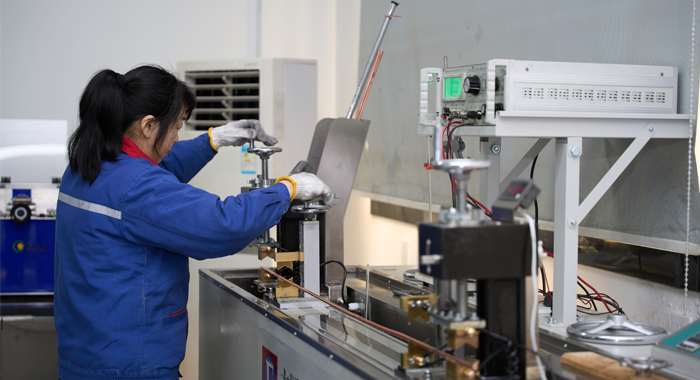
Raw Material Test
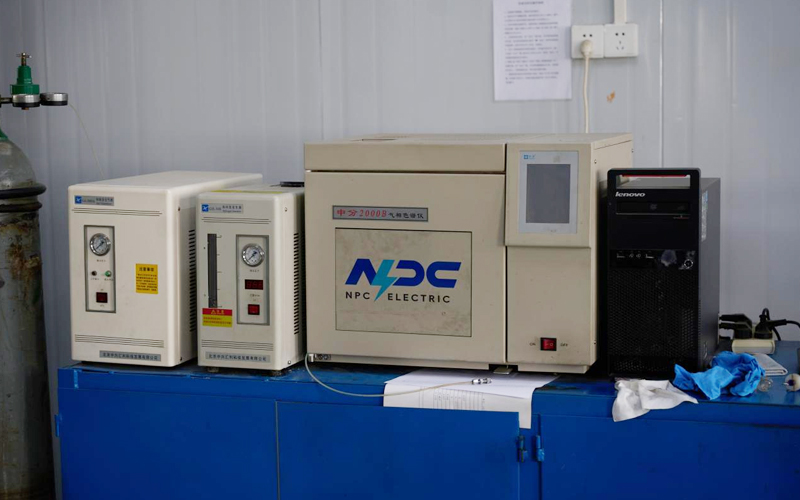
Raw material testing for the Quail ACSR Conductor Cable follows ASTM B230 and B498. Aluminum ingots are analyzed for chemical purity (Si<0.1%, Fe<0.2%) and hardness using spectrometers. Steel wires undergo carbon content (0.5-0.8%), galvanization thickness (259g/m² min), and torsion cycles (min 16). Joint compounds are checked for compatibility. The structured process: vendor documentation review, sample extraction, lab testing (hardness Rockwell B80 max), mechanical verification (aluminum tensile 145 MPa), corrosion chamber exposure, and pass/fail determination. This secures high-grade materials for the Quail ACSR Conductor Cable's balanced properties and overhead resilience.
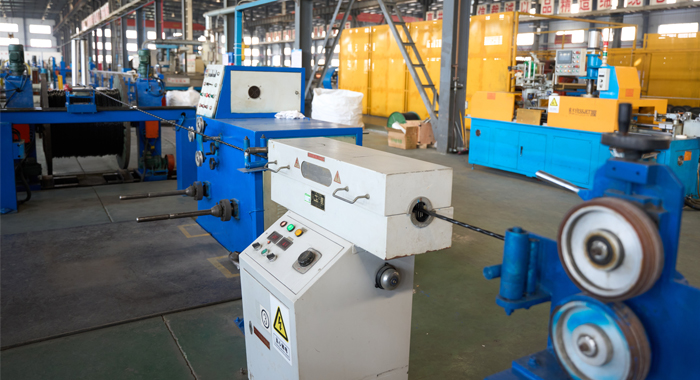
Process inspection
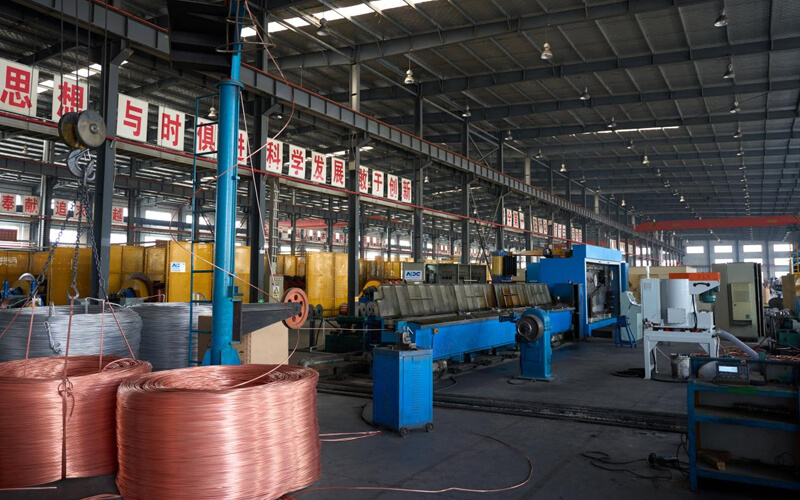
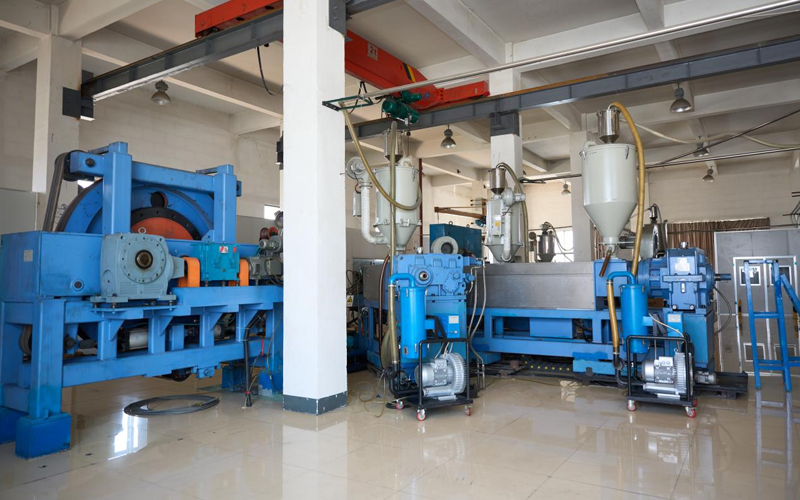
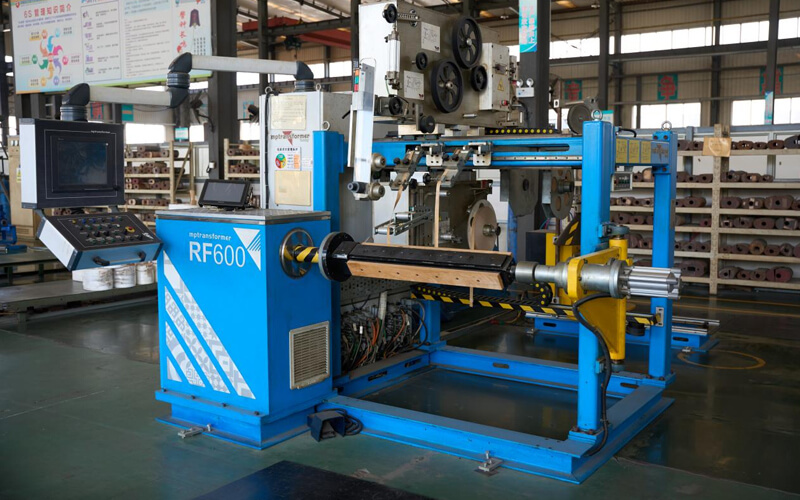
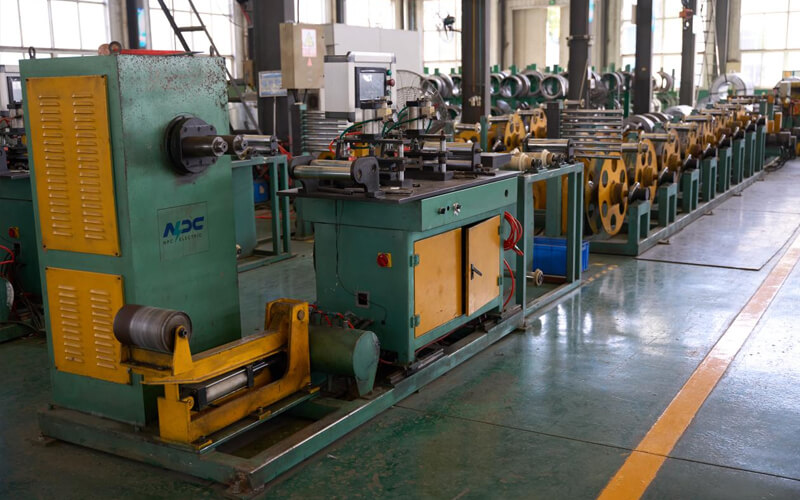
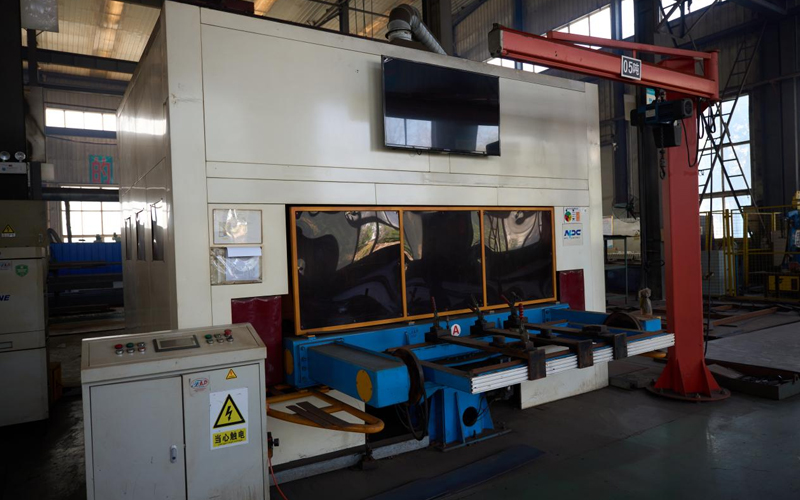
Process inspection in Quail ACSR Conductor Cable production ensures ASTM B232 adherence. Wire preparation ensures clean surfaces. The stranding machine calibrates for 6/1 configuration with die compression. Tension control prevents loosening. Lubrication application prevents galling. Reeling checks for even winding. Key steps: input material check, machine calibration (tension 500N), in-line diameter measurement, sample pull testing, flaw detection with ultrasonics, and rework for inconsistencies. This ensures the Quail ACSR Conductor Cable's tight stranding, even galvanization, and structural integrity for overhead use.
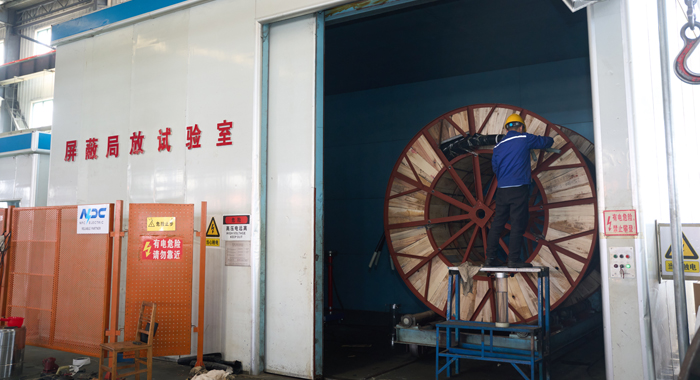
Finished Product
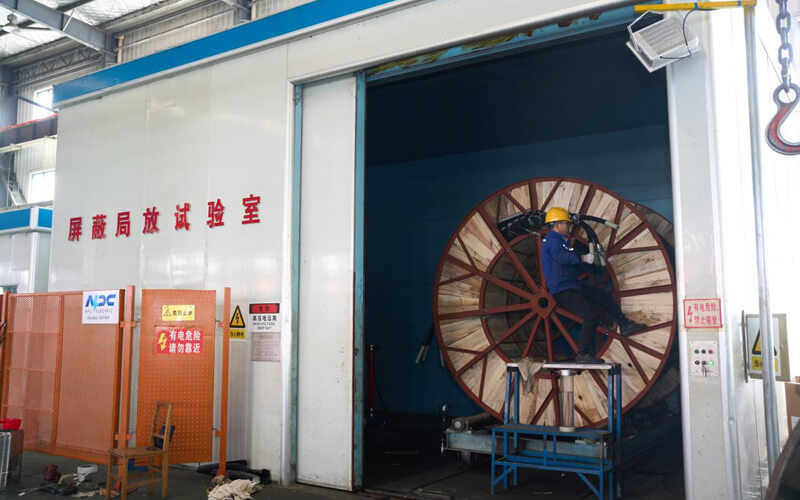
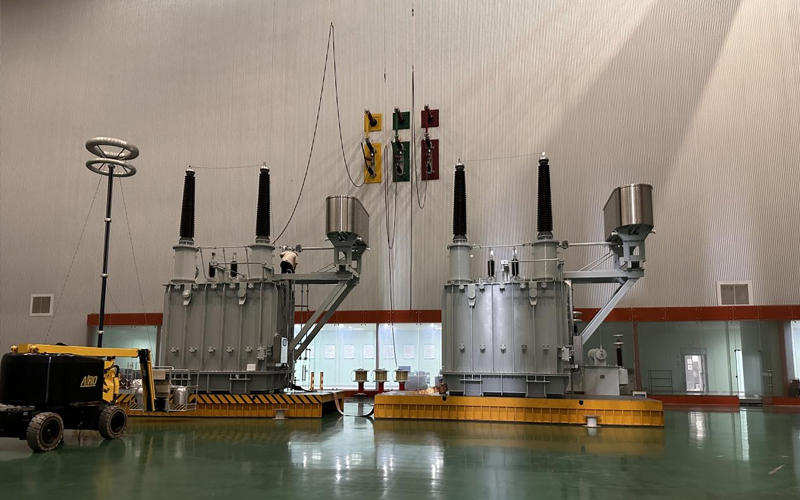
Finished Quail ACSR Conductor Cable testing confirms ASTM B232 compliance. Key tests: rated tensile strength (18 kN), conductivity, and weight verification. The process steps: end preparation, machine calibration, incremental tension to rupture, strain gauge recording, post-failure examination, and data logging. Corrosion tests: 500-hour salt spray. Additional: vibration (Aeolian) for endurance. Passing affirms the Quail ACSR Conductor Cable's low expansion coefficient, high fatigue life, and suitability for overhead transmission in dynamic conditions. Only cables passing all criteria are approved, confirming the Quail ACSR Conductor Cable's high strength-to-weight ratio, low sag, corrosion resistance, and reliable performance for overhead transmission lines.
Application
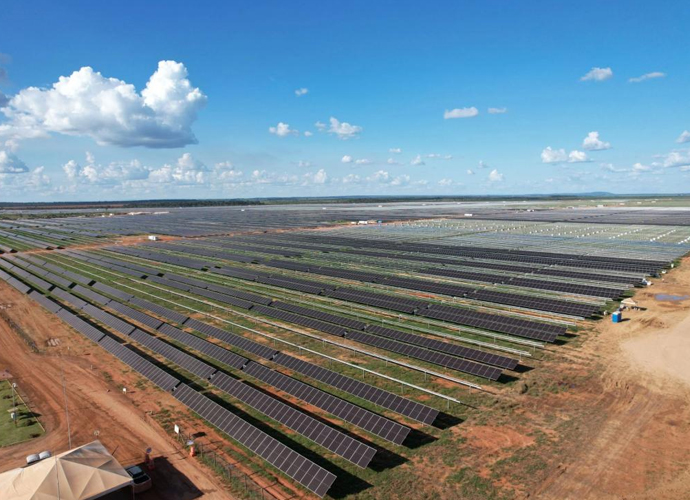
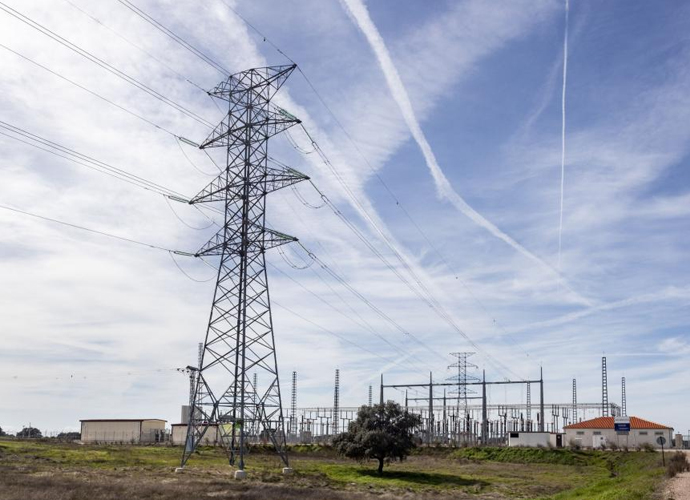
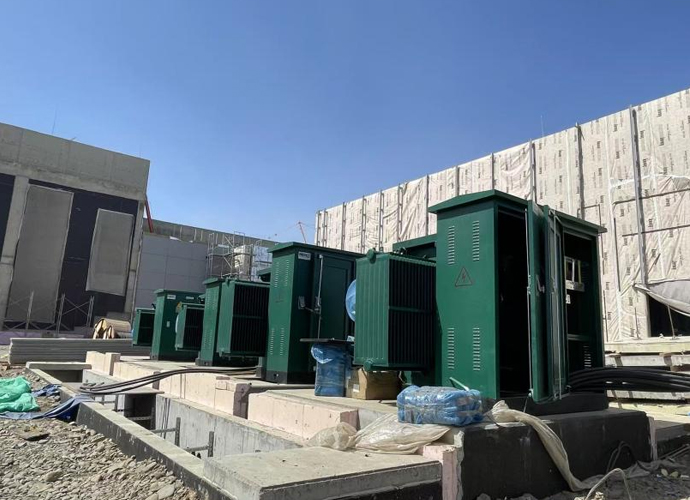
Quail ACSR Conductor Cable is ideal for overhead transmission and distribution lines in utility networks, rural electrification, and industrial power grids. Commonly used for spans up to 250m in light wind/ice areas, connecting substations to transformers for efficient 69-138kV service.

Technical Advantages
● 30+ years of manufacturing experience
● ISO and UL certified production
● Customized cable and transformer solutions
Product Packaging
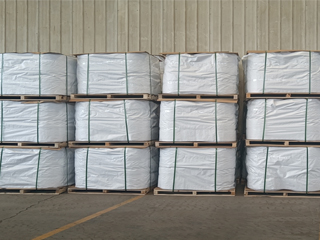
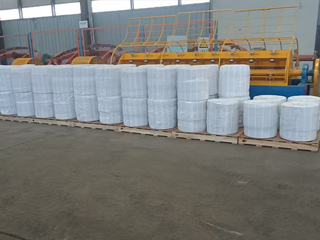
Wires and Cables packaging (1)
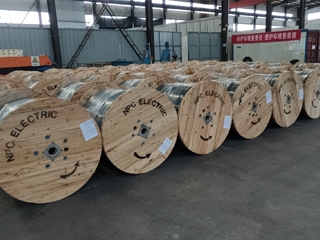
Wires and Cables packaging (2)
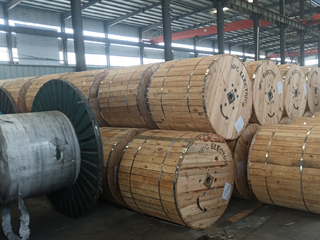
Wires and Cables packaging (3)
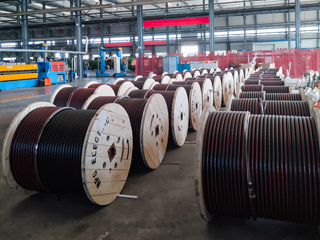
Wires and Cables packaging (4)
Wires and Cables packaging (5)
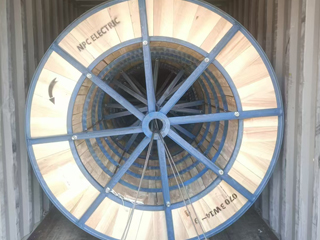
Wires and Cables packaging (6)
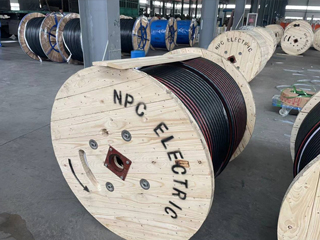
Wires and Cables packaging (7)
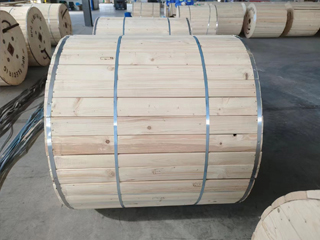
Wires and Cables packaging (8)
Related Products
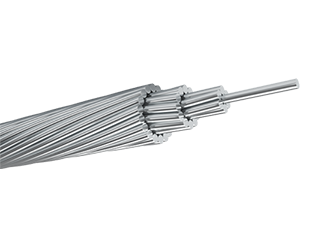
ELGIN AAAC Conductor Cable
ELGIN AAAC (All Aluminum Alloy Conductor) cables comply with ASTM B399 and IEC 61089 standards, offering high tensile strength, excellent conductivity, and strong corrosion resistance. Named "Elgin" for its 900 mm² nominal area with 61-strand configuration, it offers superior conductivity (53% IACS) and tensile strength (295 MPa min) compared to ACSR. Made from heat-treated aluminum-magnesium-silicon alloy (6201-T81), this cable provides excellent corrosion resistance, low weight, and reduced sag for longer spans. Compliant with ASTM B398, B399, IEC 61089, and BS EN 50182 standards, it supports voltages up to 33kV with ampacity up to 1300A at 75°C. The homogeneous alloy construction eliminates bimetallic corrosion and ensures uniform mechanical properties. The Elgin AAAC Conductor Cable minimizes line losses, withstands harsh weather, and requires minimal maintenance. Ideal for rural electrification, urban upgrades, and renewable energy integrations, it delivers reliable, cost-effective power in overhead lines worldwide, outperforming traditional conductors in corrosive or coastal environments.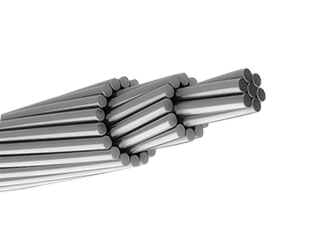
477 MCM HAWK ACSR Conductor Cable
The 477 MCM HAWK ACSR Conductor Cable is a robust and highly efficient Aluminium Conductor Steel Reinforced (ACSR) cable engineered for overhead transmission and distribution networks. It consists of 26 hard-drawn 1350-H19 aluminium wires concentrically stranded around 7 galvanized steel wires, delivering an optimal blend of electrical conductivity and mechanical strength. Designed and manufactured in accordance with ASTM B232, the HAWK configuration is well-suited for long-span overhead lines, where elevated tensile performance is required to withstand environmental loads like wind and ice. The galvanized steel core, available in Class A or B, offers superior corrosion resistance, while the aluminium strands ensure high current-carrying capacity with low resistivity. This conductor is a popular choice in transmission infrastructure due to its balance of strength, weight, and performance, making it a cost-effective and reliable solution in a wide range of operating environments.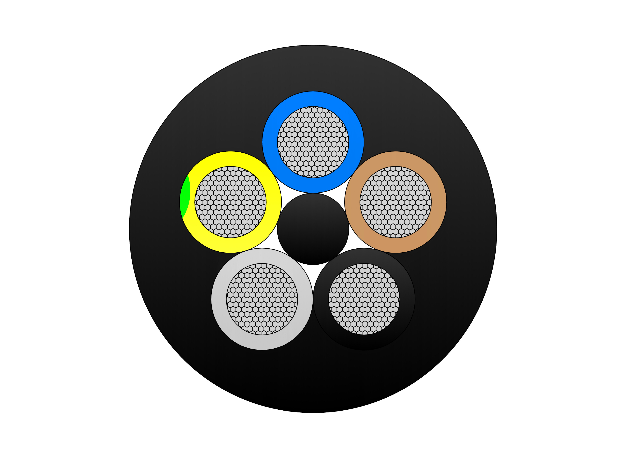
NTSCGECEWOU 3.6/6kV, 6/10kV, 8.7/15kV and 12/20kV Cable
The NTSCGECEWOU 3.6/6kV, 6/10kV, 8.7/15kV and 12/20kV Cable is a flexible, heavy-duty medium-voltage trailing/reeling cable designed for demanding mining and tunnelling operations. It features class 5 finely stranded tinned copper phase conductors for superior flexibility and corrosion resistance, semi-conductive conductor and insulation screens for field control, EPR (ethylene propylene rubber) insulation providing high dielectric strength and 90°C continuous operation, individual copper wire screens serving as earth conductors, control conductors, a monitoring conductor (ÜL), and a robust rubber outer sheath resistant to oil, flame, abrasion, tearing, and mechanical stress. Compliant with DIN VDE 0250, it supports high tensile loads, fast reeling speeds, tight bending radii, and effective EMC shielding across voltage ranges. The NTSCGECEWOU ensures safe, reliable MV power supply to mobile equipment such as shearers, tunnel boring machines, and conveyors in harsh underground and opencast environments, minimising downtime and enhancing operational efficiency.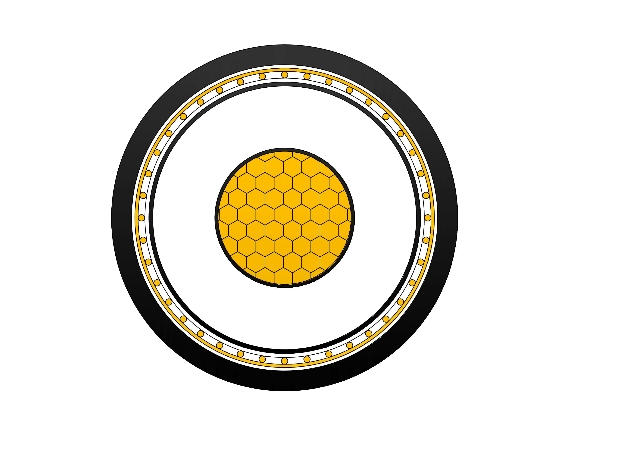
N2XS(F)2Y Medium Voltage Power Cable(6/10kV, 12/20kV, 18/30kV)
The N2XS(F)2Y Medium Voltage Power Cable is engineered for reliable power transmission in medium voltage networks operating at 6/10kV, 12/20kV, and 18/30kV. The cable features a copper conductor, XLPE insulation, and a longitudinally corrugated aluminum sheath that provides excellent moisture barrier performance and mechanical protection. The outer polyethylene sheath enhances resistance to chemicals, abrasion, and environmental stress. Designed in accordance with IEC standards, N2XS(F)2Y cables offer low dielectric losses, stable electrical performance, and long service life. The aluminum sheath also serves as an effective metallic screen, improving fault current capability and system safety. This construction makes the cable suitable for underground and outdoor installations where high reliability and environmental protection are essential.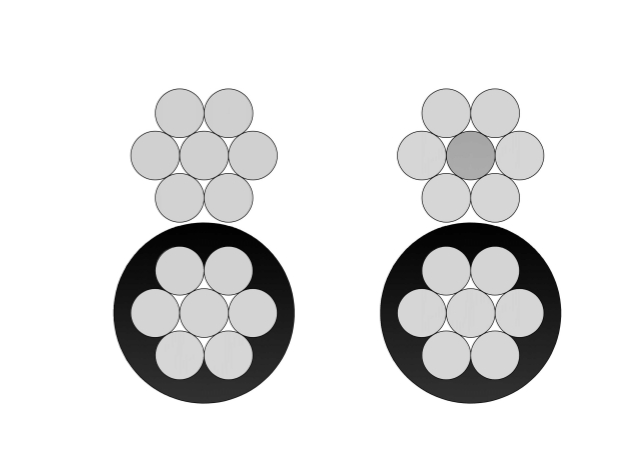
2 Doberman Aluminum Conductor Duplex Overhead Service Drop Cable
The 2 Doberman Aluminum Conductor Duplex Overhead Service Drop Cable is designed to provide efficient and dependable power delivery in overhead secondary distribution systems. Constructed with stranded aluminum conductors, the duplex configuration combines electrical conductivity with mechanical support for service drop installations. The No. 2 Doberman size is suitable for standard service drop spans, offering reliable load capacity with controlled sag under varying environmental conditions. Aluminum conductors reduce overall cable weight, simplify handling, and enhance corrosion resistance for long-term outdoor operation. Produced under strict quality management systems, the 2 Doberman Aluminum Conductor Duplex Overhead Service Drop Cable meets utility and ASTM requirements, making it a trusted solution for modern overhead service connections where safety, durability, and consistent performance are essential.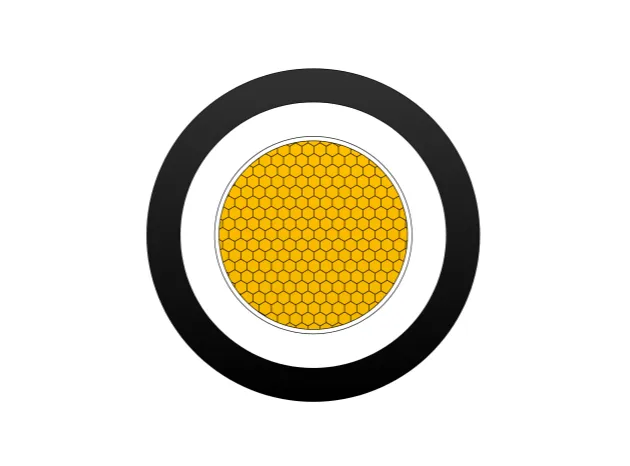
H01N2-D EN 50525-2-81 Welding Cable
The H01N2-D EN 50525-2-81 Welding Cable is an ultra-flexible, heavy-duty single-core cable specifically developed for professional welding applications. It features extremely fine-stranded class 5 copper conductors for maximum flexibility and high current-carrying capacity, heat-resistant rubber insulation and outer sheath providing excellent thermal stability (up to 85–90°C continuous, 200°C short-term), superior oil resistance, flame retardancy (IEC 60332-1), abrasion/tear resistance, and weatherproofing. Compliant with EN 50525-2-81 (HD 22.6 S2) standard and rated 100 V, it supports very tight bending radii, frequent reeling, and reliable performance even under intense mechanical stress and welding heat. The H01N2-D is the industry standard choice for electrode holders, earth returns, welding machines, and portable high-current connections in workshops, shipbuilding, construction, and industrial environments where extreme flexibility and durability are required.FAQ From Customers
-
What are the advantages of power cables and overhead lines?(1) Reliable operation, because it is installed in a hidden place such as underground, it is less damaged by external forces, has less chance of failure, and the power supply is safe, and it will not cause harm to people; (2) The maintenance workload is small and frequent inspections are not required; (3) No need to erect towers; (4) Help improve power factor.
-
Which aspects should be considered when choosing the cross section of a power cable?(1) The long-term allowable working current of the cable; (2) Thermal stability once short circuited; (3) The voltage drop on the line cannot exceed the allowable working range.
-
What are the measures for cable fire prevention?(1) Use flame-retardant cables; (2) Use fireproof cable tray; (3) Use fireproof paint; (4) Fire partition walls and fire baffles are installed at cable tunnels, mezzanine exits, etc.; (5) Overhead cables should avoid oil pipelines and explosion-proof doors, otherwise local pipes or heat insulation and fire prevention measures should be taken.
-
What should be paid attention to during the transportation and handling of cables?(1) During transportation, loading and unloading, cables and cable reels should not be damaged. It is strictly forbidden to push the cable reels directly from the vehicle. Generally, cables should not be transported and stored flat. (2) Before transporting or rolling the cable reel, ensure that the cable reel is firm, the cable is wound tightly, the oil pipe between the oil-filled cable and the pressure oil tank should be fixed without damage, the pressure oil tank should be firm, and the pressure indication should meet the requirements.
-
What inspections should be carried out for the acceptance of cable lines?(1) The cable specifications should meet the regulations, the arrangement should be neat, no damage, and the signs should be complete, correct and clear; (2) The fixed bending radius of the cable, the related distance and the wiring of the metal sheath of the single-core power cable should meet the requirements; (3) The cable terminal and the middle head should not leak oil, and the installation should be firm. The oil pressure of the oil-filled cable and the meter setting should meet the requirements; (4) Good grounding; (5) The color of the cable terminal is correct, and the metal parts such as the bracket are completely painted; (6) There should be no debris in the cable trench, tunnel, and bridge, and the cover should be complete.
Welcome your inquiry
Honesty, Integrity, Frugality, Activeness and Passion