
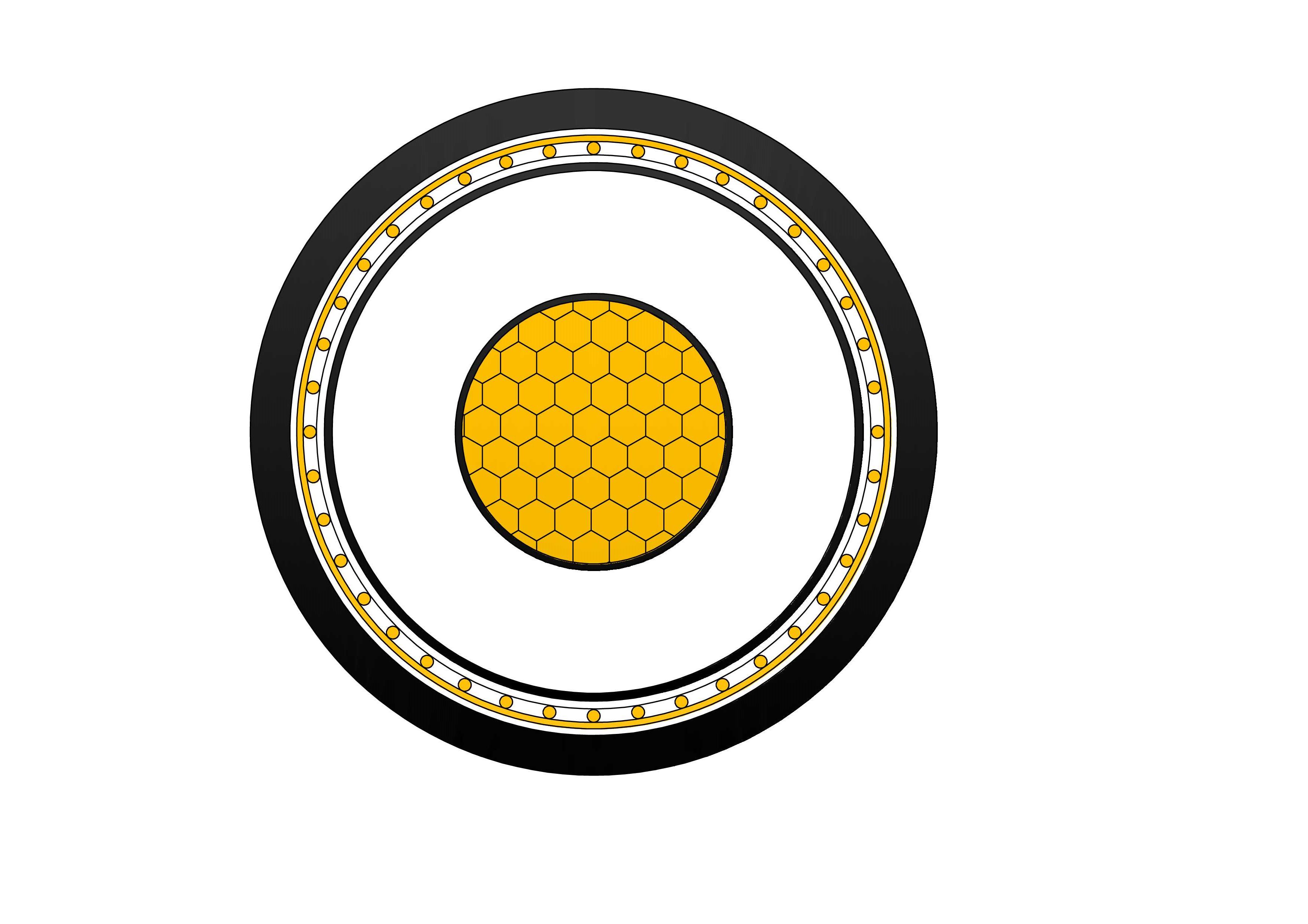

N2XS(F)2Y Medium Voltage Power Cable(6/10kV, 12/20kV, 18/30kV)
The N2XS(F)2Y Medium Voltage Power Cable is engineered for reliable power transmission in medium voltage networks operating at 6/10kV, 12/20kV, and 18/30kV. The cable features a copper conductor, XLPE insulation, and a longitudinally corrugated aluminum sheath that provides excellent moisture barrier performance and mechanical protection. The outer polyethylene sheath enhances resistance to chemicals, abrasion, and environmental stress. Designed in accordance with IEC standards, N2XS(F)2Y cables offer low dielectric losses, stable electrical performance, and long service life. The aluminum sheath also serves as an effective metallic screen, improving fault current capability and system safety. This construction makes the cable suitable for underground and outdoor installations where high reliability and environmental protection are essential.
-
Voltage Rating(Uo/U)
6/10 (12) KV
12/20 (24)KV
18/30 (36)KV -
Test Voltage
21kV AC 50Hz (5 mins)
42kV AC 50Hz (5 mins)
63kV AC 50Hz (5 mins) - Temperature Rating -40°C to +60°C
- Conductor Operating Temperature +90°C
- Short Circuit Temp up to 5 sec 250°C
- Minimum Bending Radius 15 x overall diameter
Construction
Technical Specifications
Quality Control
Application
Construction
N2XS(F)2Y Medium Voltage Power Cable Constrution
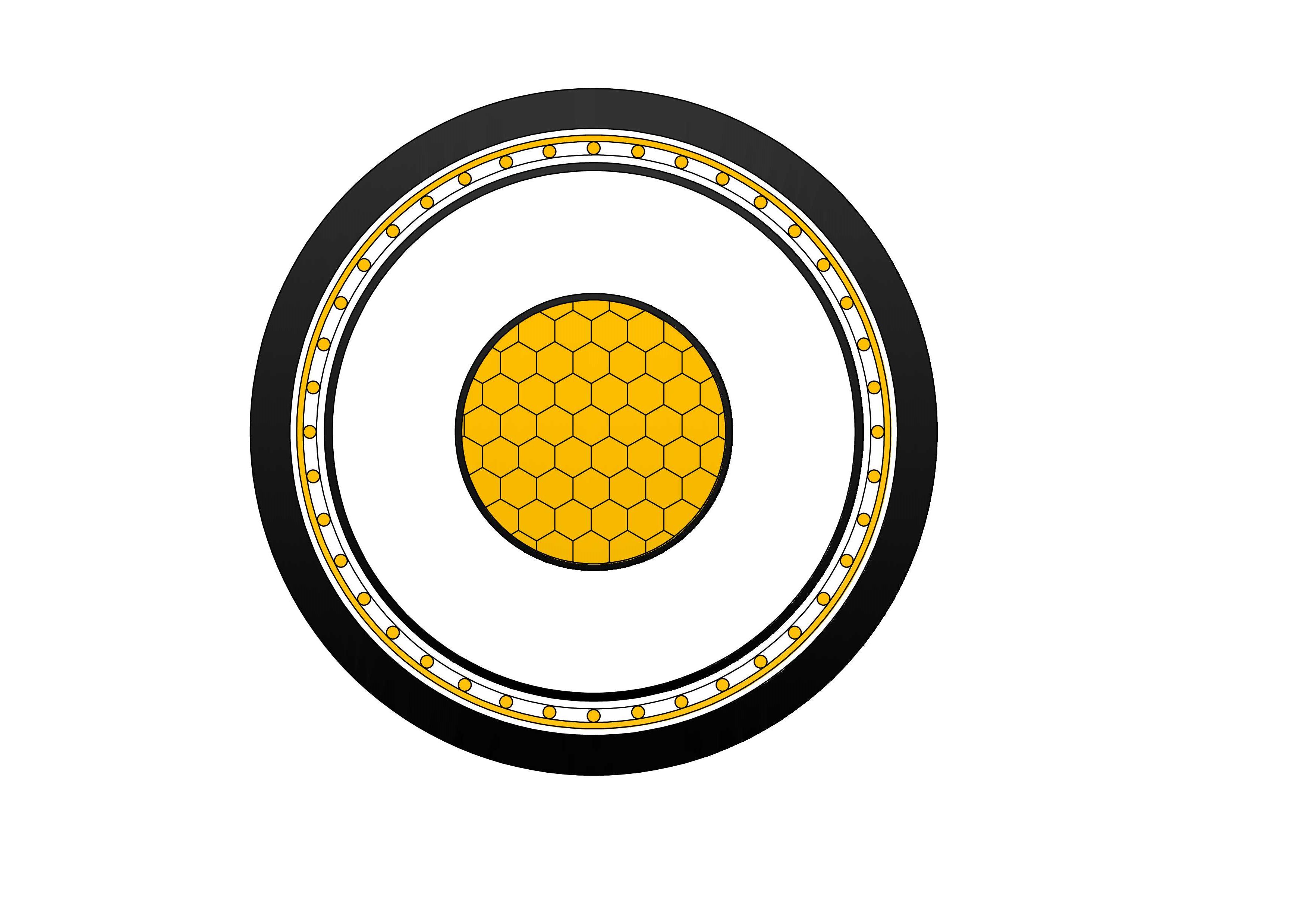
Conductor
Class 2 Stranded Copper
Insulation
XLPE (Cross-Linked Polyethylene)
Conductor Screen
Semi-conductive material
Insulation Screen
Semi-conductive material (bonded)
Longitudinal Waterblocking
Semi-conductive swellable tape
Screen
Copper Wires and Copper Tape
Longitudinal Waterblocking
Swellable Tapes
Outer Sheath
MDPE (Medium Density Polyethylene)
Sheath Color
Red/Black
Manufacturer Standard
IEC 60502-2, IEC 60228
UV Resistant
ISO 4892-3
Abrasion and Tear Resistant
EN 60229-4.1
Impact rated to
AG2 EN 60364 - 5.51
Technical Specifications
N2XS(F)2Y Medium Voltage Power Cable(6/10kV, 12/20kV, 18/30kV)
N2XS(F)2Y 6/10 (12) KV
N2XS(F)2Y 12/20 (24)KV
N2XS(F)2Y 18/30 (36)KV
|
No. Of Cores |
Nominal Cross Sectional Area |
Nominal Conductor Diameter |
Number Wires Conductor |
NOM. Thickness Semi-Con. Layer |
Nominal Insulation Thickness |
Minimum Insulation Thickness |
Nominal Diameter Over Insulation |
||
| Conductor | Screen | Inner | Outer | ||||||
| mm2 | mm2 | mm | mm | mm | mm | mm | mm | mm | |
| 1 | 50 | 16 | 8.10 | 10×2.62 | 0.50 | 0.40 | 3.40 | 2.96 | 16.3 |
| 1 | 70 | 16 | 9.70 | 14×2.62 | 0.50 | 0.40 | 3.40 | 2.96 | 17.9 |
| 1 | 95 | 16 | 11.4 | 19×2.62 | 0.50 | 0.40 | 3.40 | 2.96 | 19.6 |
| 1 | 120 | 16 | 12.65 | 19×2.97 | 0.50 | 0.40 | 3.40 | 2.96 | 20.9 |
| 1 | 150 | 25 | 14.4 | 19×3.20 | 0.50 | 0.40 | 3.40 | 2.96 | 22.7 |
| 1 | 185 | 25 | 15.75 | 27×2.62 | 0.50 | 0.40 | 3.40 | 2.96 | 24.1 |
| 1 | 240 | 25 | 18.2 | 48×2.62 | 0.50 | 0.40 | 3.40 | 2.96 | 26.8 |
| 1 | 300 | 25 | 20.5 | 61×2.62 | 0.50 | 0.40 | 3.40 | 2.96 | 28.9 |
| 1 | 400 | 35 | 23.0 | 61×2.97 | 0.50 | 0.40 | 3.40 | 2.96 | 31.7 |
| 1 | 500 | 35 | 26.0 | 61×3.29 | 0.50 | 0.40 | 3.40 | 2.96 | 34.7 |
| 1 | 630 | 35 | 30.2 | 61×3.80 | 0.50 | 0.40 | 3.40 | 2.96 | 38.9 |
|
No. Of Cores |
Nominal Cross Sectional Area |
Nominal Conductor Diameter |
Number Wires Conductor |
NOM. Thickness Semi-Con. Layer |
Nominal Insulation Thickness |
Minimum Insulation Thickness |
Nominal Diameter Over Insulation |
||
| Conductor | Screen | Inner | Outer | ||||||
| mm2 | mm2 | mm | mm | mm | mm | mm | mm | mm | |
| 1 | 50 | 16 | 8.10 | 10×2.62 | 0.50 | 0.40 | 5.50 | 4.85 | 20.3 |
| 1 | 70 | 16 | 9.70 | 14×2.62 | 0.50 | 0.40 | 5.50 | 4.85 | 21.9 |
| 1 | 95 | 16 | 11.4 | 19×2.62 | 0.50 | 0.40 | 5.50 | 4.85 | 23.6 |
| 1 | 120 | 16 | 12.65 | 19×2.97 | 0.50 | 0.40 | 5.50 | 4.85 | 24.9 |
| 1 | 150 | 25 | 14.4 | 19×3.20 | 0.50 | 0.40 | 5.50 | 4.85 | 26.7 |
| 1 | 185 | 25 | 15.75 | 27×2.62 | 0.50 | 0.40 | 5.50 | 4.85 | 28.1 |
| 1 | 240 | 25 | 18.2 | 48×2.62 | 0.50 | 0.40 | 5.50 | 4.85 | 30.8 |
| 1 | 300 | 25 | 20.5 | 61×2.62 | 0.50 | 0.40 | 5.50 | 4.85 | 32.9 |
| 1 | 400 | 35 | 23.0 | 61×2.97 | 0.50 | 0.40 | 5.50 | 4.85 | 35.7 |
| 1 | 500 | 35 | 26.0 | 61×3.29 | 0.50 | 0.40 | 5.50 | 4.85 | 38.7 |
| 1 | 630 | 35 | 30.2 | 61×3.80 | 0.50 | 0.40 | 5.50 | 4.85 | 42.9 |
|
No. Of Cores |
Nominal Cross Sectional Area |
Nominal Conductor Diameter |
Number Wires Conductor |
NOM. Thickness Semi-Con. Layer |
Nominal Insulation Thickness |
Minimum Insulation Thickness |
Nominal Diameter Over Insulation |
||
| Conductor | Screen | Inner | Outer | ||||||
| mm2 | mm2 | mm | mm | mm | mm | mm | mm | mm | |
| 1 | 50 | 16 | 8.10 | 10×2.62 | 0.50 | 0.40 | 8.00 | 7.1 | 25.1 |
| 1 | 70 | 16 | 9.70 | 14×2.62 | 0.50 | 0.40 | 8.00 | 7.1 | 26.7 |
| 1 | 95 | 16 | 11.4 | 19×2.62 | 0.50 | 0.40 | 8.00 | 7.1 | 28.4 |
| 1 | 120 | 16 | 12.7 | 19×2.97 | 0.50 | 0.40 | 8.00 | 7.1 | 29.7 |
| 1 | 150 | 25 | 14.5 | 19×3.20 | 0.50 | 0.40 | 8.00 | 7.1 | 31.5 |
| 1 | 185 | 25 | 15.9 | 27×2.62 | 0.50 | 0.40 | 8.00 | 7.1 | 32.9 |
| 1 | 240 | 25 | 18.6 | 48×2.62 | 0.50 | 0.40 | 8.00 | 7.1 | 35.6 |
| 1 | 300 | 25 | 20.7 | 61×2.62 | 0.50 | 0.40 | 8.00 | 7.1 | 37.7 |
| 1 | 400 | 35 | 23.5 | 61×2.97 | 0.50 | 0.40 | 8.00 | 7.1 | 40.5 |
| 1 | 500 | 35 | 26.5 | 61×3.29 | 0.50 | 0.40 | 8.00 | 7.1 | 43.5 |
| 1 | 630 | 35 | 30.2 | 61×3.80 | 0.50 | 0.40 | 8.00 | 7.1 | 47.7 |
Quality Control
N2XS(F)2Y Medium Voltage Power Cable(6/10kV, 12/20kV, 18/30kV)
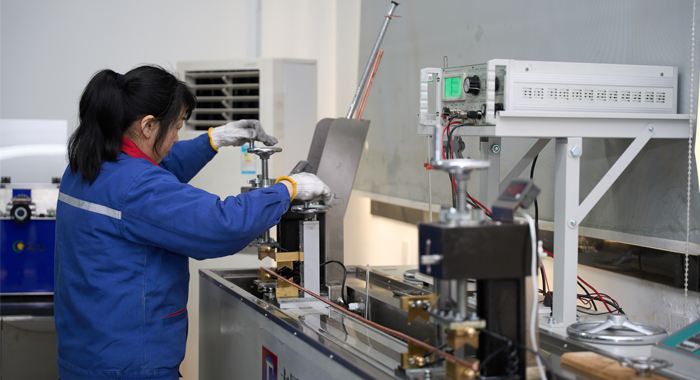
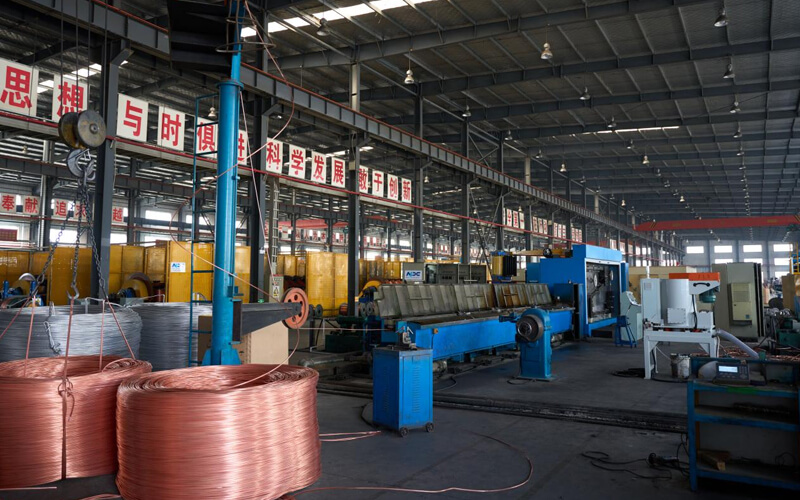
Raw Material Test
Raw Material Test is the initial quality assurance step for the N2XS(F)2Y Medium Voltage Power Cable. Copper conductors are tested for electrical conductivity, tensile strength, elongation, and surface quality to ensure stable current-carrying capacity. XLPE insulation compounds undergo dielectric strength, thermal aging, and purity testing to guarantee long-term insulation reliability. Aluminum materials used for the corrugated sheath are inspected for thickness uniformity, corrosion resistance, and mechanical strength. Polyethylene outer sheath compounds are tested for abrasion resistance, UV stability, and environmental durability. Only materials meeting strict technical and IEC requirements are approved for production.
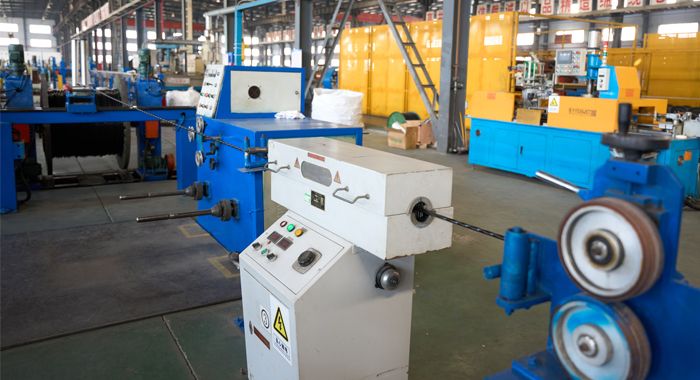
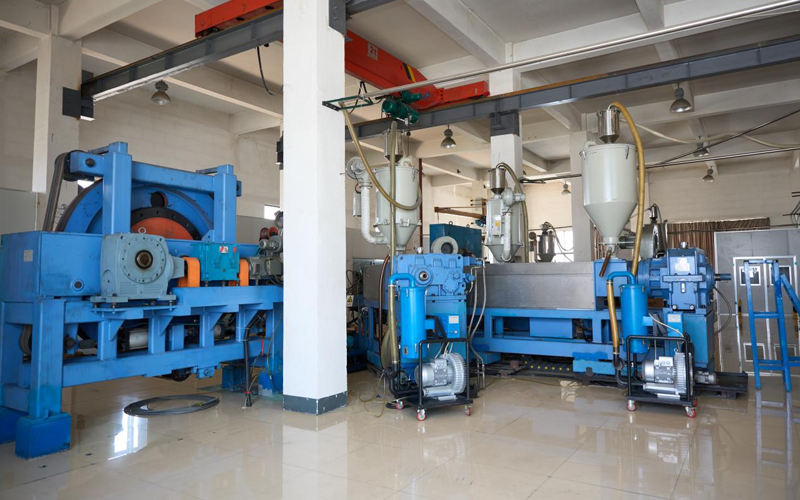
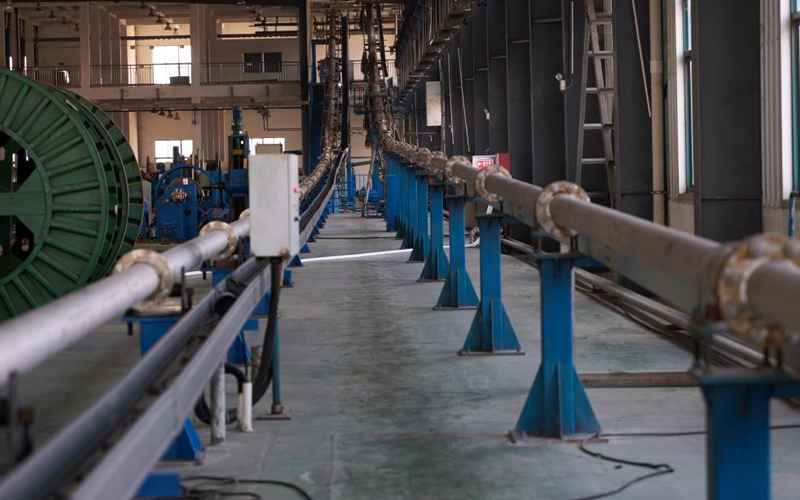
Process inspection
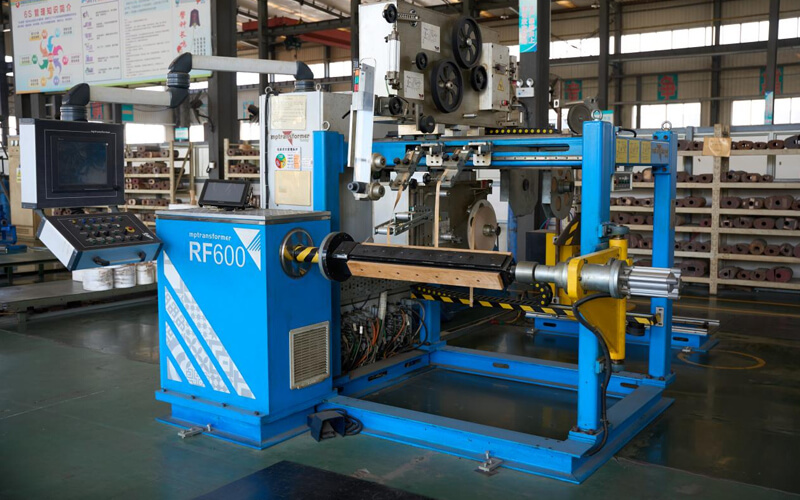
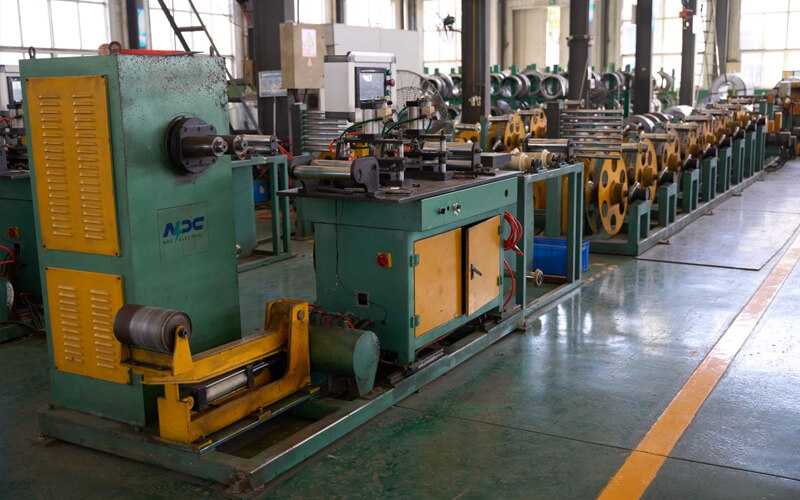
Process Inspection ensures consistent manufacturing quality of the N2XS(F)2Y Medium Voltage Power Cable throughout all production stages. Conductor stranding is monitored for correct lay length and compactness. XLPE insulation extrusion and cross-linking are continuously controlled to ensure insulation thickness uniformity and electrical integrity. The application of the aluminum corrugated sheath is inspected for longitudinal sealing and mechanical continuity. Outer PE sheathing is checked for dimensional accuracy and surface quality. In-process electrical and dimensional tests are performed to prevent defects before final testing.
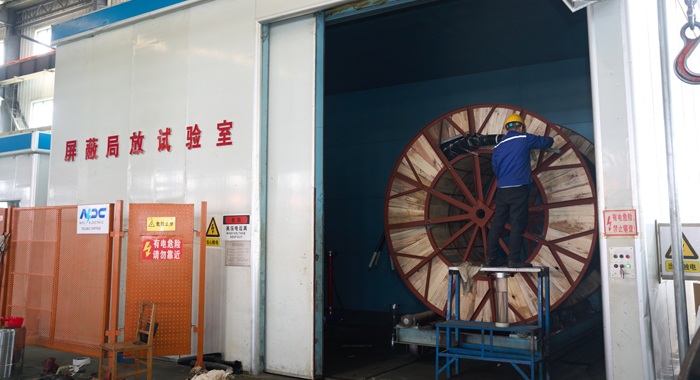
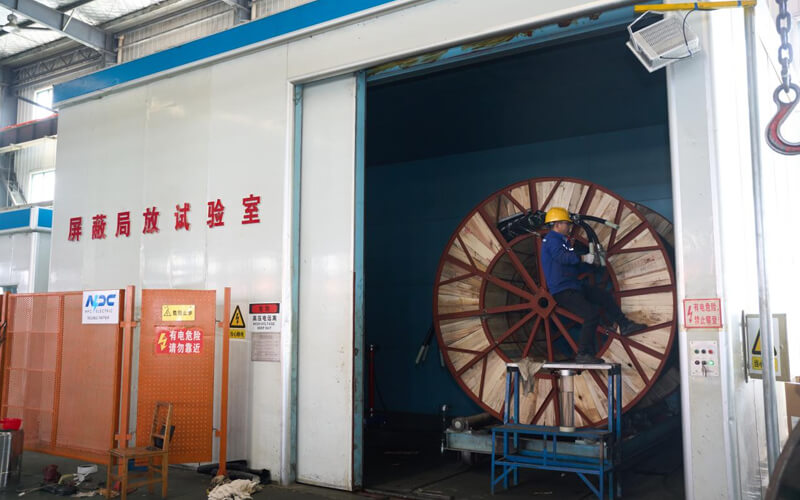
Finished Product
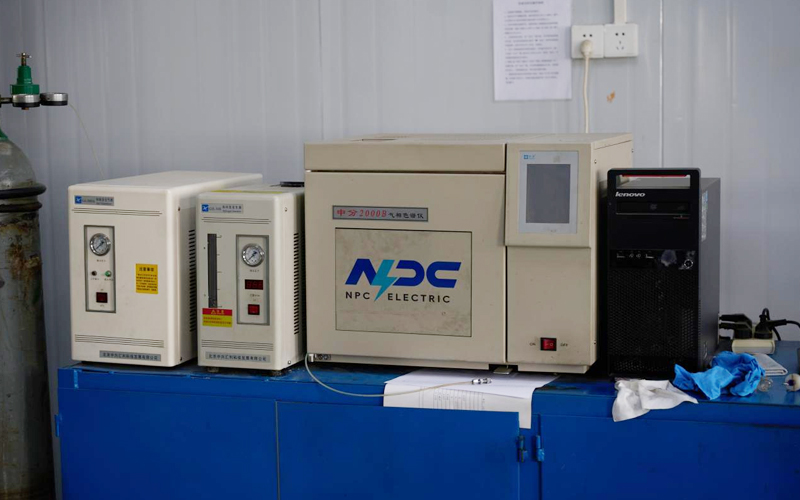
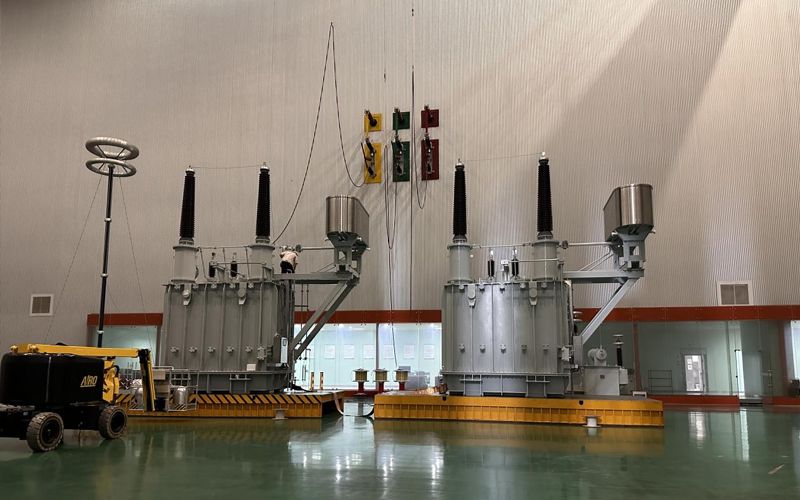
Finished Product Test validates the performance and safety of the N2XS(F)2Y Medium Voltage Power Cable prior to delivery. Electrical testing includes conductor resistance measurement, insulation resistance testing, and partial discharge tests. High-voltage withstand tests confirm insulation strength at rated voltage levels. Mechanical tests evaluate sheath integrity and bending performance. Visual inspection verifies correct construction, marking, and packaging.
Application
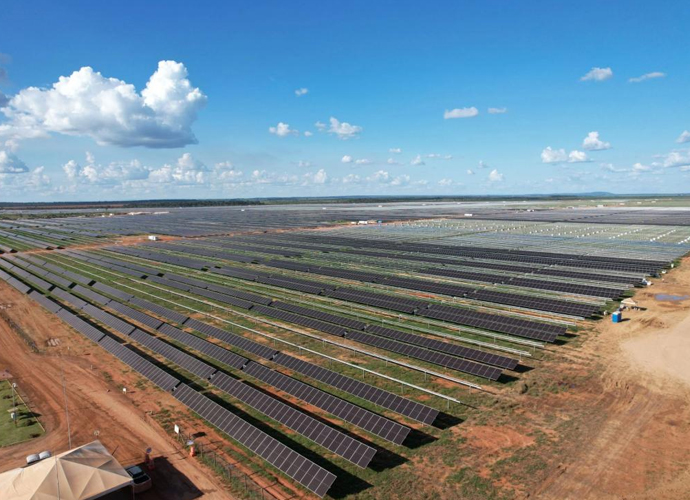
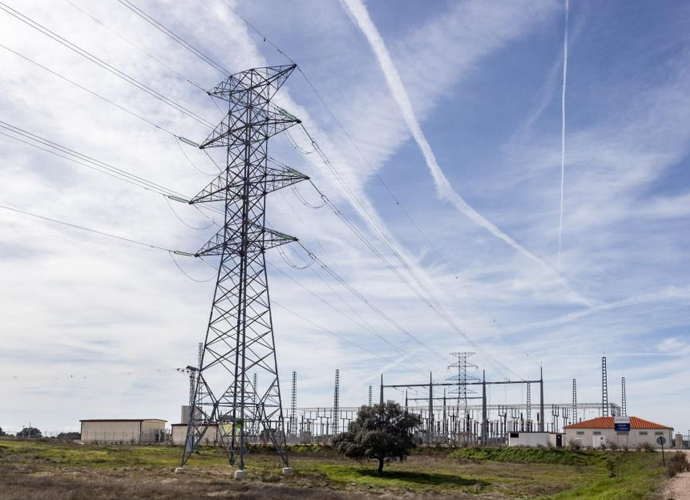
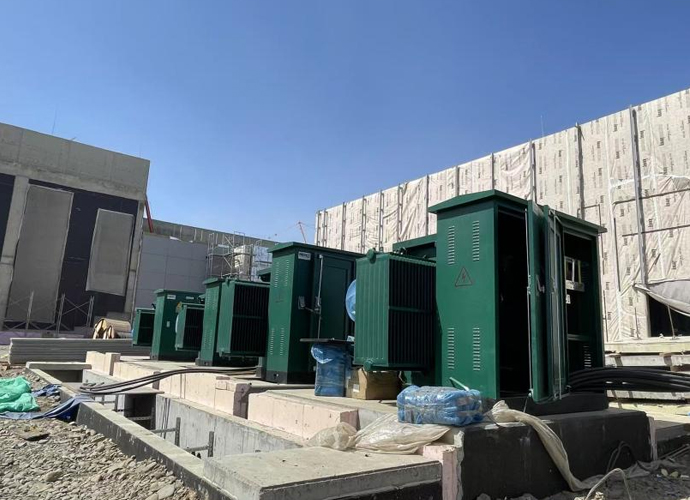
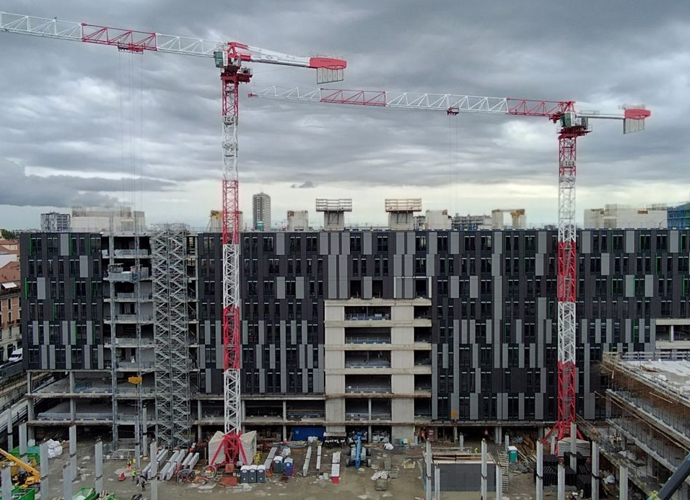
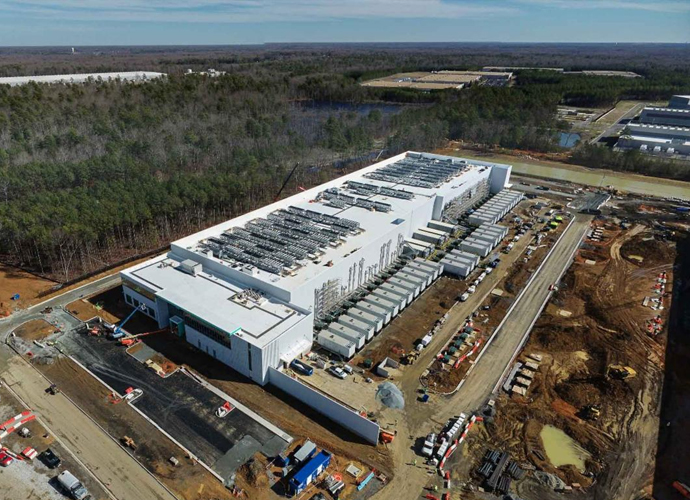
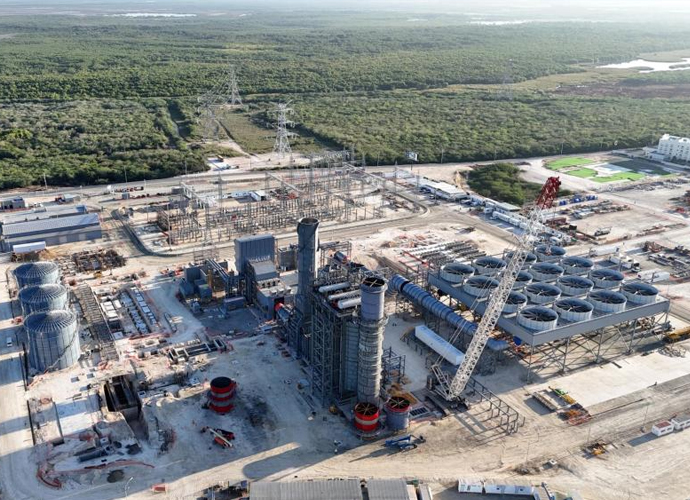
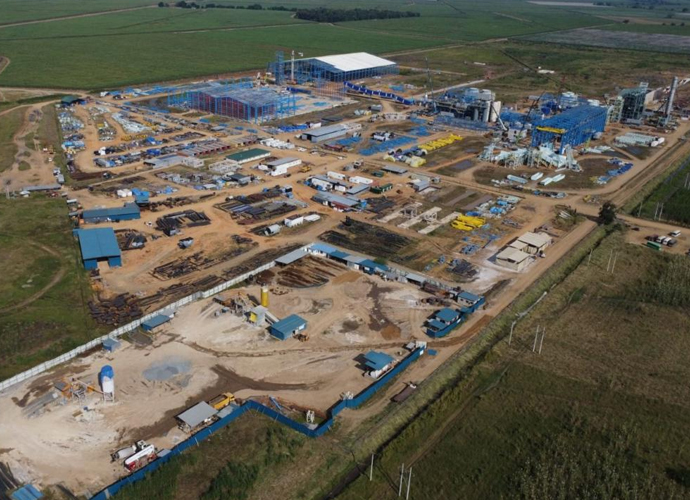
Suitable for underground transmission in utility grids, industrial plants, renewable energy projects, substations, and infrastructure requiring durable medium voltage power cables.

Technical Advantages
● 30+ years of manufacturing experience
● ISO and UL certified production
● Customized cable and transformer solutions
Product Packaging
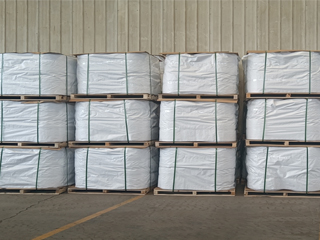
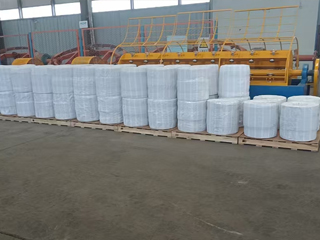
Wires and Cables packaging (1)
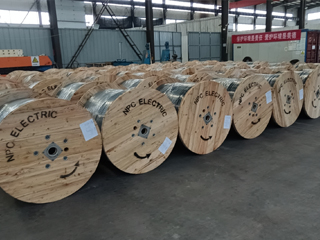
Wires and Cables packaging (2)
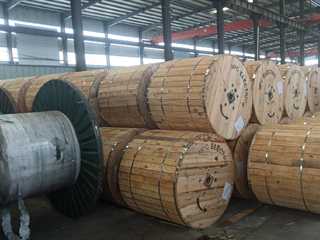
Wires and Cables packaging (3)
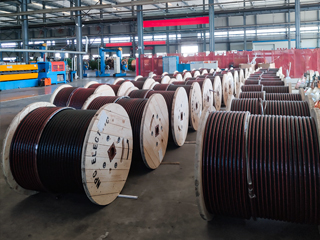
Wires and Cables packaging (4)
Wires and Cables packaging (5)
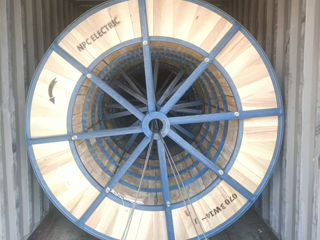
Wires and Cables packaging (6)
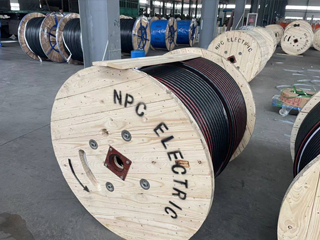
Wires and Cables packaging (7)
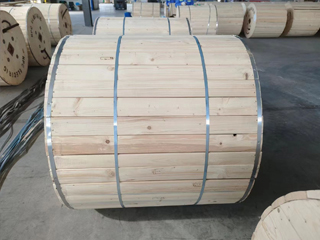
Wires and Cables packaging (8)
Related Products
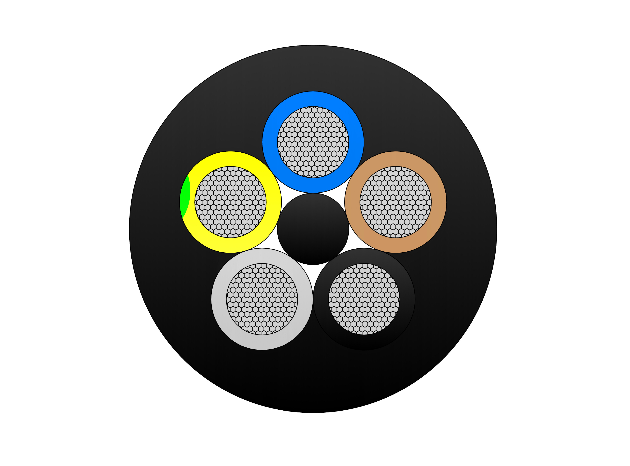
Type 409 Flexible Copper Screened Mining Cable With Central Pilot
The Type 409 Flexible Copper Screened Mining Cable With Central Pilot is a medium-voltage rubber-insulated cable designed for heavy-duty mining and trailing applications. It features tinned annealed copper conductors, EPR insulation, and a tinned copper/polyamide braid screen for electrical shielding. A central pilot core enables control and monitoring, while the HD-85-PCP heavy-duty sheath provides oil resistance, flame retardancy, and mechanical durability. Voltage options range from 1.1kV to 22kV, making it suitable for draglines, shovels, drills, portable tools, and industrial machinery. Complies with AS/NZS 2802 and related standards, ensuring reliability in harsh mining environments.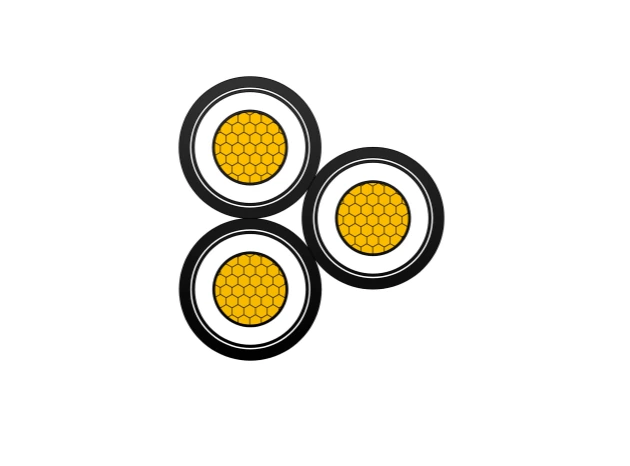
FR-N30XA8E-R 18/30kV Cable Gen to NF C 33-226 - Cu/XLPE/MDPE
The NF C 33-226 Cu-XLPE-MDPE 18/30kV Cable is a robust medium voltage power cable designed for safe and reliable energy transmission in fixed installations. It features a Class 2 stranded copper conductor, cross-linked polyethylene (XLPE) insulation, and a medium-density polyethylene (MDPE) outer sheath, ensuring outstanding electrical conductivity, insulation integrity, and mechanical protection. Complying with NF C 33-226, IEC 60502-2, and EN 60228, this cable is ideal for power distribution in industrial plants, substations, municipal grids, and commercial facilities. It provides excellent resistance to water (AD7) and UV radiation (ISO 4892), while being halogen-free (IEC/EN 60754-1) to ensure environmental and operational safety. With a voltage rating of 18/30 (36)kV and maximum operating temperature of 90°C, the Cu-XLPE-MDPE construction guarantees stable, efficient, and long-lasting performance in medium- and high-voltage networks.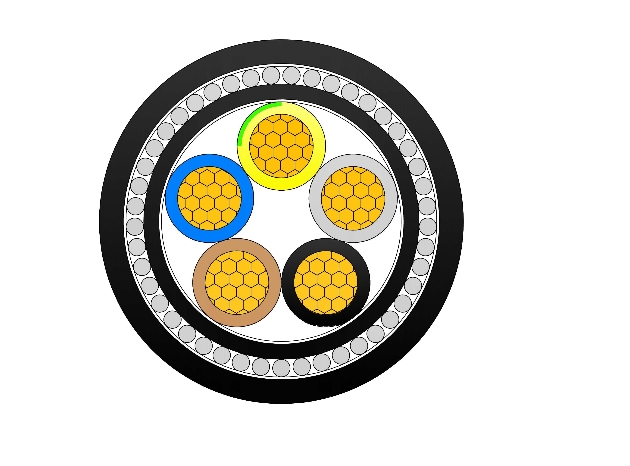
N2XRY 0.6/1kV Low Voltage Power Cable
N2XRY 0.6/1kV are low voltage power cables designed according to BS 5467 standard, suitable for fixed installation in indoor, outdoor, underground, Cable ducts ,conduits or concrete (not subject to vibration) environments,with additional mechanical protection due to steel wire armouring. Constructed with high-purity copper conductors, thermosetting XLPE insulation, PVC inner bedding, double galvanized steel tape armour, and tough PVC outer sheath, it meets IEC 60502-1 requirements. The STA armour delivers superior resistance to compression, impacts, and penetration, suitable for direct burial without conduits. Excellent electrical properties, reduced losses, and high overload capacity ensure optimal performance. Flame-retardant and environmentally stable, the N2XRY 0.6/1kV Low Voltage Power Cable is favored for factories, commercial developments, renewable energy sites, and infrastructure needing reliable, maintenance-free low-voltage cabling in challenging terrains.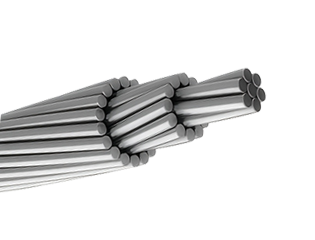
Penguin ACSR Conductor Cable
The ACSR Penguin is an Aluminium Conductor Steel Reinforced (ACSR) designed with a robust steel core surrounded by layers of high-conductivity aluminium wires, adhering to ASTM B232 standards. It features a stranded steel core surrounded by layers of aluminum conductors, combining excellent tensile strength with efficient current-carrying capability. The steel core provides superior load-bearing capacity, while the aluminum strands ensure low electrical resistance and reduced line losses. This balanced construction allows the Penguin ACSR Conductor Cable to withstand long spans, high wind loads, and varying environmental conditions. Manufactured in accordance with relevant ASTM and IEC standards, it offers stable performance, ease of installation, and long service life. The conductor is widely adopted in overhead transmission lines where durability, economy, and mechanical reliability are critical.
FR-N30XA8E-AR 18/30kV Cable Gen to NF C 33-226 - AL/XLPE/MDPE
The NF C 33-226 AL-XLPE-MDPE 18/30(36)kV Cable is a robust medium-voltage power cable designed for fixed installation in modern power distribution systems. It features a Class 2 stranded aluminum conductor, cross-linked polyethylene (XLPE) insulation, and a medium-density polyethylene (MDPE) sheath, providing outstanding electrical insulation, mechanical strength, and long-term reliability. Complying with NF C 33-226, IEC 60502-2, and EN 60228, this cable ensures stable and safe power transmission from substations to industrial, commercial, and municipal loads. It is halogen-free (IEC/EN 60754-1), water-resistant (AD7), and UV-resistant (ISO 4892), making it ideal for both indoor and outdoor installations. With a rated voltage of 18/30 (36)kV, a maximum operating temperature of 90°C, and a short-circuit temperature up to 250°C, the AL-XLPE-MDPE structure guarantees reliable performance and long service life under demanding conditions.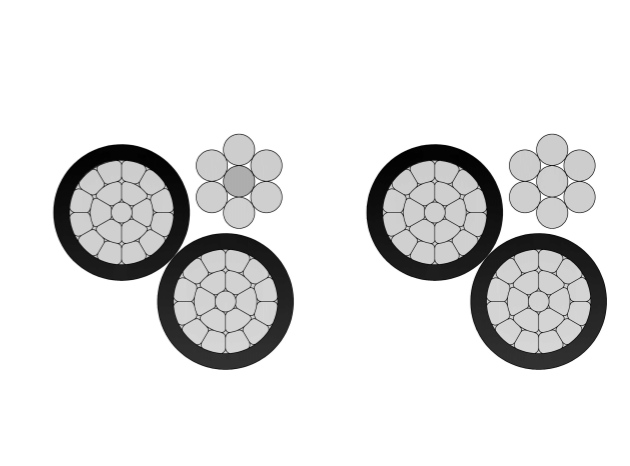
2 Cockle Aluminum Conductor Triplex Overhead Service Drop Cable
The 2 Cockle Triplex Aluminum Overhead Service Drop Cable is designed for delivering reliable electrical service from pole-mounted transformers directly to residential or light commercial service entrances. It features two-phase conductors and a neutral messenger, constructed with high-quality ACSR (Aluminum Conductor Steel Reinforced) for strength and durability in overhead installations. Each phase conductor is insulated with black cross-linked polyethylene (XLPE), providing excellent resistance to moisture, UV exposure, and environmental stress, making it ideal for outdoor, overhead, and utility service drop applications.FAQ From Customers
-
What are the advantages of power cables and overhead lines?(1) Reliable operation, because it is installed in a hidden place such as underground, it is less damaged by external forces, has less chance of failure, and the power supply is safe, and it will not cause harm to people; (2) The maintenance workload is small and frequent inspections are not required; (3) No need to erect towers; (4) Help improve power factor.
-
Which aspects should be considered when choosing the cross section of a power cable?(1) The long-term allowable working current of the cable; (2) Thermal stability once short circuited; (3) The voltage drop on the line cannot exceed the allowable working range.
-
What are the measures for cable fire prevention?(1) Use flame-retardant cables; (2) Use fireproof cable tray; (3) Use fireproof paint; (4) Fire partition walls and fire baffles are installed at cable tunnels, mezzanine exits, etc.; (5) Overhead cables should avoid oil pipelines and explosion-proof doors, otherwise local pipes or heat insulation and fire prevention measures should be taken.
-
What should be paid attention to during the transportation and handling of cables?(1) During transportation, loading and unloading, cables and cable reels should not be damaged. It is strictly forbidden to push the cable reels directly from the vehicle. Generally, cables should not be transported and stored flat. (2) Before transporting or rolling the cable reel, ensure that the cable reel is firm, the cable is wound tightly, the oil pipe between the oil-filled cable and the pressure oil tank should be fixed without damage, the pressure oil tank should be firm, and the pressure indication should meet the requirements.
-
What inspections should be carried out for the acceptance of cable lines?(1) The cable specifications should meet the regulations, the arrangement should be neat, no damage, and the signs should be complete, correct and clear; (2) The fixed bending radius of the cable, the related distance and the wiring of the metal sheath of the single-core power cable should meet the requirements; (3) The cable terminal and the middle head should not leak oil, and the installation should be firm. The oil pressure of the oil-filled cable and the meter setting should meet the requirements; (4) Good grounding; (5) The color of the cable terminal is correct, and the metal parts such as the bracket are completely painted; (6) There should be no debris in the cable trench, tunnel, and bridge, and the cover should be complete.
Welcome your inquiry
Honesty, Integrity, Frugality, Activeness and Passion