
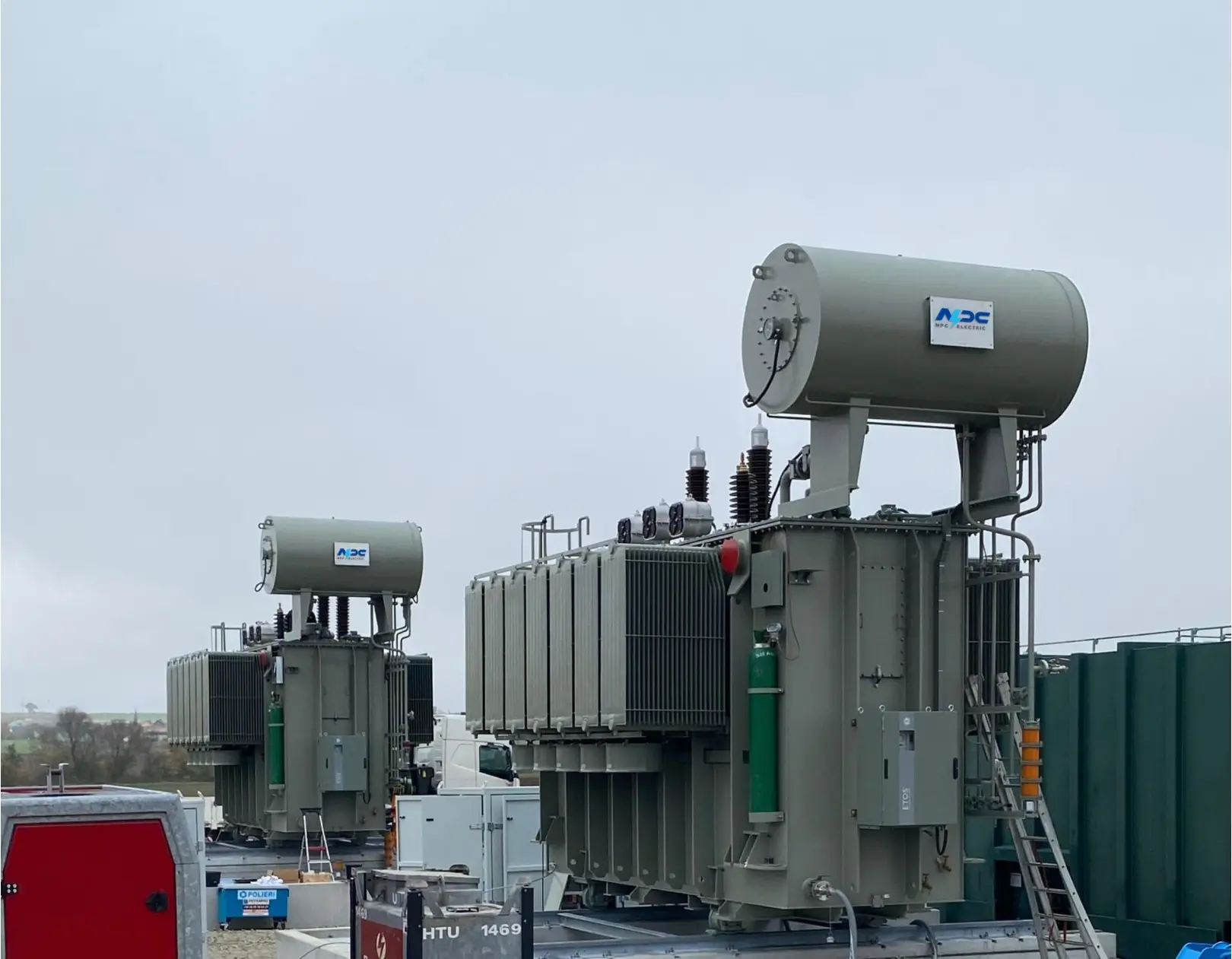
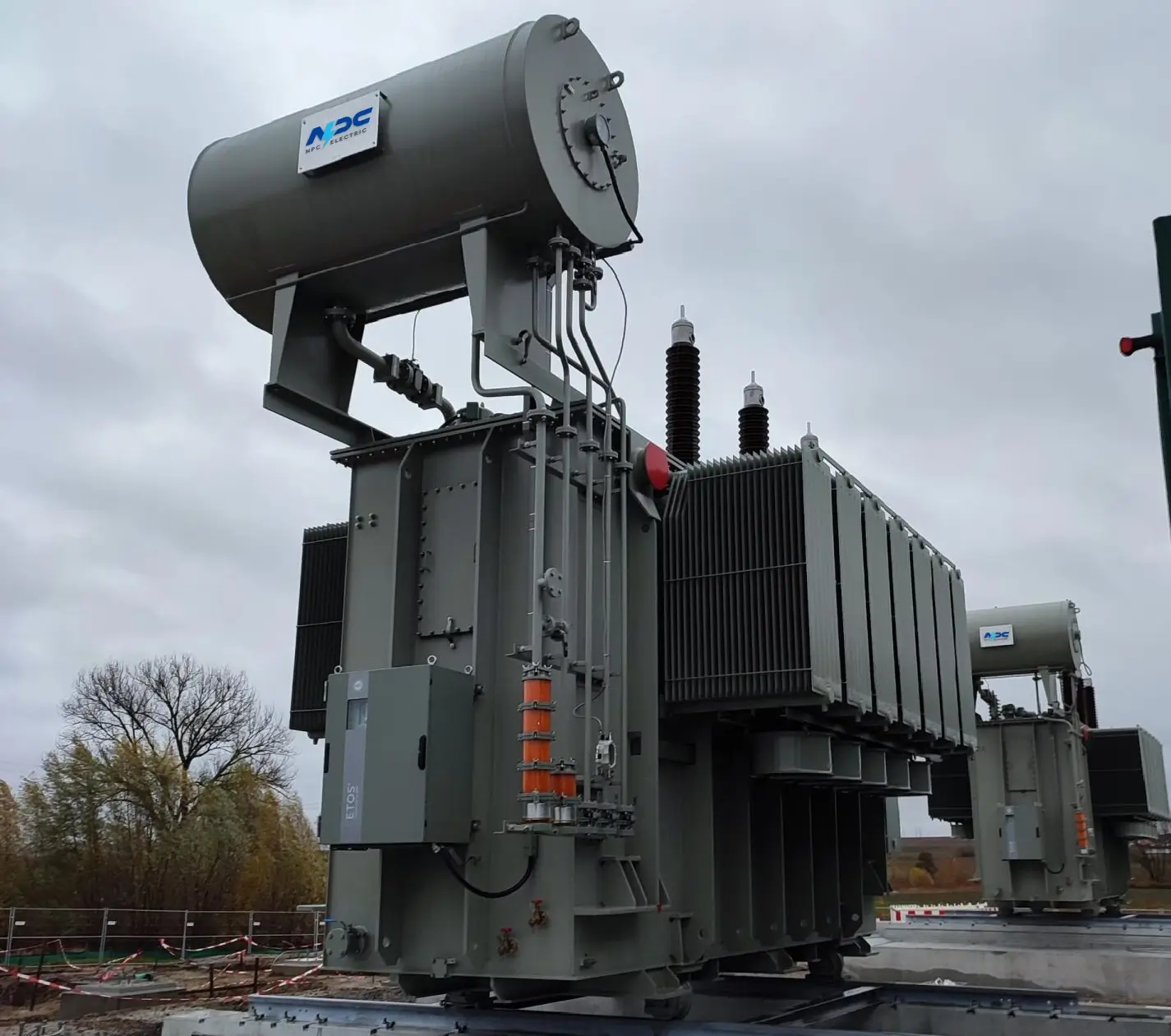
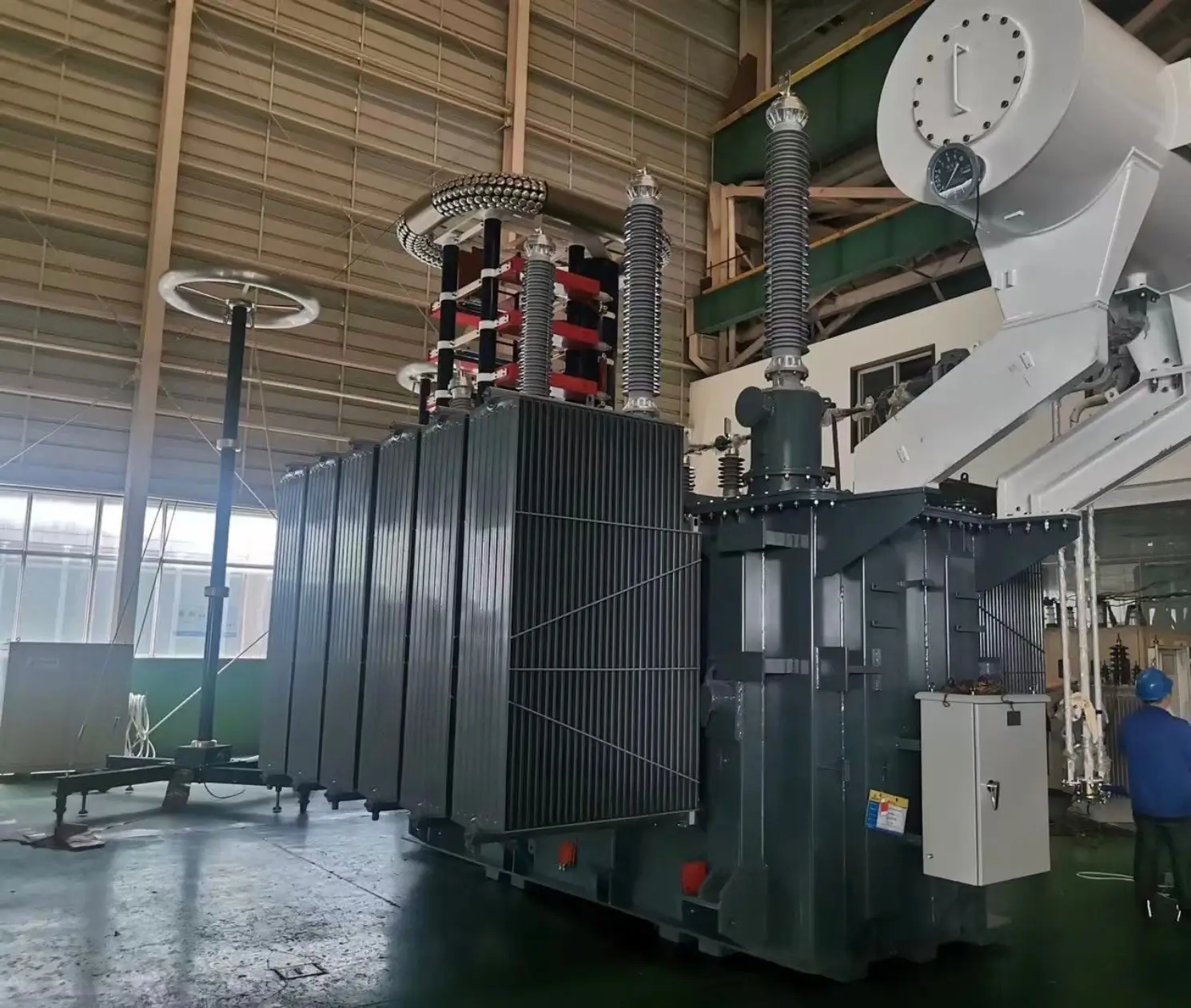
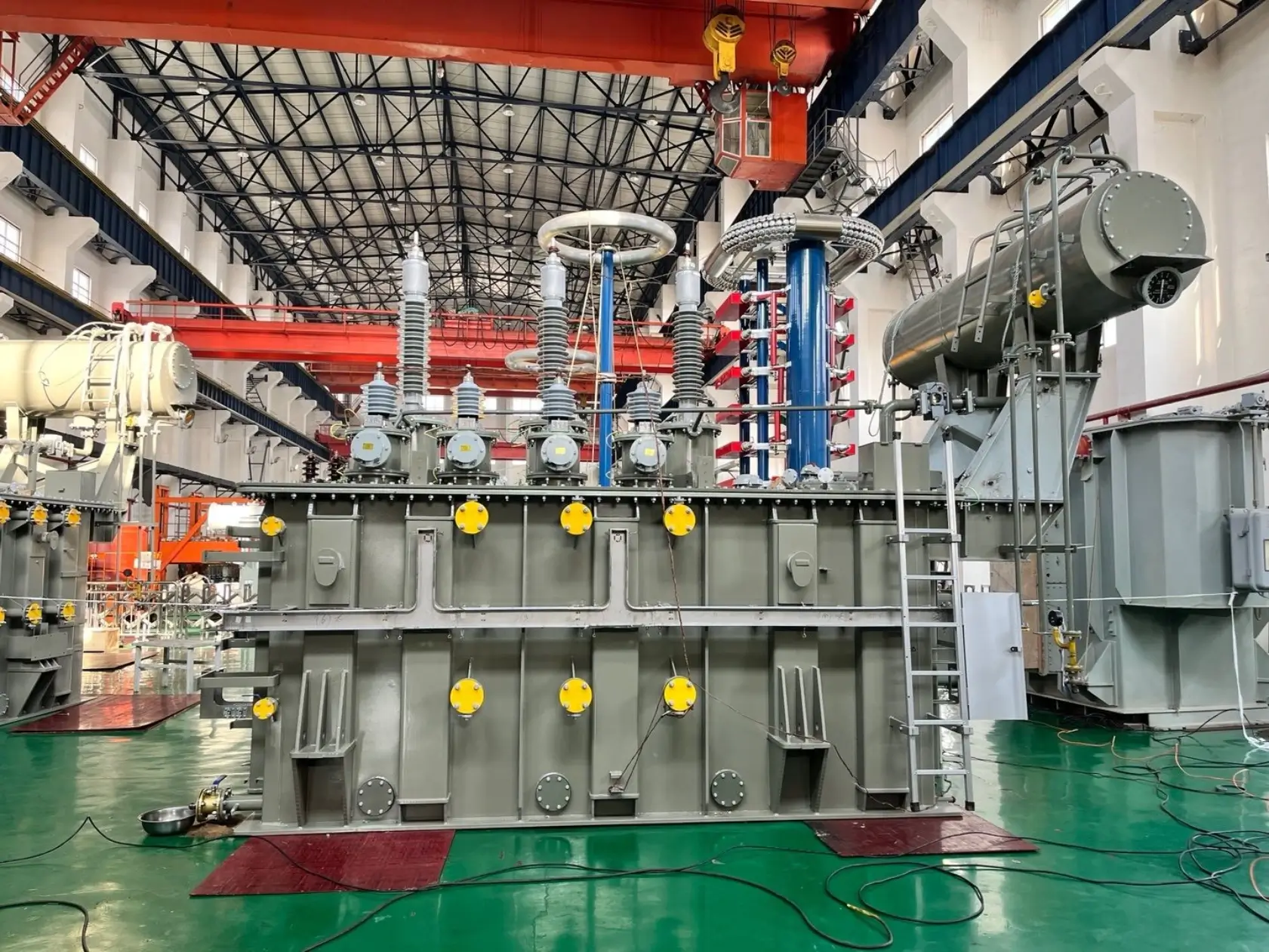


120kV High-Voltage Three-Phase Oil-Immersed Power Transformer
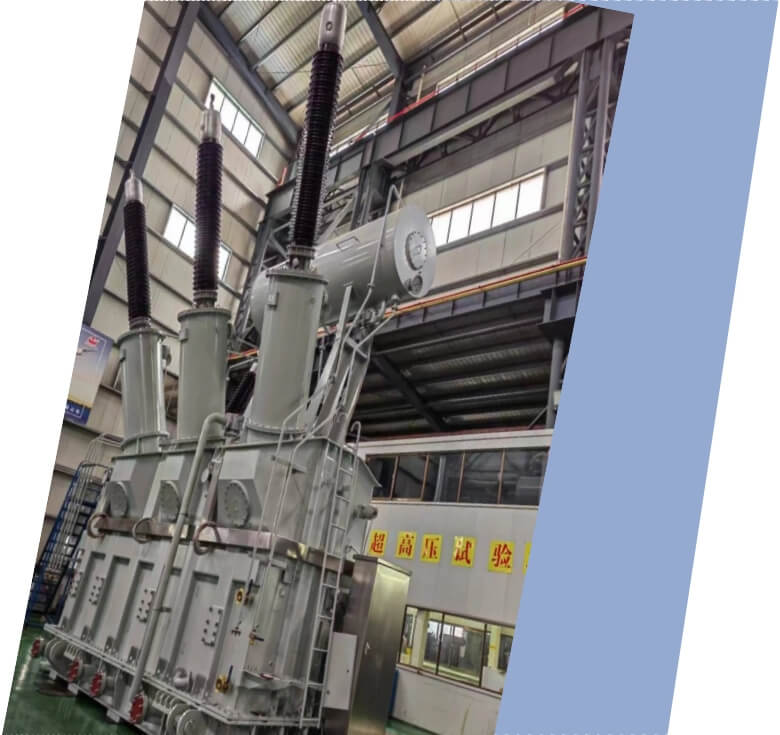
The 120kV High-Voltage Three-Phase Oil-Immersed Power Transformer is engineered for reliable and efficient operation in transmission networks and high-voltage substations. Designed with high-permeability silicon steel cores and precision-wound copper conductors, it delivers low losses, excellent thermal performance, and strong short-circuit withstand capability. The oil-immersed cooling system ensures effective heat dissipation, supporting continuous operation under heavy-load and fluctuating grid conditions. A robust tank structure, advanced insulation system, and outdoor-rated protection allow stable operation in harsh climates and demanding environments. Manufactured in accordance with IEC, IEEE, and ANSI standards, this transformer is widely applied in utility grids, industrial power systems, and large-scale infrastructure projects where high reliability, long service life, and stable voltage transformation are essential.
- Primary Voltage Ratings 110kV, 115kV or others
- Secondary Voltage Ratings 11/10.5/6.6/6.3kV or customized
- H.V. Tap Range ± 8×2.5% HV taps or others
- Type Oil-immersed power transformer
- BIL up to 350kV
- Standards IEEE, ANSI, IEC
- Application high-voltage substations, regional transmission networks, power systems, and infrastructure projects
- Power Rating 35MVA 50MVA
- Certificate UL , CESI , CE
- Cooling Method ONAN/ ONAF
- Opeartion Step Down & Step Up
Technical Specifications
Customization Optional
Packing and Shipping
Manufacturer Test
Routine Testing
Application
Technical Specifications
120kV High-Voltage Three-Phase Oil-Immersed Power Transformer
Technical Specifications
Accessories
| Rated Power | 35MVA 50MVA |
| Rating Primary Voltage | 110kV, 115kV |
| Secondary Voltage |
6.3 kV 6.6 kV 10.5 kV 11 kV Customized |
| Frequency | 50/60Hz |
| Vector Group | Dyn11, YD11, YNd11 |
| Winding Material | Aluminum/Copper |
| Efficiency | As IEEE, CAS Std or Customized |
| Impedance Voltage | As IEC |
| Altitude | ≤1,000m or Customized |
| Enclosure material | Mid Steel |
| HV Bushing |
| LV Bushing |
| OLTC/NLTC |
| Lifting hook for complete transformer |
| Name plate |
| Oil temperature |
| Winding temperature |
| Radiators |
| Oil level |
| Pressure relief valve |
| CT |
Customization Optional
120kV High-Voltage Three-Phase Oil-Immersed Power Transformer
The 120kV High-Voltage Three-Phase Oil-Immersed Power Transformer can be fully customized to meet specific grid requirements, environmental conditions, and project standards. Electrical customization includes flexible primary and secondary voltage ratings, vector group configurations such as Dyn11, YNd1, or Yyn0, impedance optimization, and efficiency tuning to comply with regional utility regulations. Customers may select no-load or on-load tap changers with customized tap ranges for accurate voltage regulation. Winding materials are available in high-purity copper or aluminum, while insulation systems can be enhanced for high-altitude, high-temperature, or high-humidity applications. Optional low-loss core designs and environmentally friendly insulating oils are also available to improve operational efficiency and sustainability.
Mechanical and structural customization options include reinforced tank designs, corrosion-resistant coatings for coastal or industrial environments, seismic-resistant structures, and customized cooling systems such as ONAN, ONAF, or OFAF. Advanced monitoring and protection devices—such as Buchholz relays, digital temperature indicators, oil level sensors, pressure relief devices, and online condition monitoring systems—can be integrated to support predictive maintenance and operational safety. Noise-reduction solutions, compact footprints for space-limited substations, customized bushing arrangements, and project-specific accessory configurations are also supported. All customized designs comply with IEC, IEEE, or customer-specified technical standards, ensuring reliable long-term performance.
Packing and Shipping
120kV High-Voltage Three-Phase Oil-Immersed Power Transformer
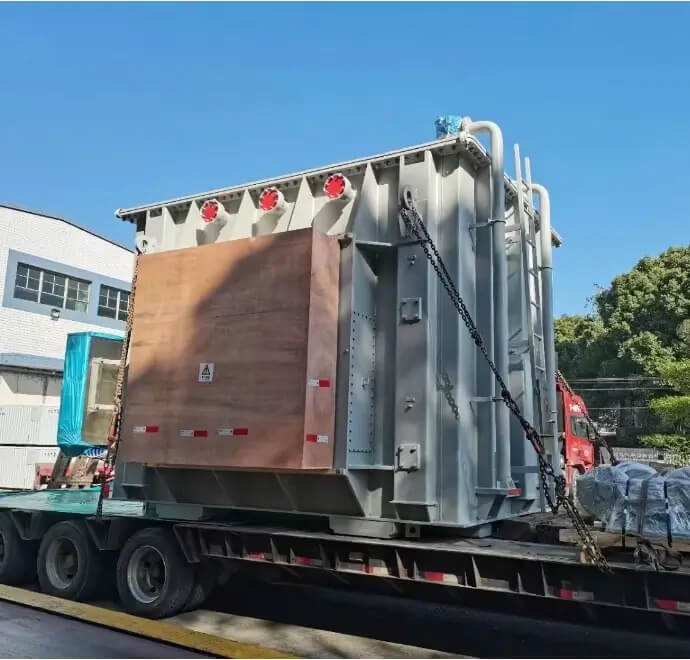
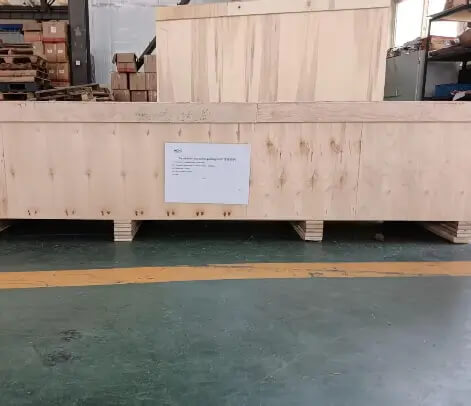
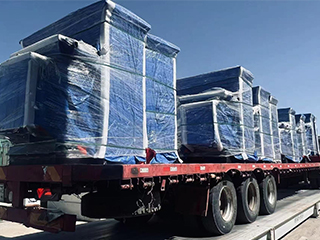
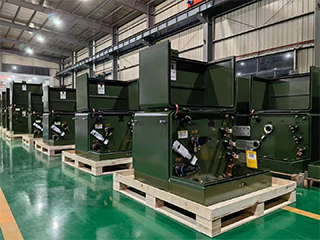
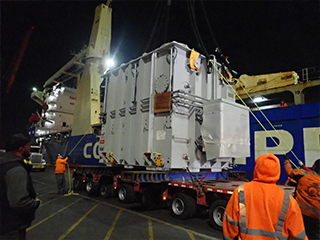
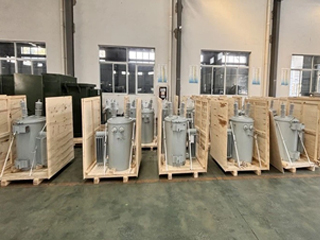
The packing and shipping process for the 120kV High-Voltage Three-Phase Oil-Immersed Power Transformer is designed to ensure maximum protection during transportation and storage. Prior to packing, the transformer undergoes final inspection, surface anti-corrosion treatment, and oil handling in accordance with transport requirements. All openings are sealed to prevent moisture ingress, and exposed metal surfaces are protected against corrosion. Sensitive components such as bushings, radiators, conservators, and monitoring devices are removed when required and packed separately in reinforced wooden crates with shock-absorbing padding.
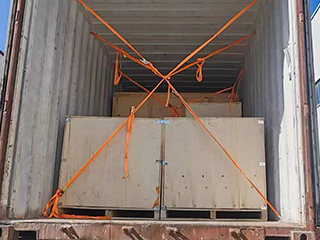
The transformer's main body is mounted securely on a heavy-duty steel skid or export-grade wooden base to prevent movement during transit. Structural braces, vibration dampers, and impact-resistant materials are installed at critical points to minimize mechanical stress. The unit is wrapped in multiple protective layers, including moisture-proof films, UV-resistant covers, and rust-inhibiting materials. For long-distance sea transport, nitrogen filling or vacuum sealing may be applied to maintain insulation dryness and oil quality.
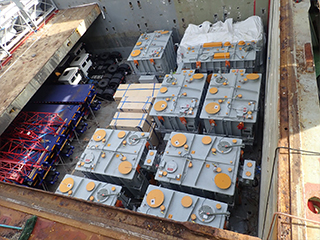
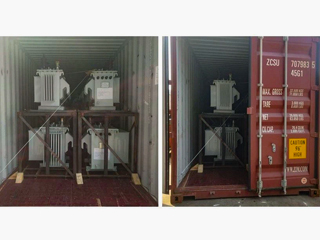
Depending on the transformer’s size, weight, and destination, shipment can be arranged using flat-rack containers, open-top containers, or break-bulk cargo methods. All packaging materials comply with international shipping standards, including ISPM-15 requirements. Clear lifting instructions, center-of-gravity markings, and handling labels are applied to ensure safe loading and unloading. Complete documentation—including packing lists, test reports, quality certificates, drawings, and operation manuals—is provided in waterproof packaging attached to the transformer.
Upon arrival at the destination, detailed unpacking, storage, and installation guidelines are supplied. Optional on-site services include unloading supervision, accessory reassembly, oil filling, filtration, and commissioning support. This comprehensive packing and shipping process ensures the transformer arrives in optimal condition, ready for safe installation and long-term operation.
The transformer's main body is mounted securely on a heavy-duty steel skid or export-grade wooden base to prevent movement during transit. Structural braces, vibration dampers, and impact-resistant materials are installed at critical points to minimize mechanical stress. The unit is wrapped in multiple protective layers, including moisture-proof films, UV-resistant covers, and rust-inhibiting materials. For long-distance sea transport, nitrogen filling or vacuum sealing may be applied to maintain insulation dryness and oil quality.
Depending on the transformer’s size, weight, and destination, shipment can be arranged using flat-rack containers, open-top containers, or break-bulk cargo methods. All packaging materials comply with international shipping standards, including ISPM-15 requirements. Clear lifting instructions, center-of-gravity markings, and handling labels are applied to ensure safe loading and unloading. Complete documentation—including packing lists, test reports, quality certificates, drawings, and operation manuals—is provided in waterproof packaging attached to the transformer.
Upon arrival at the destination, detailed unpacking, storage, and installation guidelines are supplied. Optional on-site services include unloading supervision, accessory reassembly, oil filling, filtration, and commissioning support. This comprehensive packing and shipping process ensures the transformer arrives in optimal condition, ready for safe installation and long-term operation.
32
32 years of industry experience
Manufacturer Test
120kV High-Voltage Three-Phase Oil-Immersed Power Transformer
Progress test
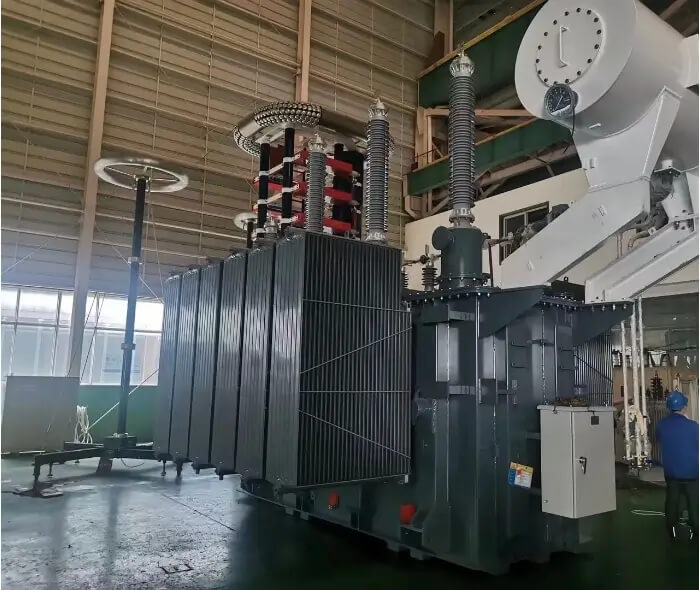
The Progress Test for the 120kV High-Voltage Three-Phase Oil-Immersed Power Transformer is implemented as a staged quality assurance program throughout the entire manufacturing cycle. Incoming material inspections are first conducted on core laminations, copper conductors, insulation materials, structural steel, and insulating oil to ensure conformity with approved specifications. During core stacking and coil winding, process inspections verify dimensional tolerances, insulation clearances, winding compression, and mechanical stability. Active parts undergo controlled drying and vacuum treatment, with temperature and moisture levels continuously monitored to ensure optimal insulation condition.
Intermediate electrical examinations include winding resistance measurement, insulation resistance testing, and turns ratio verification to confirm electrical integrity before final assembly. Fabrication of the transformer tank and radiators is inspected for welding quality, pressure endurance, and surface coating thickness. Prior to oil filling, vacuum leak tests and internal cleanliness checks are performed. All findings are recorded in detailed progress reports, ensuring traceability and early detection of deviations before the transformer proceeds to final acceptance testing.
Design Tests
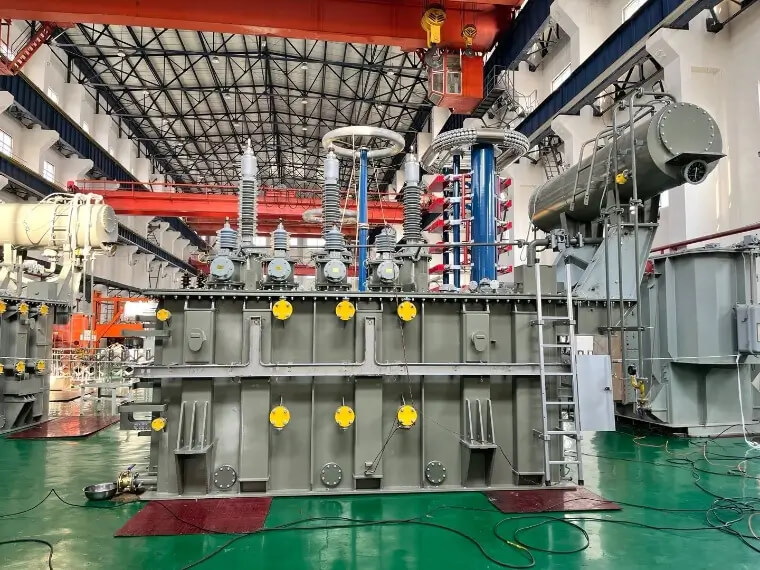
All transformers will be tested after finishing the production test items as below:
♦ Leak testing with pressure for liquid-immersed transformers
♦ Test of transformer oil
♦ Measurement of voltage ratio and check of phase displacement
♦ Measurement of winding DC resistance
♦ Measurement of d. c. Insulation resistance between each winding to earth, and check of the core and frame insulation
♦ Capacitive bushing test
♦ Measurement of dissipation factor (tan δ) of the insulation system capacitances, and determination of capacitances windings-to-earth
♦ Measurement of no-load loss and current at 90%,100%,110% of rated voltage
♦ Operation test on on-load tap-changer
♦ Measurement of short-circuit impedance and load loss
♦ Lightning impulse test
♦ Induced-voltage test with partial discharge measurement
♦ Auxiliary wiring check
♦ Current transformer test
♦ Frequency response analysis test
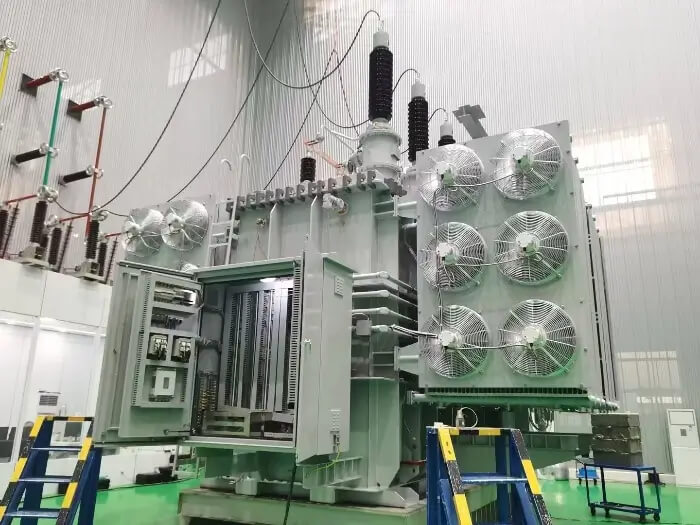
Transformer Factory Acceptance Test
The Factory Acceptance Test (FAT) for the 120kV High-Voltage Three-Phase Oil-Immersed Power Transformer is carried out after complete assembly to confirm full compliance with contractual and international standards. Electrical routine tests include measurement of winding resistance, verification of turns ratio and vector group, insulation resistance evaluation, and polarity confirmation. Dielectric testing consists of applied AC voltage and conducting overvoltage withstand tests to validate insulation strength under rated conditions.
Performance tests measure no-load loss, load loss, impedance voltage, and temperature rise to ensure operational efficiency and thermal stability. Partial discharge measurements assess insulation quality, while lightning impulse tests verify the transformer’s ability to withstand transient overvoltage events. Mechanical and functional inspections cover oil tank pressure testing, bushing installation accuracy, tap changer operation, cooling system functionality, and oil quality analysis. All protection devices and monitoring instruments are checked for correct calibration. FAT results are formally documented and reviewed with the customer prior to shipment approval.
Routine Test - DC Insulation Resistance Test
Purpose of Testing
The purpose of DC insulation resistance testing is to measure the insulation resistance of a device by applying a DC voltage, thereby evaluating the health of the insulation material and the voltage withstand capability of the electrical device. This test helps detect potential insulation aging, moisture or damage, preventing electrical failures in the device.
Testing Equipment
Insulation resistance tester (e.g. Megger, Fluke, Hioki, Klein Tools, etc.)
Voltage source (usually 500V, 1000V, 2500V, or customized according to customer requirements)
Temperature and humidity meter (used to record the ambient temperature and humidity during the test to ensure that the test conditions meet the standard requirements.)
Voltage source (usually 500V, 1000V, 2500V, or customized according to customer requirements)
Temperature and humidity meter (used to record the ambient temperature and humidity during the test to ensure that the test conditions meet the standard requirements.)
Pre-Test Preparation
Make sure the device is properly grounded and fully discharged to prevent residual charge in the device from affecting the test results.
Perform the test under suitable environmental conditions. It is recommended to have a relative humidity below 75%, no rain, and a temperature range of 20-30°C to avoid moisture or temperature fluctuations affecting the test results.
Perform the test under suitable environmental conditions. It is recommended to have a relative humidity below 75%, no rain, and a temperature range of 20-30°C to avoid moisture or temperature fluctuations affecting the test results.
Test Progress
Connect the Test Instrument:
Connect an insulation resistance tester to the high voltage terminal of the device under test and to ground.
Apply Test Voltage:
Select an appropriate test voltage based on the rated voltage of the equipment .
Connect an insulation resistance tester to the high voltage terminal of the device under test and to ground.
Apply Test Voltage:
Select an appropriate test voltage based on the rated voltage of the equipment .
Measure and Record
Start the test and record the following parameters:
Insulation resistance value (MΩ)
Applied voltage
Ambient temperature and humidity during testing
Insulation resistance value (MΩ)
Applied voltage
Ambient temperature and humidity during testing
Temperature Correction
The measured insulation resistance values are corrected to a reference temperature (usually 20°C) for accurate evaluation.
Repeat Testing (if necessary)
Measure different windings (high voltage, medium voltage, low voltage) or each bushing separately, and conduct comparative analysis to ensure the insulation status of all parts.
Evaluation Criteria (Reference)
Insulation resistance ≥ 1000 MΩ (excellent)
500 MΩ ≤ Insulation resistance < 1000 MΩ (good)
100 MΩ ≤ Insulation resistance < 500 MΩ
Insulation resistance < 100 MΩ
500 MΩ ≤ Insulation resistance < 1000 MΩ (good)
100 MΩ ≤ Insulation resistance < 500 MΩ
Insulation resistance < 100 MΩ
*These comprehensive tests ensure that each transformer meets performance standards and operates
reliably under various conditions.
Application
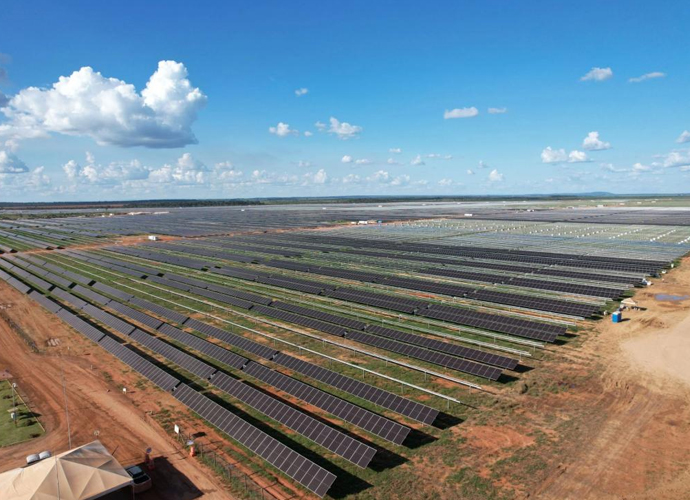
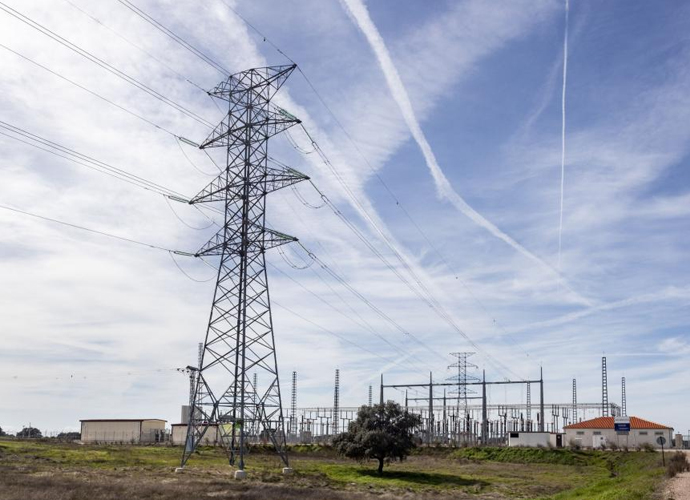
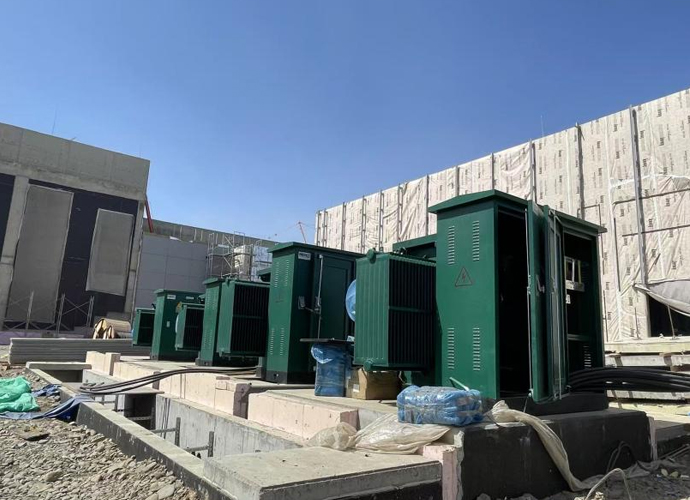
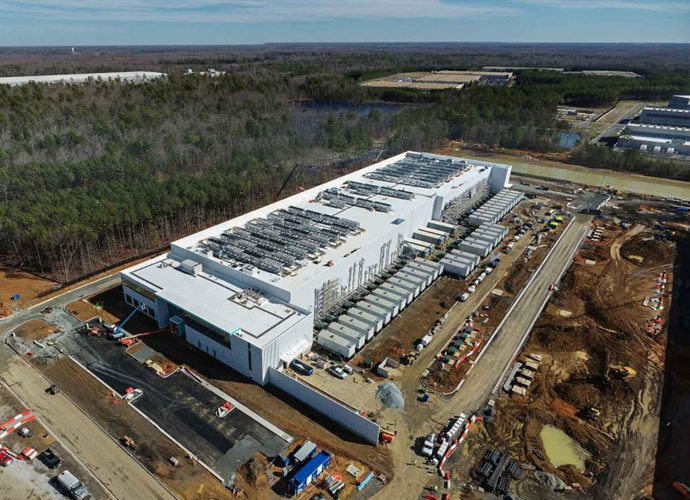
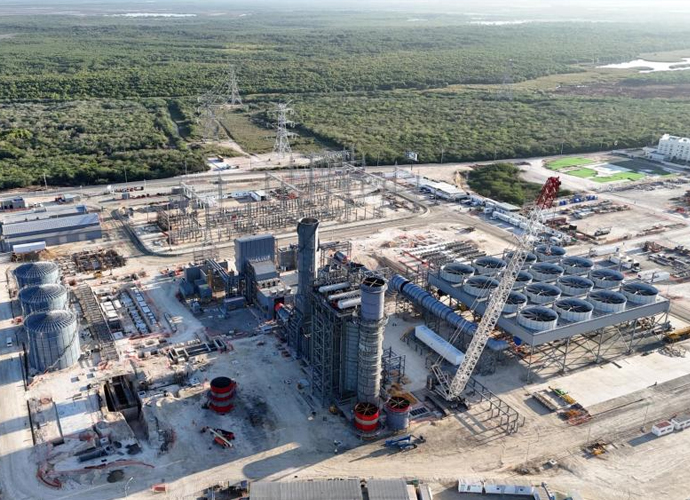
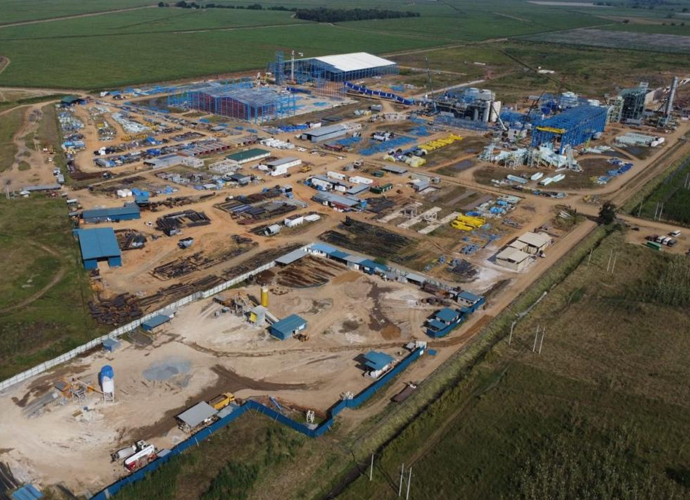
It supports stable voltage transformation, long-distance power transmission, and continuous heavy-load operation in environments requiring high reliability, safety, and long service life.


Technical Advantages
● 30+ years of manufacturing experience
● ISO and UL certified production
● Customized cable and transformer solutions
Product Packaging
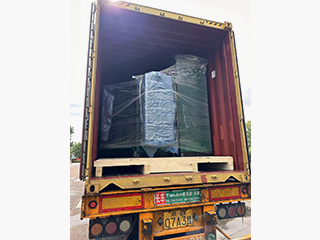
Transformers Packaging (1)
Transformers Packaging (2)
Transformers Packaging (3)
Transformers Packaging (4)
Transformers Packaging (5)
Transformers Packaging (6)
Transformers Packaging (7)
Transformers Packaging (8)
Related Products
250MVA 330kV High-Voltage Oil-Immersed Distribution Transformer for Grid & Substation
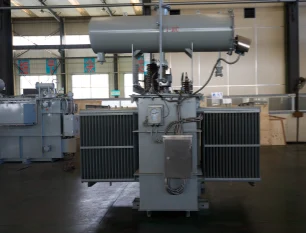
The 250MVA 330kV High-Voltage Oil-Immersed Distribution Transformer is engineered for reliable and efficient power transmission in large utility grids and high-demand substations. Designed with advanced insulation and a durable oil-immersed cooling system, it ensures excellent thermal stability and long service life. The high-voltage 330kV configuration provides exceptional performance in long-distance power delivery, minimizing losses and improving grid stability. Its precision-wound copper coils, high-strength core materials, and robust tank structure guarantee safe operation under fluctuating load conditions. With strong short-circuit resistance, high dielectric strength, and low noise operation, this transformer meets stringent international standards. It is widely used in national grid projects, power plants, and heavy-industry energy networks, supporting continuous, stable, and efficient power distribution.
37kV 10000kVA(10MVA) Three Phase Duplex Winding Oil Immersed Power Transformer
The 37kV 10000kVA (10MVA) Three Phase Duplex Winding Oil Immersed Power Transformer is designed for high-reliability medium-voltage distribution and industrial applications. Featuring 99.95% electrolytic copper duplex windings, advanced ONAN/ONAF cooling, and ±8×1.25% on-load tap changer (optional), it delivers ultra-low no-load and load losses (S11/S13 series). Fully compliant with IEC 60076, GB/T 1094, and ANSI/IEEE standards, it withstands 170–200 kV lightning impulse and PD <10 pC. Corrugated tank or detachable radiator design ensures excellent heat dissipation and mechanical strength. Standard voltages 37±8×1.25%/11kV, 37/6.3kV or custom. Vacuum oil processing and nitrogen sealing guarantee 30+ years service life with minimal maintenance. Trusted by utilities, EPCs, and heavy industries worldwide.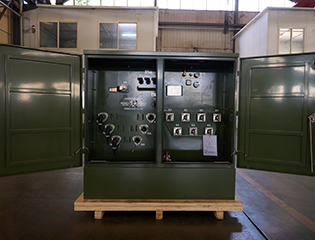
150kVA Three Phase Pad Mounted Transformer
The 150kVA Three Phase Pad Mounted Transformer is a compact, liquid-immersed distribution transformer engineered for dependable underground power supply in commercial, institutional, and light industrial environments. It supports primary voltages from 4160V to 34500GrdY/19920 (common configurations include 12470GrdY/7200, 13800 Delta, or 24940GrdY/14400), stepping down to secondary voltages such as 208Y/120V, 480Y/277V, 240/120V Delta with center tap, or 416Y/240V.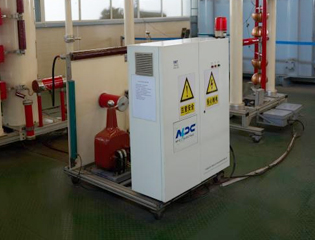
50kVA Dry Type Transformer
NPC ELECTRIC 50kVA dry-type transformer is an efficient, safe and environmentally friendly power transformer. It adopts dry insulation structure and does not require oil immersion cooling. It is suitable for various small and medium-sized power systems. It is widely used in industries, commercial buildings and power distribution, providing users with stable and reliable power supply. Standard features include three-phase or single-phase configurations, aluminum or copper windings, 150°C or 115°C temperature rise with 220°C insulation class, ±2×2.5% primary taps for voltage adjustment, NEMA 1 or 3R enclosures (ventilated with louvers or encapsulated for dust/moisture protection), natural self-cooling (AN), electrostatic shielding options, and low sound levels per NEMA standards.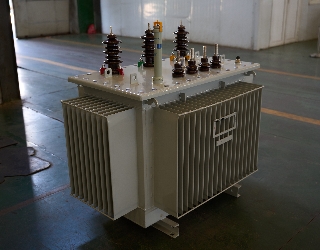
10kV Oil Immersed Transformer
The 10kV Oil Immersed Transformer is a high-performance, three-phase distribution transformer engineered for reliable medium-voltage power conversion in AC 50/60Hz systems. Featuring a fully sealed corrugated tank design, it eliminates the need for an oil conservator while providing excellent moisture resistance and extended service life. This transformer excels in energy savings, with up to 30% lower no-load losses compared to older models, making it ideal for modern grid upgrades and sustainable power distribution.
160kVA Oil Immersed Transformer
The 160kVA Oil-Immersed Transformer is characterized by its high efficiency and low loss, significantly reducing power consumption and operational costs. This transformer offers notable social benefits and is a high-tech product actively promoted by the government. Produced by a leading Chinese manufacturer, the NPC ELECTRIC 160kVA Oil-Immersed Transformer represents a pinnacle of electrical engineering, designed to meet the stringent demands of contemporary power distribution systems. These transformers are crafted with precision and incorporate cutting-edge technology, renowned for their exceptional durability, efficiency, and reliability.FAQ From Customers
-
What is a Transformer?A transformer is an electrical device used to change the voltage of alternating current (AC). It works on the principle of electromagnetic induction, converting high-voltage current into low-voltage current or low-voltage current into high-voltage current. Transformers are widely used in power transmission, distribution systems, and various electronic devices.
-
What are the main uses of a transformer?The main use of a transformer is voltage conversion. Transformers are used in power transmission systems to help transfer electricity from power plants to consumers. In addition, transformers are also used in electronic devices such as chargers, televisions, power adapters, etc., to adjust the voltage to meet the requirements of different devices.
-
Do you have UL listed?Yes, our transformer has UL listed. We have exported to America many pad mounted transformer,substation transformer and HV.
Welcome your inquiry
Honesty, Integrity, Frugality, Activeness and Passion