
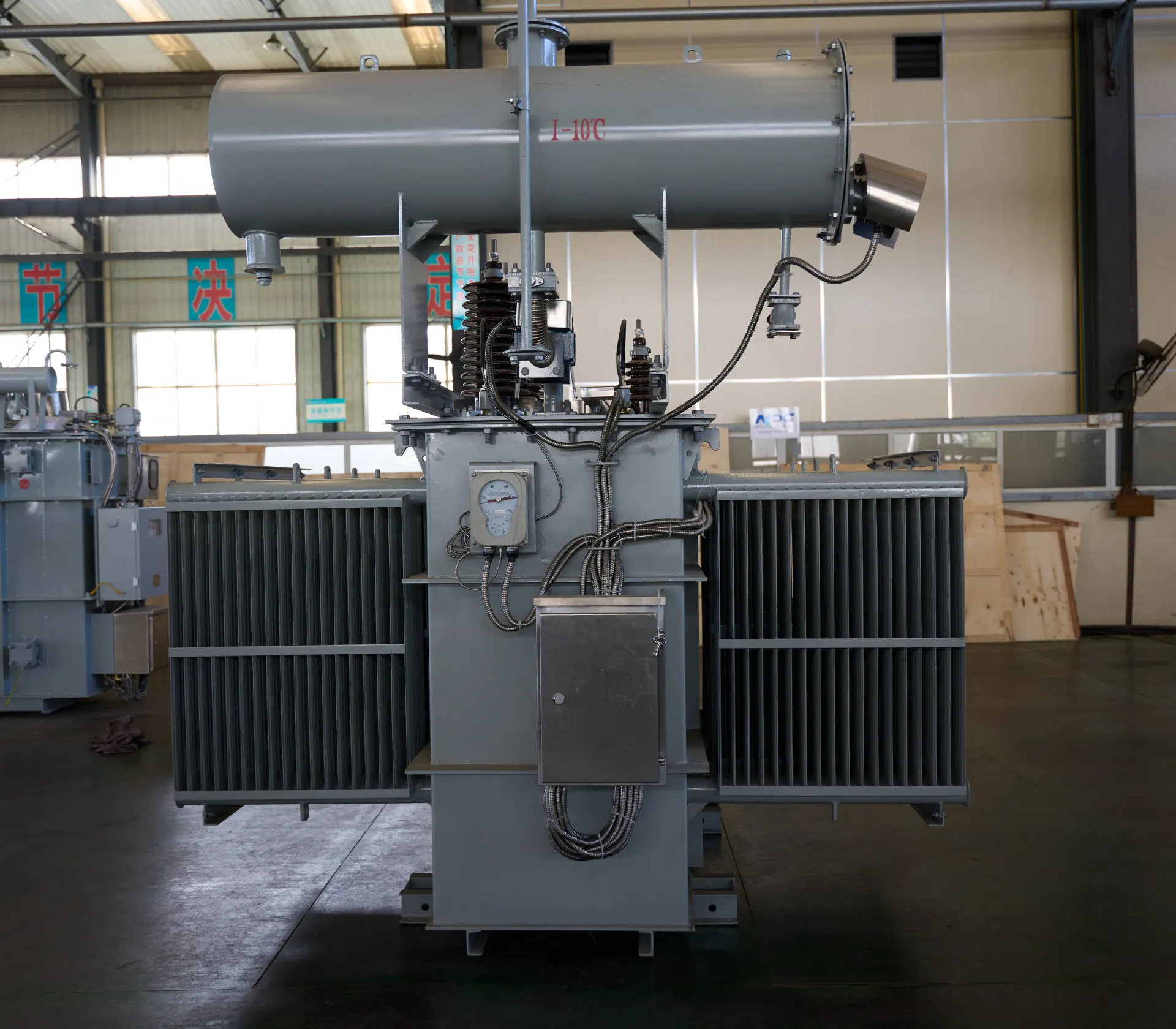
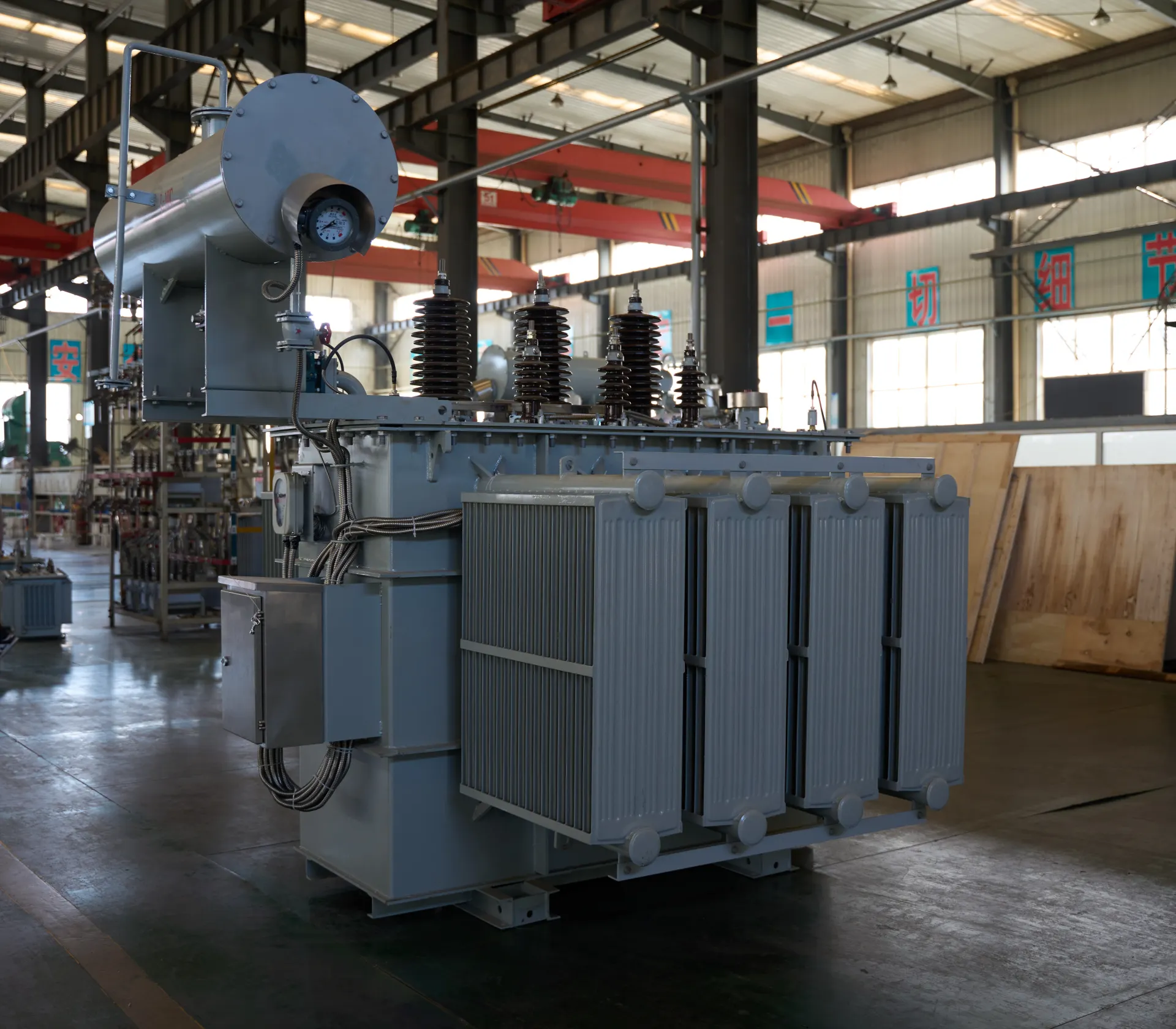
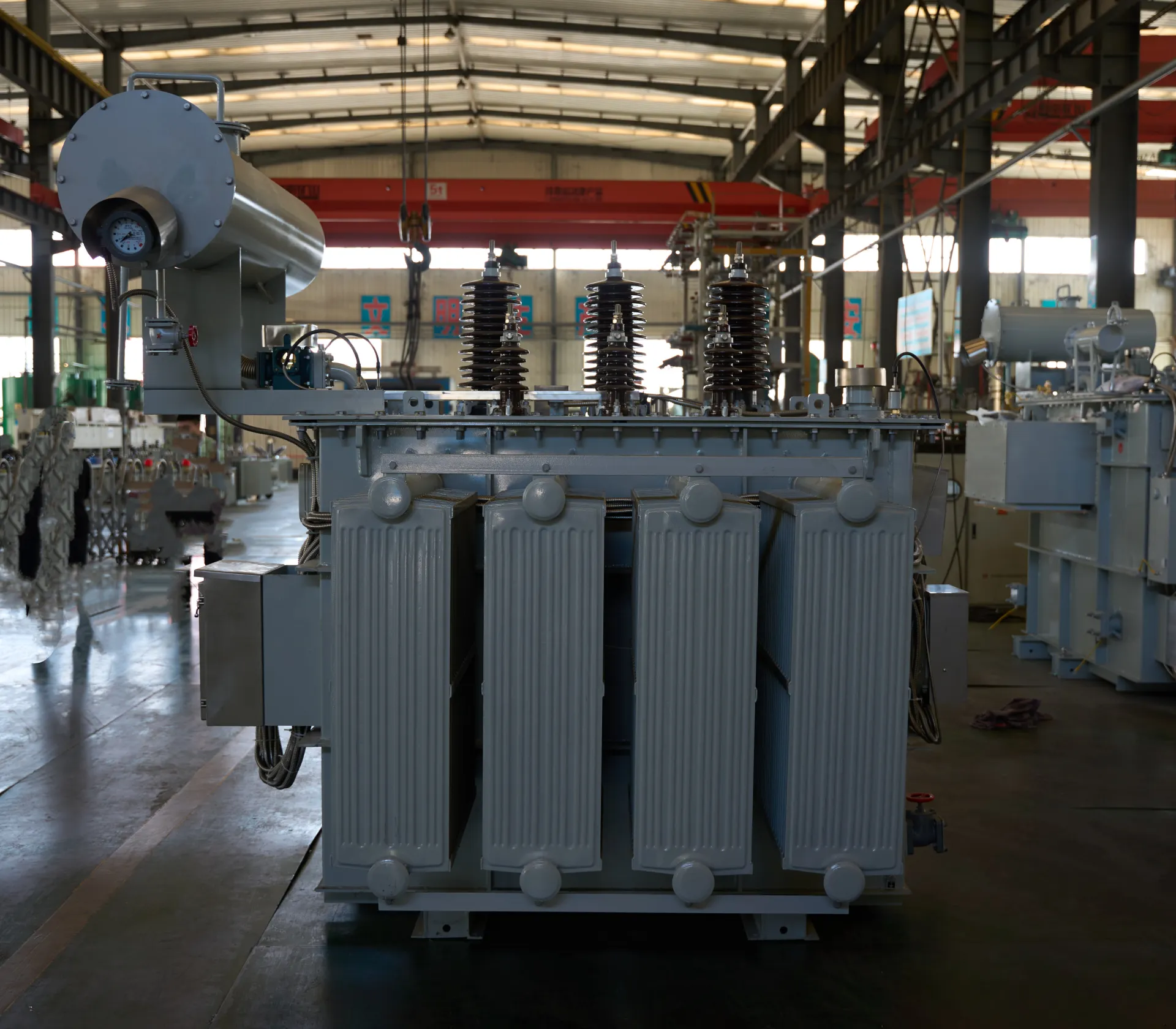
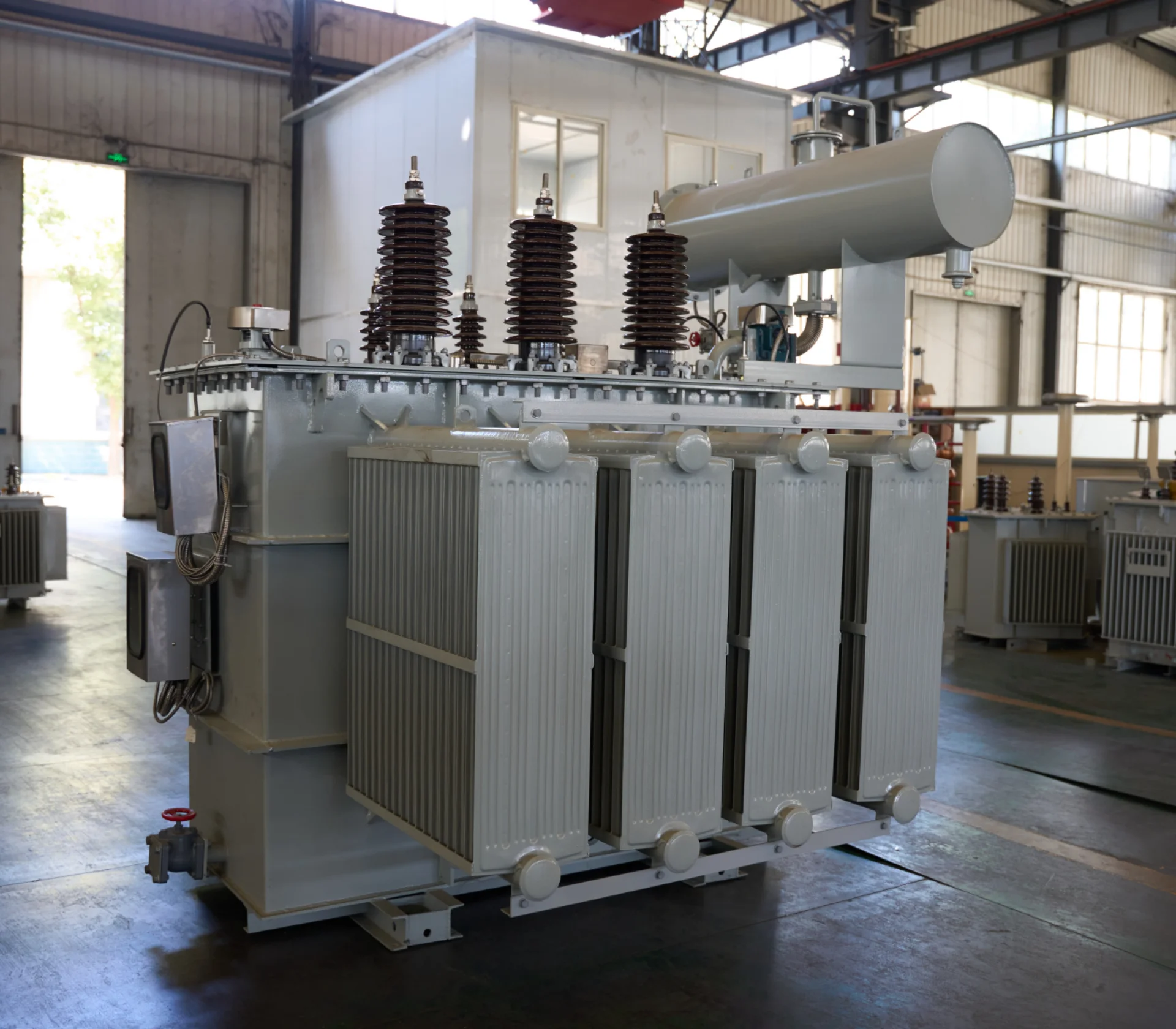


2500kVA Substation Transformer
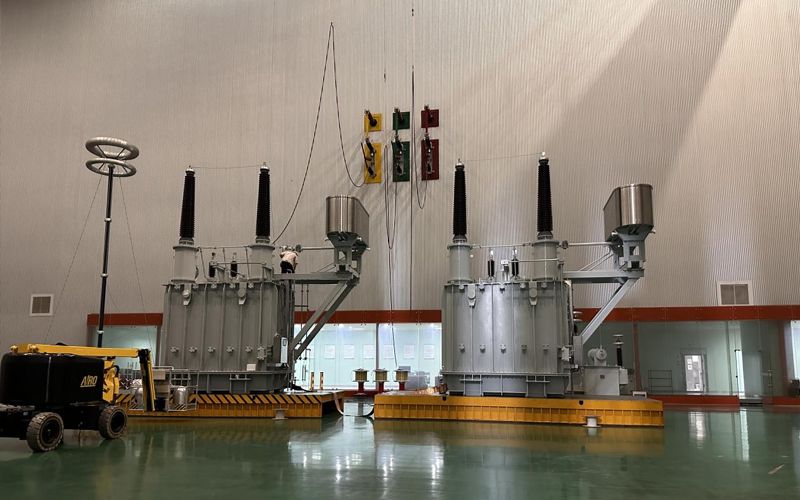
The 2500kVA Substation Transformer stands as a robust, high-capacity solution engineered for medium-voltage power substations, delivering reliable step-down transformation with exceptional energy efficiency and durability. This oil-immersed unit features premium grain-oriented silicon steel laminations and low-loss copper windings to achieve superior no-load and load efficiency ratings, often exceeding 99% under typical operating conditions. Designed with ONAN cooling for natural convection reliability and optional ONAF upgrades for increased capacity during peak loads, it includes a conservator tank with high-quality mineral or biodegradable ester oil for optimal insulation and fire safety. Built to withstand demanding environments, it incorporates advanced protection like pressure relief valves, Buchholz relays, and temperature monitoring, while maintaining low noise levels and extended service life beyond 35 years. Compliant with IEC 60076, IEEE, and CSA standards, this substation transformer ensures stable voltage regulation, minimal losses, and seamless integration into utility, industrial, and renewable energy grids for cost-effective, sustainable power distribution.
- Primary Voltage Ratings 34.5-19.92/13.8-7.957/13.2-7.62/12.47-7.2, 33 or others
- Secondary Voltage Ratings 480/277V, 400/230V, 380/220V or customized
- H.V. Tap Range ± 2×2.5% HV taps or others
- Type Oil immersed transformer
- BIL 750kV
- Standards IEEE, ANSI, NEMA, IEC, CE
- Application power plants, renewable energy transmission
- Power Rating 2500kVA
- Certificate UL, CESI, IEEE
- Cooling Method ONAN, ONAN/ONAF, KNAN, KNAN/KNAF
- Oil Mineral Oil or FR3
- Opeartion Step Down
Technical Specifications
Customization Optional
Packing and Shipping
Manufacturer Test
Routine Testing
Application
Technical Specifications
2500kVA Substation Transformer
Technical Specifications
Accessories
| Rated Power | 2500kVA | |
| Rating Primary Voltage | 750kV | |
| Secondary Voltage | 480/277V 400/230V 380/220V Customized |
|
| Frequency | 50/60Hz | |
| Vector Group | Dyn11, Yyn0, Dyn5 | |
| Winding Material | Aluminum/Copper | |
| Efficiency | As IEEE, Doe 2016, CAS Std or Customized | |
| Impedance Voltage | Nominal 2% or Customized 1.1 - 5.75% | |
| Altitude | ≤1,000m or Customized | |
| Color | ANSI 70 Light gray/Munsell 7GY3.29/1.5 or customized, etc | |
| Tank material | Mild Steel, 304 Stainless Steel | |
| HV Bushing |
| LV Bushing |
| Tap changer |
| Oil level gauge |
| Oil temperature indicator |
| Pressure relief device |
| Pressure vacuum gauge |
| Lifting hook for complete transformer |
| Name plate |
| Radiators |
| Oil upper filtering valve |
| Oil drain valve with 3/8" sampler |
Customization Optional
2500kVA Substation Transformer
The 2500kVA Substation Transformer offers broad customization capabilities to precisely fit utility, industrial, or renewable project specifications while maximizing efficiency and longevity. Core materials can be selected from high-grade grain-oriented silicon steel or advanced amorphous alloys for further reduced no-load losses, paired with copper or aluminum windings to optimize conductivity, cost, and thermal performance. Voltage configurations support a wide range, including 33kV/11kV, 35kV/6.6kV, or custom high-voltage primaries up to 66kV, with secondary options like 0.4kV, 6.6kV, or 11kV for flexible grid matching. Tap changer systems range from off-circuit (±5%) for standard regulation to on-load tap changers (OLTC) with up to 17 steps for automatic voltage control under varying loads, enhancing network stability.
Further enhancements include cooling upgrades to ONAF for a 20-30% capacity boost in high-ambient or overload scenarios, eco-friendly FR3 or vegetable ester fluids for superior fire resistance and biodegradability, and specialized tank designs, such as sealed or corrugated for reduced maintenance in harsh conditions. Protective accessories like advanced DGA monitoring, fiber-optic sensors, surge arresters, and neutral grounding devices enable smart substation integration with SCADA compatibility. Vector groups (Dyn11, YNd1, etc.), impedance tuning (5.5-7.5%), and noise attenuation packages below 60dB cater to urban or sensitive sites. These options ensure optimal performance and SEO prominence for "customizable 2500kVA oil-immersed substation transformers."
Packing and Shipping
2500kVA Substation Transformer
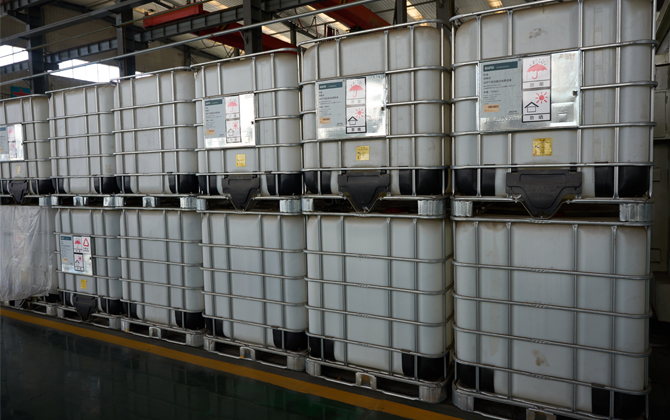
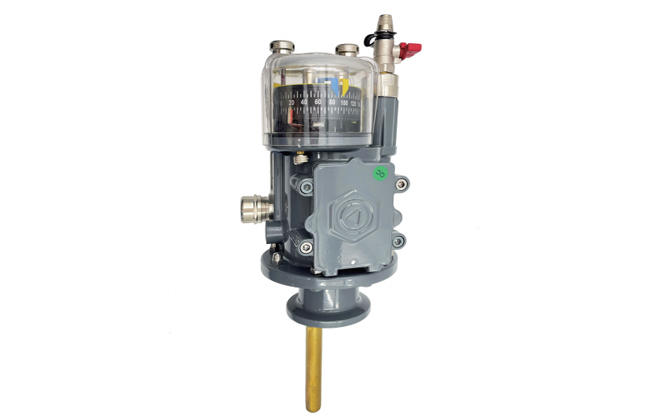
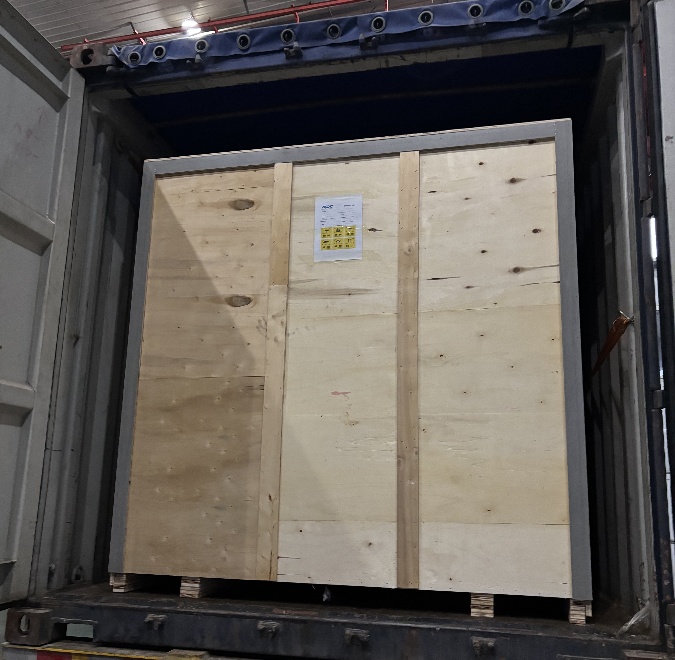
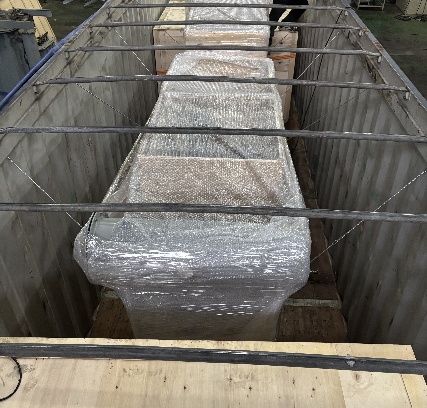
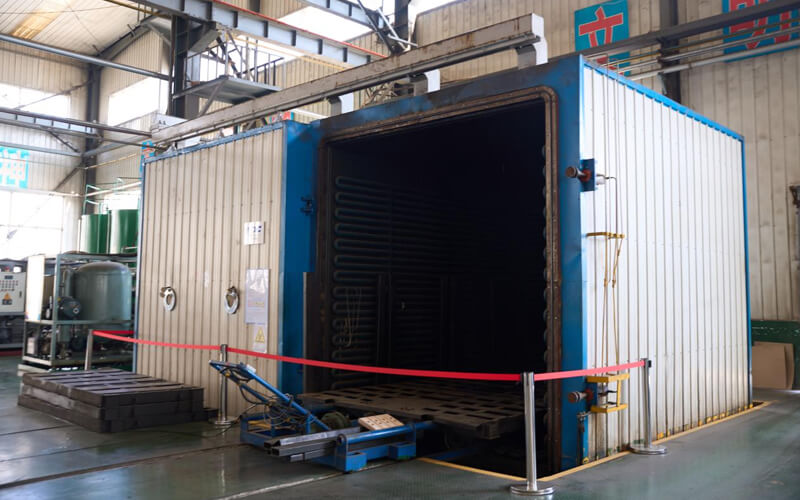
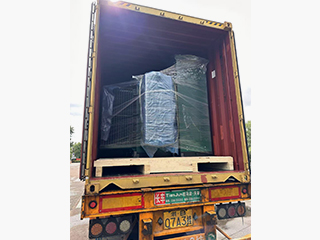
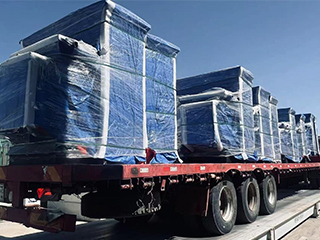
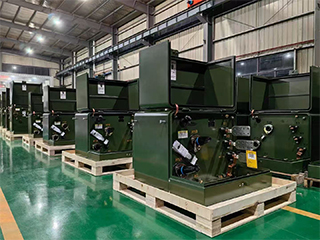
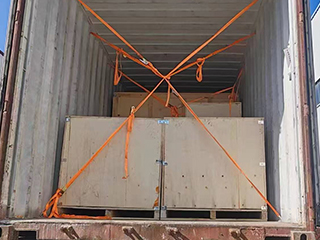
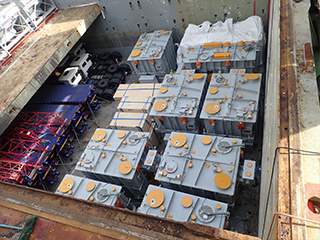
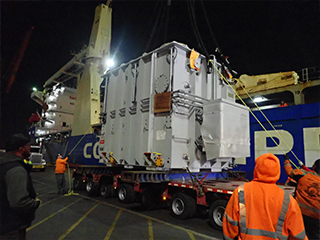
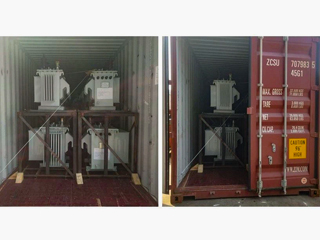
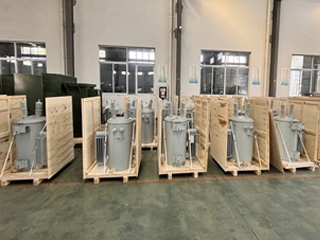
Packaging for the 2500kVA Substation Transformer prioritizes maximum protection during rigorous transport, utilizing reinforced steel bases and anti-vibration isolators to secure the heavy core-coil assembly. The unit receives multi-layer corrosion-resistant wrapping, moisture-proof barriers, and individual shielding for bushings, radiators, and accessories. A heavy-duty, ISPM 15-compliant wooden crate or open steel frame fully encloses the transformer, incorporating desiccant packs, humidity indicators, and shock/tilt recorders for real-time handling verification. This meticulous approach safeguards the oil-immersed components against impacts, vibrations, and environmental exposure, ensuring the high-efficiency unit arrives installation-ready.
Shipping solutions are tailored for global delivery of this substation transformer, balancing speed, cost, and safety. Ocean freight in specialized 40ft open-top or flat-rack containers provides economical international transport with secure lashing per IMO guidelines, typically 25-55 days to key ports. Urgent shipments leverage air freight for critical components (5-12 days), while overland transport uses low-loader trailers with escorts for oversized movements. Full-value insurance covers the entire journey, addressing risks in "substation transformer heavy logistics" searches.
All shipments include complete export documentation: commercial invoices, origin certificates, packing lists, test reports, and oil-specific hazardous declarations to expedite customs. Sustainable practices incorporate recyclable materials and route optimization for reduced emissions. Clients benefit from dedicated tracking portals offering GPS updates, ETA notifications, and coordinator assistance from factory to site.
Post-arrival support features detailed unpacking instructions, optional on-site supervision, oil quality checks, and packaging recycling coordination to accelerate commissioning. For multi-transformer contracts, phased logistics minimize storage demands. This comprehensive service delivers the 2500kVA unit flawlessly, optimizing visibility for "secure global substation transformer shipping."
Shipping solutions are tailored for global delivery of this substation transformer, balancing speed, cost, and safety. Ocean freight in specialized 40ft open-top or flat-rack containers provides economical international transport with secure lashing per IMO guidelines, typically 25-55 days to key ports. Urgent shipments leverage air freight for critical components (5-12 days), while overland transport uses low-loader trailers with escorts for oversized movements. Full-value insurance covers the entire journey, addressing risks in "substation transformer heavy logistics" searches.
All shipments include complete export documentation: commercial invoices, origin certificates, packing lists, test reports, and oil-specific hazardous declarations to expedite customs. Sustainable practices incorporate recyclable materials and route optimization for reduced emissions. Clients benefit from dedicated tracking portals offering GPS updates, ETA notifications, and coordinator assistance from factory to site.
Post-arrival support features detailed unpacking instructions, optional on-site supervision, oil quality checks, and packaging recycling coordination to accelerate commissioning. For multi-transformer contracts, phased logistics minimize storage demands. This comprehensive service delivers the 2500kVA unit flawlessly, optimizing visibility for "secure global substation transformer shipping."
32
32 years of industry experience
Manufacturer Test
2500kVA Substation Transformer
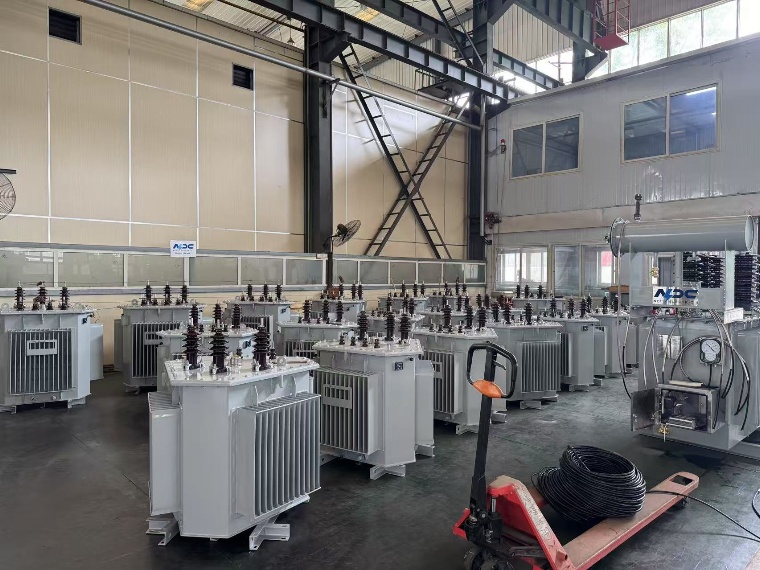
Progress Test
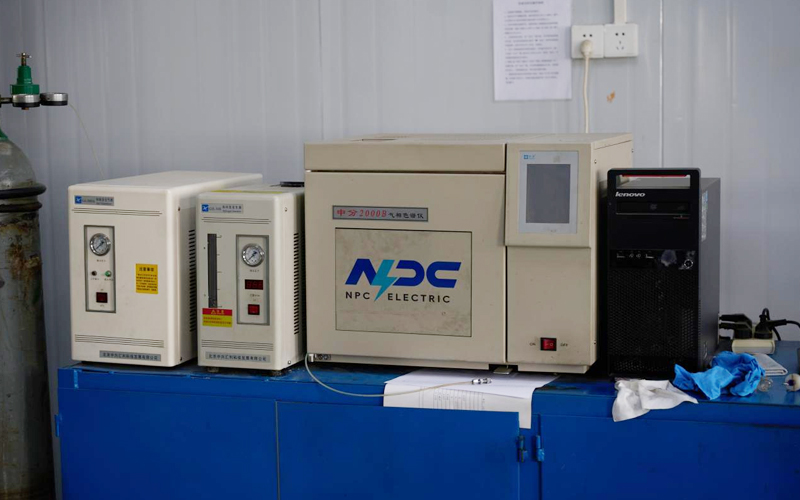
Mid-stage progress testing includes partial discharge mapping under induced voltage to identify insulation defects below 5pC threshold. Cooling system hydraulics are verified through radiator pressure drop and flow uniformity evaluations for effective ONAN performance. Oil processing monitors achieve moisture levels under 8ppm and dielectric strength above 65kV. Mechanical resonance analysis on the assembled active part prevents operational vibrations. Thermal imaging during preliminary energization confirms even temperature distribution, solidifying compliance with high-capacity efficiency goals.
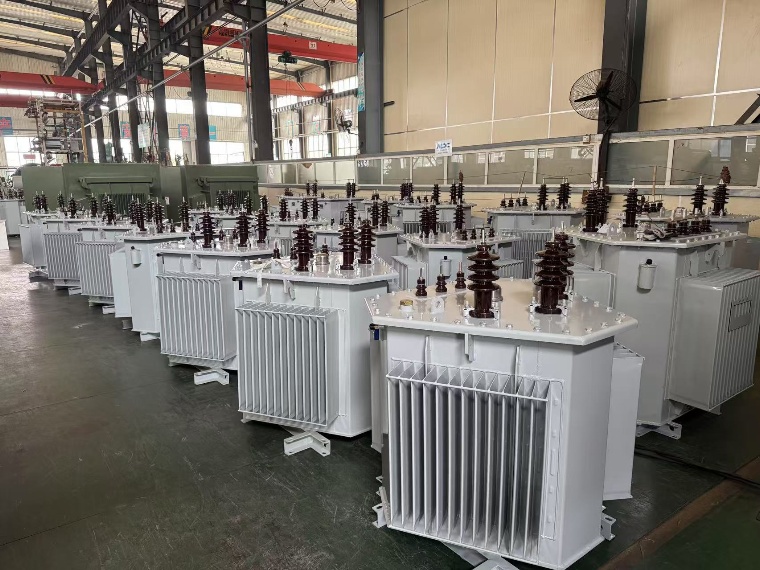
Design Tests
All transformer will be tested after finishing the production, test items as follows:
♦ Insulation Power Factor
♦ Ratio, Polarity, and Phase Relation
♦ Winding Resistance
♦ Impulse Tests
♦ On load Loss Test
♦ No Load Loss Test
♦ Leak Test
♦ DC Insulation Resistance Test
♦ Transformer Turns Ratio/TTR (All Tap Voltages)
♦ Impedance Voltage & Load Loss (Rated Voltage)
♦ Polarity, 1-Ph / Phase Relation, 3-Ph (Rated Voltage)
♦ Excitation & No-Load Loss (Rated Voltage)
♦ Lightning Impulse
♦ Insulation Resistance (Rated Voltage)
♦ Temperature Rise
♦ Dielectric Withstand (Hipot)
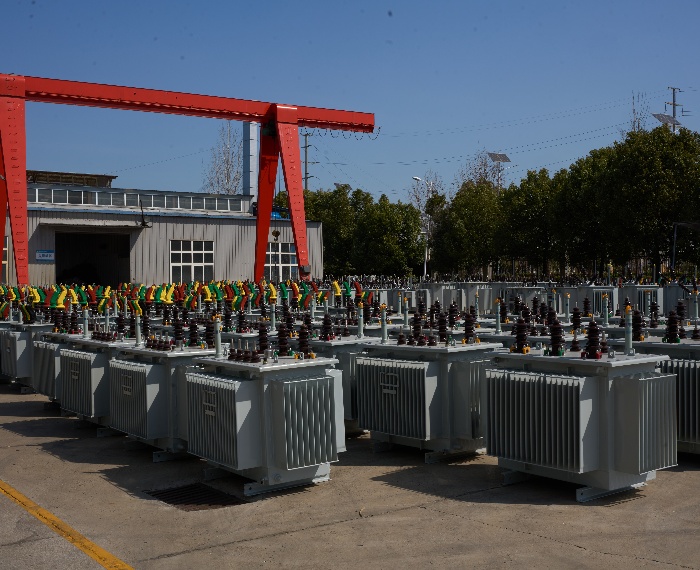
Transformer Factory Acceptance Test
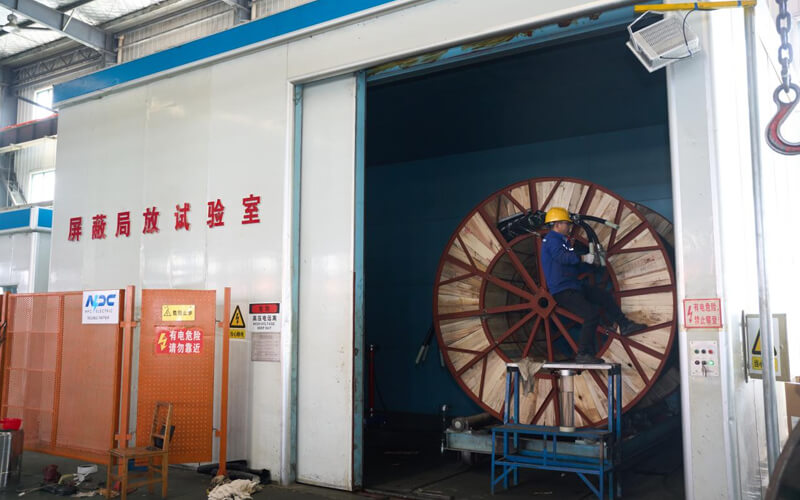
Extended FAT encompasses temperature rise testing under sustained rated load, with sensor-monitored oil and winding hotspots maintained within 60K limits for ONAN cooling. Sound power level assessment in acoustic chambers verifies operation below 62dB. Lightning impulse and switching surge tests confirm BIL ratings without flashover. OLTC operation cycles exceed 1000 operations, while partial discharge levels remain under 10pC during induced overvoltage. Final checks include accessory functionality and zero-sequence impedance, certifying the transformer's readiness for reliable substation deployment.
Routine Test - Insulation Power Factor
Purpose of Testing
The purpose of testing the insulation power factor is to evaluate the dielectric loss of the insulation system in electrical equipment, and to determine whether issues such as moisture ingress, aging, or contamination are present. A high power factor value usually indicates insulation deterioration.
Testing Equipment
Insulation power factor tester (e.g., brands like Doble, Megger) Voltage source (typically 1 kV, 2.5 kV, or 10 kV or as the customer request standard) Temperature and humidity meter (for recording environmental conditions)
Pre-Test Preparation
De-energize tap changer the equipment and ensure it has been properly grounded and discharged. Make sure the bushings and terminal connections to prevent surface contamination from affecting test results. Perform the test under suitable environmental conditions: relative humidity below 75% and no rain (recommended temperature: 20–30°C). Calibrate and inspect the test instruments to ensure they are in good working condition.
Test Progress
Connect the Test Instrument: Connect the test equipment to the bushings or terminals of the equipment under test and ensure proper grounding. Apply Test Voltage: Select the appropriate test voltage according to the rated voltage of the equipment (e.g., 25 kV for high-voltage windings or as the request of the pad mounted transformer).
Measure and Record
Start the test and record the following parameters: Capacitive current (IC) Power current (IW) Power factor (PF) or dissipation factor (Tanδ) Capacitance Ambient temperature and humidity at the time of testing
Temperature Correction
Correct the measured power factor to the reference temperature (typically 20°C) for accurate evaluation.
Repeat Testing (if necessary)
Measure different windings (high-voltage, medium-voltage, low-voltage) and bushings separately for comparative analysis.
Evaluation Criteria (Reference)
Insulation power factor ≤ 0.5% (Excellent) 0.5% < Power factor ≤ 1% (Good) 1% (Further inspection or corrective action required) Test standard:IEEE C57.12.00 & IEEE C57.12.90 (Liquid-Immersed)
*These comprehensive tests ensure that each transformer meets performance standards and operates
reliably under various conditions.
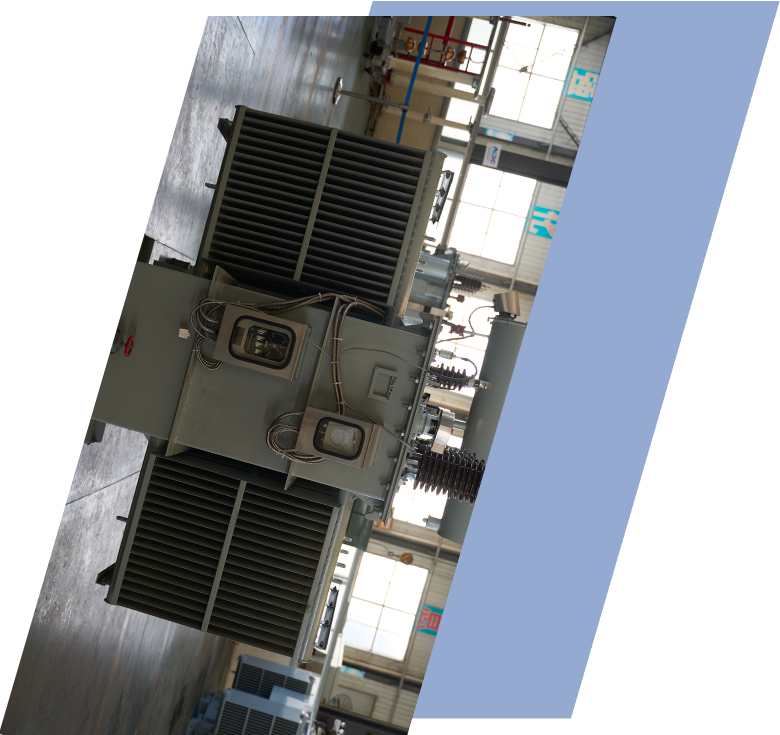
Application
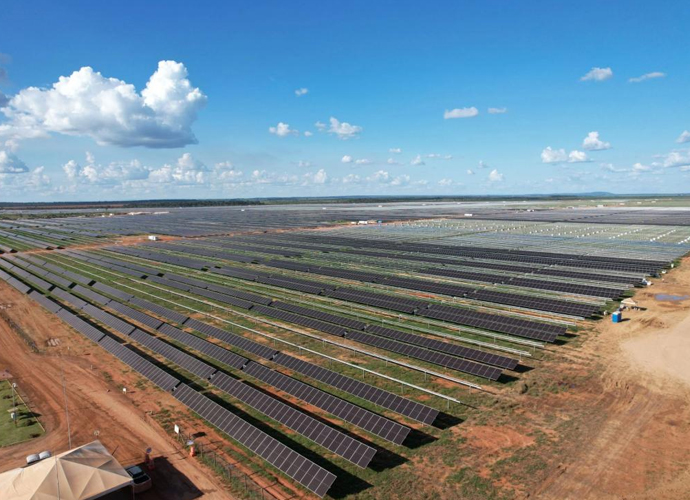
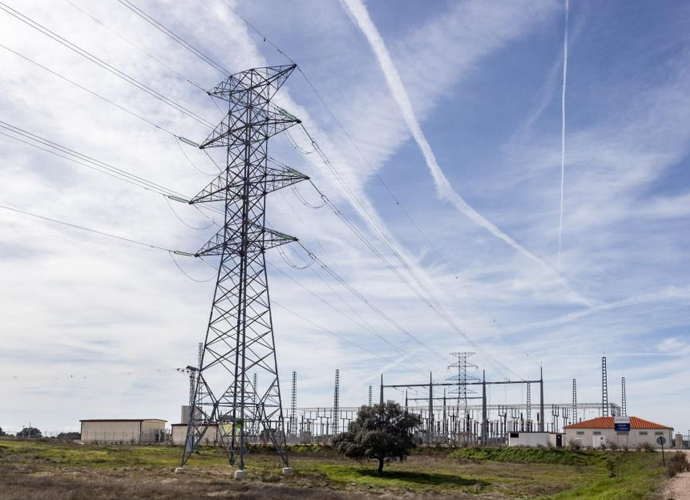
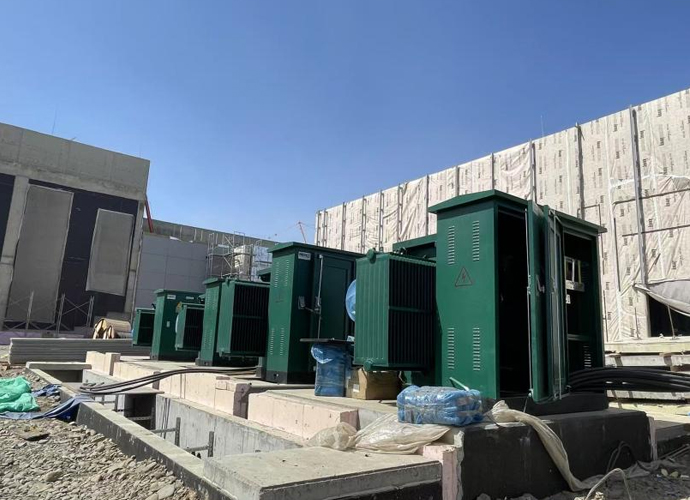
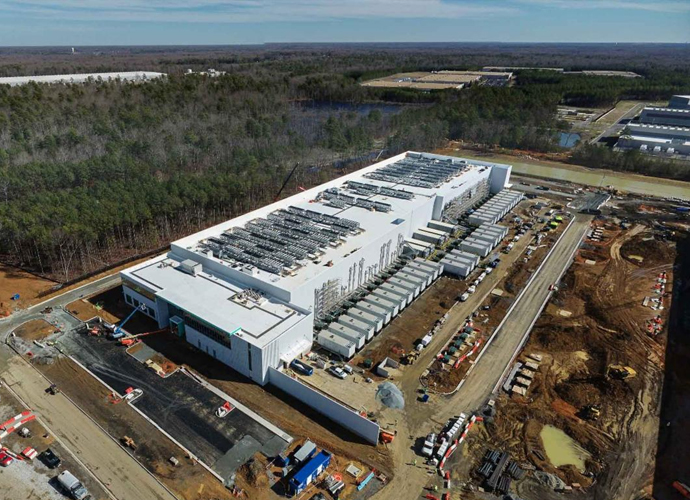
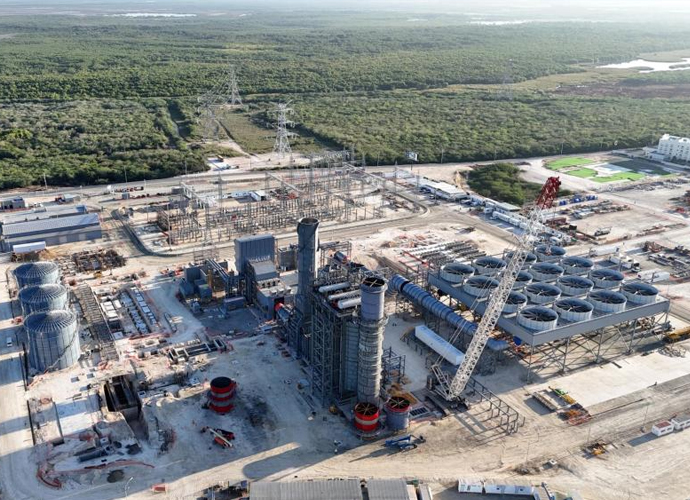
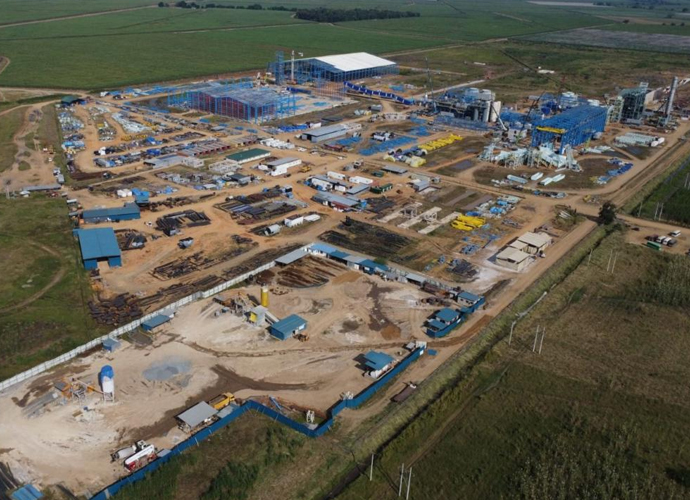
Essential in utility substations and renewable energy parks, efficiently stepping down transmission voltage for grid integration and reliable distribution to extensive networks.


Technical Advantages
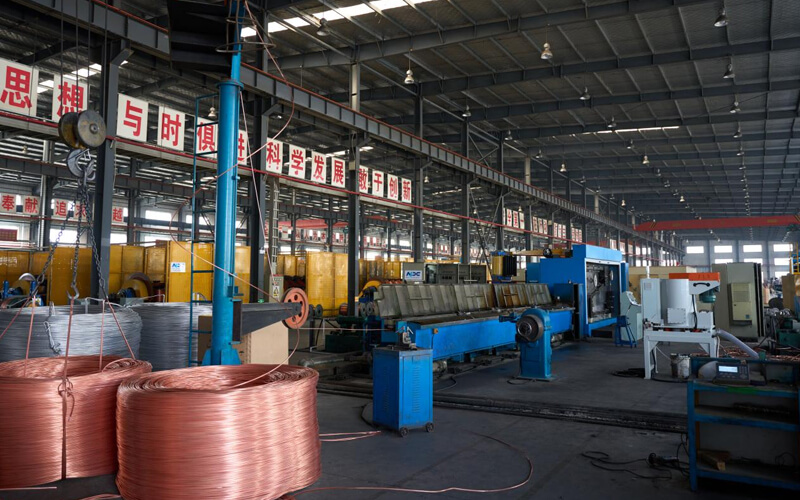
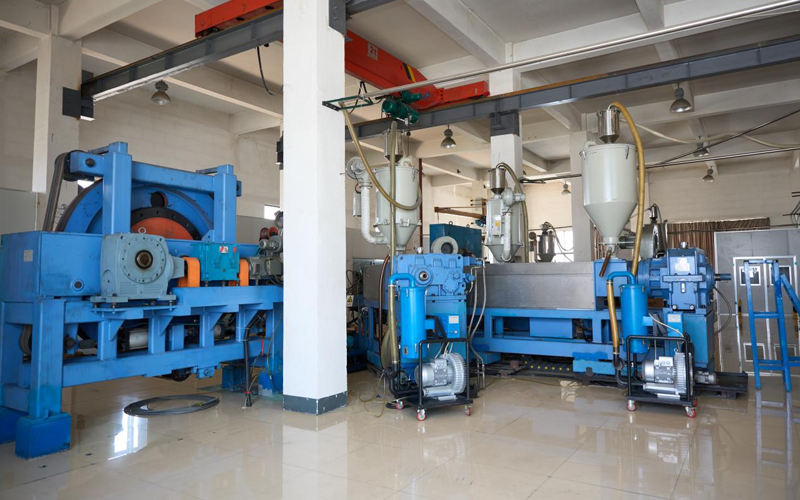
● 30+ years of manufacturing experience
● ISO and UL certified production
● Customized cable and transformer solutions
Product Packaging
Transformers Packaging (1)
Transformers Packaging (2)
Transformers Packaging (3)
Transformers Packaging (4)
Transformers Packaging (5)
Transformers Packaging (6)
Transformers Packaging (7)
Transformers Packaging (8)
Related Products
130kV 10MVA / 25MVA / 40MVA Electrical Power Transformer
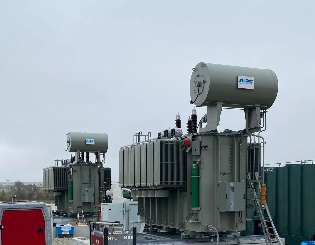
The 130kV Electrical Power Transformer with ratings of 10MVA, 25MVA, and 40MVA is designed to support medium-to-large capacity power transmission and distribution systems. It is engineered to provide consistent voltage conversion, high operational efficiency, and excellent thermal stability under variable grid conditions. The transformer incorporates a precisely calculated magnetic core, high-strength winding design, and an oil-immersed insulation system that enhances heat dissipation and electrical reliability. Its structure is optimized to withstand electrical stress, mechanical vibration, and long-term continuous operation. Suitable for outdoor installation, the transformer maintains stable performance in challenging environments such as high temperature, humidity, or heavy industrial zones. Built in accordance with recognized international standards, it offers dependable service life and reduced maintenance requirements for modern power networks.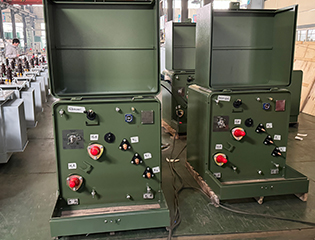
250kVA Single Phase Pad Mounted Transformer
NPC ELECTRIC 250 kVA single phase pad mounted transformer operates safely, reliably, and efficiently and can be installed indoors and outdoors. The industrial transformer has a rated power of 250 kVA, a primary voltage of 27600/16000V single-phase and a secondary voltage of 120/240V single-phase.The transformer has a primary loop feed and dead front primary connections.
200kVA Dry Type Transformer
200kVA Dry Type Transformer is designed for high efficiency and reliable performance in various industrial and commercial applications. With a robust and compact design, it ensures safe operation without the need for external cooling fluids. Ideal for environments where space and fire safety are critical, this transformer provides reliable power distribution while minimizing environmental impact. Built with advanced materials and precision engineering, it offers excellent durability, low maintenance, and energy savings, making it the perfect choice for demanding electrical needs.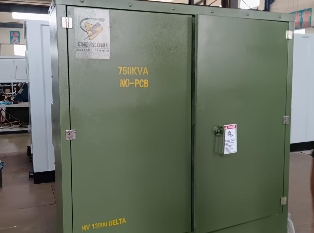
750kVA Radial Feed Pad Mounted transformer To Honduras
The 750 kVA pad-mounted transformer meets IEEE C57.12.34, IEEE C57.12.24, and IEEE C57.12.00 standards. The transformer manufacturer as the Honduras’s customer request with Radial feed, Aluminum Widning, Primary voltage:13.8kV Secondary Voltage:480/277V NEMA standard Spade Low Voltage Terminal with 6 hols.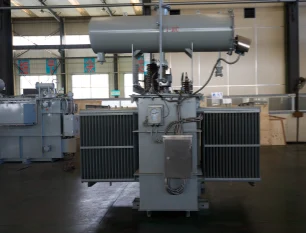
5MVA / 6.3MVA 35kV Three-Phase Oil-Immersed Step-Down Power Transformer
The 5MVA / 6.3MVA 35kV Three-Phase Oil-Immersed Step-Down Power Transformer is designed for reliable voltage reduction in medium-voltage power distribution systems. Built with high-grade silicon-steel cores, premium copper windings, and advanced oil-immersed cooling, it delivers low losses, strong short-circuit resistance, and stable thermal performance. The transformer features robust insulation, durable tank construction, and precision-engineered components to ensure long operational life. Suitable for industrial plants, utility substations, renewable energy facilities, and commercial power distribution, it supports both on-load and off-load tap changers for accurate voltage regulation. Engineered in compliance with IEC standards, this 35kV step-down transformer ensures high efficiency, dependable performance, and safe power delivery under various environmental and load conditions.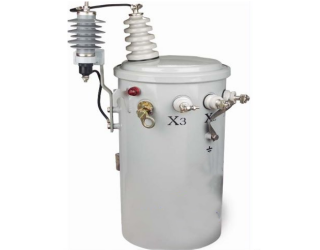
50kVA Completely self-protected(CSP) Single Phase Pole Mounted Transformer
50kVA Completely self-protected(CSP) Single Phase pole Mounted transformer is a robust, high-efficiency solution designed for reliable single-phase power distribution in residential, commercial, and small industrial applications. This transformer features built-in protection mechanisms, including overload, short-circuit, and over-voltage safeguards, ensuring automatic disconnection during fault conditions to protect both the transformer and the electrical system. With its pole-mounted design, it is space-efficient and ideal for installations in urban, rural, and remote areas. The transformer operates with low losses, ensuring high energy efficiency and long-term performance. Built with durable materials, it offers exceptional resilience against harsh weather conditions, ensuring reliability and longevity. This transformer is an ideal choice for any application requiring consistent, stable single-phase power.FAQ From Customers
-
What is a Transformer?A transformer is an electrical device used to change the voltage of alternating current (AC). It works on the principle of electromagnetic induction, converting high-voltage current into low-voltage current or low-voltage current into high-voltage current. Transformers are widely used in power transmission, distribution systems, and various electronic devices.
-
What are the main uses of a transformer?The main use of a transformer is voltage conversion. Transformers are used in power transmission systems to help transfer electricity from power plants to consumers. In addition, transformers are also used in electronic devices such as chargers, televisions, power adapters, etc., to adjust the voltage to meet the requirements of different devices.
-
Do you have UL listed?Yes, our transformer has UL listed. We have exported to America many pad mounted transformer,substation transformer and HV.
Welcome your inquiry
Honesty, Integrity, Frugality, Activeness and Passion