


80kVA Dry Type Transformer
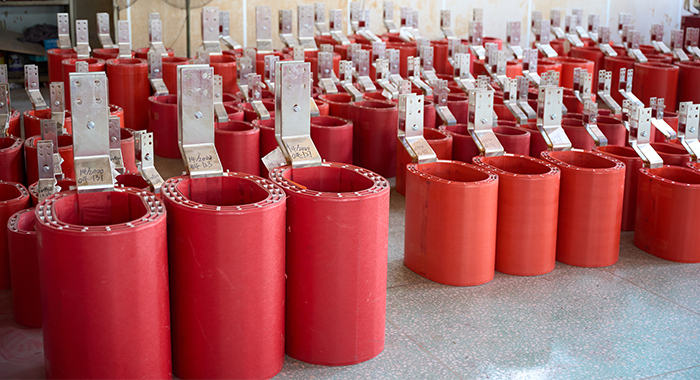
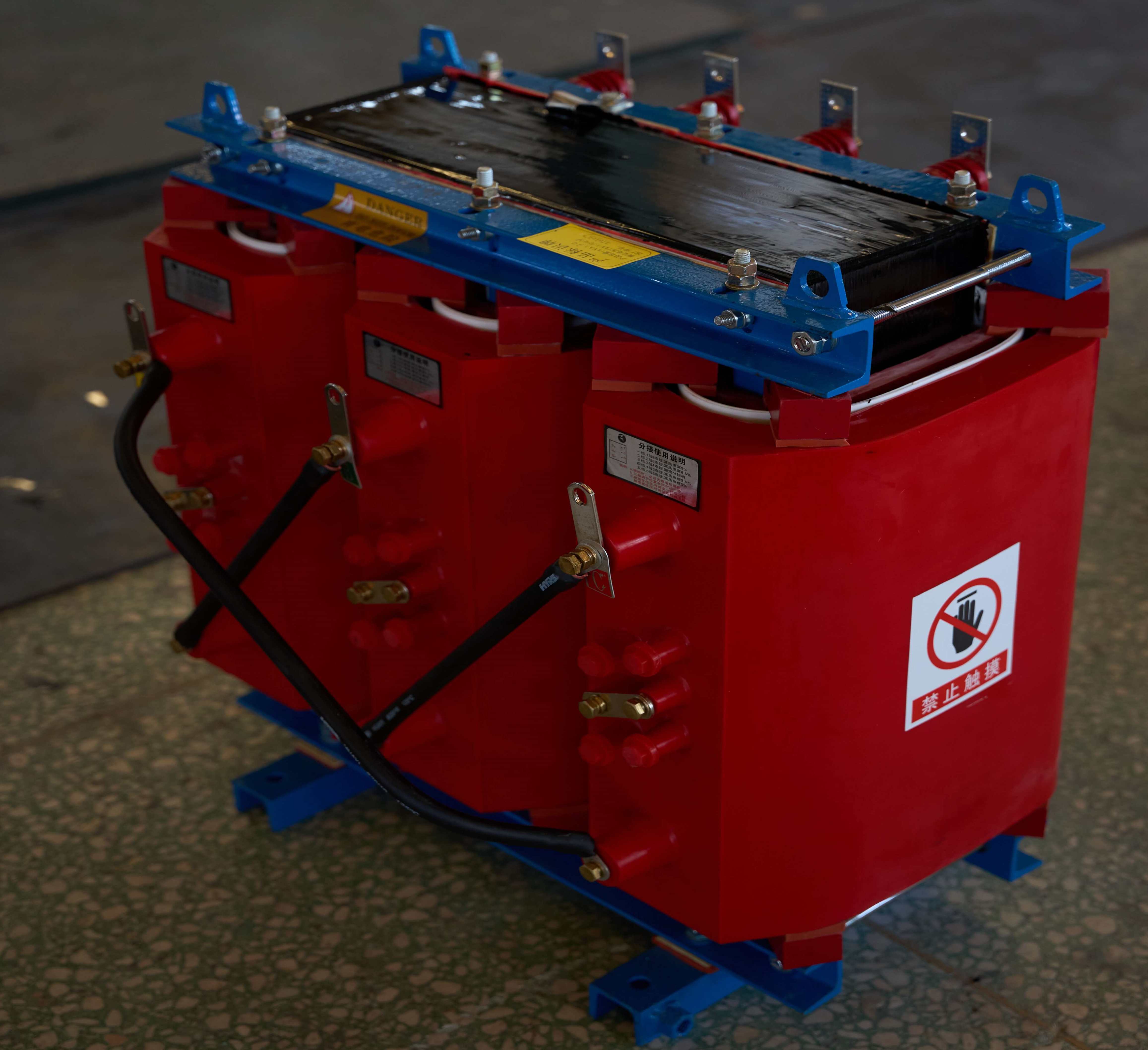
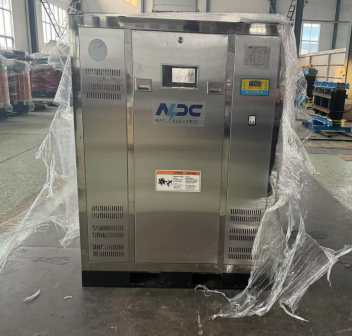
80kVA dry-type transformer launched by NPC ELECTRIC adopts advanced dry insulation technology, has the advantages of high efficiency, environmental protection, and safety, and is widely used in industrial, commercial, and residential power systems. The transformer has a compact design, strong load-bearing capacity, stable operation, and effectively reduces energy loss. The oil-free structure reduces the risk of fire, meets modern green environmental standards, and is suitable for use in environments with high requirements for power stability and low noise.
- Primary Voltage Ratings 34.5-19.92/13.8-7.957/13.2-7.62/12.47-7.2, 24.94, 26.25, 33 or others
- Secondary Voltage Ratings 480/277V,400/230V,380/220V or customized
- H.V. Tap Range ± 2×2.5% HV taps or others
- Type Dry type transformer
- BIL 30/95kV
- Standards IEEE, ANSI, NEMA,IEC
- Application power distribution, commercial buildings
- Power Rating 80kVA
- Certificate UL ,CESI, ISO
- Cooling Method OA/OF
- Opeartion Step Down & Step Up
Technical Specifications
Customization Optional
Packing and Shipping
Manufacturer Test
Routine Testing
Application
Technical Specifications
80kVA Dry Type Transformer
Technical Specifications
Accessories
| Rated Power | 80 kVA | |
| Rating Primary Voltage | 2.4-34.5kV | |
| Secondary Voltage | 480/277V 400/230V 380/220V Customized |
|
| Frequency | 50/60Hz | |
| Vector Group | Dyn11,Yyn0,Dyn5 | |
| Winding Material | Aluminum/Copper | |
| Efficiency | As IEEE,Doe 2016,CAS Std or Customized | |
| Impedance Voltage | Nominal 2% or Customized 1.1-5.75% | |
| Altitude | ≤1,000m or Customized | |
| Enclosure material | 304 Stainless Steel | |
| Total Weight | 400 kg | |
| Outline Dimensions(L×W×H)in. | 700×600×1050(mm) | |
| HV Bushing |
| LV Bushing |
| Tap changer connector |
| Lifting hook for complete transformer |
| Name plate |
Customization Optional
80kVA Dry Type Transformer
Tailor the 80kVA dry type transformer to match exact voltage, environmental, and load conditions with versatile configurations for modern facilities. Primary voltages range from 208V to 600V in delta or wye setups (common examples: 480V Delta, 600V Delta, dual-voltage 240/480V), while secondary options include 208Y/120V, 480Y/277V, 240/120V, or specialized low-voltage designs, with vector groups like Dyn11 or Delta-Wye to ensure compatibility with grounding schemes and phase requirements.
Choose aluminum windings for standard cost-efficiency or premium copper for superior conductivity, lower losses, and better thermal performance. Temperature rise selections offer 150°C (typical), 115°C, or 80°C for enhanced efficiency and longevity in elevated ambient temperatures, paired with 220°C or higher insulation class materials.
Enclosure varieties include ventilated NEMA 1 for dry indoor use, NEMA 3R with added louvers or weathershields for outdoor/damp exposure, or fully encapsulated (potted) for dust, moisture, corrosive, or hazardous locations. Harmonic mitigation features K-factor ratings (4, 9, 13, 20+) handle nonlinear loads from VFDs, LEDs, or servers, while electrostatic shields reduce common-mode noise and transients. Additional enhancements encompass forced-air fans for overload boosting, integral primary/secondary circuit breakers, surge arresters, digital temperature probes with alarms, SCADA connectivity, low-noise designs (3-5 dB below NEMA), seismic bracing (OSHPD-compliant), wall-mount brackets, 50/60Hz dual frequency, or special impedance adjustments. All custom builds undergo detailed engineering validation to comply with IEEE, ANSI, NEMA, UL, CSA, and DOE efficiency rules (including 2029-amended levels), minimizing no-load/load losses, optimizing impedance (typically 2-6%), and lowering total cost of ownership through improved energy savings, safety, and reliability in space-limited or sensitive environments.
Packing and Shipping
80kVA Dry Type Transformer
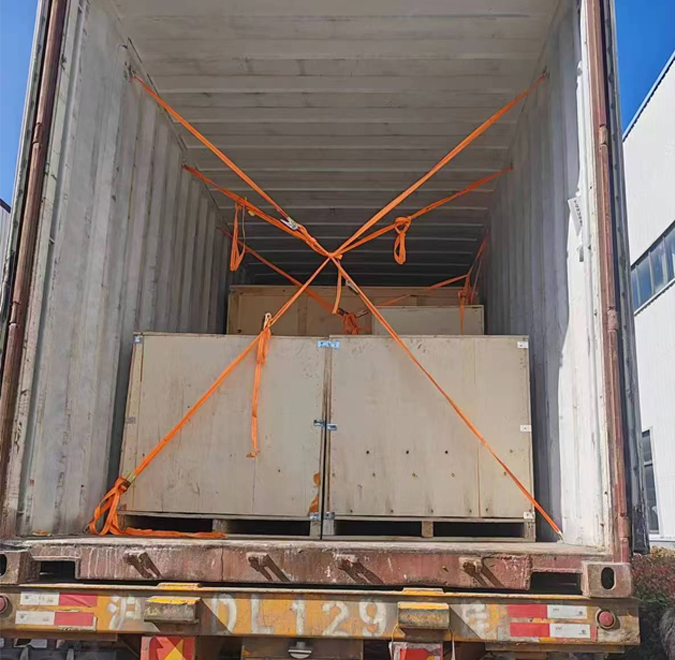
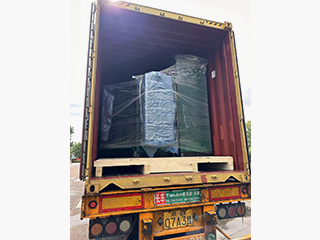
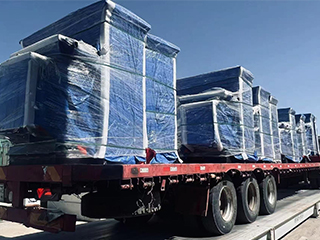
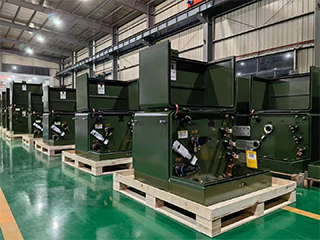
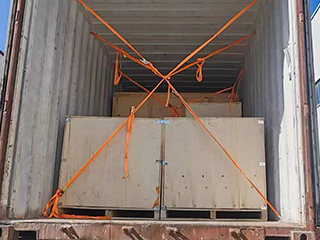
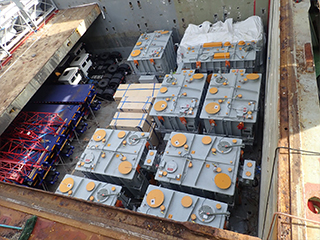
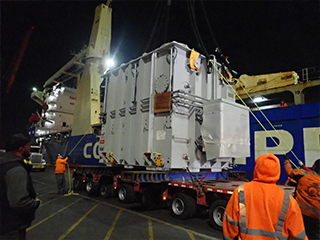
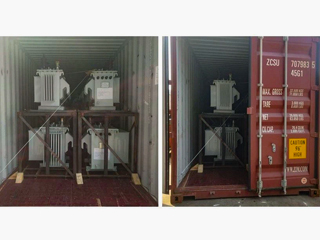
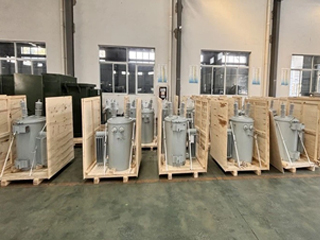
NPC ELECTRIC’s dry-type transformers are meticulously packaged for secure sea freight and long-distance transport, the packaging and shipping process of 80kVA dry-type transformers involves several key links to ensure that the transformers can arrive at the destination safely and intact during transportation.
First, the transformers will be packed in sturdy wooden boxes to provide adequate pressure and shock protection, and the interior will be filled with foam plastic or sponge pads to avoid displacement or impact during transportation.
The packaging boxes will be clearly labeled with the transformer model, destination, consignee information and transportation precautions, such as "fragile items" and "moisture-proof" warning signs to ensure that the transport personnel are extra careful during handling.
During transportation, the transformers will be transported by appropriate transportation methods (such as trucks, railways or sea transportation), and the box will be ensured to be stable during loading to avoid tilting or severe vibration.
The interior of the transport vehicle will be properly treated with shock and moisture protection, especially when transporting by sea or long-distance transportation, waterproof and moisture-proof measures are particularly important.
After arriving at the destination, the consignee should carefully check the integrity of the packaging and the appearance of the transformer to ensure that there is no damage caused by collision or external conditions during transportation.
If any problems arise, contact the transportation company or supplier in time to resolve them. Every step of the entire packaging and transportation process must be strictly controlled to ensure that the transformer can be delivered to the customer safely and efficiently and can work normally after installation.
First, the transformers will be packed in sturdy wooden boxes to provide adequate pressure and shock protection, and the interior will be filled with foam plastic or sponge pads to avoid displacement or impact during transportation.
The packaging boxes will be clearly labeled with the transformer model, destination, consignee information and transportation precautions, such as "fragile items" and "moisture-proof" warning signs to ensure that the transport personnel are extra careful during handling.
During transportation, the transformers will be transported by appropriate transportation methods (such as trucks, railways or sea transportation), and the box will be ensured to be stable during loading to avoid tilting or severe vibration.
The interior of the transport vehicle will be properly treated with shock and moisture protection, especially when transporting by sea or long-distance transportation, waterproof and moisture-proof measures are particularly important.
After arriving at the destination, the consignee should carefully check the integrity of the packaging and the appearance of the transformer to ensure that there is no damage caused by collision or external conditions during transportation.
If any problems arise, contact the transportation company or supplier in time to resolve them. Every step of the entire packaging and transportation process must be strictly controlled to ensure that the transformer can be delivered to the customer safely and efficiently and can work normally after installation.
32
32 years of industry experience
Manufacturer Test
80kVA Dry Type Transformer
Progress Test
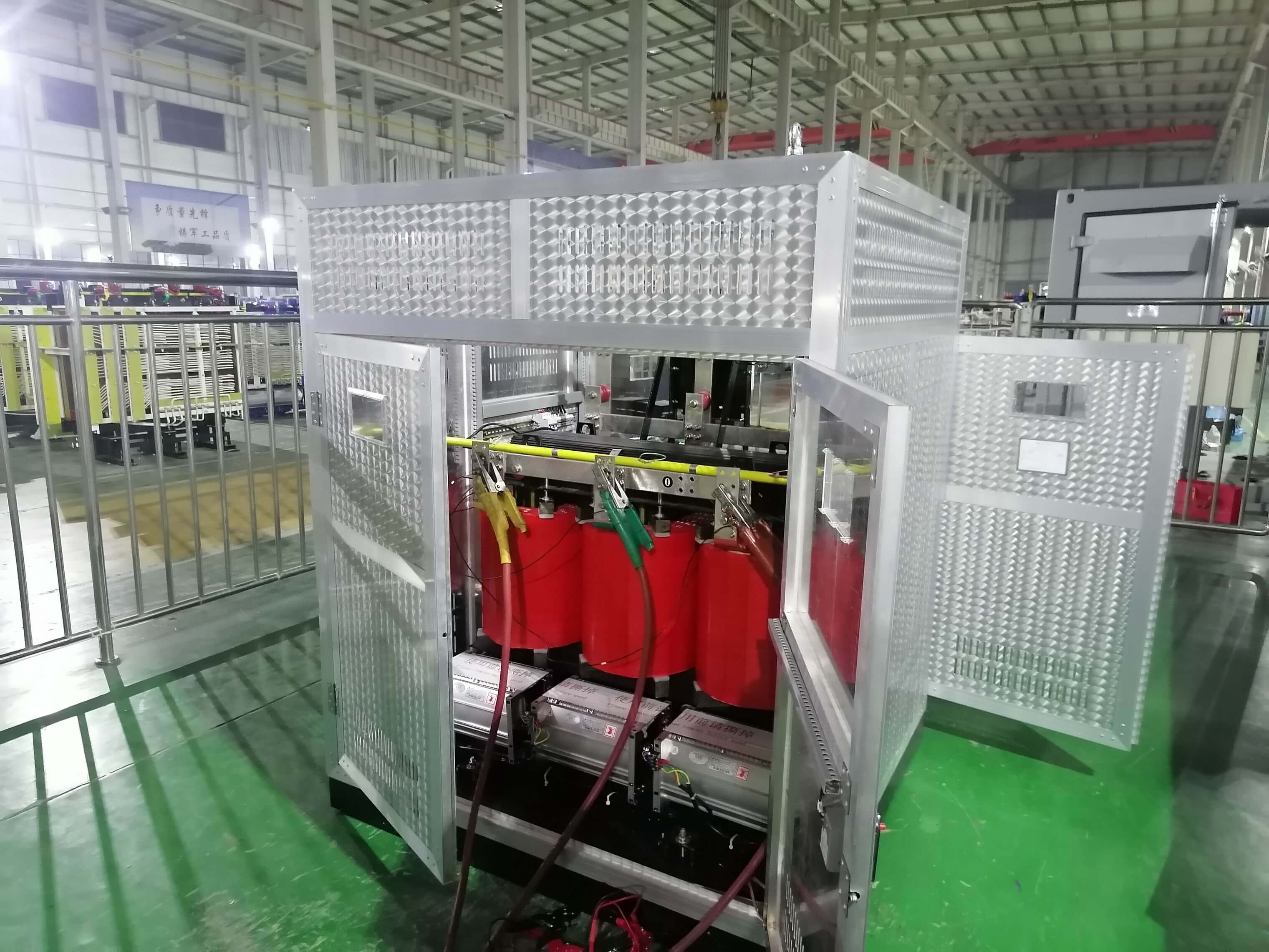
In order to ensure that the 80kVA dry-type transformers produced by NPC Electric can provide stable, safe and efficient power solutions in actual applications, NPC Electric will conduct comprehensive progress tests on them. The tests cover a number of key indicators from electrical performance to thermal management, load capacity, noise level, etc., to ensure that the transformer can maintain excellent working conditions under various load and environmental conditions.
First, the insulation performance test strictly evaluates the high-voltage insulation system of the transformer. The test results show that the insulation resistance of the transformer is much higher than 1000MΩ, which meets international electrical safety standards, ensuring that there will be no electrical leakage or insulation breakdown in long-term use, ensuring the long-term safety of the equipment.
In the no-load test, the operating status of the transformer under no-load conditions is fully tested. The test results show that the no-load current and no-load loss are in line with the design expectations. The transformer has excellent energy efficiency when running at no load, with stable current and low loss, further proving its advantages in high efficiency.
Design Tests
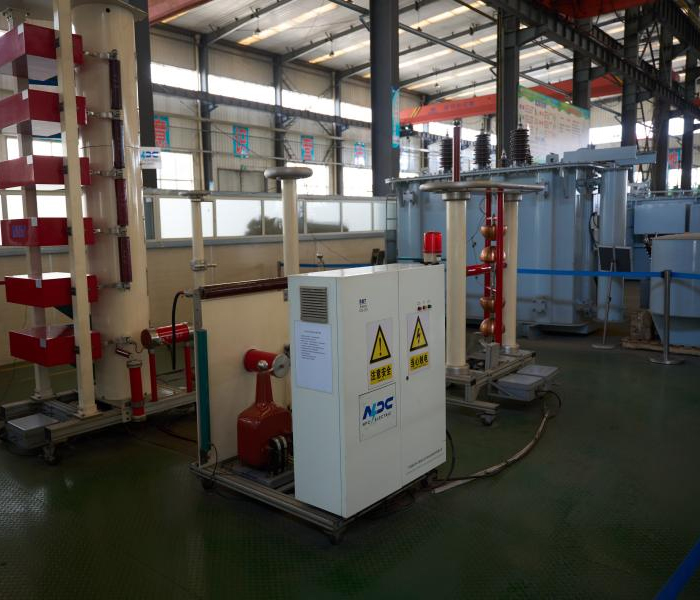
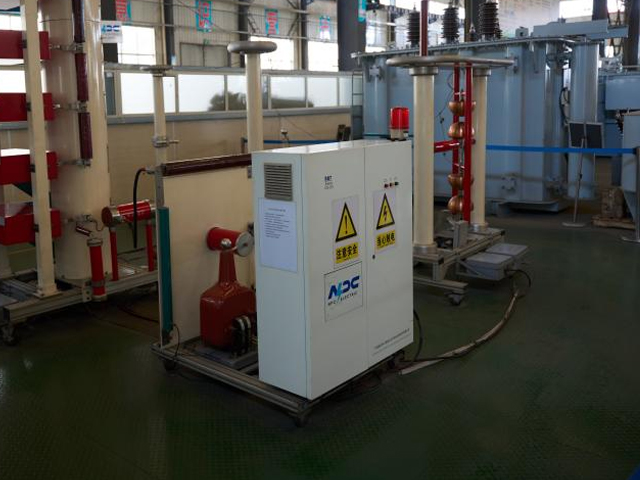
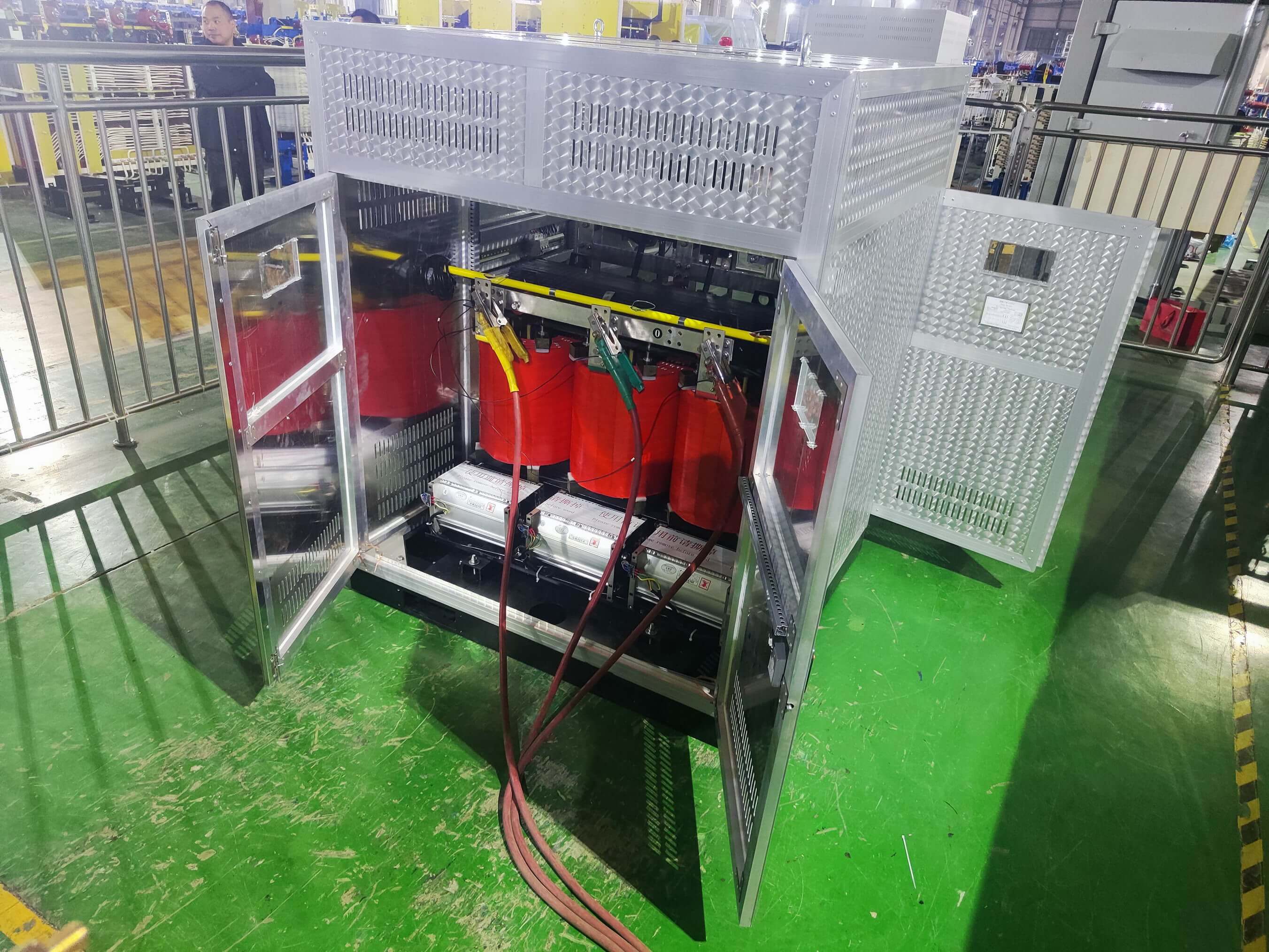
All transformer will be test after finished the production, test items as below:
♦ Insulation Power Factor
♦ Winding Resistance
♦ Impulse Tests
♦ On load Loss Test
♦ No Load Loss Test
♦ Leak Test
♦ DC Insulation Resistance Test
♦ Transformer Turns Ratio/TTR (All Tap Voltages)
♦ Impedance Voltage & Load Loss (Rated Voltage)
♦ Excitation & No-Load Loss (Rated Voltage)
♦ Applied Voltage
♦ Induced Voltage
♦ Lightning Impulse
♦ Insulation Resistance (Rated Voltage)
♦ Temperature Rise
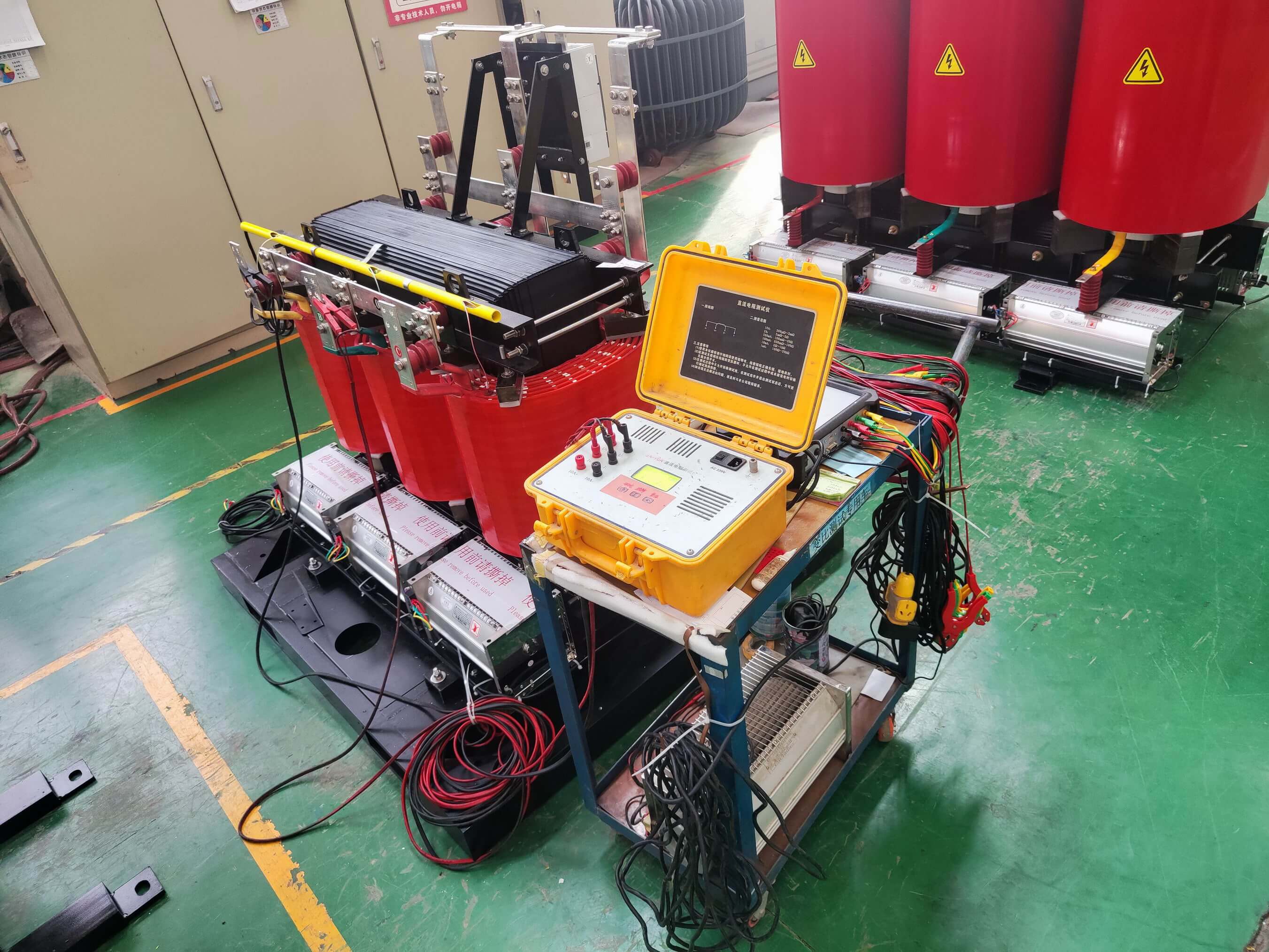
Transformer Factory Acceptance Test
Induced potential test at double frequency evaluates turn-to-turn insulation with partial discharge detection. No-load loss/excitation current at rated voltage validates core efficiency against DOE minimums (e.g., ~98.8%+ interpolated at 35% load). Impedance/load loss at rated current quantifies percent Z, copper losses, and regulation. Optional heat run if witnessed confirms temperature rise limits. Sound level testing verifies NEMA compliance. Functional operations check taps, fans (if included), and monitoring. Certified reports with calibration traceability and optional customer witnessing document results, confirming high efficiency, dielectric strength, safety, and field readiness. Insulation resistance (megger at 1000-2500V) measures inter-winding/ground for high megohm integrity. Applied potential withstand applies one-minute power-frequency voltage per class without flashover/corona.
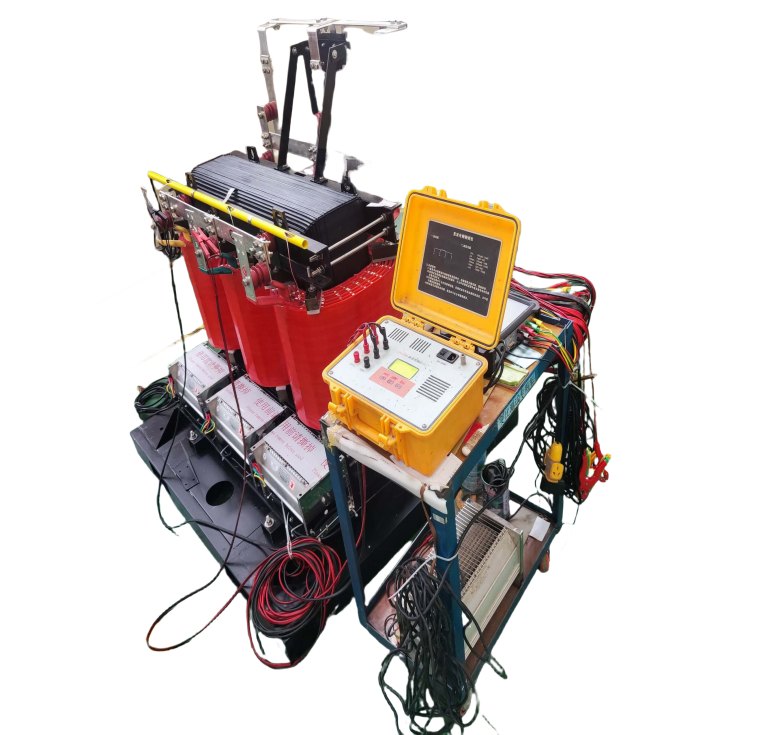
Routine Test - DC Insulation Resistance Test
Purpose of Testing
The purpose of DC insulation resistance testing is to measure the insulation resistance of a device by applying a DC voltage, thereby evaluating the health of the insulation material and the voltage withstand capability of the electrical device. This test helps detect potential insulation aging, moisture or damage, preventing electrical failures in the device.
Testing Equipment
Insulation resistance tester (e.g. Megger, Fluke, Hioki, Klein Tools, etc.)
Voltage source (usually 500V, 1000V, 2500V, or customized according to customer requirements)
Temperature and humidity meter (used to record the ambient temperature and humidity during the test to ensure that the test conditions meet the standard requirements.)
Voltage source (usually 500V, 1000V, 2500V, or customized according to customer requirements)
Temperature and humidity meter (used to record the ambient temperature and humidity during the test to ensure that the test conditions meet the standard requirements.)
Pre-Test Preparation
Make sure the device is properly grounded and fully discharged to prevent residual charge in the device from affecting the test results.
Perform the test under suitable environmental conditions. It is recommended to have a relative humidity below 75%, no rain, and a temperature range of 20-30°C to avoid moisture or temperature fluctuations affecting the test results.
Perform the test under suitable environmental conditions. It is recommended to have a relative humidity below 75%, no rain, and a temperature range of 20-30°C to avoid moisture or temperature fluctuations affecting the test results.
Test Progress
Connect the Test Instrument:
Connect an insulation resistance tester to the high voltage terminal of the device under test and to ground.
Apply Test Voltage:
Select an appropriate test voltage based on the rated voltage of the equipment .
Connect an insulation resistance tester to the high voltage terminal of the device under test and to ground.
Apply Test Voltage:
Select an appropriate test voltage based on the rated voltage of the equipment .
Measure and Record
Start the test and record the following parameters:
Insulation resistance value (MΩ)
Applied voltage
Ambient temperature and humidity during testing
Insulation resistance value (MΩ)
Applied voltage
Ambient temperature and humidity during testing
Temperature Correction
The measured insulation resistance values are corrected to a reference temperature (usually 20°C) for accurate evaluation.
Repeat Testing (if necessary)
Measure different windings (high voltage, medium voltage, low voltage) or each bushing separately, and conduct comparative analysis to ensure the insulation status of all parts.
Evaluation Criteria (Reference)
Insulation resistance ≥ 1000 MΩ (excellent)
500 MΩ ≤ Insulation resistance < 1000 MΩ (good)
100 MΩ ≤ Insulation resistance < 500 MΩ
Insulation resistance < 100 MΩ
500 MΩ ≤ Insulation resistance < 1000 MΩ (good)
100 MΩ ≤ Insulation resistance < 500 MΩ
Insulation resistance < 100 MΩ
Test standard
IEEE C57.12.01 & IEEE C57.12.91 (Dry-Type)
*These comprehensive tests ensure that each transformer meets performance standards and operates
reliably under various conditions.
Application
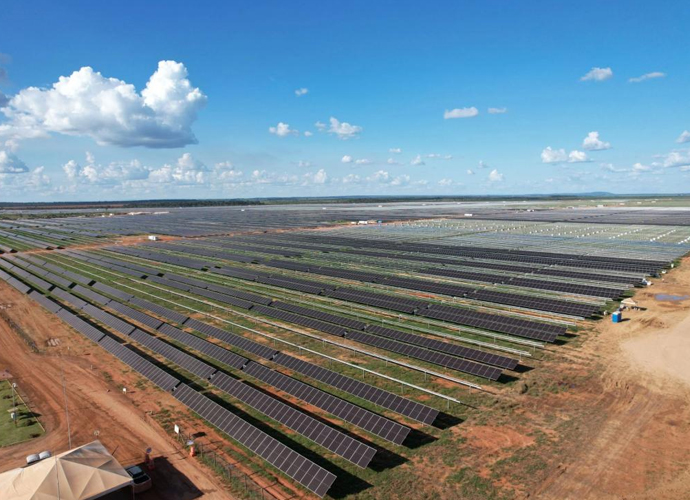
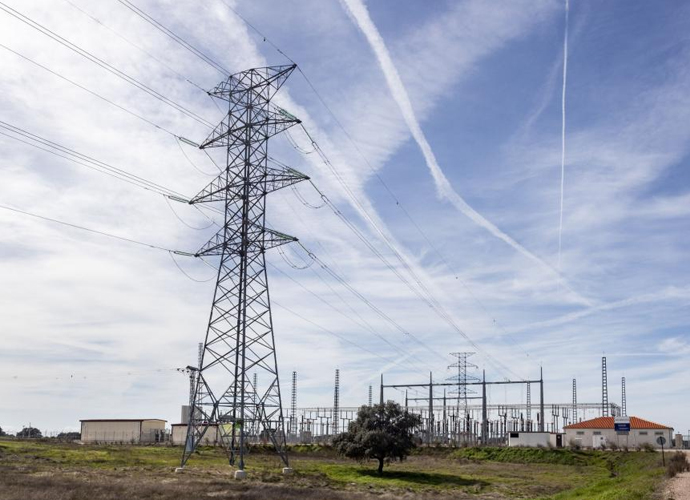
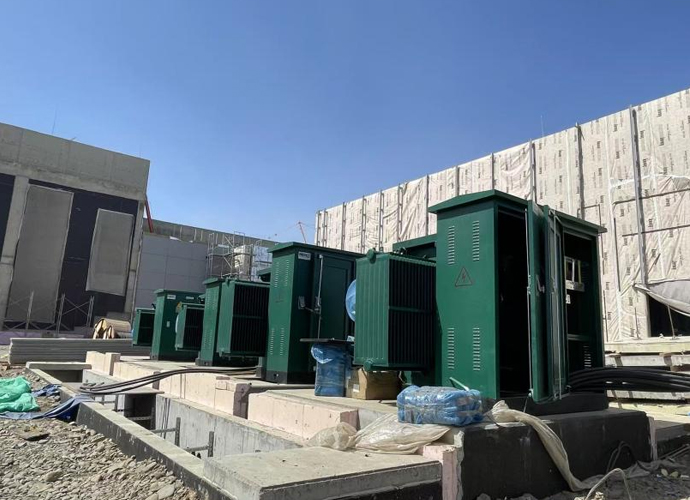
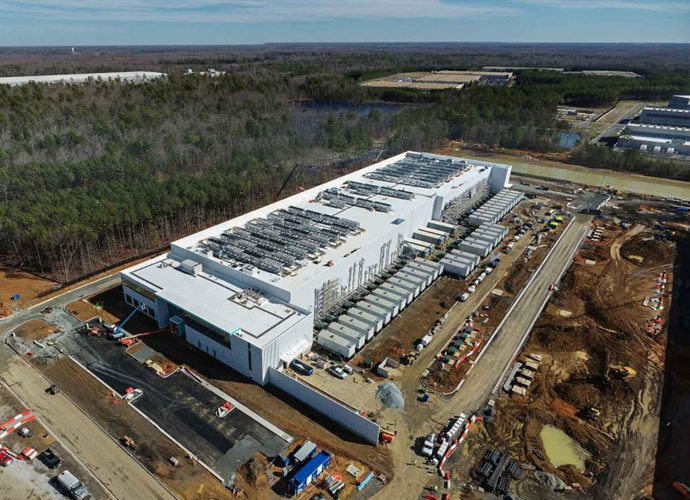
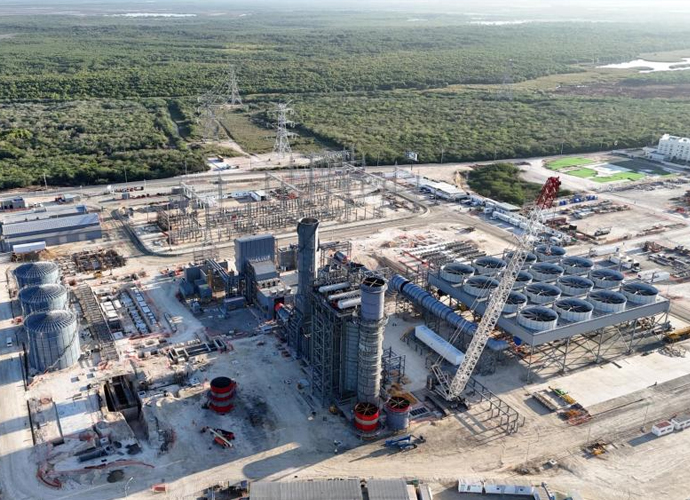
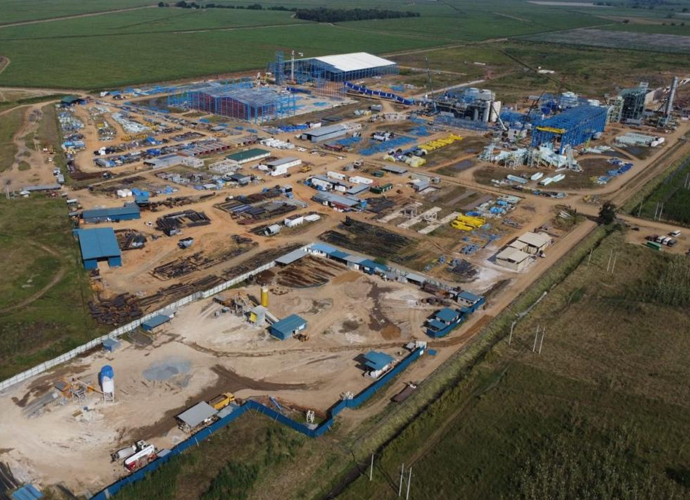
Excellent for institutional facilities like universities, government offices, and healthcare clinics requiring reliable, maintenance-free power. Additionally supports server rooms, small data centers, EV charging setups, and microgrid tie-ins demanding harmonic tolerance, encapsulated protection in dusty/humid conditions, and superior energy efficiency per DOE standards.


Technical Advantages
● 30+ years of manufacturing experience
● ISO and UL certified production
● Customized cable and transformer solutions
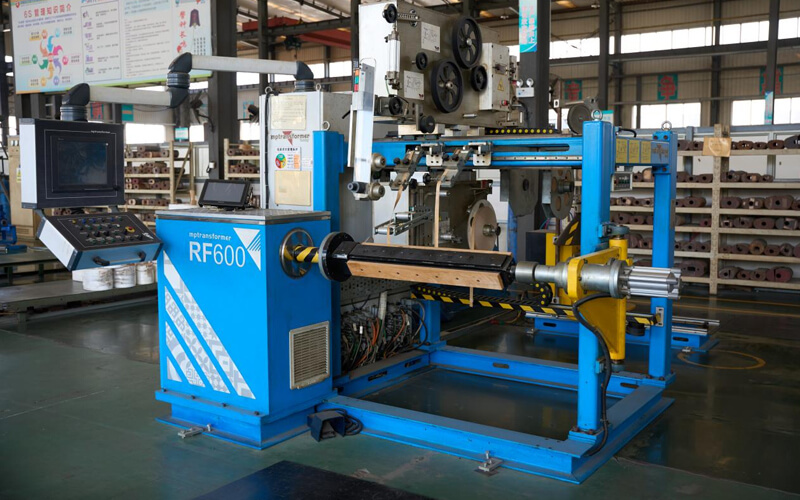
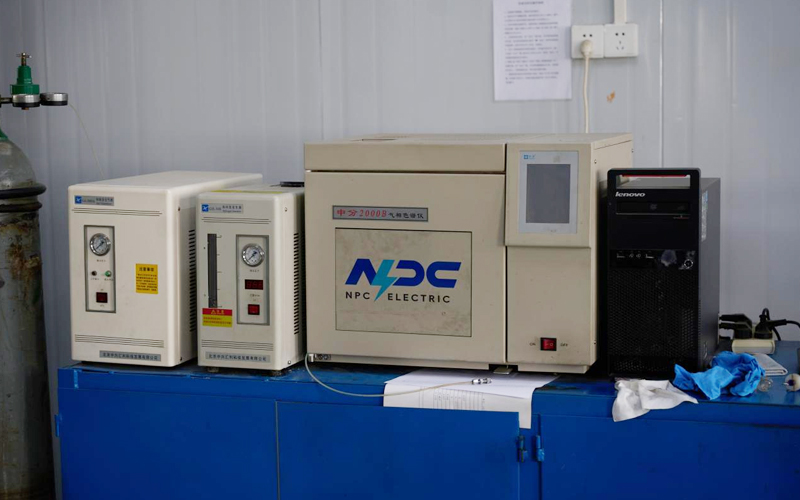
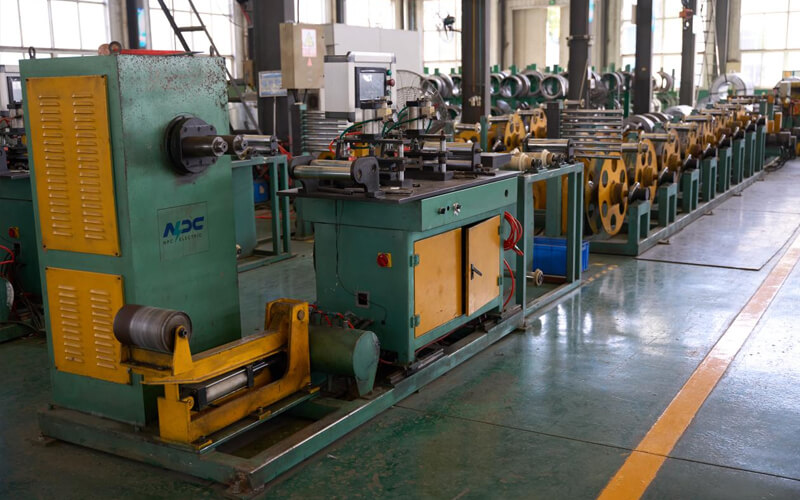
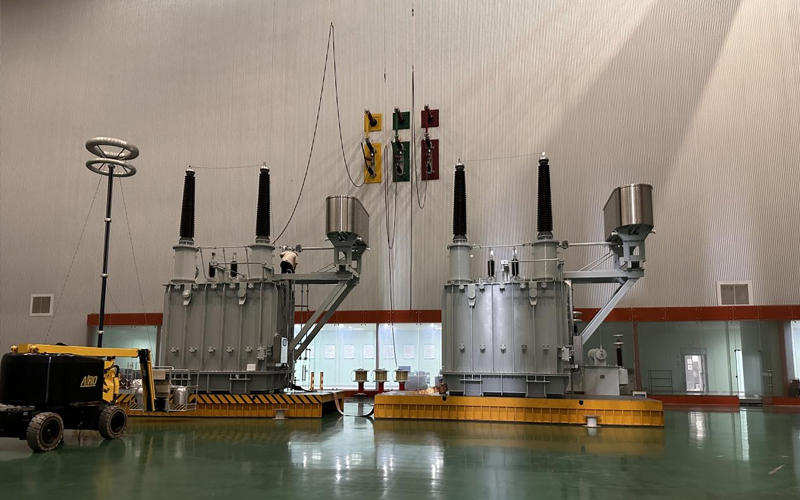
Product Packaging
Transformers Packaging (1)
Transformers Packaging (2)
Transformers Packaging (3)
Transformers Packaging (4)
Transformers Packaging (5)
Transformers Packaging (6)
Transformers Packaging (7)
Transformers Packaging (8)
Related Products
Step Down Dry Type Transformer
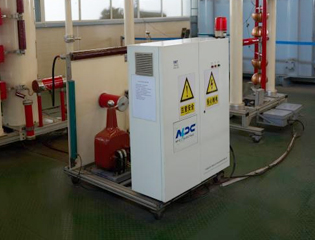
The Step Down Dry Type Transformer is a safe, efficient, oil-free electrical device designed to reduce (step down) higher incoming voltages to lower levels suitable for end-use equipment in indoor power distribution systems. This three-phase or single-phase transformer uses air (natural or forced) for cooling instead of insulating liquids, with windings typically encapsulated in epoxy resin (cast resin) or vacuum pressure impregnated for superior insulation. It features premium low-loss grain-oriented silicon steel cores and high-conductivity copper (or aluminum) windings, delivering excellent energy efficiency (often 98%+ per DOE/IEC standards), minimal no-load/load losses, low partial discharge (<10pC), and robust short-circuit withstand. Compliant with IEC 60076-11, IEEE/ANSI, and DOE efficiency requirements, step-down dry type transformers commonly handle primary voltages from 480V to 35kV+ stepping down to 208Y/120V, 400V, 0.4kV, or custom secondaries, making them ideal for modern, sustainable indoor applications.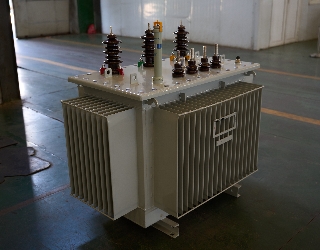
750kVA Oil Immersed Transformer
NPC ELECTRIC's 750kVA oil-immersed transformer uses advanced oil-immersed cooling technology to provide efficient and stable power conversion. The transformer complies with international standards such as the International Electrotechnical Commission (IEC) and ISO 9001, ensuring the high quality and safety of the product. Its sturdy structure and excellent overload resistance are widely used in industrial, commercial, and power network fields.
800kVA Oil Immersed Transformer
The NPC ELECTRIC 800kVA Oil-Immersed Transformer is designed for high efficiency, durability, and reliable power distribution. Built to meet IEC 60076 and ANSI/IEEE standards, it ensures superior performance and safety. Certified for international quality compliance, it is ideal for industrial, commercial, and utility applications. This 800 kVA unit delivers outstanding energy efficiency (>99.55% typical), low no-load and load losses, excellent thermal performance, and proven durability in demanding outdoor environments.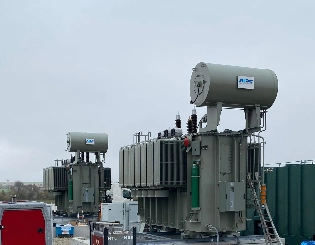
230kV 3-Phase Step-Down Power Transformer
The 230kV 3-Phase Step-Down Power Transformer is designed to reduce high transmission voltages to suitable distribution levels while maintaining excellent efficiency and operational stability. Engineered for utility substations and large-scale grid interfaces, this transformer ensures safe and controlled power delivery from high-voltage networks to regional or industrial distribution systems. Its oil-immersed insulation system provides strong dielectric protection and efficient thermal dissipation, enabling reliable continuous operation under varying load conditions. Precision core construction and optimized winding layout help minimize energy losses and voltage fluctuation. The transformer’s robust mechanical design enhances resistance to short-circuit forces and thermal stress, supporting long service life and low maintenance. This solution is ideal for modern power grids requiring dependable voltage transformation and efficient energy management.
1000kVA Oil Immersed Transformer
NPC ELECTRIC's 1000kVA oil-immersed transformer is made of high-quality silicon steel sheets and high-quality insulation materials, with high efficiency, low loss, and long life. The product complies with international standards such as IEC 60076 and GB 1094, and has passed strict type tests and factory tests to ensure safety and reliability. High-quality windings and robust mechanical design provide strong short-circuit withstand capability and thermal stability. With low operating noise and reduced maintenance requirements, the transformer is well suited for industrial, commercial, and utility distribution networks.
75kVA Dry Type Transformer | High Efficiency Indoor Power Transformer
The 75kVA Dry Type Transformer is a compact, three-phase, high-efficiency indoor power transformer engineered for safe, reliable voltage transformation in commercial, institutional, and light industrial environments. Utilizing advanced cast-resin or vacuum pressure impregnated (VPI) insulation technology, it eliminates oil-related fire hazards, maintenance requirements, and environmental risks while delivering exceptional performance in confined spaces, high-rise buildings, hospitals, schools, data centers, office complexes, and renewable energy tie-in applications.FAQ From Customers
-
What is a Transformer?A transformer is an electrical device used to change the voltage of alternating current (AC). It works on the principle of electromagnetic induction, converting high-voltage current into low-voltage current or low-voltage current into high-voltage current. Transformers are widely used in power transmission, distribution systems, and various electronic devices.
-
What are the main uses of a transformer?The main use of a transformer is voltage conversion. Transformers are used in power transmission systems to help transfer electricity from power plants to consumers. In addition, transformers are also used in electronic devices such as chargers, televisions, power adapters, etc., to adjust the voltage to meet the requirements of different devices.
-
Do you have UL listed?Yes, our transformer has UL listed. We have exported to America many pad mounted transformer,substation transformer and HV.
Welcome your inquiry
Honesty, Integrity, Frugality, Activeness and Passion