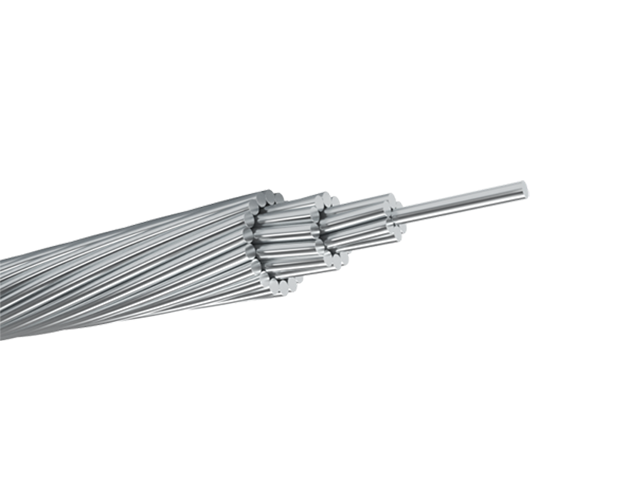

CANTON AAAC Conductor Cable
CANTON AAAC (All Aluminum Alloy Conductor) cables are manufactured in accordance with ASTM B399 standards, offering high tensile strength, good electrical conductivity, and corrosion resistance. With 800 mm² nominal area and 61-strand design, it uses heat-treated aluminum-magnesium-silicon alloy (6201-T81) for enhanced strength (295 MPa min) and conductivity (53% IACS min). Meeting ASTM B398, B399, IEC 61089, and BS EN 50182 standards, this cable handles ampacity up to 1200A at 75°C and voltages up to 33kV. The all-alloy construction avoids bimetallic corrosion, providing better resistance in harsh conditions than ACSR. Reduced weight minimizes sag and installation expenses, supporting longer spans. The Canton AAAC Conductor Cable delivers low electrical losses, high mechanical endurance, and excellent weather tolerance. Flame-retardant variants available. Perfect for urban grids, renewable projects, and coastal setups, it provides cost-effective, low-maintenance power delivery in overhead applications globally, excelling in reliability and lifespan over conventional conductors.
- Voltage Rating Up to 33kV (typical)
-
Temperature Rating
Operating: -10°C to +90°C
Short-circuit (5s): up to 250°C
Construction
Technical Specifications
Quality Control
Application
Construction
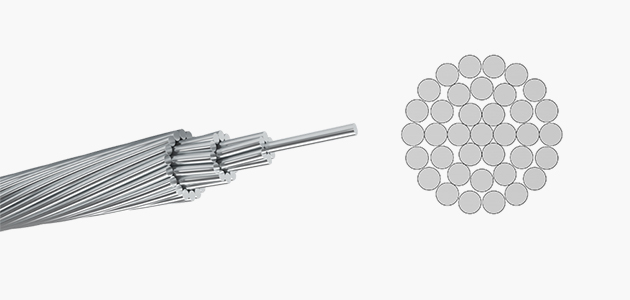
CANTON AAAC Conductor Cable Construction
Conductor
Stranded aluminum alloy (typically 6201-T81), Class AA or A
Structure
Lightweight, corrosion-resistant, and high-strength design suitable for aerial installations
Manufacturer Standard
ASTM B399, IEC 61089, and BS 3242
Application
CANTON AAAC cables are ideal for overhead power transmission and distribution in residential, rural, and coastal areas, particularly where long spans, high mechanical strength, and resistance to corrosion are needed in challenging environmental conditions.
Technical Specifications
CANTON AAAC Conductor Cable
CANTON AAAC Conductor Cable
| Construction characteristics | |
| Conductor material | aluminum alloy |
| Type of conductor | Circular, stranded |
| Type of cable | Canton |
| Conductor flexibility | Class AA |
| Conductor shape | Circular non compacted |
| Dimensional characteristics | |
| Conductor cross-section | 394.5 kcmil |
| Conductor cross-section | 199.9 mm² |
| Wire diameter | 3.66 mm |
| Conductor diameter | 18.3 mm |
| Approximate weight | 550.4 kg/km |
| Average geometric radius | 0.00693 m |
| Diameter of aluminium alloy 6201 wires | 3.66 mm |
| Nominal diameter of wires | 3.66 mm |
| Nominal outer diameter | 18.3 mm |
| Number of aluminium alloy 6201 wires | 19 |
| Number of cores | 1 |
| Electrical characteristics | |
| Max. DC resistance of the conductor at 20°C | 0.1676 Ohm/km |
| Max. electric resistance AC 60Hz 75°C | 0.2 Ohm/km |
| Inductive reactance | 0.3749 Ohm/km |
| Capacitive reactance | 0.2241 MOhm.km |
| Ampacity | 530.0 A |
| Mechanical characteristics | |
| Hardness type | T81 |
| Rated breaking load | 6009.1 kgf |
| Usage characteristics | |
| Length | 2460 m |
| Reel net weight | 1350 kg |
| Packaging | Reel 150/80 |
Quality Control
CANTON AAAC Conductor Cable
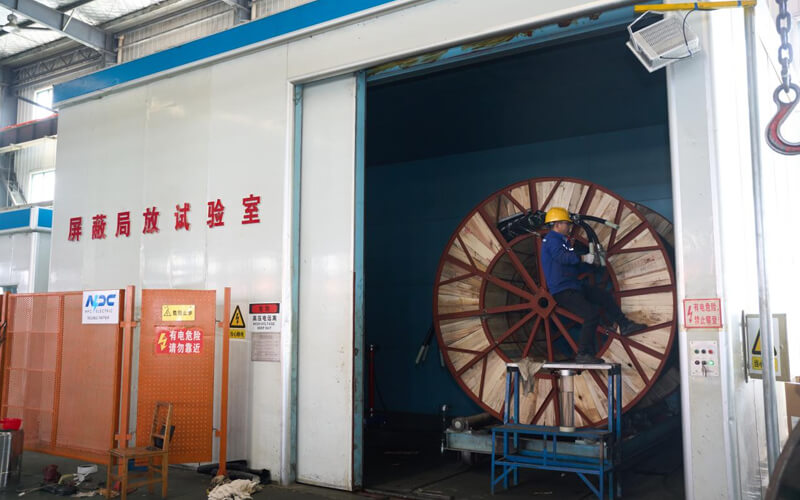
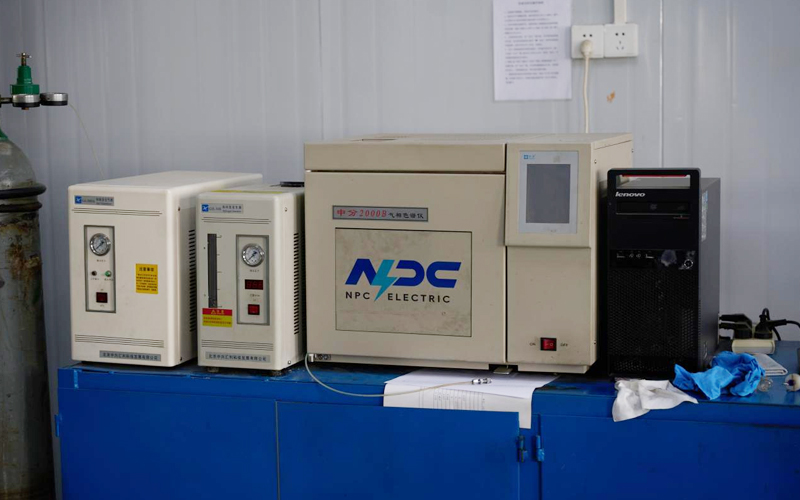
Raw Material Test
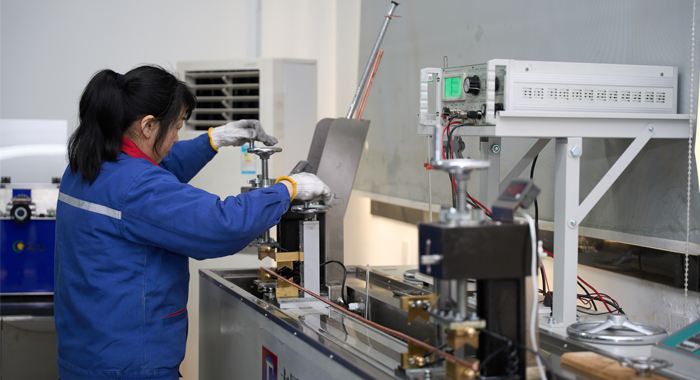
For the Canton AAAC Conductor Cable, raw material testing follows ASTM B398. Aluminum alloy ingots (6201) are analyzed for Mg (0.6-0.9%), Si (0.5-0.9%), and impurities using optical emission spectrometry. Wires undergo conductivity (53% IACS min), tensile (295 MPa min), and elongation (3.5% min) tests with machines. Samples face heat treatment verification at 180°C and microstructure analysis via microscopy for grain uniformity. Corrosion resistance is assessed in humid chambers. The structured process: receipt inspection, random sampling, physical/mechanical testing (diameter tolerance), chemical verification, accelerated aging trials, and release decision.
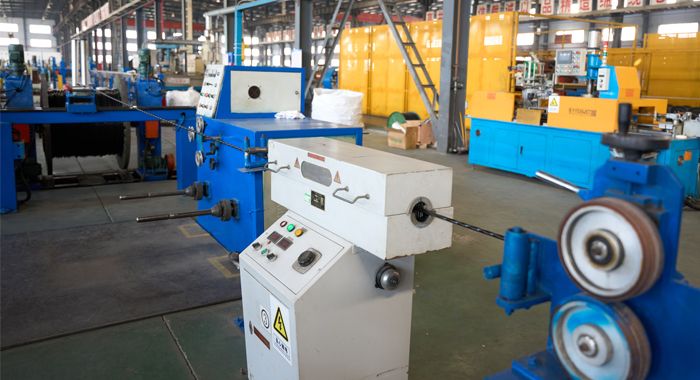
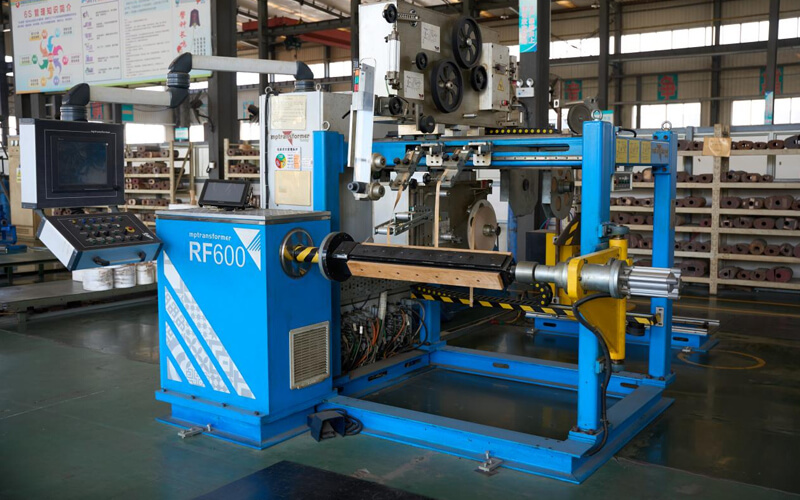
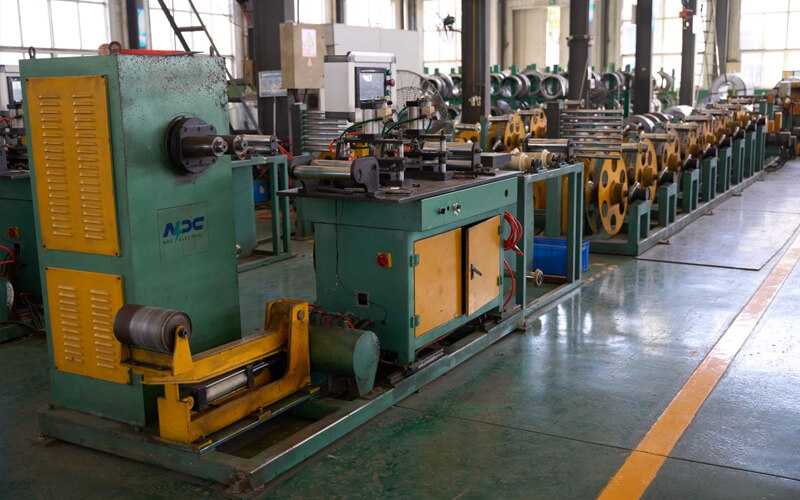
Process inspection
Process inspection in Canton AAAC Conductor Cable production involves continuous checks per ASTM B399. Wire drawing monitors diameter and ovality with calipers. Solution heat treatment logs temperature (500-550°C) for hardening. Aging maintains 180°C for the T81 temper. Stranding verifies 61-wire lay (12-16 times diameter) and compression. Surface and marking are assessed online. Critical steps: pre-process homogenization confirmation, parameter stabilization (speed 20m/min), in-line tensile sampling, defect scanning, and rework. This multi-point assurance maintains the Canton AAAC Conductor Cable's uniform temper, tight stranding, mechanical balance, and standard compliance for optimal overhead installation.
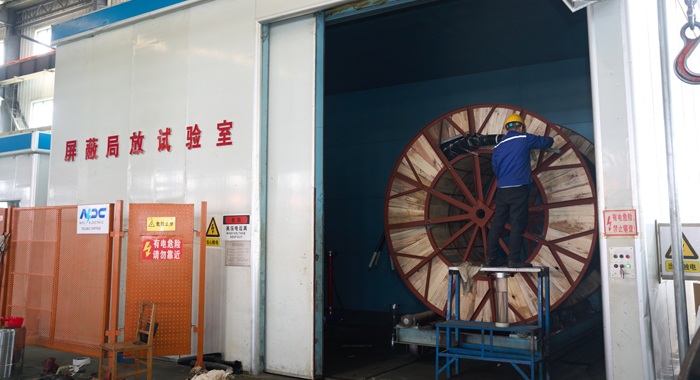
Finished Product
Finished Canton AAAC Conductor Cable testing confirms ASTM B399 specs. Routine checks: diameter (31.8mm approx.), weight (2210 kg/km approx.), resistance (0.043 Ω/km). Mechanical: tensile (64 kN min), elongation. Process steps: sample cutting, grip mounting, load to failure, data recording, and fracture examination. Corrosion: 1000-hour salt spray. Additional: sag-tension at 75°C, weather cycling. Passing confirms the Canton AAAC Conductor Cable's low expansion, high ampacity, corrosion resistance, and suitability for overhead lines.
Application
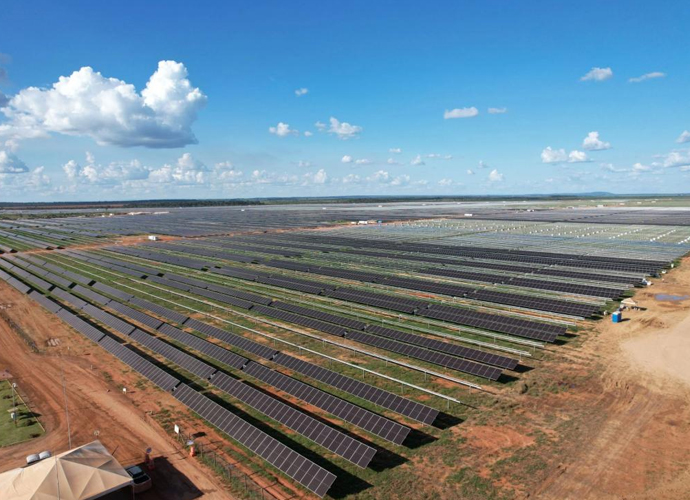
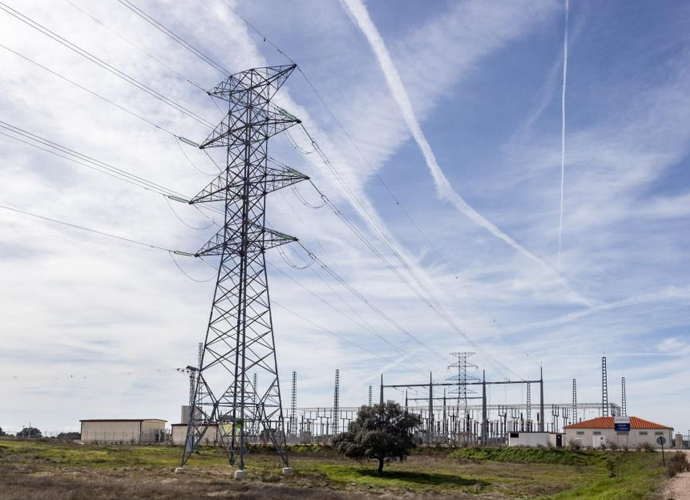
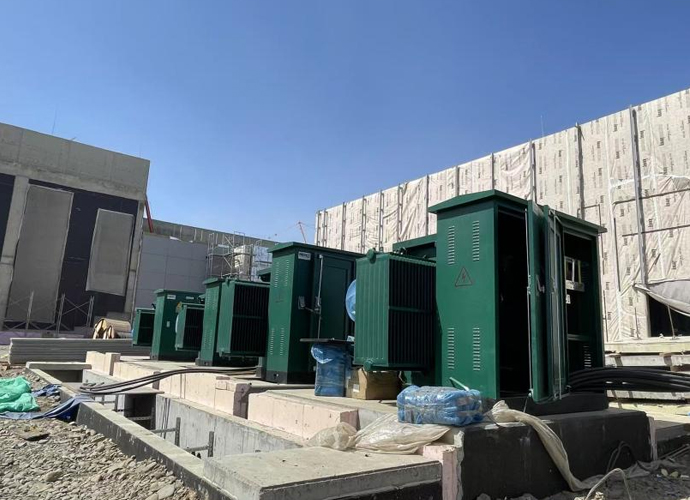
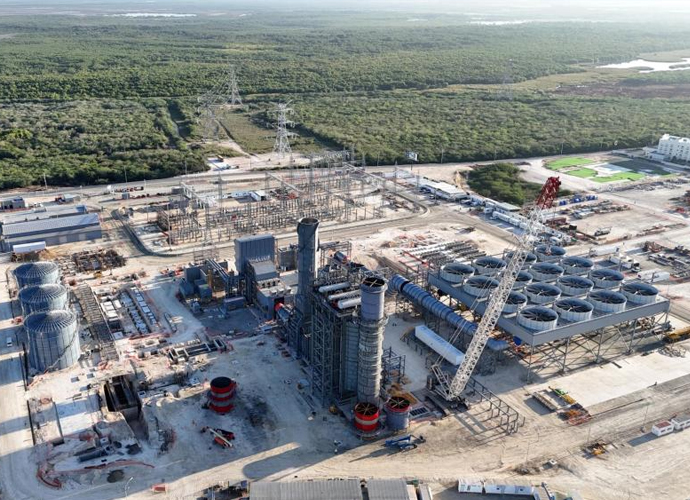
Ideal for overhead high-voltage lines in coastal utilities, wind farms, and grid extensions. Used for spans 500-700m in corrosive environments, connecting transformers to consumers for efficient, lightweight power delivery in urban and rural areas.

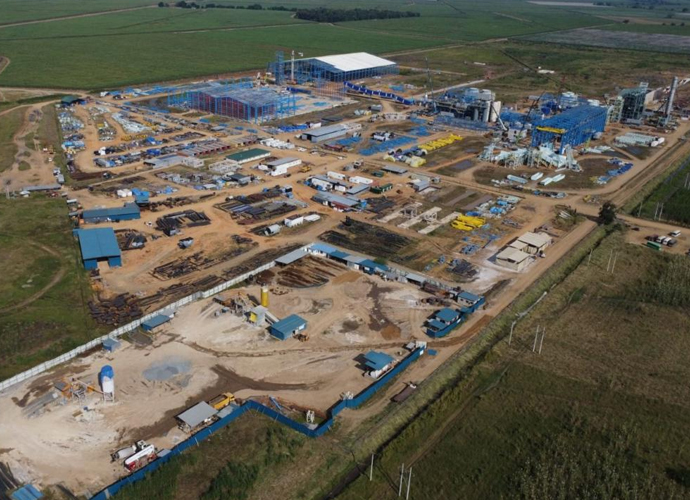
Technical Advantages
● 30+ years of manufacturing experience
● ISO and UL certified production
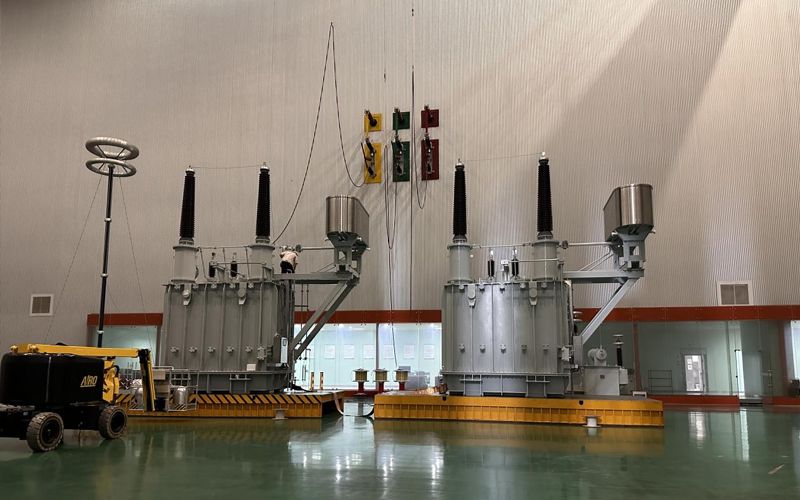
● Customized cable and transformer solutions
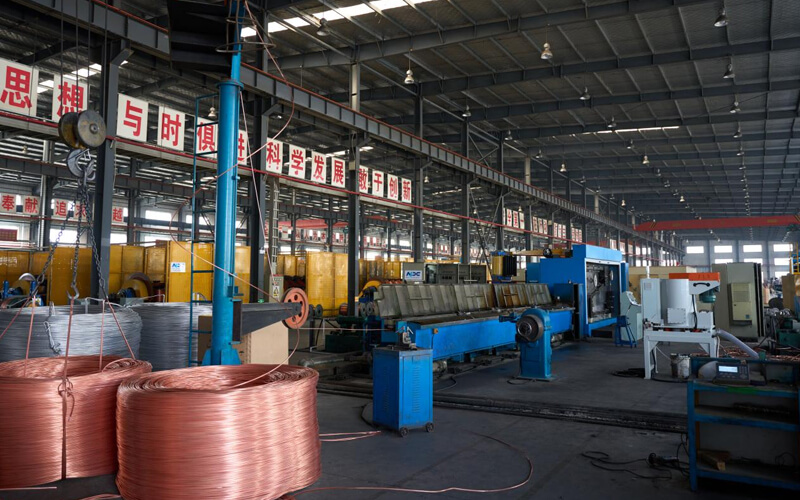
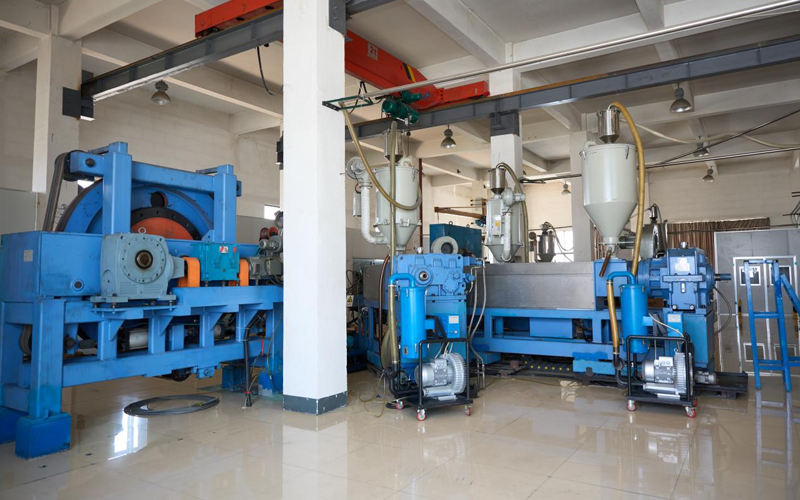
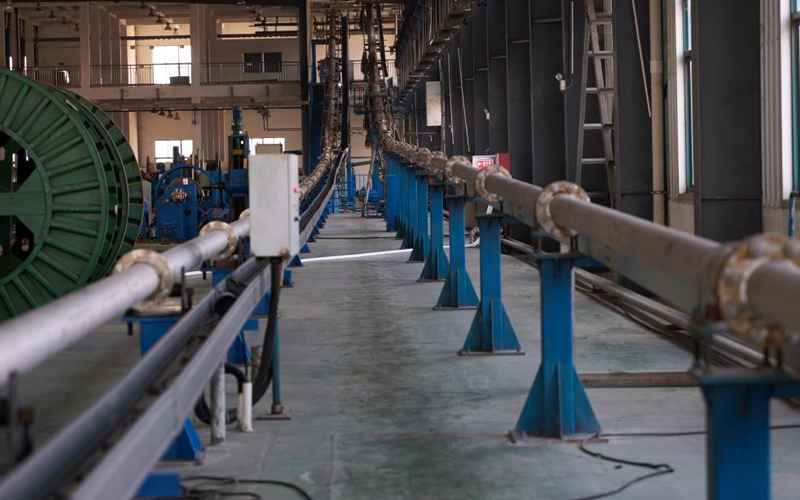
Product Packaging
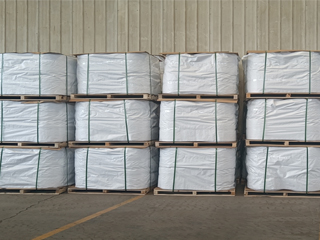
Wires and Cables packaging (1)
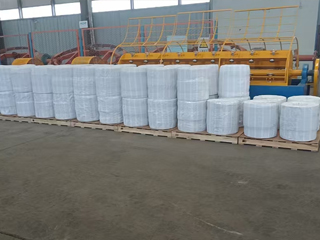
Wires and Cables packaging (2)
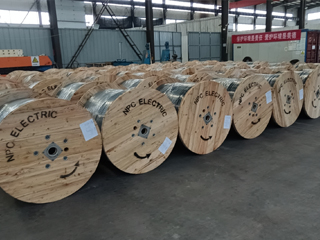
Wires and Cables packaging (3)
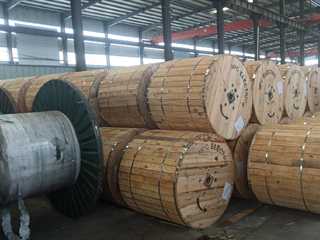
Wires and Cables packaging (4)
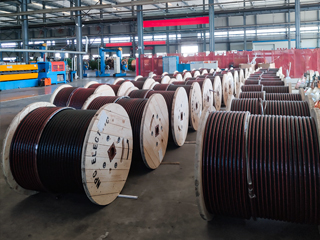
Wires and Cables packaging (5)
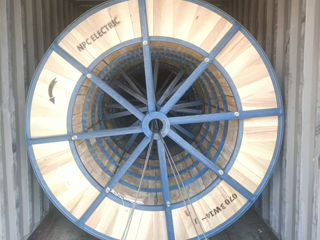
Wires and Cables packaging (6)
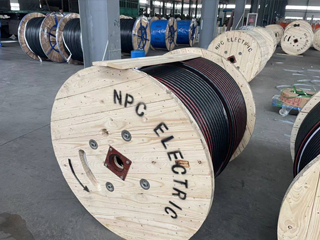
Wires and Cables packaging (7)
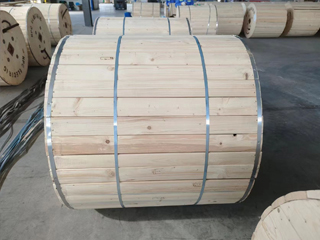
Wires and Cables packaging (8)
Related Products
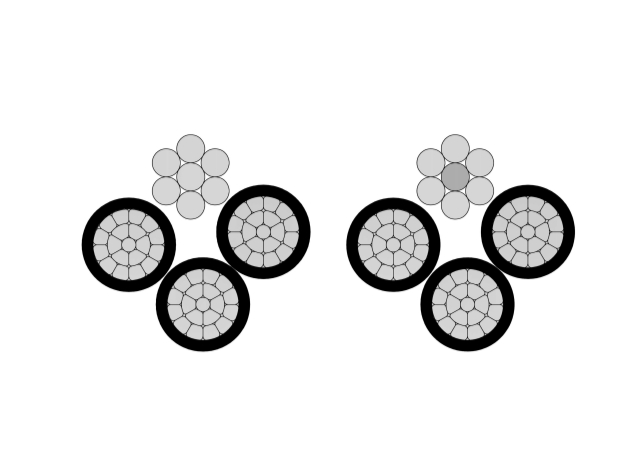
2/0 Grullo Aluminum Conductor Quadruplex Overhead Service Drop Cable
2/0 Grullo Aluminum Conductor Quadruplex Overhead Service Drop Cable is a high-performance solution for delivering three-phase electrical power from pole-mounted transformers to residential or commercial service entrances. It is specifically engineered for 600-volt phase-to-phase operations and supports conductor temperatures up to 90°C with cross-linked polyethylene (XLP) insulation, or 75°C when using standard polyethylene (PE) insulation. This cable consists of three phase conductors made from 1350-H19 aluminum, either stranded or compressed, and a bare ACSR (Aluminum Conductor Steel Reinforced) neutral messenger. Alternate messenger materials include AAC or 6201 alloy for different mechanical load and corrosion resistance preferences. With rugged black XLP insulation, this quadruplex cable provides exceptional weather resistance, UV protection, and thermal endurance, making it ideal for overhead outdoor installations in a wide variety of environments.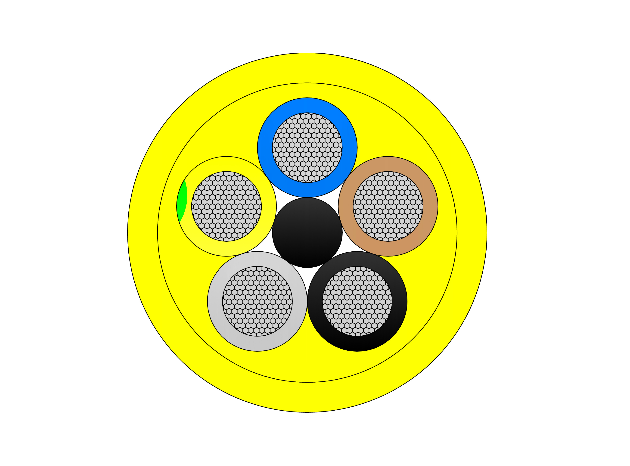
NSSHOU O/J, NSSHOU 3E, NSSHOU 3E + ST 0.6/1 kV Cable
The NSSHOU O/J, NSSHOU 3E, and NSSHOU 3E + ST - 0.6/1kV cables are heavy-duty flexible rubber-insulated low voltage power cables manufactured according to VDE 0250 standards. Designed for extreme mechanical stress, they are ideal for underground mining, tunneling, and heavy industrial environments where durability, flexibility, and flame retardancy are essential. Featuring Class 5 flexible tinned copper conductors, robust rubber insulation (Type 3GI3), and abrasion-resistant outer sheaths (Type 5GM5), these cables ensure long service life under demanding conditions. They can be installed indoors, outdoors, or permanently submerged in water up to 100 meters, making them suitable for a wide range of fixed and dynamic applications. Optional control conductors and individual core screening are available upon request.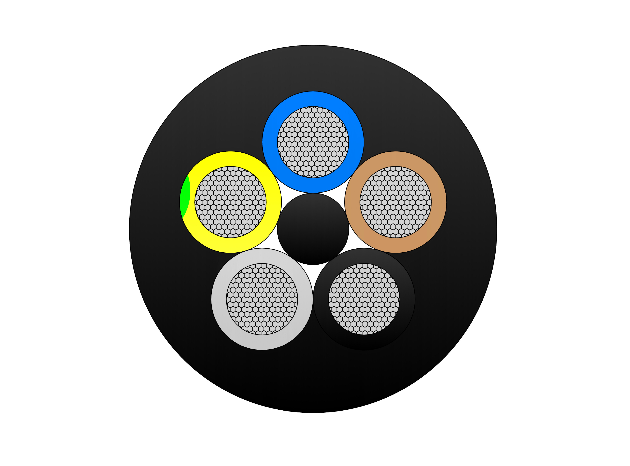
Type 455 Flexible Screened Mining Cable With Two Earth And One Pilot Core
The Type 450 Flexible Copper Screened Mining Cable is a medium-voltage, heavy-duty mining cable designed for power supply in draglines, slow reeling, and industrial applications requiring two earth cores and one pilot core. It features tinned annealed copper conductors, EPR (XR-EP-90) insulation, and a tinned copper/polyamide braid screen for electrical shielding. The double-layer HD-PCP sheath provides extra heavy-duty protection, including oil resistance, flame retardancy, and chemical durability. Available in voltage ratings from 3.3kV to 33kV, the cable meets AS/NZS 2802 and related standards, ensuring high performance and reliability in harsh mining environments.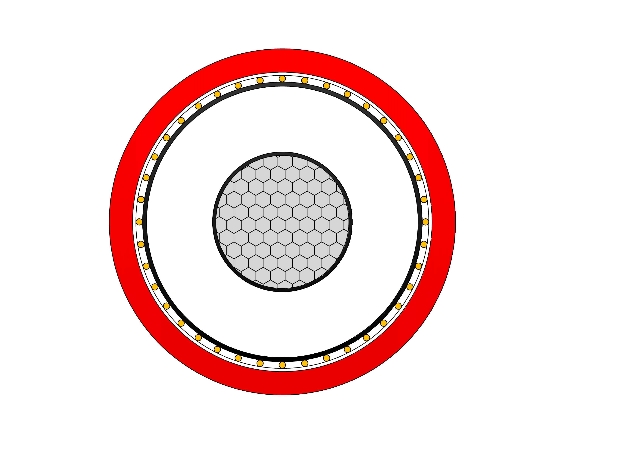
NA2XSY Medium Voltage Power Cable(6/10kV, 12/20kV, 18/30kV)
NA2XSY are medium voltage power cables with aluminum conductors and XLPE insulation, designed according to IEC 60502-2 standards. Constructed with aluminium conductors, thermosetting XLPE insulation, metallic screen (copper tape or wires), and tough PVC outer sheath, it meets IEC 60502-2 requirements. The screen ensures electromagnetic compatibility and fault protection. Low tan delta, high breakdown strength, and excellent thermal endurance minimize losses and support overloads. PVC sheath provides reliable mechanical and moisture protection for fixed installations. Optional longitudinal water-blocking improves performance in damp areas. Flame-retardant and easy to install, the NA2XSY Medium Voltage Power Cable is favored for power grids, manufacturing plants, commercial developments, and renewable energy sites demanding cost-efficient single-core medium voltage cabling with proven durability and performance in buried or tray installations worldwide.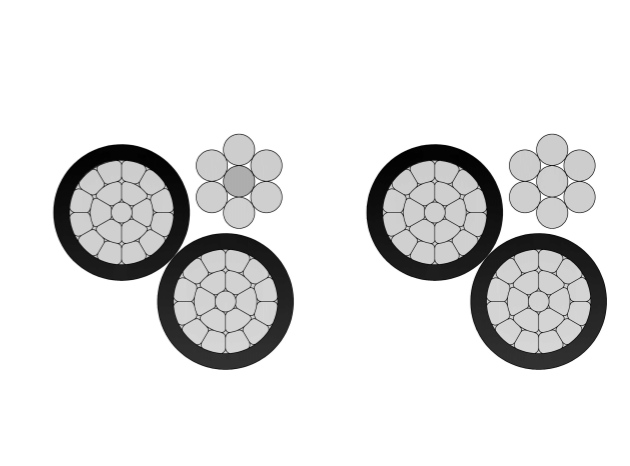
2 Solaster Aluminum Conductor Triplex Overhead Service Drop Cable
The 2 Solaster Triplex Overhead Aluminum Cable is designed for delivering power from pole-mounted transformers to the customer’s service entrance, providing a safe, efficient, and durable solution for residential and light commercial power distribution. This cable includes two insulated phase conductors and a bare AAAC (All Aluminum Alloy Conductor) neutral messenger, providing both mechanical support and electrical grounding. The conductors are individually insulated with black cross-linked polyethylene (XLPE), ensuring excellent weather and UV resistance.
(N)TSCGECECWOU 3.6/6kV and 6/10kV ZH Cable
The (N)TSCGECECWOU is a flexible medium voltage reeling and trailing cable manufactured in compliance with DIN VDE 0250 standards. Designed for demanding mining, tunneling, and heavy industrial applications, it offers exceptional mechanical strength, flexibility, fire safety, and electromagnetic compatibility (EMC). The cable features EPR insulation, low smoke zero halogen (LSZH) inner sheath, halogen-free polyurethane (PUR) outer sheath, and a copper wire braid with concentric conductor for enhanced shielding and durability. Its design ensures reliable performance in environments requiring fire safety, oil resistance, and high torsional strength.FAQ From Customers
-
What are the advantages of power cables and overhead lines?(1) Reliable operation, because it is installed in a hidden place such as underground, it is less damaged by external forces, has less chance of failure, and the power supply is safe, and it will not cause harm to people; (2) The maintenance workload is small and frequent inspections are not required; (3) No need to erect towers; (4) Help improve power factor.
-
Which aspects should be considered when choosing the cross section of a power cable?(1) The long-term allowable working current of the cable; (2) Thermal stability once short circuited; (3) The voltage drop on the line cannot exceed the allowable working range.
-
What are the measures for cable fire prevention?(1) Use flame-retardant cables; (2) Use fireproof cable tray; (3) Use fireproof paint; (4) Fire partition walls and fire baffles are installed at cable tunnels, mezzanine exits, etc.; (5) Overhead cables should avoid oil pipelines and explosion-proof doors, otherwise local pipes or heat insulation and fire prevention measures should be taken.
-
What should be paid attention to during the transportation and handling of cables?(1) During transportation, loading and unloading, cables and cable reels should not be damaged. It is strictly forbidden to push the cable reels directly from the vehicle. Generally, cables should not be transported and stored flat. (2) Before transporting or rolling the cable reel, ensure that the cable reel is firm, the cable is wound tightly, the oil pipe between the oil-filled cable and the pressure oil tank should be fixed without damage, the pressure oil tank should be firm, and the pressure indication should meet the requirements.
-
What inspections should be carried out for the acceptance of cable lines?(1) The cable specifications should meet the regulations, the arrangement should be neat, no damage, and the signs should be complete, correct and clear; (2) The fixed bending radius of the cable, the related distance and the wiring of the metal sheath of the single-core power cable should meet the requirements; (3) The cable terminal and the middle head should not leak oil, and the installation should be firm. The oil pressure of the oil-filled cable and the meter setting should meet the requirements; (4) Good grounding; (5) The color of the cable terminal is correct, and the metal parts such as the bracket are completely painted; (6) There should be no debris in the cable trench, tunnel, and bridge, and the cover should be complete.
Welcome your inquiry
Honesty, Integrity, Frugality, Activeness and Passion