
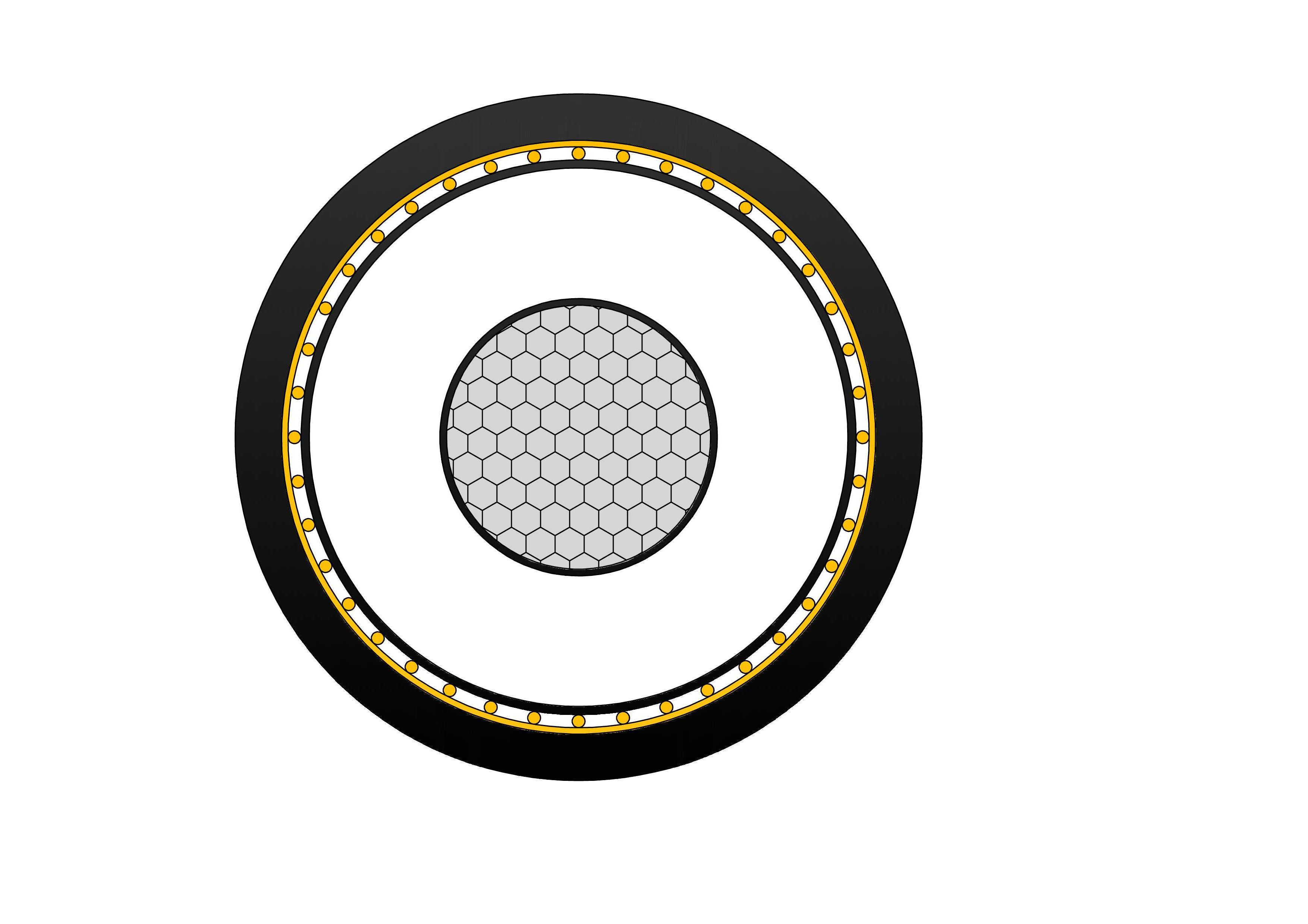

N2XSH Medium Voltage Power Cable(6/10kV, 12/20kV, 18/30kV)
N2XSH are flame-retardant, low smoke, zero halogen (LSZH) medium voltage cables with copper conductors, manufactured according to IEC 60502-2 standards. Featuring stranded copper conductors, cross-linked polyethylene (XLPE) insulation, copper tape or wire screen, and low smoke zero halogen (LSZH) outer sheath, it complies with IEC 60502-2 and fire performance standards. In fire situations, the LSZH sheath emits minimal smoke and no toxic halogen gases, protecting lives and equipment. Excellent electrical properties, low dielectric losses, and high thermal stability ensure efficient power transmission. Suitable for direct burial, ducts, or indoor installations in public areas, it offers good mechanical protection and moisture resistance. The N2XSH Medium Voltage Power Cable is the preferred choice for utilities, hospitals, schools, tunnels, and infrastructure projects demanding reliable, environmentally friendly medium voltage cabling with superior fire safety and long service life worldwide.
-
Voltage Rating(Uo/U)(Um)
6/10 (12) KV
12/20 (24)KV
18/30 (36)KV -
Test Voltage
21kV AC 50Hz (5 mins)
42kV AC 50Hz (5 mins)
63kV AC 50Hz (5 mins) - Temperature Rating -40°C to +60°C
- Conductor Operating Temp +90°C
- Short Circuit Temp to 5 sec 250°C
- Minimum Bending Radius 15 x overall diameter
Construction
Technical Specifications
Quality Control
Application
Construction
N2XSH Medium Voltage Power Cable Constrution
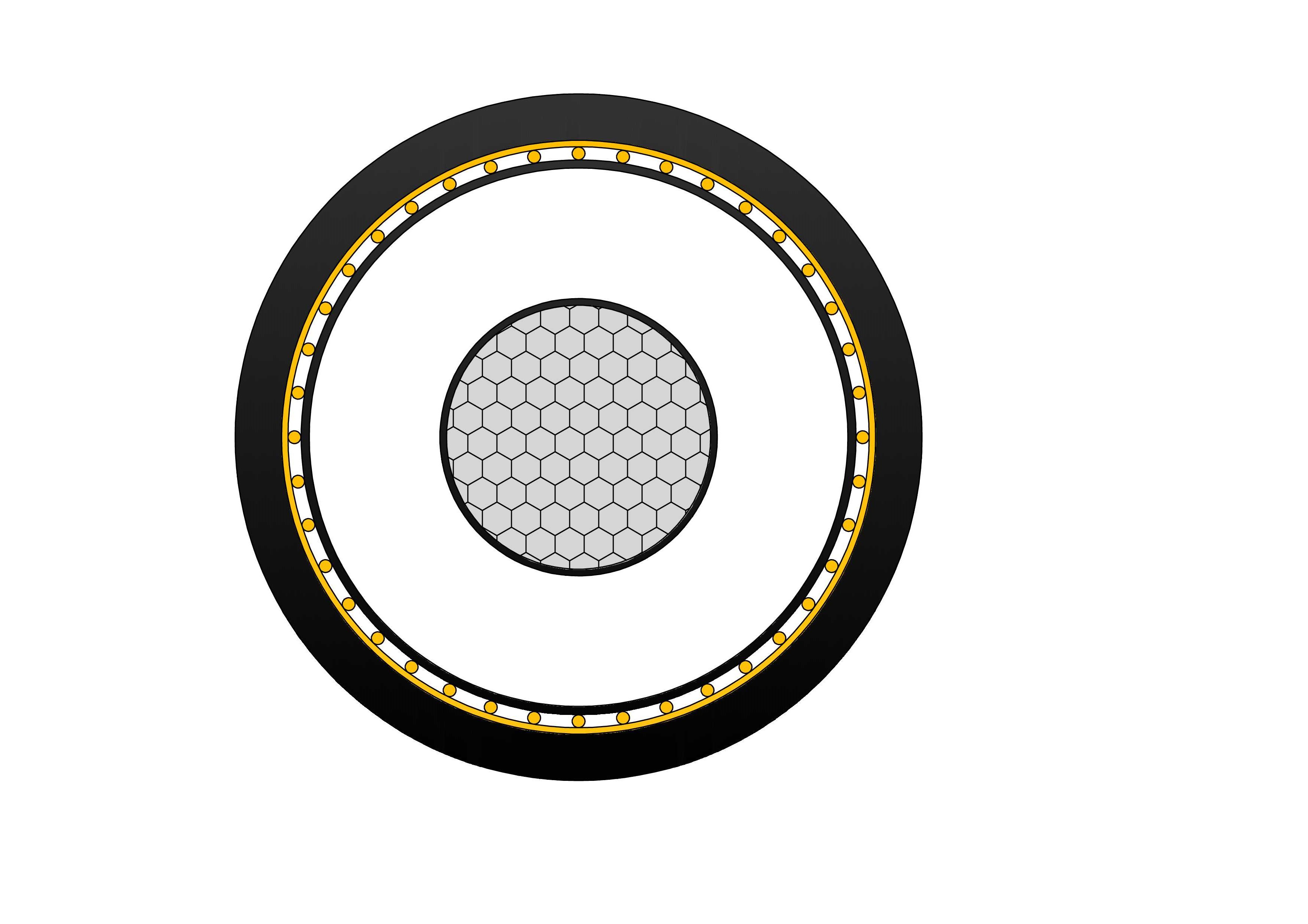
Conductor
Class 2 stranded aluminium
Insulation
XLPE (Cross-Linked Polyethylene)
Conductor Screen
Semi-conductive material
Insulation Screen
Semi-conductive material
Screen
Copper Wires and Copper Tape
Outer Sheath
LSZH (Low Smoke Zero Halogen)
Sheath Color
Red/Black
Manufacturer Standard
IEC 60502-2, IEC 60228
UV Resistant
ISO 4892-3
Abrasion and Tear Resistant
EN 60229-4.1
Impact rated to
AG2 EN 60364 - 5.51
Flame retardant
IEC 60332-3-24 Cat C, IEC 60332-1-2
Low Smoke Zero Halogen
IEC 60754-1/2, IEC 61034-2
Technical Specifications
N2XSH Medium Voltage Power Cable(6/10kV, 12/20kV, 18/30kV)
N2XSH 6/10 (12) KV
N2XSH 12/20 (24)KV
N2XSH 18/30 (36)KV
|
No. Of Cores |
Nominal Cross Sectional Area |
Nominal Conductor Diameter |
Number Wires Conductor |
NOM. Thickness Semi-Con. Layer |
Nominal Insulation Thickness |
Minimum Insulation Thickness |
Nominal Diameter Over Insulation |
||
| Conductor | Screen | Inner | Outer | ||||||
| mm2 | mm2 | mm | mm | mm | mm | mm | mm | mm | |
| 1 | 50 | 16 | 8.10 | 10×2.62 | 0.50 | 0.40 | 3.40 | 2.96 | 16.3 |
| 1 | 70 | 16 | 9.70 | 14×2.62 | 0.50 | 0.40 | 3.40 | 2.96 | 17.9 |
| 1 | 95 | 16 | 11.4 | 19×2.62 | 0.50 | 0.40 | 3.40 | 2.96 | 19.6 |
| 1 | 120 | 16 | 12.65 | 19×2.97 | 0.50 | 0.40 | 3.40 | 2.96 | 20.9 |
| 1 | 150 | 25 | 14.4 | 19×3.20 | 0.50 | 0.40 | 3.40 | 2.96 | 22.7 |
| 1 | 185 | 25 | 15.75 | 27×2.62 | 0.50 | 0.40 | 3.40 | 2.96 | 24.1 |
| 1 | 240 | 25 | 18.2 | 48×2.62 | 0.50 | 0.40 | 3.40 | 2.96 | 26.8 |
| 1 | 300 | 25 | 20.5 | 61×2.62 | 0.50 | 0.40 | 3.40 | 2.96 | 28.9 |
| 1 | 400 | 35 | 23.0 | 61×2.97 | 0.50 | 0.40 | 3.40 | 2.96 | 31.7 |
| 1 | 500 | 35 | 26.0 | 61×3.29 | 0.50 | 0.40 | 3.40 | 2.96 | 34.7 |
| 1 | 630 | 35 | 30.2 | 61×3.80 | 0.50 | 0.40 | 3.40 | 2.96 | 38.9 |
|
No. Of Cores |
Nominal Cross Sectional Area |
Nominal Conductor Diameter |
Number Wires Conductor |
NOM. Thickness Semi-Con. Layer |
Nominal Insulation Thickness |
Minimum Insulation Thickness |
Nominal Diameter Over Insulation |
||
| Conductor | Screen | Inner | Outer | ||||||
| mm2 | mm2 | mm | mm | mm | mm | mm | mm | mm | |
| 1 | 50 | 16 | 8.10 | 10×2.62 | 0.50 | 0.40 | 5.50 | 4.85 | 20.3 |
| 1 | 70 | 16 | 9.70 | 14×2.62 | 0.50 | 0.40 | 5.50 | 4.85 | 21.9 |
| 1 | 95 | 16 | 11.4 | 19×2.62 | 0.50 | 0.40 | 5.50 | 4.85 | 23.6 |
| 1 | 120 | 16 | 12.65 | 19×2.97 | 0.50 | 0.40 | 5.50 | 4.85 | 24.9 |
| 1 | 150 | 25 | 14.4 | 19×3.20 | 0.50 | 0.40 | 5.50 | 4.85 | 26.7 |
| 1 | 185 | 25 | 15.75 | 27×2.62 | 0.50 | 0.40 | 5.50 | 4.85 | 28.1 |
| 1 | 240 | 25 | 18.2 | 48×2.62 | 0.50 | 0.40 | 5.50 | 4.85 | 30.8 |
| 1 | 300 | 25 | 20.5 | 61×2.62 | 0.50 | 0.40 | 5.50 | 4.85 | 32.9 |
| 1 | 400 | 35 | 23.0 | 61×2.97 | 0.50 | 0.40 | 5.50 | 4.85 | 35.7 |
| 1 | 500 | 35 | 26.0 | 61×3.29 | 0.50 | 0.40 | 5.50 | 4.85 | 38.7 |
| 1 | 630 | 35 | 30.2 | 61×3.80 | 0.50 | 0.40 | 5.50 | 4.85 | 42.9 |
|
No. Of Cores |
Nominal Cross Sectional Area |
Nominal Conductor Diameter |
Number Wires Conductor |
NOM. Thickness Semi-Con. Layer |
Nominal Insulation Thickness |
Minimum Insulation Thickness |
Nominal Diameter Over Insulation |
||
| Conductor | Screen | Inner | Outer | ||||||
| mm2 | mm2 | mm | mm | mm | mm | mm | mm | mm | |
| 1 | 50 | 16 | 8.10 | 10×2.62 | 0.50 | 0.40 | 8.00 | 7.1 | 25.1 |
| 1 | 70 | 16 | 9.70 | 14×2.62 | 0.50 | 0.40 | 8.00 | 7.1 | 26.7 |
| 1 | 95 | 16 | 11.4 | 19×2.62 | 0.50 | 0.40 | 8.00 | 7.1 | 28.4 |
| 1 | 120 | 16 | 12.7 | 19×2.97 | 0.50 | 0.40 | 8.00 | 7.1 | 29.7 |
| 1 | 150 | 25 | 14.5 | 19×3.20 | 0.50 | 0.40 | 8.00 | 7.1 | 31.5 |
| 1 | 185 | 25 | 15.9 | 27×2.62 | 0.50 | 0.40 | 8.00 | 7.1 | 32.9 |
| 1 | 240 | 25 | 18.6 | 48×2.62 | 0.50 | 0.40 | 8.00 | 7.1 | 35.6 |
| 1 | 300 | 25 | 20.7 | 61×2.62 | 0.50 | 0.40 | 8.00 | 7.1 | 37.7 |
| 1 | 400 | 35 | 23.5 | 61×2.97 | 0.50 | 0.40 | 8.00 | 7.1 | 40.5 |
| 1 | 500 | 35 | 26.5 | 61×3.29 | 0.50 | 0.40 | 8.00 | 7.1 | 43.5 |
| 1 | 630 | 35 | 30.2 | 61×3.80 | 0.50 | 0.40 | 8.00 | 7.1 | 47.7 |
Quality Control
N2XSH Medium Voltage Power Cable(6/10kV, 12/20kV, 18/30kV)
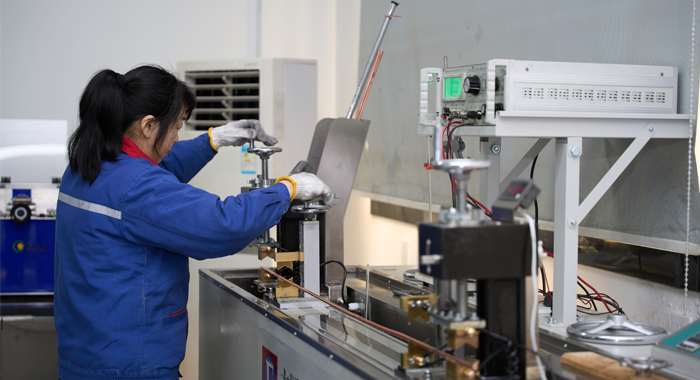
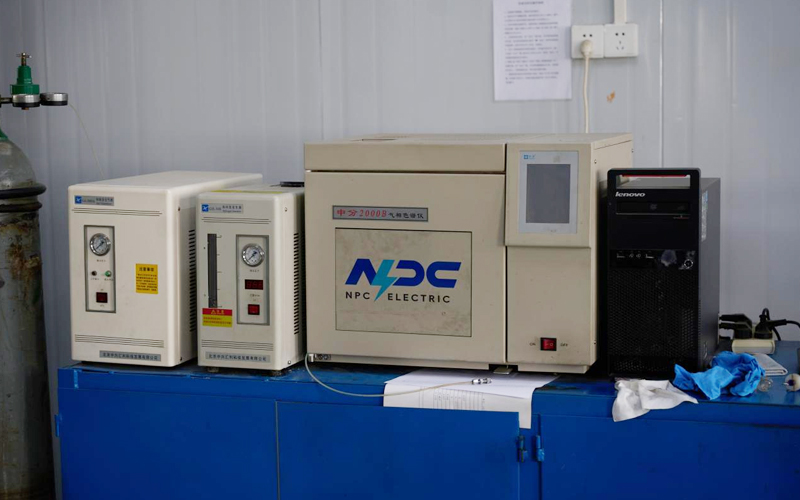
Raw Material Test
Raw material testing for the N2XSH Medium Voltage Power Cable (6/10kV, 12/20kV, 18/30kV) ensures fire-safe quality from the outset. Copper conductors are inspected for purity and conductivity per IEC standards. XLPE insulation compound undergoes density, antioxidant content, and crosslinking analysis via OIT and DSC tests. Screen materials are checked for thickness and adhesion. LSZH sheath compound is rigorously tested for halogen content (<0.5%), smoke density, acidity, and flame-retardant additives using IEC 60754 and EN 50399 methods. Samples face tensile strength, elongation, and accelerated aging/thermal trials. The step-by-step process: incoming batch certification, sampling protocol, chemical composition spectroscopy, mechanical/electrical property testing (before/after aging), fire performance pre-simulation, and material approval decision.
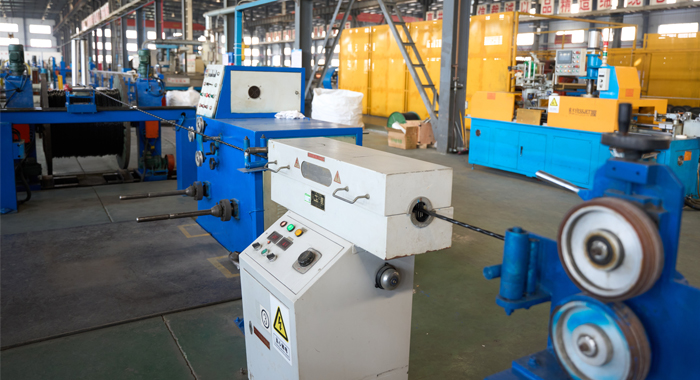
Process inspection
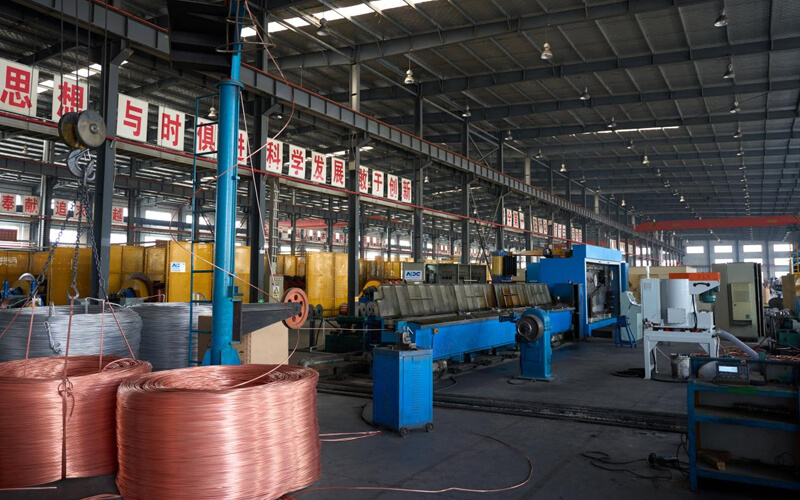
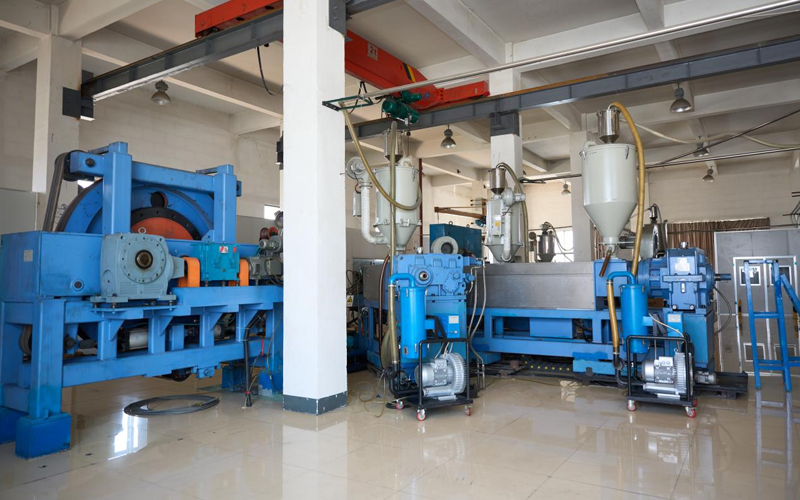
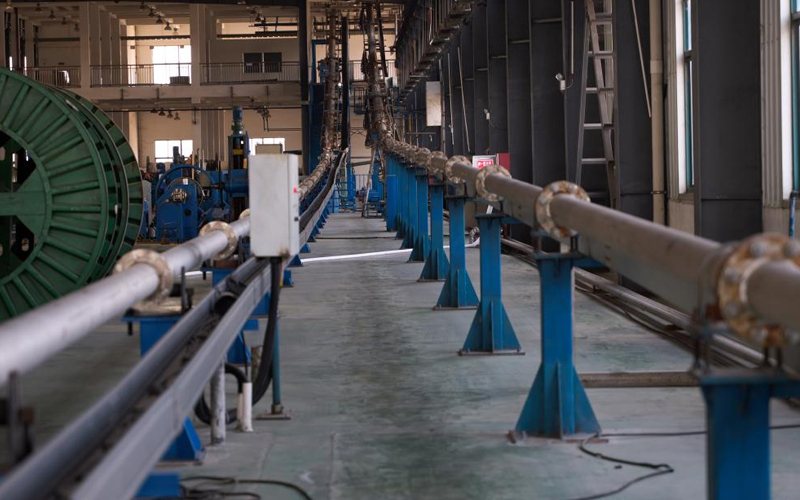
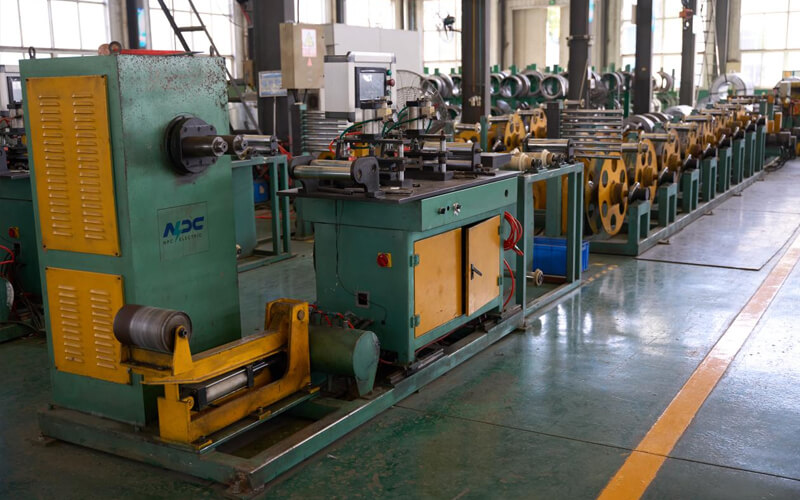
During the manufacturing of the N2XSH Medium Voltage Power Cable (6/10kV, 12/20kV, 18/30kV), process inspection maintains safety and consistency. Copper stranding is monitored for compactness with laser gauges. Triple extrusion (conductor shield, XLPE insulation, insulation shield) ensures concentricity and thickness using online X-ray systems. Screen application controls overlap and bonding. LSZH sheath extrusion includes real-time spark testing and diameter verification. Marking permanence and sheath color are inspected. Key steps: material pre-drying confirmation, extrusion/screening parameter logging (temperature, pressure), intermediate hot set tests for crosslinking degree, partial discharge monitoring, enhanced smoke additive distribution checks, defect detection/correction, and post-process cooling control.
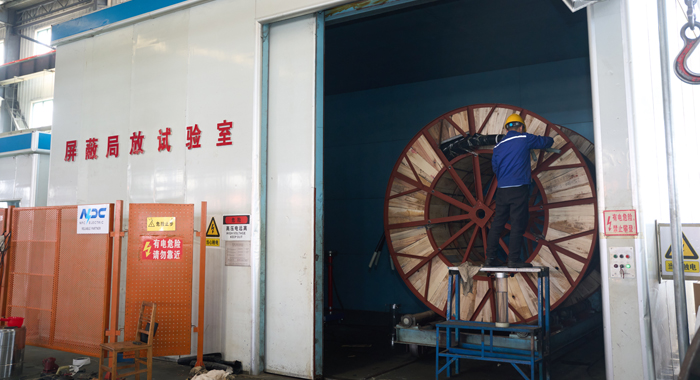
Finished Product
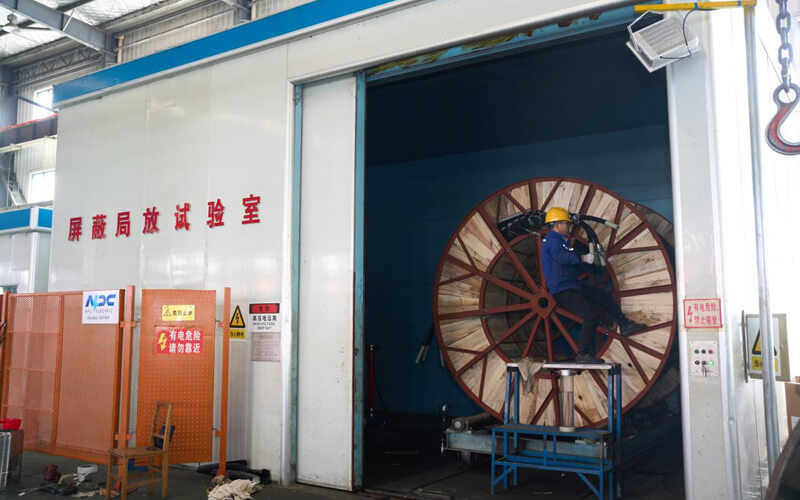
The finished N2XSH Medium Voltage Power Cable (6/10kV, 12/20kV, 18/30kV) undergoes comprehensive testing for safety certification. Routine tests include conductor resistance, AC high voltage withstand (up to 3.5U0), partial discharge (≤5pC), screen continuity, and thickness verification. Fire safety tests cover smoke density (IEC 61034), halogen acid gas (IEC 60754), flame propagation (IEC 60332), and heat release. Type tests include impulse withstand and thermal cycling. The process steps: sample preparation with terminations, gradual voltage ramp-up, PD monitoring, fire chamber exposure with smoke/heat measurement, environmental conditioning, post-test electrical/mechanical re-measurement, and visual inspection. Additional checks cover tan delta, capacitance, and marking durability.
Application
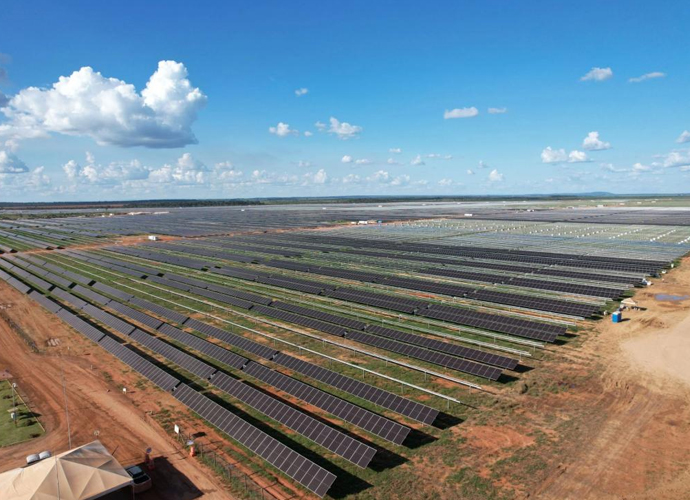
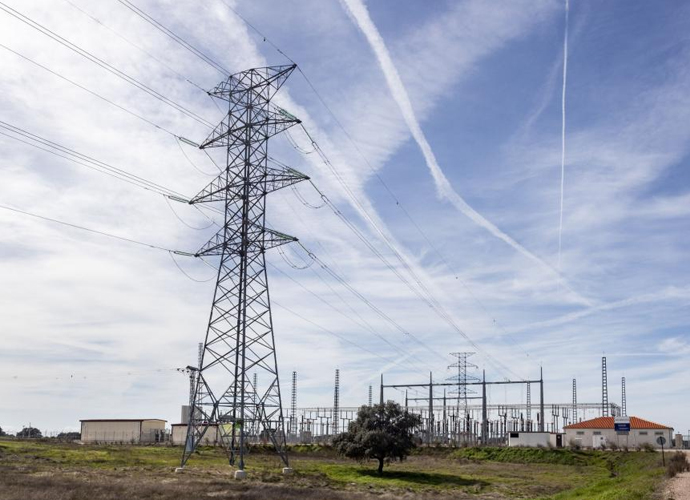
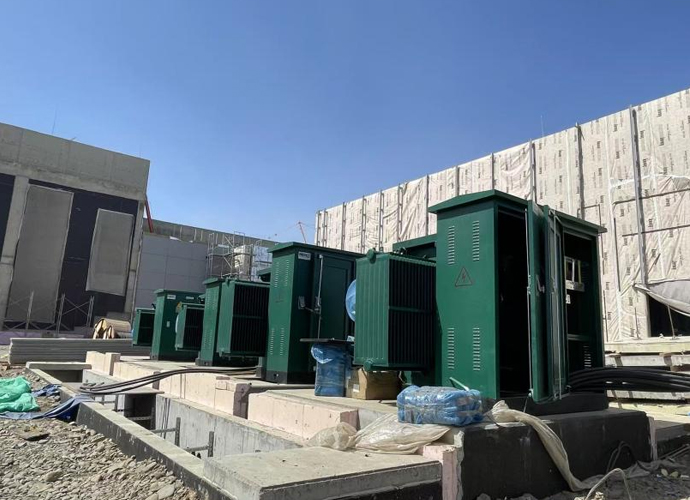
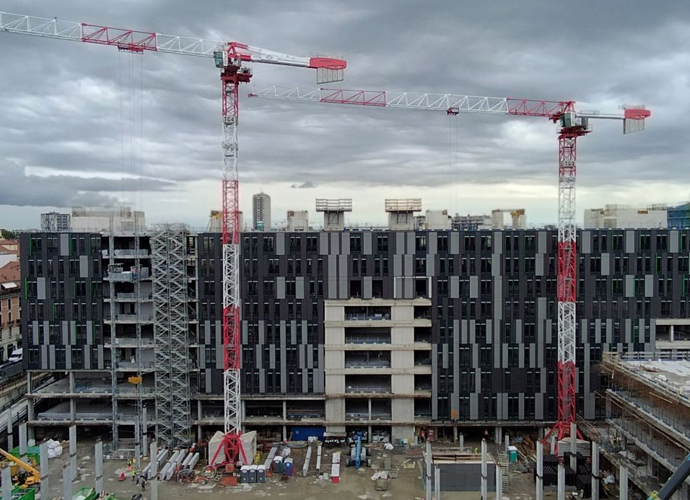
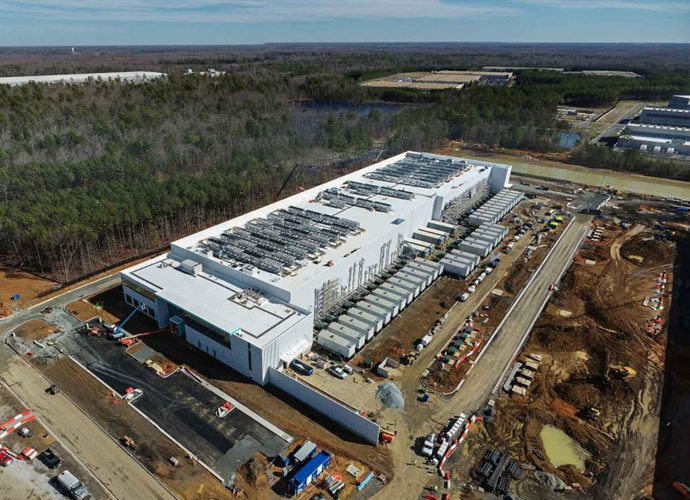
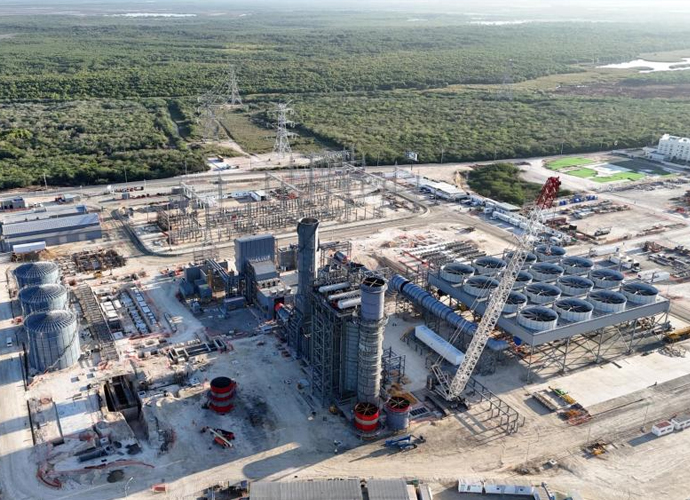
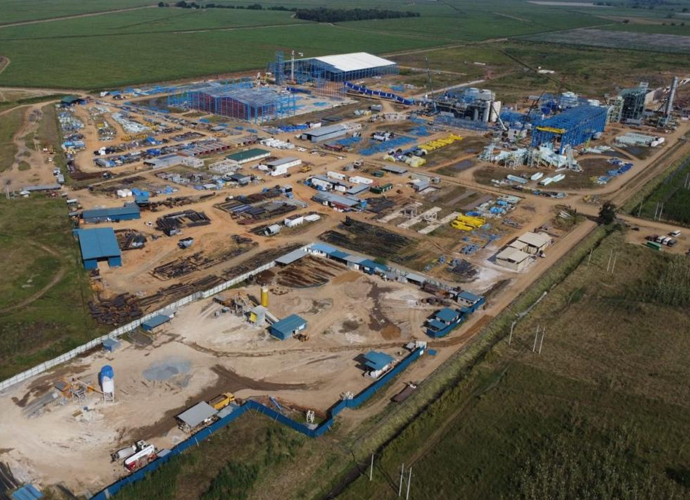
Ideal for medium voltage supply in metro systems, theaters, hotels, data centers, and educational facilities. Commonly installed indoors, in ducts, or underground where regulations demand low smoke zero halogen cables to minimize risk in populated or fire-sensitive areas.

Technical Advantages
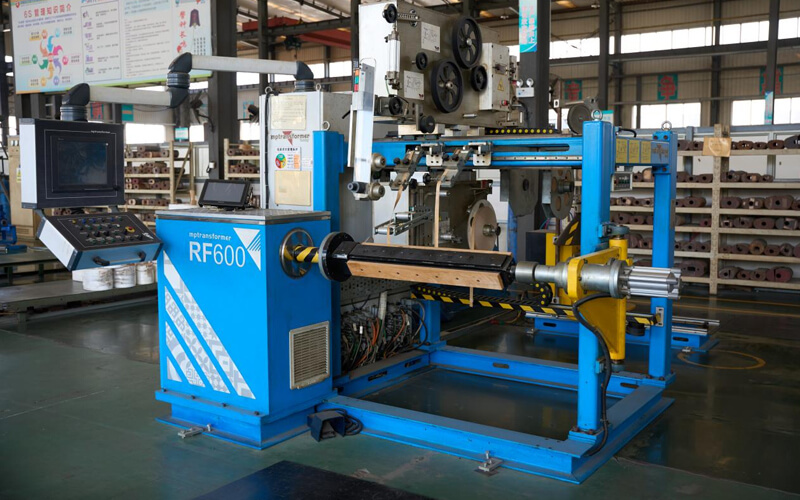
● 30+ years of manufacturing experience
● ISO and UL certified production
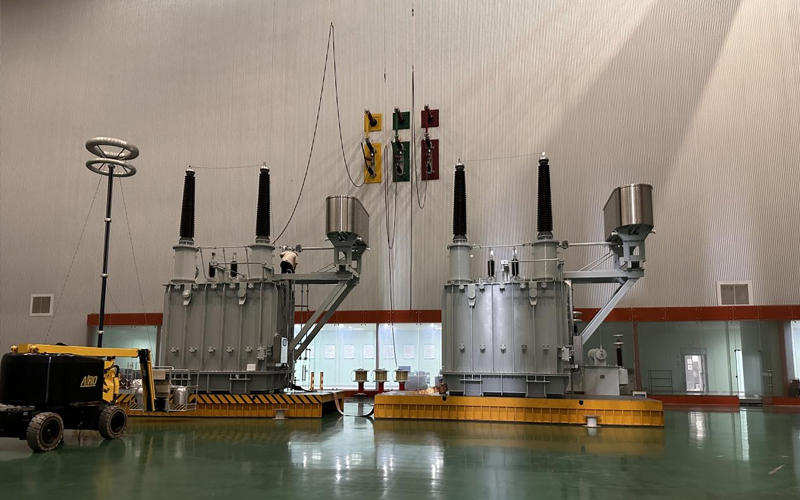
● Customized cable and transformer solutions
Product Packaging
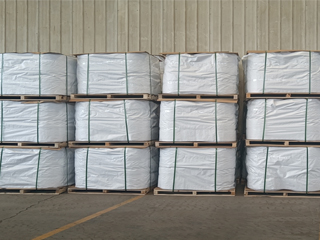
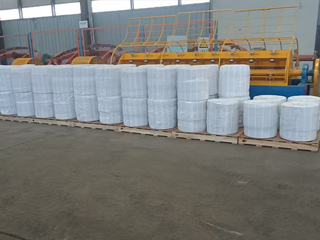
Wires and Cables packaging (1)
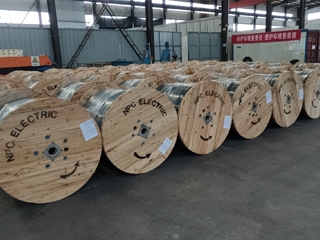
Wires and Cables packaging (2)
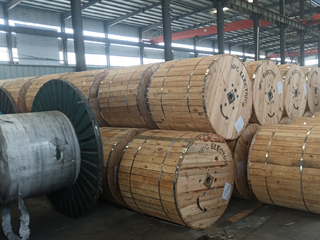
Wires and Cables packaging (3)
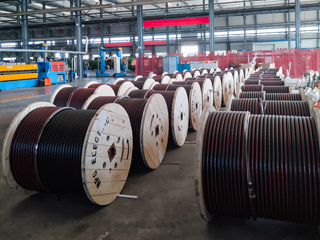
Wires and Cables packaging (4)
Wires and Cables packaging (5)
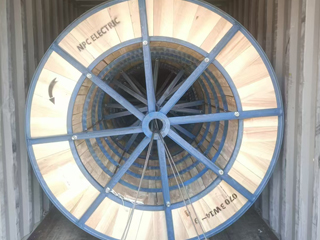
Wires and Cables packaging (6)
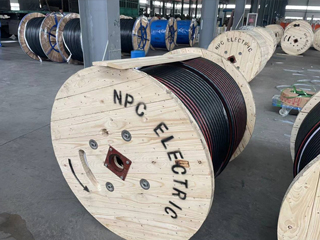
Wires and Cables packaging (7)
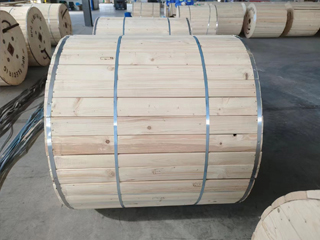
Wires and Cables packaging (8)
Related Products
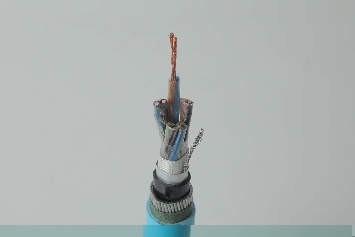
Instrumentation Cables—PVC Insulated, Overall Screened, Wire Armoured PVC Sheathed Cables(CU/PVC/OSCR/SWA/PVC)
Instrumentation Cables are multi-conductor cables that carry and transport low-voltage electrical signals. These low-voltage signals are used to control and monitor electrical power systems. Instrumentation cables have many different industrial applications that include broadcasting, equipment control, such as drilling and pumping in the oil and gas industry, and data transfer, which includes analog and digital signals. They are manufactured according to the BS EN 50288-7 and BS EN 50288-1 standards to ensure quality. Depending on the application, instrumentation cables can be insulated with PVC or XLPE; the cables can be armoured or unarmoured. The sheathing materials can be of PVC, LSZH, or PE. The cables can have additional flame retardant or flame retardant properties, and they can be manufactured with special protections such as lead sheaths, or DRYLAM or AIRBAG technology.H-medium-voltage-power-cable.jpg)
N2XS(F)H Medium Voltage Power Cable (6/10kV, 12/20kV, 18/30kV)
The N2XS(F)H Medium Voltage Power Cable is engineered for medium voltage power distribution systems operating at 6/10kV, 12/20kV, and 18/30kV, where electrical reliability and fire safety are essential. The cable combines a copper conductor with XLPE insulation and a longitudinally corrugated aluminum sheath that delivers excellent moisture protection and mechanical strength. The LSZH outer sheath minimizes toxic gas release and smoke generation during fire exposure, supporting safer evacuation and equipment protection. Designed and manufactured in compliance with IEC standards, N2XS(F)H cables provide low dielectric losses, high thermal stability, and dependable long-term operation. The metallic sheath enhances grounding and fault current performance, making the cable suitable for critical infrastructure and underground installations.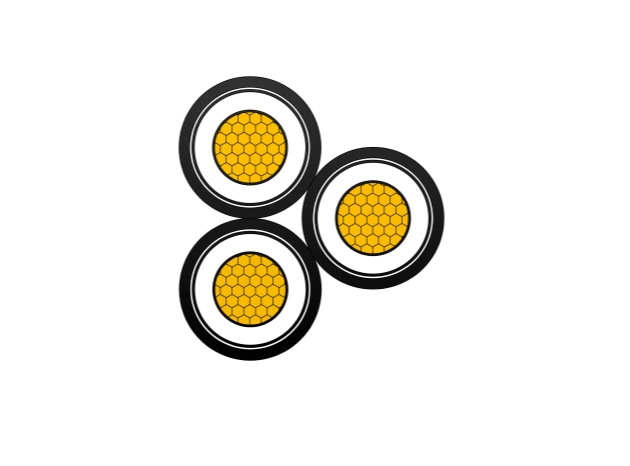
FR-N30XA8E-AR Triplex 18/30kV Cable Gen to NF C 33-226 - AL/XLPE/MDPE
The FR-N30XA8E-AR Triplex 18/30kV Cable is a high-performance triplex medium-voltage cable manufactured to NF C 33-226 standard for reliable power distribution. It features three stranded aluminium conductors (AL), semi-conductive conductor screens, high-quality XLPE (cross-linked polyethylene) insulation for excellent dielectric strength and thermal stability (90°C continuous, 250°C short-circuit), semi-conductive insulation screens, copper wire screens for grounding and protection, and a robust medium-density polyethylene (MDPE) outer sheath providing superior mechanical protection, moisture resistance, UV stability, and chemical resistance. The triplex configuration (three cores twisted together) facilitates easy installation in overhead aerial bundled systems or underground ducts. Compliant with French NF C 33-226 and relevant IEC standards, it offers low dielectric losses, high current-carrying capacity, and long service life in demanding environments. The FR-N30XA8E-AR is ideal for MV overhead lines, underground distribution, rural electrification, and urban networks requiring durable, weather-resistant triplex cable.
Instrumentation Cables—XLPE Insulated,Individual &Overall Screened,Unarmoured PVC Sheathed Cables(CU/XLPE/IOSCR/PVC)
Instrumentation Cables are multi-conductor cables that carry and transport low-voltage electrical signals. These low-voltage signals are used to control and monitor electrical power systems. Instrumentation cables have many different industrial applications that include broadcasting, equipment control, such as drilling and pumping in the oil and gas industry, and data transfer, which includes analog and digital signals. They are manufactured according to the BS EN 50288-7 and BS EN 50288-1 standards to ensure quality. Depending on the application, instrumentation cables can be insulated with PVC or XLPE; the cables can be armoured or unarmoured. The sheathing materials can be of PVC, LSZH, or PE. The cables can have additional flame retardant or flame retardant properties, and they can be manufactured with special protections such as lead sheaths, or DRYLAM or AIRBAG technology.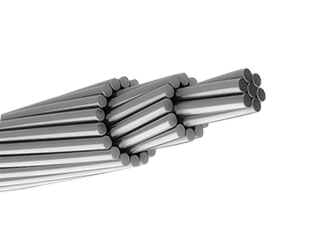
336.4 MCM LINNET ACSR Conductor Cable
The ACSR CAA 336.4 MCM 26/7F LINNET conductor is engineered for superior performance in overhead transmission and distribution systems. Constructed with 26 strands of hard-drawn 1350-H19 aluminium helically stranded around 7 galvanized steel wires, this conductor delivers the perfect balance of high electrical conductivity and enhanced tensile strength. Compliant with ASTM B232 standards, this ACSR conductor is ideal for long-span installations and demanding environmental conditions. The steel-reinforced core, galvanized to Class A or B standards, provides critical mechanical support, while the aluminium strands ensure efficient power transmission. This construction makes the LINNET configuration especially well-suited for medium- to high-voltage lines, where both strength and conductivity are crucial. Its corrosion-resistant steel core enhances durability and reduces maintenance needs, ensuring a long service life in overhead applications.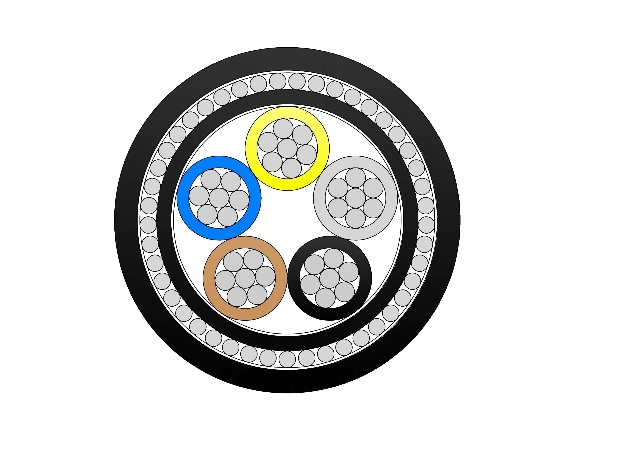
NA2XRY 0.6/1kV Low Voltage Power Cable
NA2XRY 0.6/1kV are low voltage power cables designed according to BS 5467 standard, suitable for fixed installation in indoor, outdoor, underground, or concrete (Can withstand certain mechanical forces) environments. Constructed with aluminium conductors, thermosetting XLPE insulation, PVC inner bedding, double galvanised steel tape armour, and tough PVC outer sheath, it meets IEC 60502-1 requirements. The STA armour offers outstanding resistance to compression and external forces, enabling direct burial. Lightweight aluminium lowers installation costs while ensuring good current rating and low losses. Flame-retardant and stable in harsh conditions, the NA2XRY 0.6/1kV Low Voltage Power Cable is favoured for manufacturing plants, renewable sites, commercial complexes, and infrastructure demanding reliable, low-maintenance low-voltage cabling with enhanced mechanical safeguarding.FAQ From Customers
-
What are the advantages of power cables and overhead lines?(1) Reliable operation, because it is installed in a hidden place such as underground, it is less damaged by external forces, has less chance of failure, and the power supply is safe, and it will not cause harm to people; (2) The maintenance workload is small and frequent inspections are not required; (3) No need to erect towers; (4) Help improve power factor.
-
Which aspects should be considered when choosing the cross section of a power cable?(1) The long-term allowable working current of the cable; (2) Thermal stability once short circuited; (3) The voltage drop on the line cannot exceed the allowable working range.
-
What are the measures for cable fire prevention?(1) Use flame-retardant cables; (2) Use fireproof cable tray; (3) Use fireproof paint; (4) Fire partition walls and fire baffles are installed at cable tunnels, mezzanine exits, etc.; (5) Overhead cables should avoid oil pipelines and explosion-proof doors, otherwise local pipes or heat insulation and fire prevention measures should be taken.
-
What should be paid attention to during the transportation and handling of cables?(1) During transportation, loading and unloading, cables and cable reels should not be damaged. It is strictly forbidden to push the cable reels directly from the vehicle. Generally, cables should not be transported and stored flat. (2) Before transporting or rolling the cable reel, ensure that the cable reel is firm, the cable is wound tightly, the oil pipe between the oil-filled cable and the pressure oil tank should be fixed without damage, the pressure oil tank should be firm, and the pressure indication should meet the requirements.
-
What inspections should be carried out for the acceptance of cable lines?(1) The cable specifications should meet the regulations, the arrangement should be neat, no damage, and the signs should be complete, correct and clear; (2) The fixed bending radius of the cable, the related distance and the wiring of the metal sheath of the single-core power cable should meet the requirements; (3) The cable terminal and the middle head should not leak oil, and the installation should be firm. The oil pressure of the oil-filled cable and the meter setting should meet the requirements; (4) Good grounding; (5) The color of the cable terminal is correct, and the metal parts such as the bracket are completely painted; (6) There should be no debris in the cable trench, tunnel, and bridge, and the cover should be complete.
Welcome your inquiry
Honesty, Integrity, Frugality, Activeness and Passion