
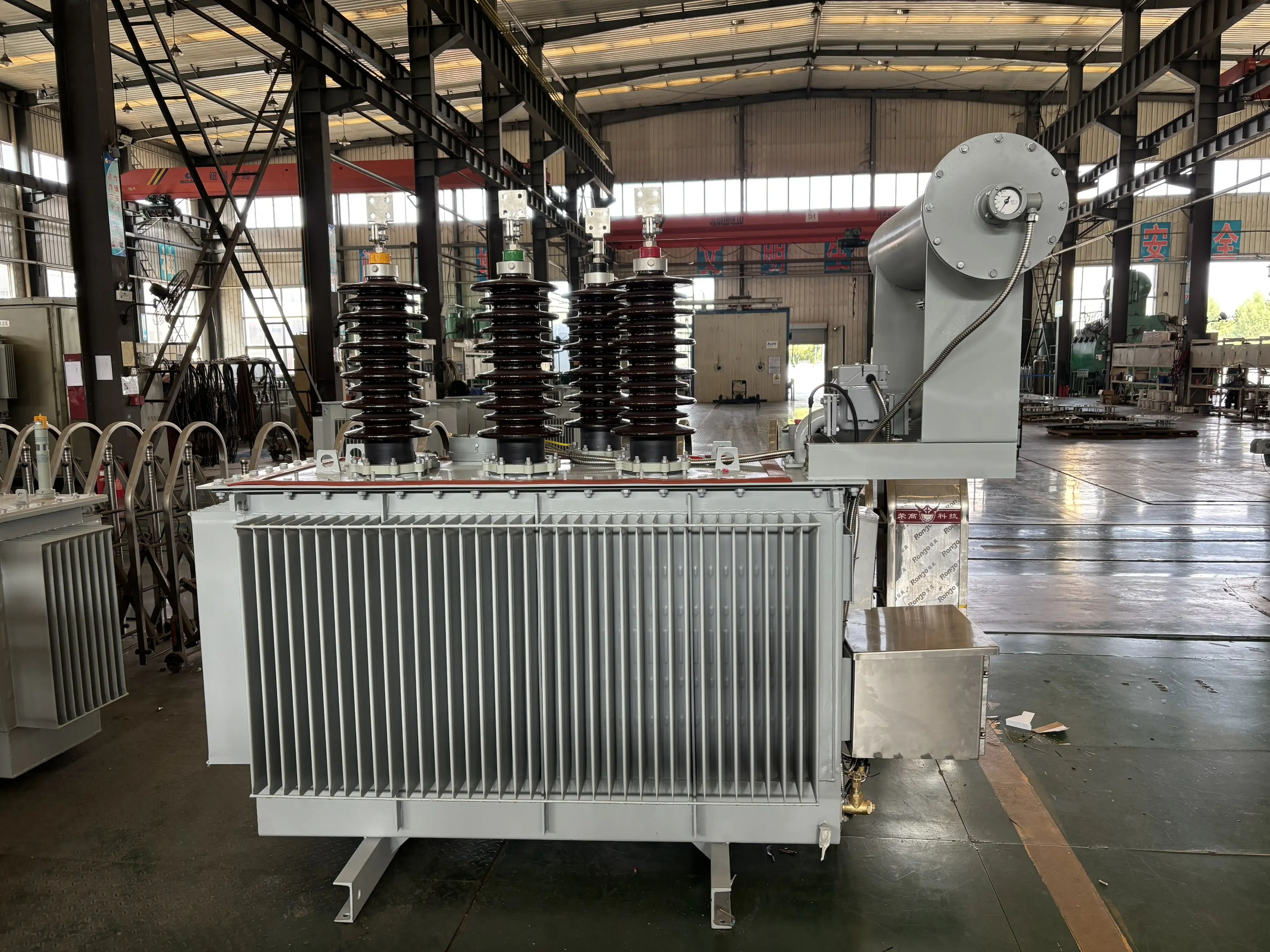
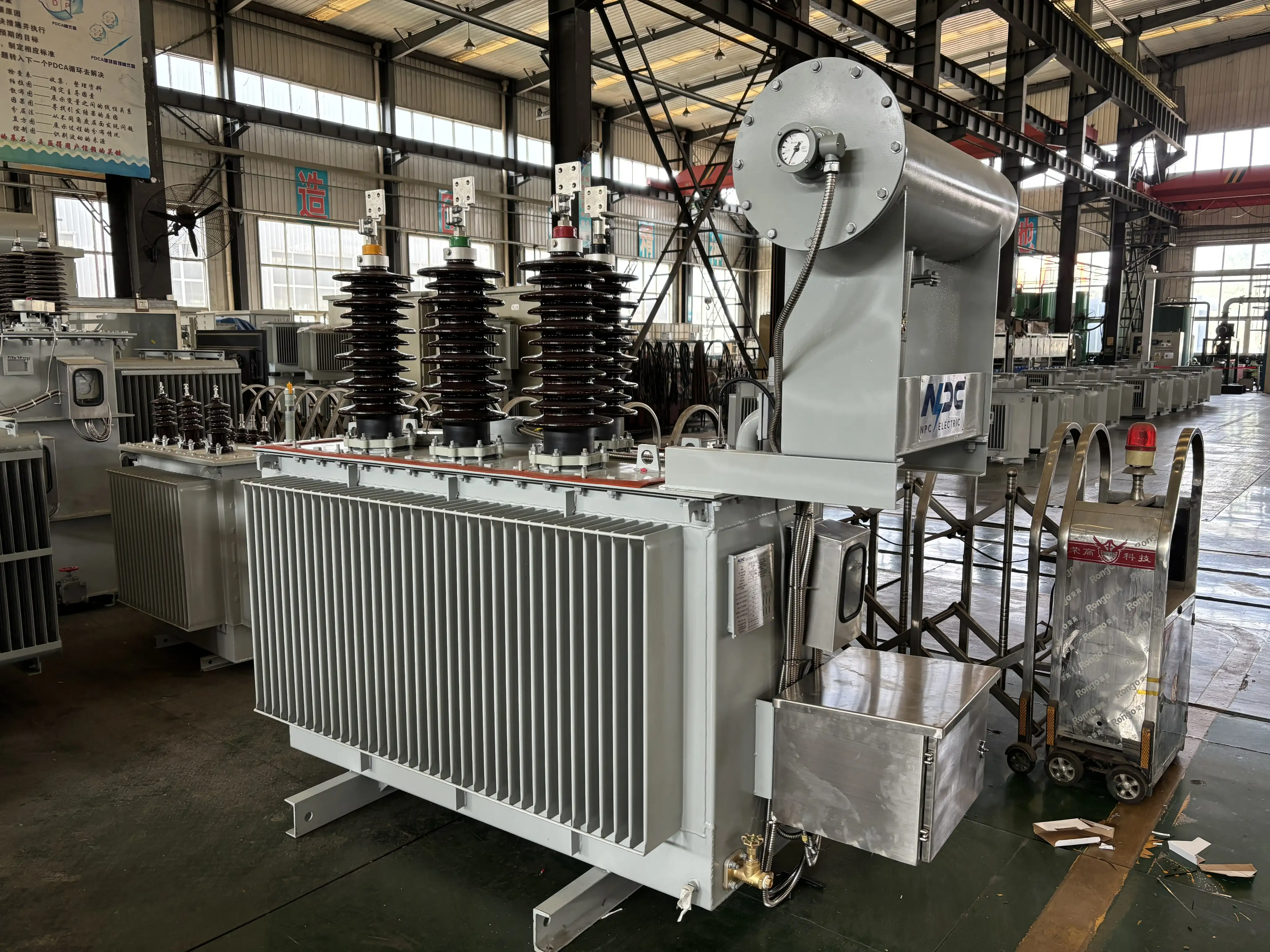


2000kVA 33kV Oil-Immersed Earthing Transformer with NGR
2000kVA 33kV Oil-Immersed Neutral Grounding Earthing Transformer with NGR is engineered to provide a stable and controlled neutral point for medium-voltage power systems. By combining an earthing transformer with an integrated Neutral Grounding Resistor (NGR), it effectively limits earth fault current, improves system protection coordination, and enhances operational safety.
The oil-immersed design ensures excellent insulation performance, efficient heat dissipation, and long-term reliability under continuous operation. Optimized magnetic core construction reduces losses, while robust windings withstand short-time fault currents without mechanical degradation. The integrated NGR is precisely matched to system requirements, enabling accurate fault current limitation and minimizing damage to equipment during ground faults.
- Primary Voltage Ratings 34.5/33/24/12kV or others
- Secondary Voltage Ratings 480/277V, 400/230V, 380/220V, no LV winding or customized
- H.V. Tap Range ± 2×2.5% HV taps or others
- Type Earth transformer
- BIL 33kV or others
- Standards IEEE, ANSI, NEMA, IEC, GB
- Application substations, industrial networks, and renewable energy systems
- Power Rating 2000kVA
- Certificate UL ,CESI
- Cooling Method ONAN, KNAN
- Oil Mineral Oil or FR3
- Opeartion Grounding
Technical Specifications
Customization Optional
Packing and Shipping
Manufacturer Test
Routine Testing
Application
Technical Specifications
2000kVA 33kV Oil-Immersed Earthing Transformer with NGR
Technical Specifications
Accessories
| Rated Power | 2000kVA | |
| Rating Primary Voltage | 2.4-34.5kV | |
| Secondary Voltage | 480/277V 400/230V 380/220V Customized |
|
| Frequency | 50/60Hz | |
| Vector Group | ZNd, ZN | |
| Winding Material | Aluminum/Copper | |
| Zero-Sequence Impedance | Customized | |
| Altitude | ≤1,000m or Customized | |
| Color | ANSI 70 Light gray/Munsell 7GY3.29/1.5 or customized etc | |
| Tank material | Mild Steel, 304 Stainless Steel | |
| Insulating Oil Weight | 1000 kg | |
| Total Weight | 4200 kg | |
| Outline Dimensions(L×W×H)in. | 2500×1100×2500(mm) | |
| HV Bushing |
| LV Bushing |
| Tap changer |
| Oil level gauge |
| Oil temperature indicator |
| Pressure relief device |
| CT |
| Lifting hook for complete transformer |
| Name plate |
| Radiators |
| Oil upper filtering valve |
| Oil drain valve with 3/8" sampler |
| Terminal box |
Customization Optional
2000kVA 33kV Oil-Immersed Earthing Transformer with NGR
NPC Electric 2000kVA 33kV Oil-Immersed Neutral Grounding Transformer offers comprehensive electrical customization to meet different grounding philosophies and system protection requirements. Voltage ratings can be adapted to various medium-voltage networks, while impedance and zero-sequence characteristics are carefully engineered to achieve precise earth fault current control. The integrated Neutral Grounding Resistor can be customized for resistance value, thermal rating, and short-time withstand capacity, ensuring coordination with protection relays and fault-clearing times. Customers may specify copper or aluminum windings based on efficiency targets, operating temperature, and lifecycle cost considerations. Short-time current ratings and duty cycles are configurable to suit utility, industrial, or renewable energy applications.
Mechanical and environmental customization ensures reliable operation under diverse site conditions. The transformer tank can be designed for outdoor installation with enhanced corrosion protection, suitable for coastal, desert, or high-humidity environments. Cooling configurations such as ONAN or ONAF are selectable according to load profile and ambient temperature. Noise reduction features are available for installations near residential or commercial areas. Optional monitoring devices, including oil temperature indicators, winding temperature sensors, oil level gauges, and online condition monitoring systems, can be integrated to support predictive maintenance and long-term operational reliability.
Packing and Shipping
2000kVA 33kV Oil-Immersed Earthing Transformer with NGR
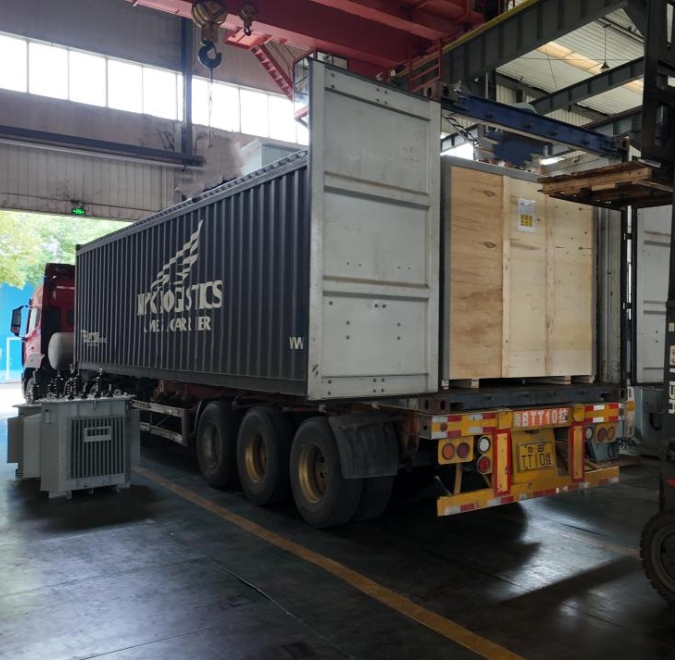
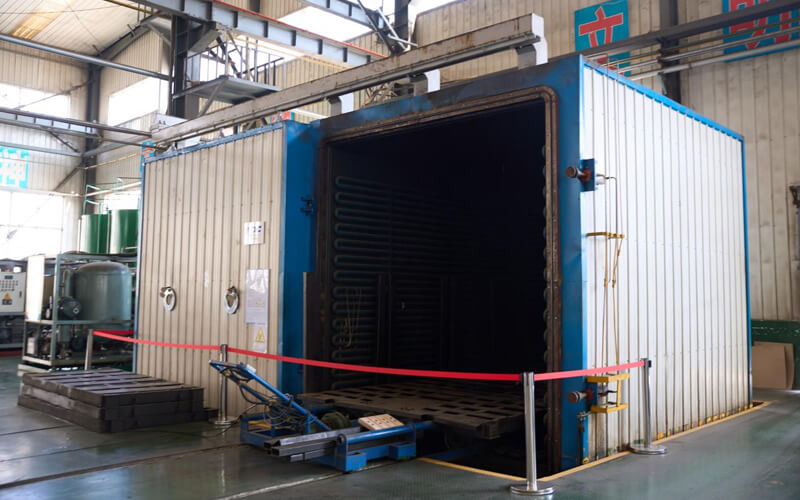
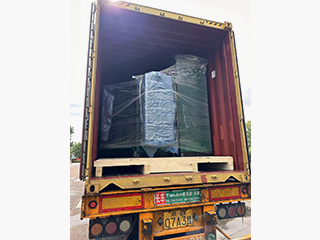
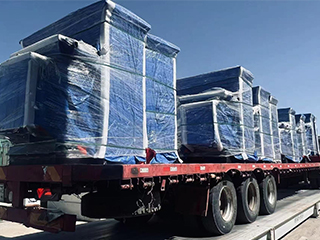
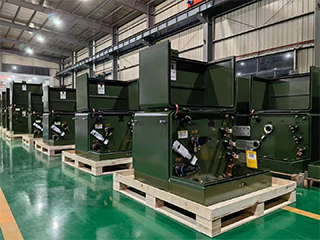
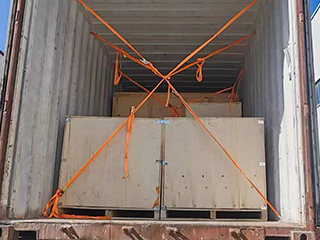
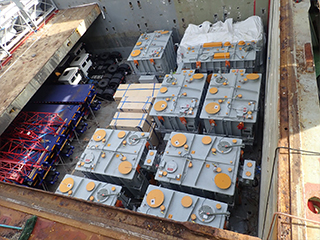
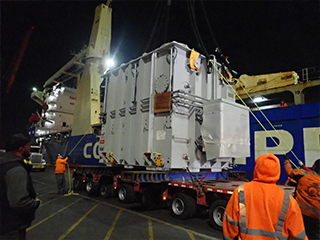
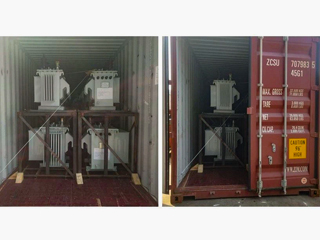
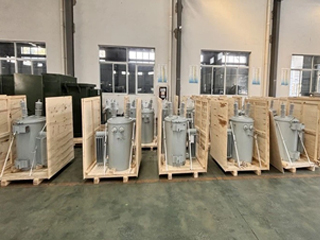
Packing and shipping of the oil-immersed neutral grounding transformer are carefully planned to ensure safe delivery and preservation of electrical integrity. Prior to packing, the transformer undergoes a final inspection to confirm that all mechanical assemblies, sealing surfaces, and accessories are correctly installed. External components such as bushings, NGR connections, and terminal boxes are reinforced with protective covers to prevent impact damage during transportation.
Depending on transport distance and customer requirements, the transformer may be shipped oil-filled, nitrogen-filled, or vacuum-sealed. For long-distance or overseas shipment, moisture-proof wrapping and corrosion-resistant coatings are applied to protect the tank and accessories. The Neutral Grounding Resistor and auxiliary equipment may be packed separately in dedicated crates to ensure safe handling and easy installation at site.
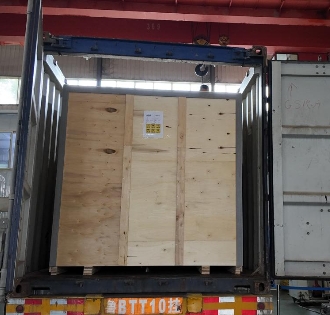
The main transformer body is mounted on heavy-duty steel or treated wooden skids designed to evenly distribute weight and maintain stability during lifting. Shock-absorbing materials and internal bracing are used to minimize vibration during road, rail, or sea transport. All wooden packaging materials comply with ISPM 15 international phytosanitary standards.
Clear handling instructions, lifting points, center-of-gravity markings, and safety warnings are applied to each package. Complete shipping documentation—including packing lists, FAT reports, manuals, and certificates—is provided to facilitate customs clearance and site acceptance. This structured approach ensures the transformer arrives ready for installation with minimal preparation.
Depending on transport distance and customer requirements, the transformer may be shipped oil-filled, nitrogen-filled, or vacuum-sealed. For long-distance or overseas shipment, moisture-proof wrapping and corrosion-resistant coatings are applied to protect the tank and accessories. The Neutral Grounding Resistor and auxiliary equipment may be packed separately in dedicated crates to ensure safe handling and easy installation at site.
The main transformer body is mounted on heavy-duty steel or treated wooden skids designed to evenly distribute weight and maintain stability during lifting. Shock-absorbing materials and internal bracing are used to minimize vibration during road, rail, or sea transport. All wooden packaging materials comply with ISPM 15 international phytosanitary standards.
Clear handling instructions, lifting points, center-of-gravity markings, and safety warnings are applied to each package. Complete shipping documentation—including packing lists, FAT reports, manuals, and certificates—is provided to facilitate customs clearance and site acceptance. This structured approach ensures the transformer arrives ready for installation with minimal preparation.
32
32 years of industry experience
Manufacturer Test
2000kVA 33kV Oil-Immersed Earthing Transformer with NGR
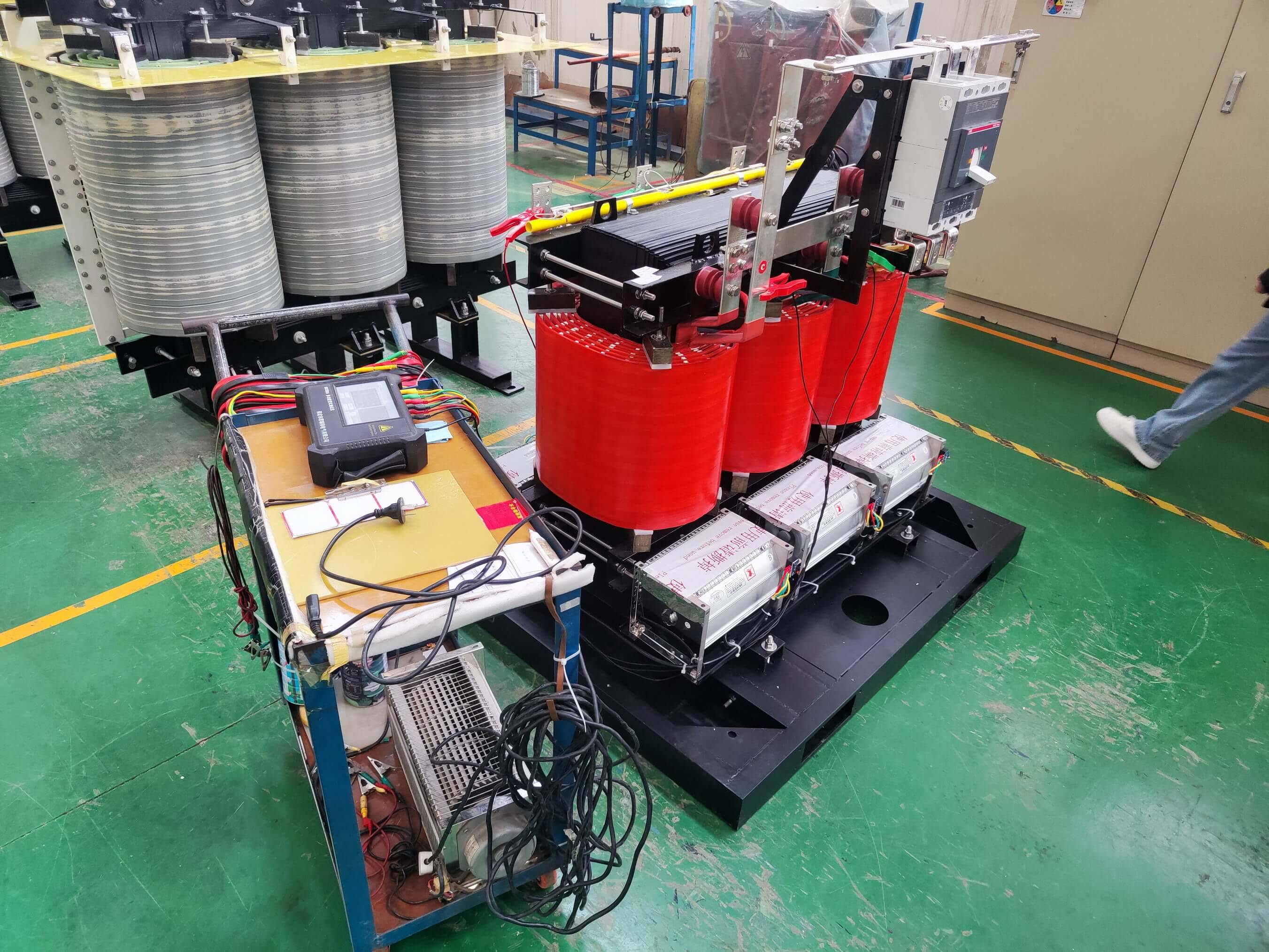
Progress Test
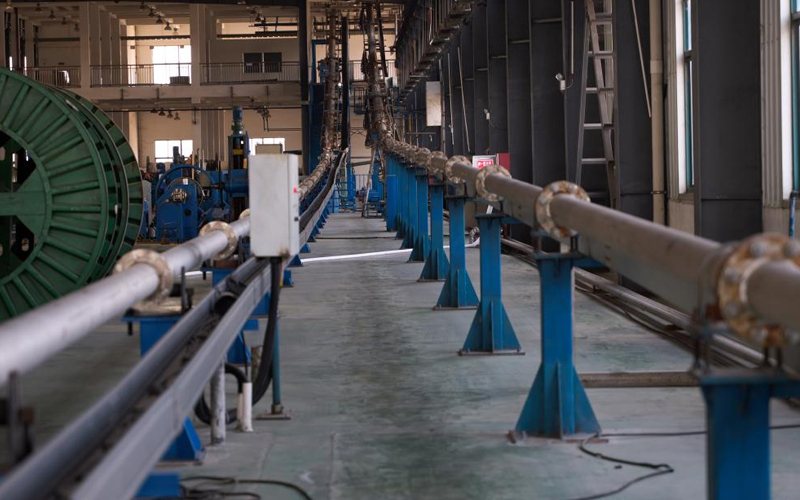
Progress testing is implemented throughout the manufacturing process to ensure consistent quality and strict adherence to design specifications. Incoming materials such as magnetic core steel, winding conductors, insulation materials, and transformer oil are inspected and verified prior to production. Core assembly inspections focus on lamination stacking quality, dimensional accuracy, and magnetic performance.
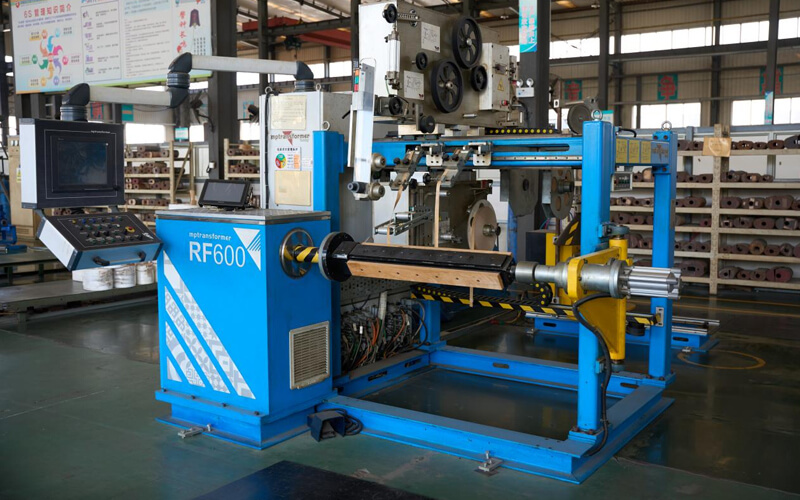
During winding and insulation stages, inspections verify conductor tension, insulation thickness, and mechanical stability. The active part undergoes controlled drying and vacuum treatment to eliminate moisture and enhance dielectric strength. Intermediate electrical checks, including winding resistance and insulation resistance tests, are conducted before final tank assembly.
Tank fabrication and welding quality are inspected, followed by pressure and leak tests. Oil filtration and filling processes are monitored to ensure cleanliness and dielectric integrity. All inspection data is recorded in progress reports, ensuring full traceability and early detection of potential deviations.
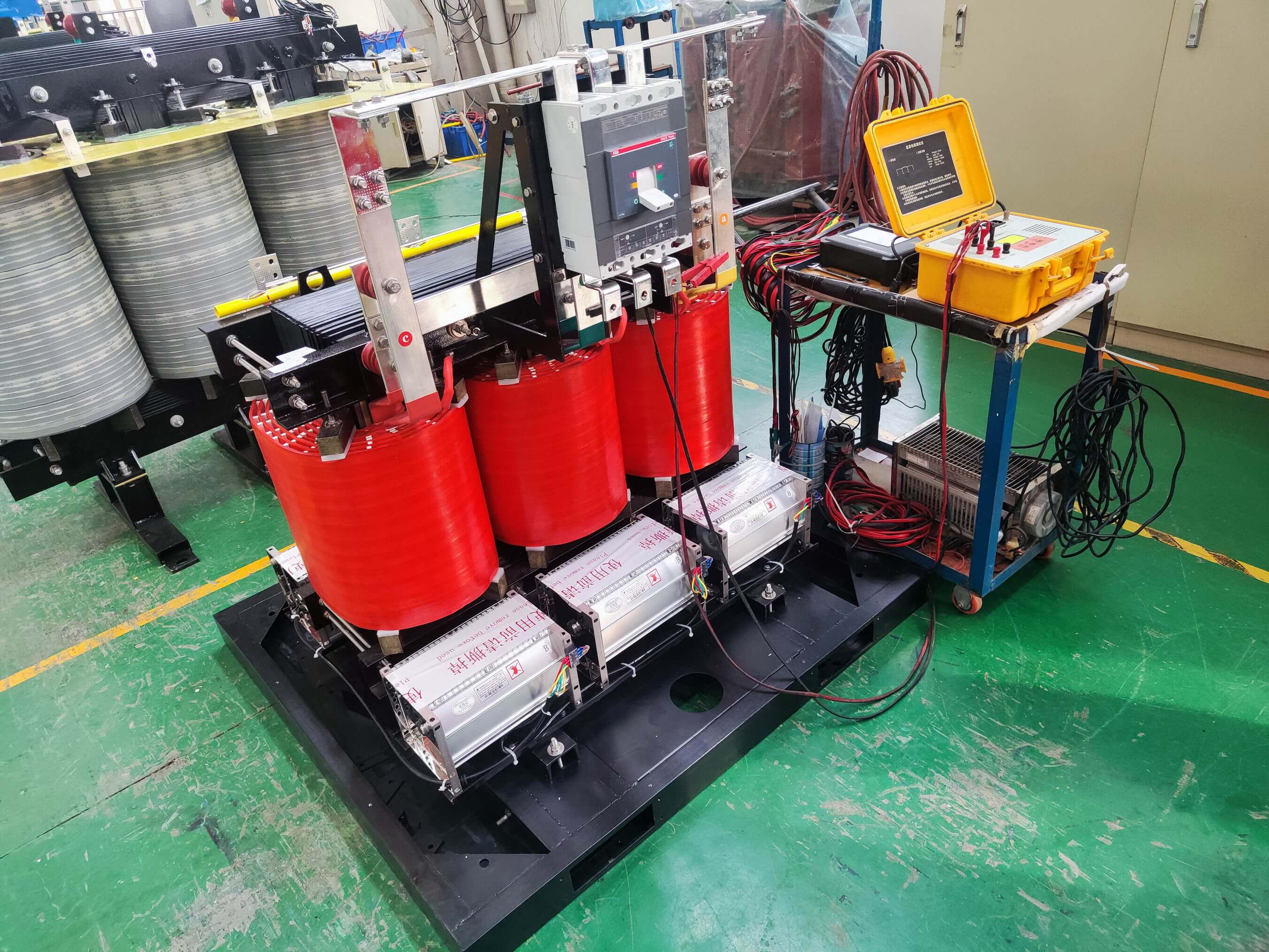
Design Tests
All transformers will be test after finishing the production, test items as follows:
♦ Insulation Power Factor
♦ Winding Resistance
♦ Impulse Tests
♦ On load Loss Test
♦ No Load Loss Test
♦ Leak Test
♦ DC Insulation Resistance Test
♦ Transformer Turns Ratio/TTR (All Tap Voltages)
♦ Impedance Voltage & Load Loss (Rated Voltage)
♦ Excitation & No-Load Loss (Rated Voltage)
♦ Applied Voltage
♦ Induced Voltage
♦ Lightning Impulse
♦ Insulation Resistance (Rated Voltage)
♦ Temperature Rise
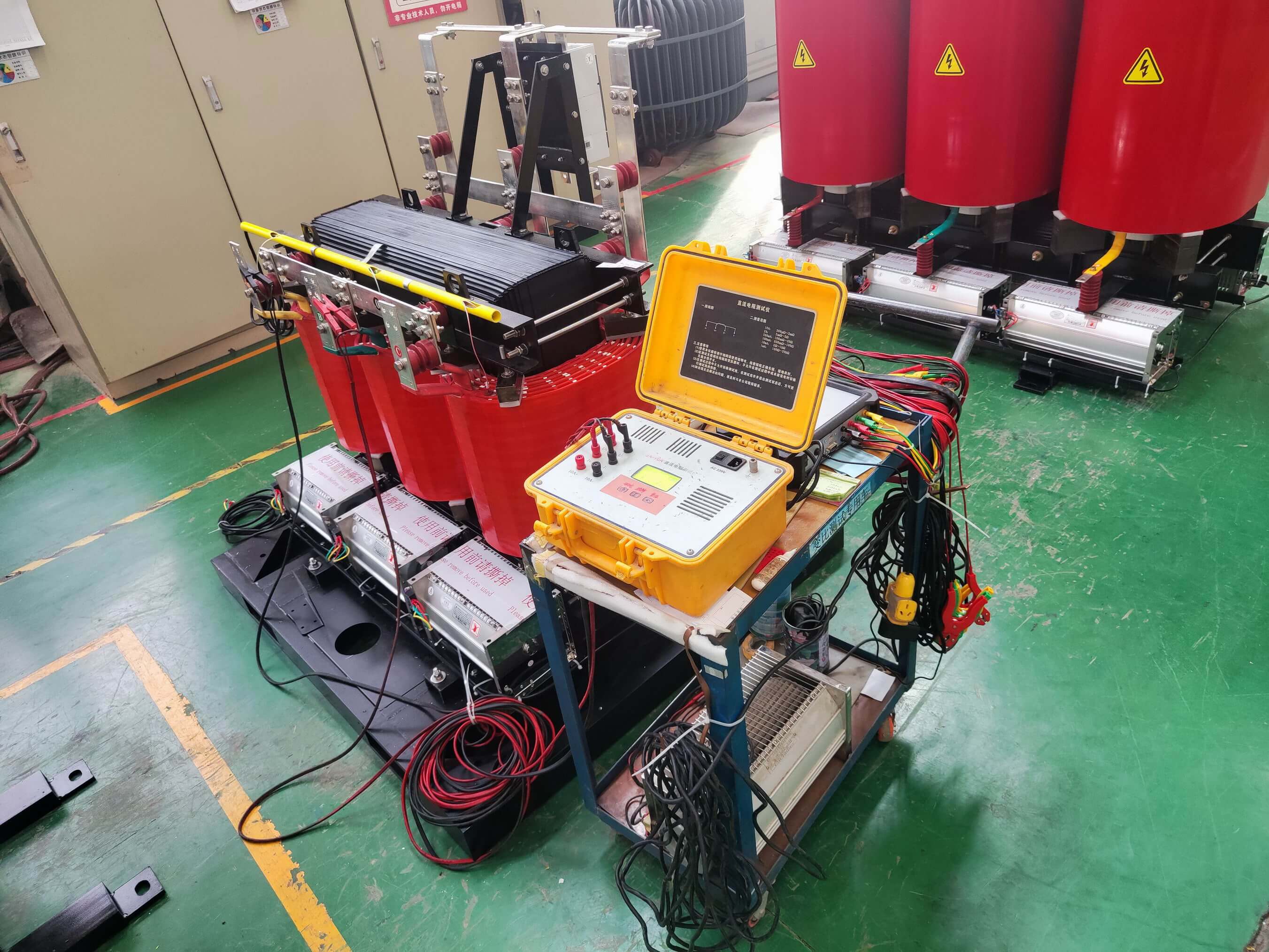
Transformer Factory Acceptance Test
The Factory Acceptance Test confirms that the transformer meets contractual and technical requirements. Routine electrical tests include winding resistance measurement, voltage ratio verification, polarity confirmation, and impedance testing. Functional checks validate correct grounding performance and NGR integration.
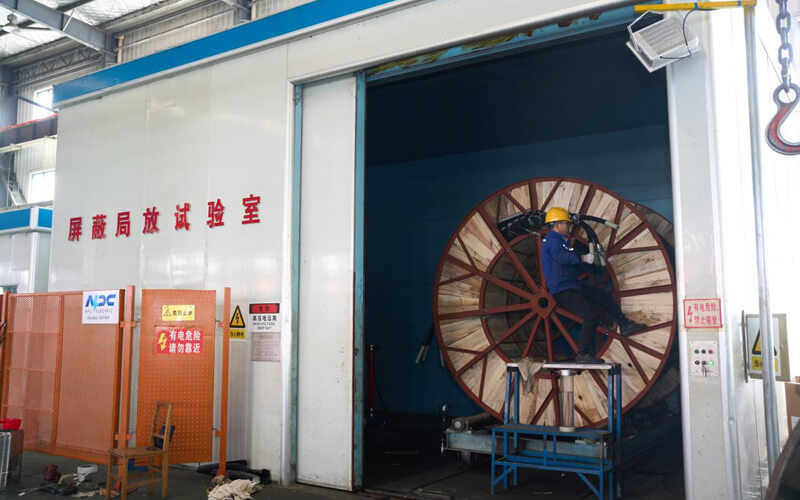
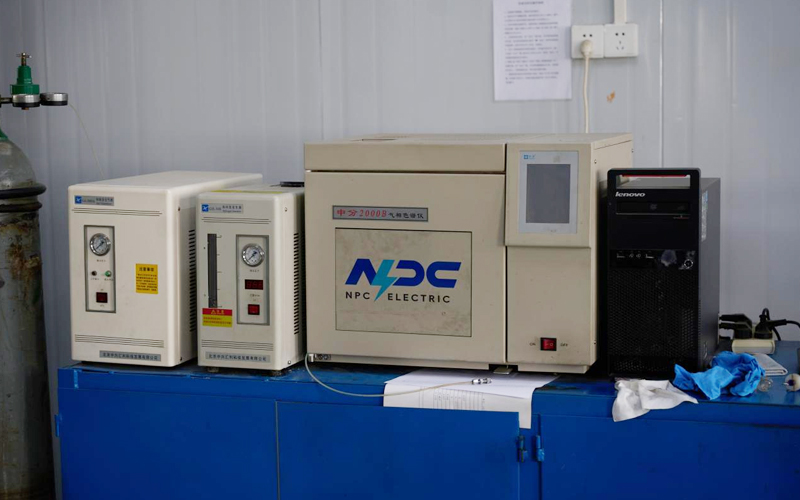
Dielectric tests assess insulation strength under rated conditions. Oil samples are tested for dielectric breakdown voltage and moisture content. Mechanical inspections ensure correct assembly and accessory installation. All results are documented in a comprehensive FAT report for customer approval.
Electrical tests verify fault current limitation performance and short-time withstand capability. Insulation resistance and dielectric tests confirm insulation integrity.
Routine Test - Leak Test
Purpose of Testing
The purpose of water leakage test is to check whether there is leakage in the equipment or system, to ensure that it has good sealing and safety during use. The integrity of the equipment can be verified by simulating the pressure or load conditions in the working environment.
Testing Equipment
Power transformer test system (e.g. OMICRON, ISA, Tettex, Vanguard, etc.)
Voltage source and current source (usually rated voltage, or adjusted according to the test standard, such as 10 KV, 20 KV, 35 KV, etc.)
Temperature and humidity meter (used to record ambient temperature and humidity for correction of test data)
Voltage source and current source (usually rated voltage, or adjusted according to the test standard, such as 10 KV, 20 KV, 35 KV, etc.)
Temperature and humidity meter (used to record ambient temperature and humidity for correction of test data)
Pre-Test Preparation
Leakage current tester (e.g. Fluke, Hioki, Megger, etc.)
Voltage source (usually 500V, 1 KV or 2.5 KV, customized according to test requirements)
Temperature and humidity meter
Ground electrode
Voltage source (usually 500V, 1 KV or 2.5 KV, customized according to test requirements)
Temperature and humidity meter
Ground electrode
Test Progress
Connect the Test Instrument:
Properly connect the test equipment (such as a leak detector) to the pipe, container or sealing structure of the device under test.
Apply Test Voltage:
Apply the appropriate test pressure (e.g. 10 bar, 15 bar, etc.) depending on the equipment's operating pressure or test standard.
Properly connect the test equipment (such as a leak detector) to the pipe, container or sealing structure of the device under test.
Apply Test Voltage:
Apply the appropriate test pressure (e.g. 10 bar, 15 bar, etc.) depending on the equipment's operating pressure or test standard.
Measure and Record
Start the test and record the following parameters:
Applied test pressure
Leakage (can be monitored by flow meter or other equipment)
Time record (to ensure that the test time meets the standard requirements)
Initial pressure and final pressure (if any changes)
Applied test pressure
Leakage (can be monitored by flow meter or other equipment)
Time record (to ensure that the test time meets the standard requirements)
Initial pressure and final pressure (if any changes)
Check for leaks
Check for leaks on equipment surfaces and joints by using a foam detector, gas leak detector, or other suitable method.
Repeat Testing (if necessary)
If the test finds leakage or there is any doubt, repeat the test as necessary to verify the sealing of different locations or different equipment parts.
Evaluation Criteria (Reference)
No leakage (excellent): No leakage during the test, the equipment is completely sealed.
Minor leakage (good): Very small leakage is allowed, and it is necessary to judge whether it is qualified according to industry standards.
Minor leakage (good): Very small leakage is allowed, and it is necessary to judge whether it is qualified according to industry standards.
*These comprehensive tests ensure that each transformer meets performance standards and operates
reliably under various conditions.
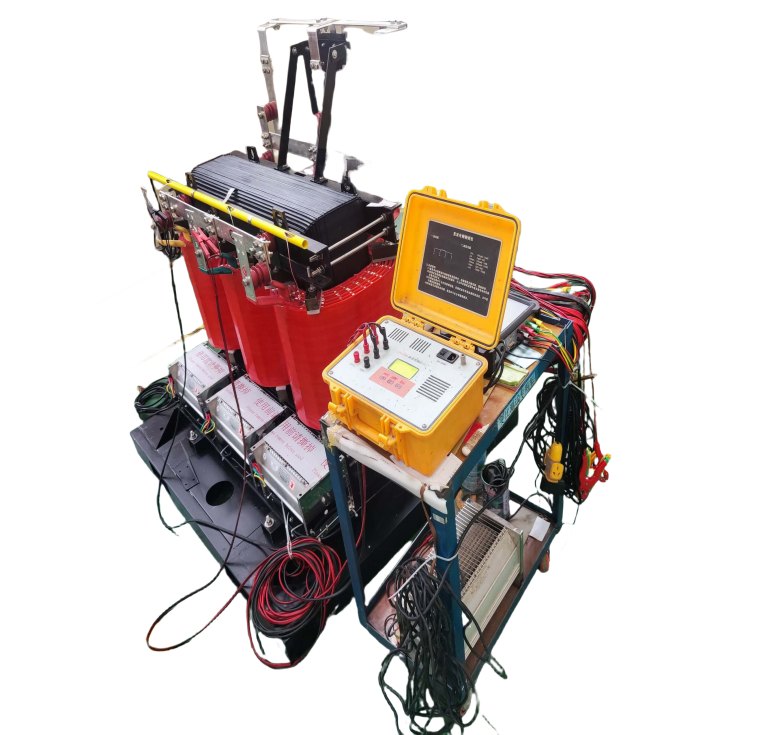
Application
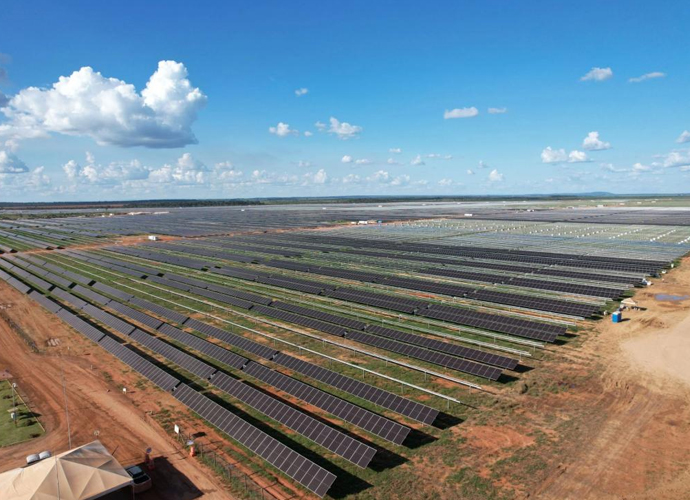
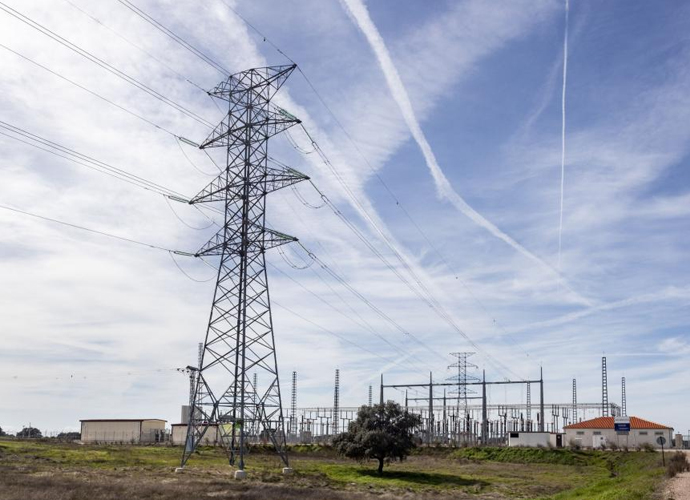
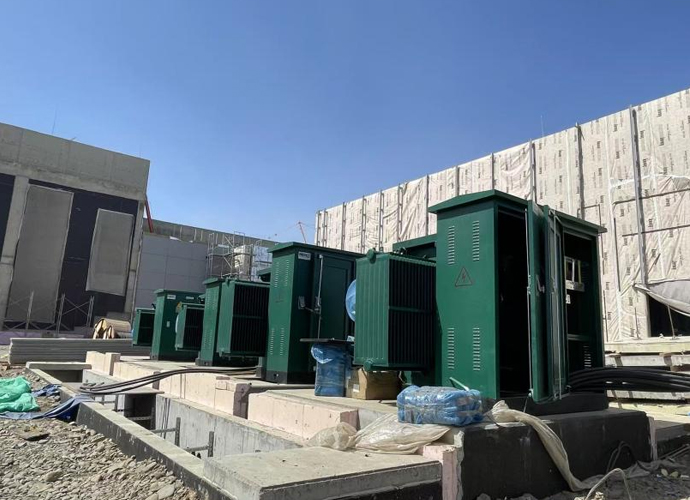
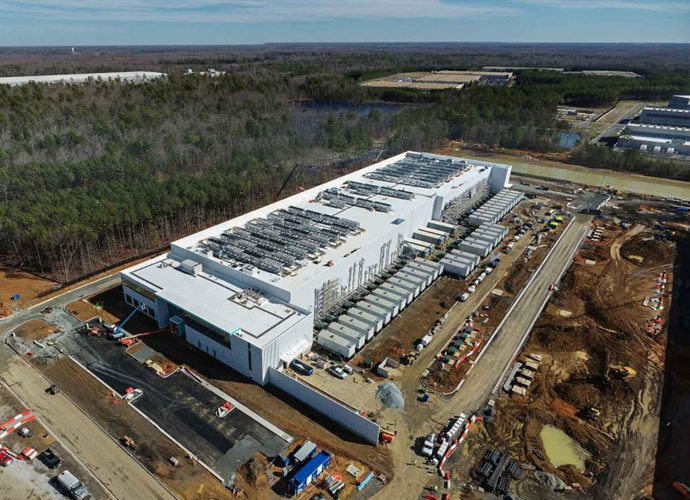
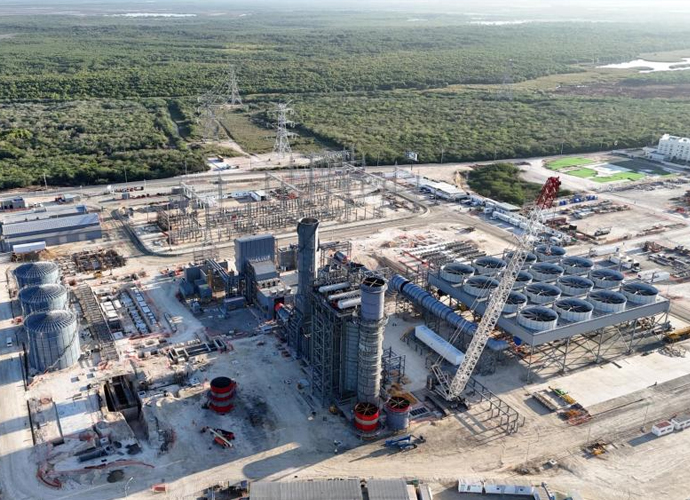
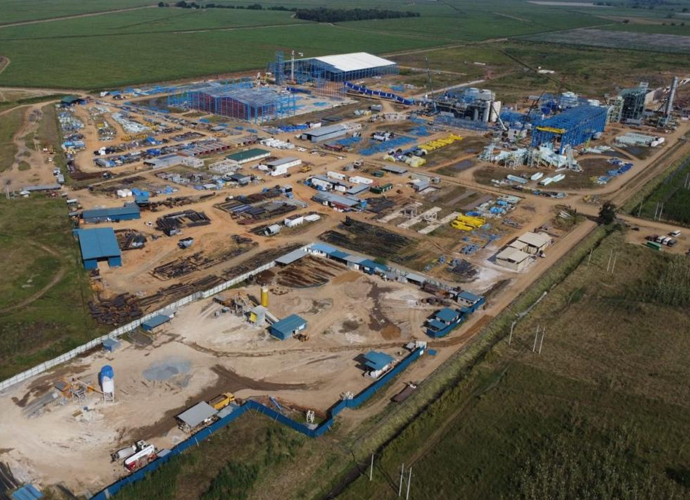
Ideal for renewable energy plants, mining facilities, and large industrial grids requiring reliable earthing solutions to improve system stability and fault management.


Technical Advantages
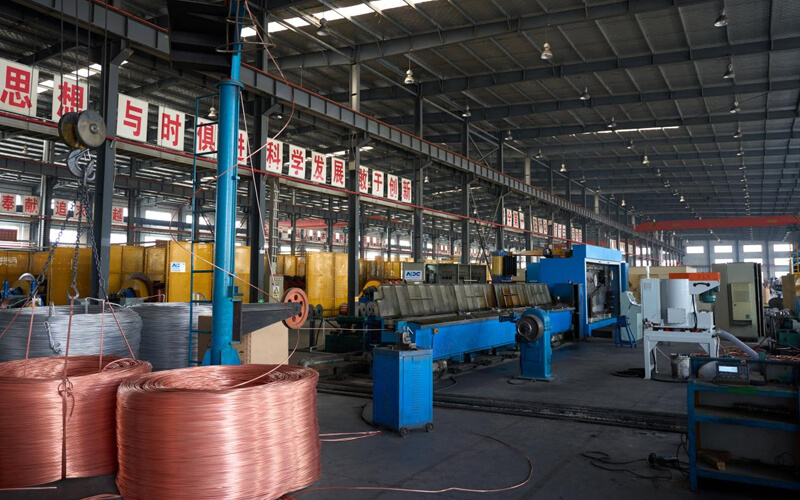
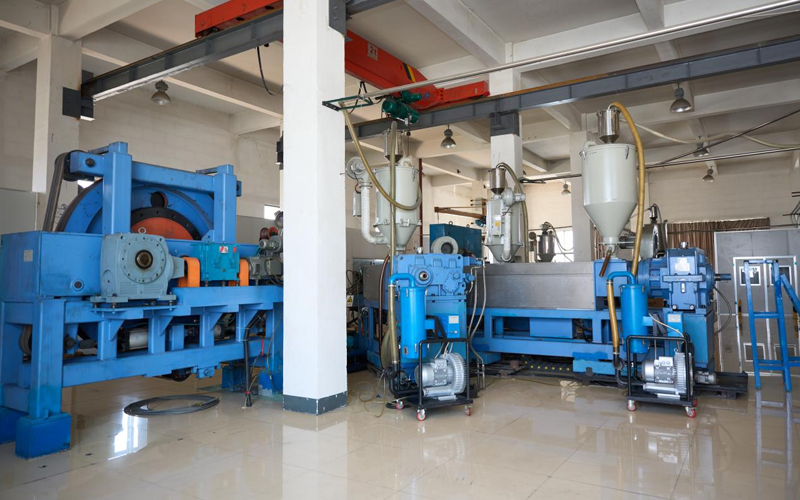
● 30+ years of manufacturing experience
● ISO and UL certified production
● Customized cable and transformer solutions
Product Packaging
Transformers Packaging (1)
Transformers Packaging (2)
Transformers Packaging (3)
Transformers Packaging (4)
Transformers Packaging (5)
Transformers Packaging (6)
Transformers Packaging (7)
Transformers Packaging (8)
Related Products
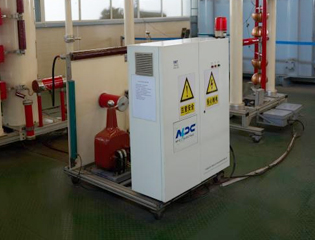
11/0.4kV Dry Type Transformer | Indoor Power Transformer
Discover the reliable 11/0.4kV Dry Type Transformer | Indoor Power Transformer, a safe, oil-free solution designed for efficient medium-to-low voltage conversion in indoor electrical installations. This three-phase dry-type transformer (typically cast resin or vacuum pressure impregnated) features premium low-loss silicon steel cores and high-conductivity copper windings, achieving superior energy efficiency often exceeding 98% and complying with IEC 60076-11 standards. The epoxy resin encapsulation provides excellent moisture resistance, fire self-extinguishing properties (F1 class), minimal partial discharge (<10pC), and robust short-circuit withstand capability. With natural air (AN) cooling and optional forced air (AF) upgrades, it offers low noise operation, Class F/H insulation, and maintenance-free performance in demanding environments. Ideal for step-down from 11kV primary (with ±2×2.5% or wider off-circuit taps) to 0.4kV secondary (Dyn11 vector group standard), this indoor power transformer supports capacities from 100kVA to several MVA, delivering stable, eco-friendly power distribution without oil-related risks.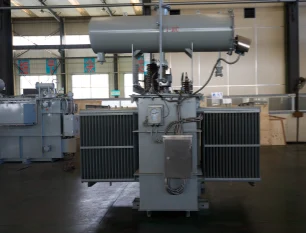
40MVA 110kV Three Phase Oil Immersed Transformer for Substation
The 40MVA 110kV Three Phase Oil Immersed Transformer is engineered for reliable high-voltage transmission and distribution in substations and power plants. Featuring high-purity copper windings, advanced ONAN/ONAF cooling, and on-load tap changer (OLTC ±8×1.25%), it delivers superior efficiency and minimal no-load/loss performance (SZ11/SZ13 series). Fully compliant with IEC 60076, GB 6451, and IEEE standards, it withstands 200kV lightning impulse and offers partial discharge below 10pC. The corrugated tank design ensures optimal heat dissipation and mechanical strength in harsh environments. Ideal for 110/33kV, 110/11kV, or 110/6.3kV step-down applications. Vacuum oil filling and nitrogen sealing guarantee long-term insulation integrity. Trusted by utilities worldwide for stable, maintenance-free operation over 30+ years. Contact us for technical datasheet and competitive pricing.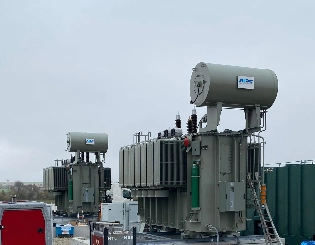
138kV / 140kV / 150kV Three-Phase Oil-Immersed Power Transformer
The 138kV / 140kV / 150kV Three-Phase Oil-Immersed Power Transformer is designed to serve high-voltage transmission and substation applications requiring dependable energy transfer and long-term operational stability. Its design emphasizes electrical reliability, structural strength, and efficient thermal management to support continuous service under varying grid loads. The transformer employs a refined magnetic circuit and carefully engineered winding structure to maintain voltage accuracy while minimizing operational stress. An oil-immersed insulation and cooling system ensures effective heat dissipation and insulation integrity throughout extended operating cycles. Built for outdoor installation, the transformer is capable of withstanding environmental exposure, electrical fluctuations, and mechanical demands associated with modern high-voltage networks. It is suitable for utility-scale projects where safety, efficiency, and durability are essential performance criteria.
10kVA Completely Self-protected(CSP) Single Phase Pole Mounted Transformer
NPC ELECTRIC the production of 10 kVA Completely Self-Protected (CSP) single-phase overhead transformers, meticulously engineered to meet international standards such as IEEE C57.12.00, IEEE C57.12.20, DOE-2016 Efficiency, CSA C2.1, and CSA C2.2. The 10kVA fully self-protected (CSP) single-phase pole-mounted transformer is an efficient and reliable power equipment designed for small and medium-sized power needs. The transformer adopts advanced fully self-protection technology and has built-in overload, short-circuit and overvoltage protection functions to ensure that the transformer can automatically cut off power under abnormal conditions, avoid equipment damage and improve system safety. It has a simple design, is easy to install, saves space, and is suitable for all types of power distribution systems. This transformer is suitable for residential, commercial areas and small industrial places, providing stable single-phase power output.
75kVA Completely self-protected(CSP) Single Phase Pole Mounted Transformer
NPC ELECTRIC, the production of a 75kVA Completely Self-Protected (CSP) Single Phase Pole Mounted Transformer is a high-efficiency, reliable solution for single-phase power distribution in residential, commercial, and small industrial applications. Equipped with built-in protection features such as overload, short-circuit, and over-voltage protection, it ensures automatic disconnection during fault conditions to prevent damage to the system. Its pole-mounted design saves space and is ideal for installation in both urban and rural environments. The transformer operates with minimal energy loss, ensuring high efficiency and long-term performance, while its durable construction makes it resistant to harsh weather conditions, ensuring a reliable and safe power supply over time.
132kV 138kV Power Transformer
132kV 138kV power transformer complies with international standards as below standard: 1. IEC 60076 Power Transformers; 2. AS NZS 60076 Power Transformers CSAC88-16 Power Transformers; 3. ANSI/IEEE C57.12.00 IEEE Standard for General Requirements for Liquid-Immersed Distribution, Power, and Regulating Transformers; 4. GOST R 52719 Power Transformers - General Specifications; 5. EN60076 Poer Transformer; 6. Local After-Sales Services In North America South. Engineered for overloads (150% short-term), harmonic tolerance, low noise (<70dB), and robust corrosion protection for long-term outdoor operation.FAQ From Customers
-
What is a Transformer?A transformer is an electrical device used to change the voltage of alternating current (AC). It works on the principle of electromagnetic induction, converting high-voltage current into low-voltage current or low-voltage current into high-voltage current. Transformers are widely used in power transmission, distribution systems, and various electronic devices.
-
What are the main uses of a transformer?The main use of a transformer is voltage conversion. Transformers are used in power transmission systems to help transfer electricity from power plants to consumers. In addition, transformers are also used in electronic devices such as chargers, televisions, power adapters, etc., to adjust the voltage to meet the requirements of different devices.
-
Do you have UL listed?Yes, our transformer has UL listed. We have exported to America many pad mounted transformer,substation transformer and HV.
Welcome your inquiry
Honesty, Integrity, Frugality, Activeness and Passion