


200kV High Voltage Power Transformers – Reliable & Efficient Solutions
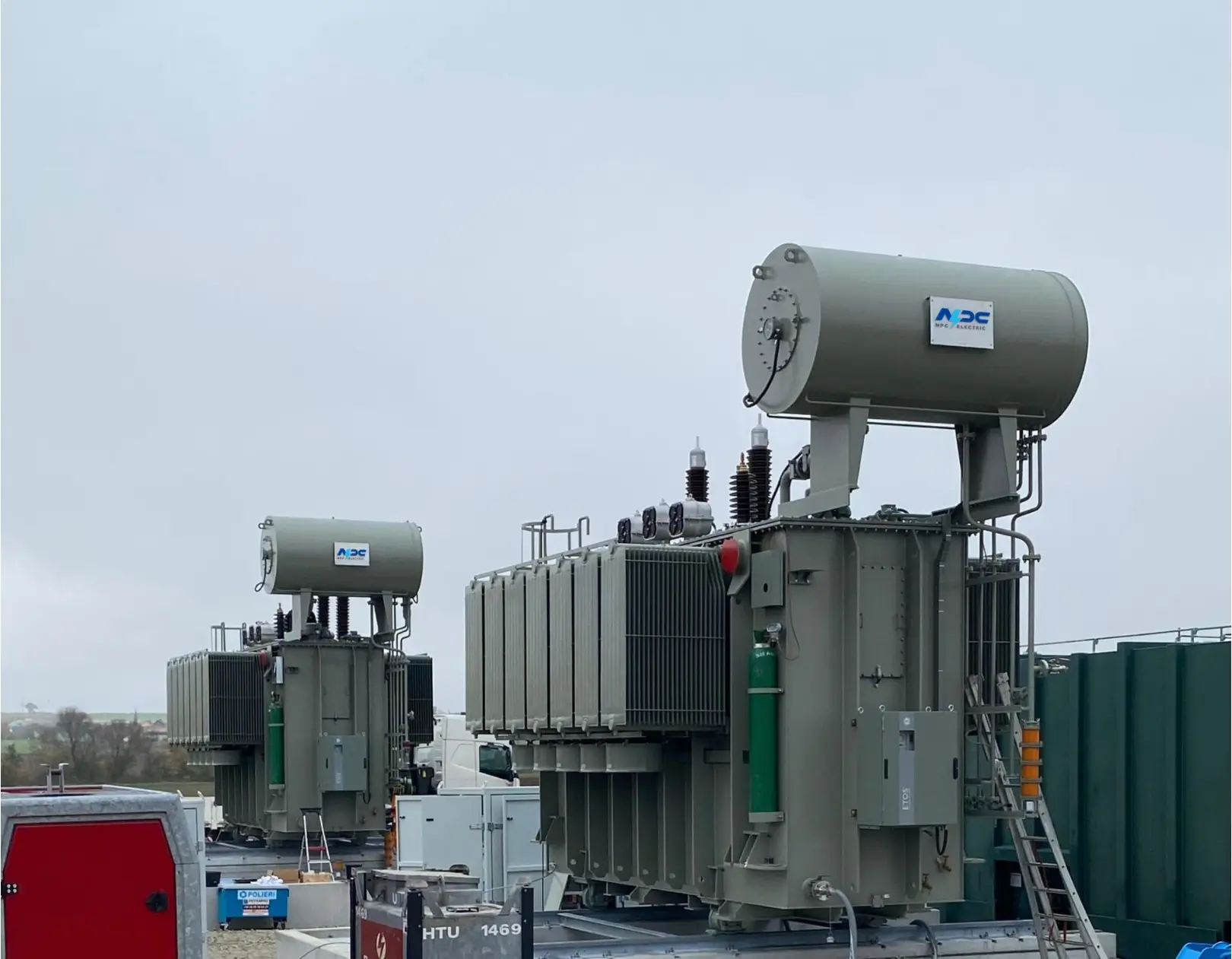
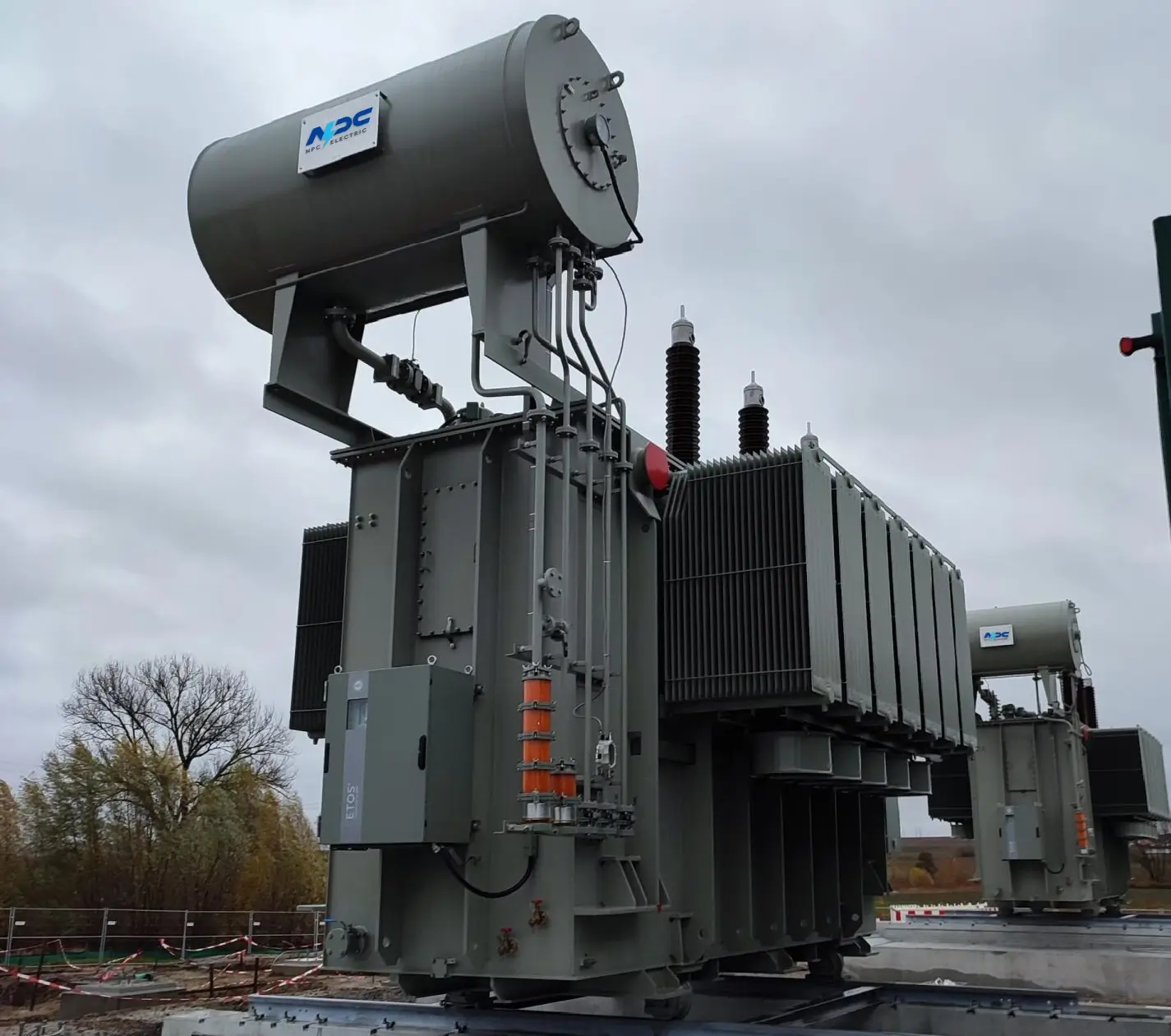
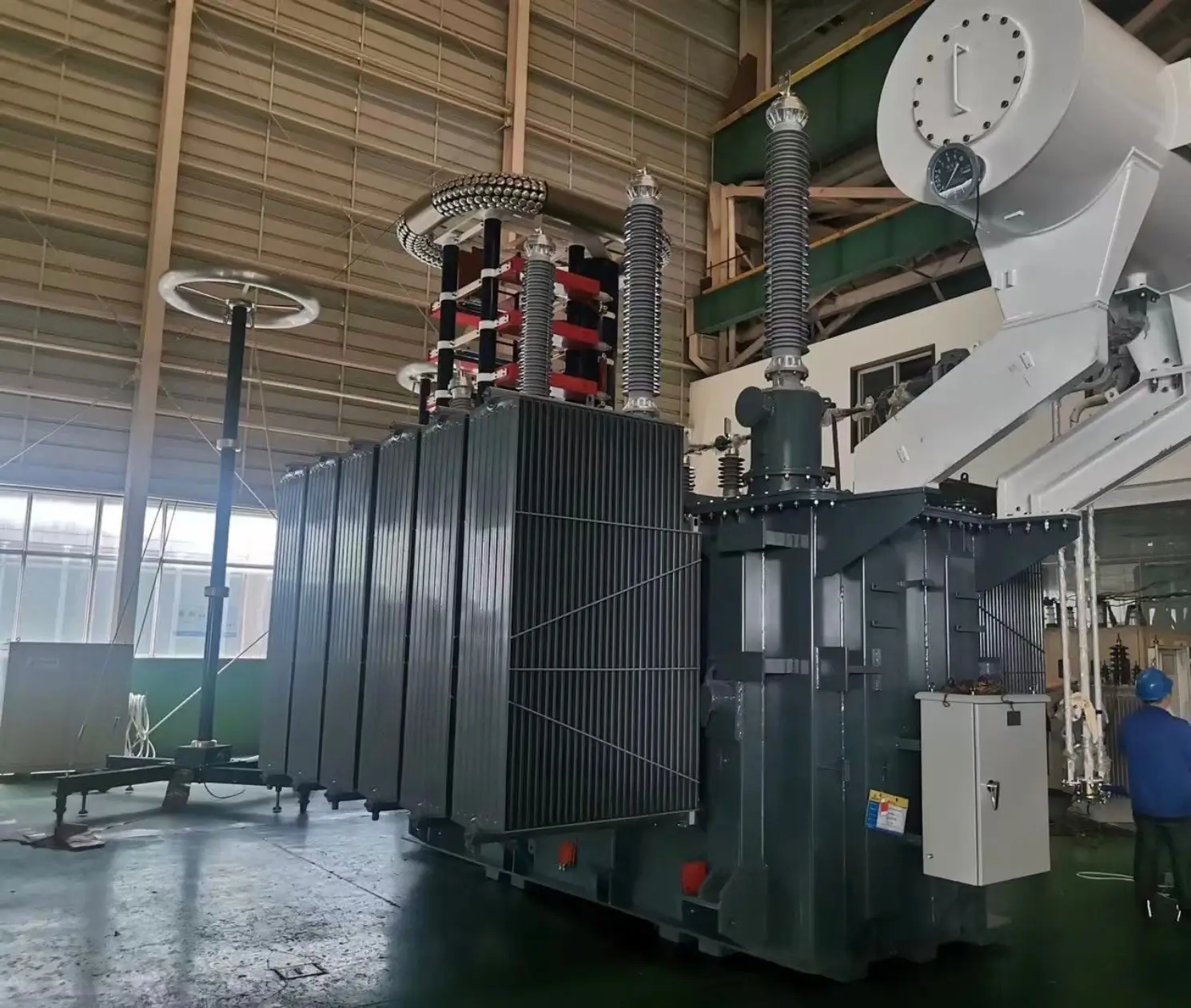
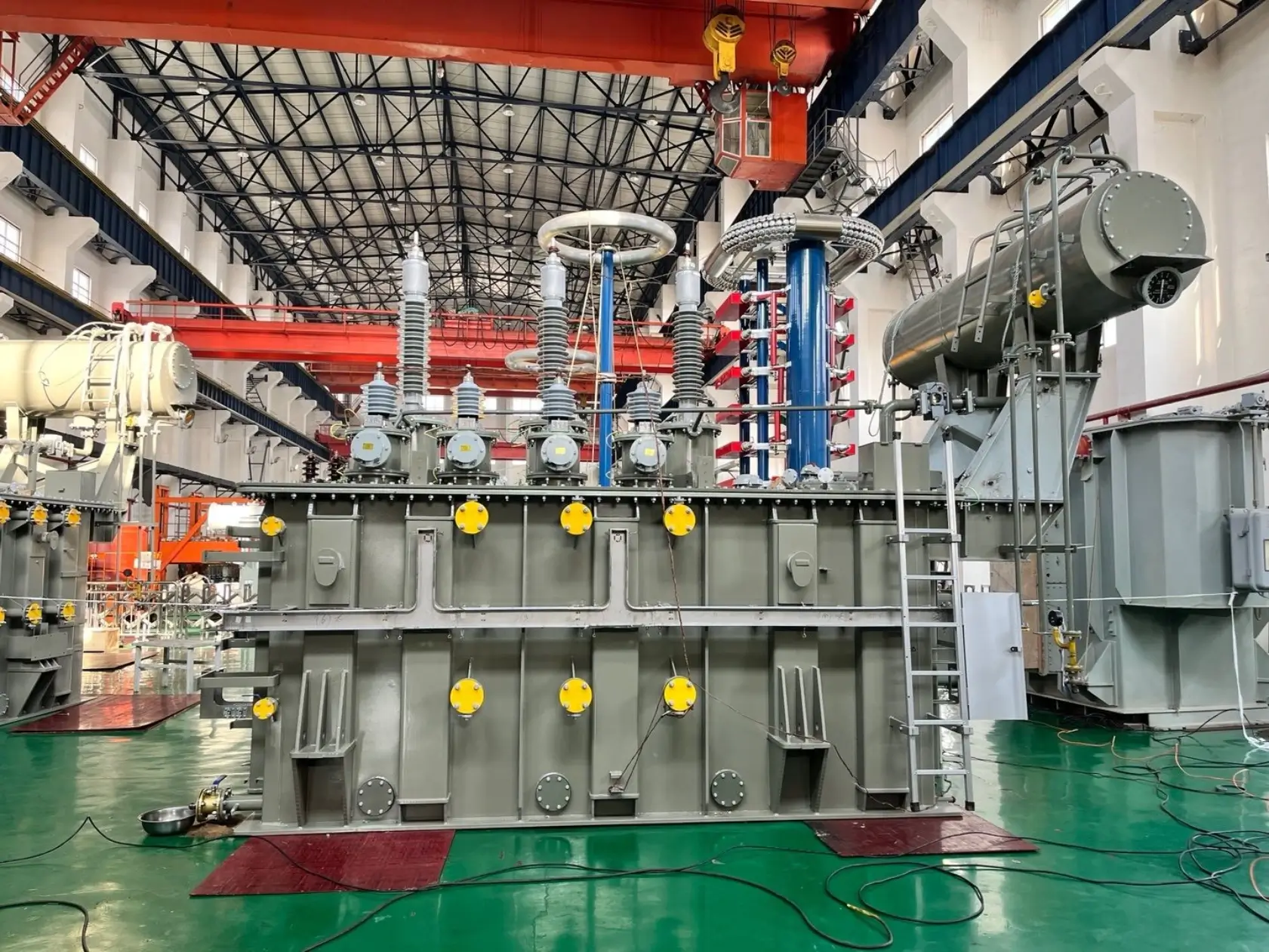
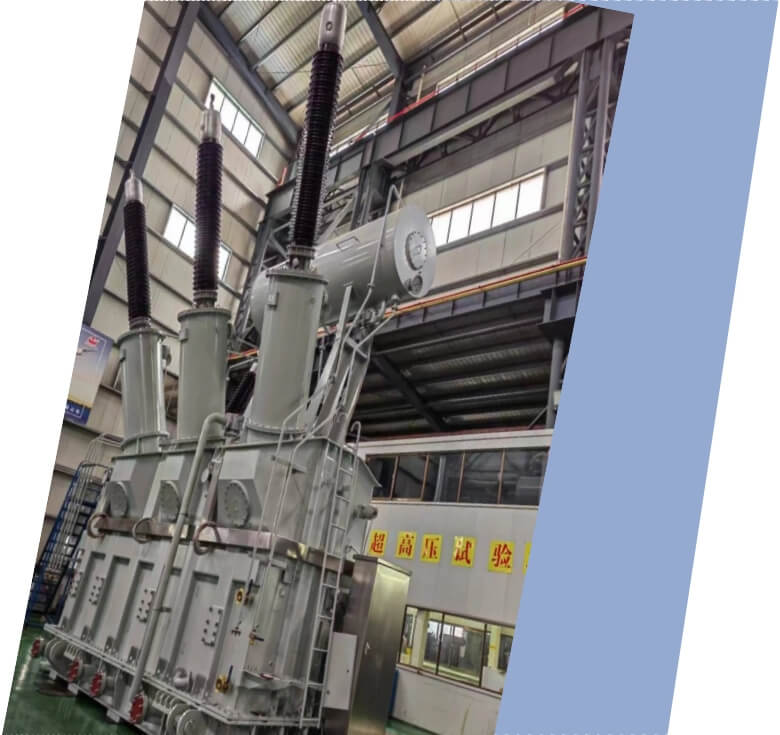
The 200kV High Voltage Power Transformer is engineered to support large-scale power transmission systems requiring high reliability, electrical efficiency, and long-term operational stability. Designed for modern grid infrastructures, this transformer enables safe and efficient voltage transformation across extended transmission distances while minimizing energy losses. Its oil-immersed insulation system ensures strong dielectric performance and effective thermal management under continuous high-voltage stress. The transformer structure is optimized to withstand electrical, thermal, and mechanical loads, supporting stable operation under fluctuating demand conditions. Precision manufacturing and advanced design techniques contribute to low maintenance requirements and extended service life. Suitable for utility substations and critical power nodes, this transformer delivers dependable performance for high-capacity transmission and grid interconnection projects.
- Primary Voltage Ratings 132kV, 138kV, 200kV or others
- Secondary Voltage Ratings 32.4/13.8/11/10.5/6.6/6.3kV or customized
- H.V. Tap Range ± 8×2.5% HV taps or others
- Type Oil-immersed power transformer
- BIL up to 350kV
- Standards IEEE, ANSI, IEC
- Application high-voltage substations, cross-regional interconnections, and critical infrastructure projects
- Power Rating 200kVA 250kVA 315kVA 400kVA
- Certificate UL, CESI, ISO, KEMA
- Cooling Method ONAN/ ONAF
- Opeartion Step Down & Step Up
Technical Specifications
Customization Optional
Packing and Shipping
Manufacturer Test
Routine Testing
Application
Technical Specifications
200kV High Voltage Power Transformers – Reliable & Efficient Solutions
Technical Specifications
Accessories
| Rated Power | 200kVA 250kVA 315kVA 400kVA |
| Rating Primary Voltage | 132kV, 138kV, 200kV |
| Secondary Voltage |
32.4/13.8/11/10.5/6.6/6.3 kV Customized |
| Frequency | 50/60Hz |
| Vector Group | Dyn11, YD11, YNd11 |
| Winding Material | Aluminum/Copper |
| Efficiency | As IEEE, CAS Std or Customized |
| Impedance Voltage | As IEC |
| Altitude | ≤1,000m or Customized |
| Enclosure material | Mid Steel |
| HV Bushing |
| LV Bushing |
| OLTC/NLTC |
| Lifting hook for complete transformer |
| Name plate |
| Oil temperature |
| Winding temperature |
| Radiators |
| Oil level |
| Pressure relief valve |
| CT |
Customization Optional
200kV High Voltage Power Transformers – Reliable & Efficient Solutions
The 200kV High Voltage Power Transformer is designed with a high degree of customization to accommodate diverse transmission network requirements. Electrical parameters such as rated voltage levels, capacity range, impedance values, and insulation coordination can be configured to meet specific grid standards and system planning objectives. Winding designs may be optimized for reduced losses, enhanced short-circuit strength, or improved thermal margins. Tap-changing solutions can be selected to support voltage regulation needs, with customizable tap ranges and step increments to ensure stable system performance during load variation.
Structural and environmental customization options further expand application flexibility. Transformer tanks can be designed for indoor or outdoor substations, with reinforced constructions available for seismic regions or heavy-duty transport conditions.
Surface protection systems may be selected based on environmental exposure, including coastal, industrial, or high-pollution zones. Cooling configurations can be tailored to local climate conditions and operational duty cycles, supporting reliable temperature control under peak loads. Optional monitoring systems such as temperature sensors, oil level indicators, pressure devices, and digital diagnostic interfaces can be integrated for real-time condition assessment. Additional options include alternative insulating fluids, noise-reduction solutions, customized paint finishes, nameplate formats, and documentation packages aligned with project requirements.
Packing and Shipping
200kV High Voltage Power Transformers – Reliable & Efficient Solutions
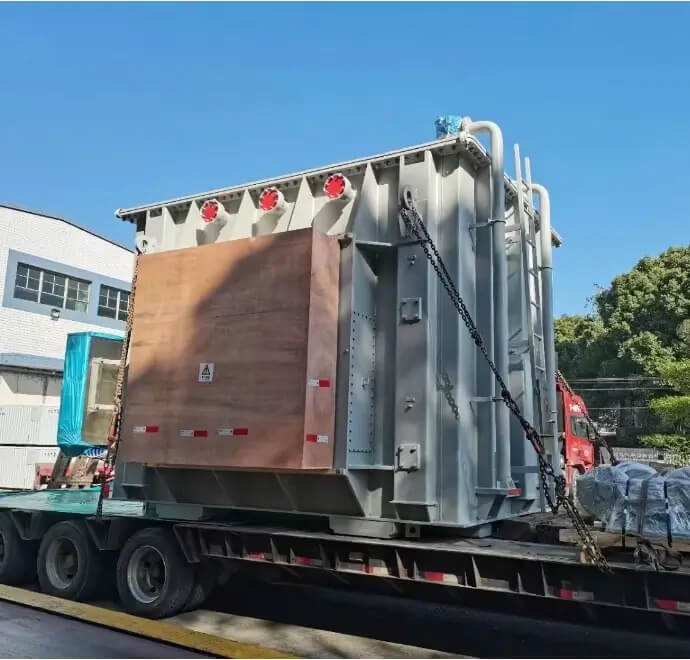
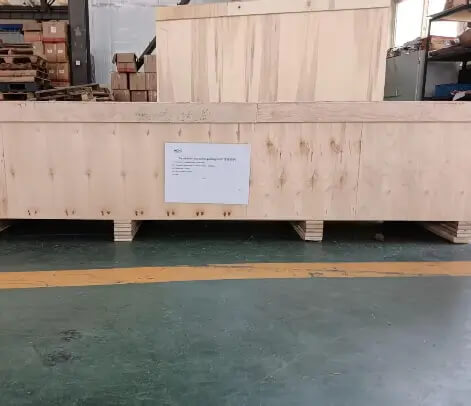
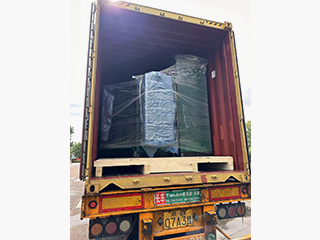
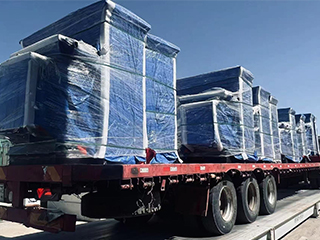
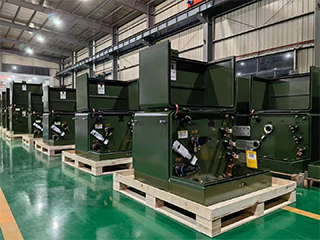
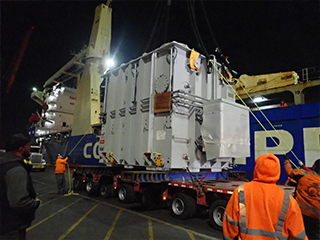
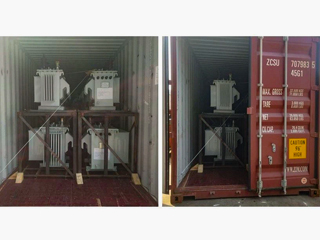
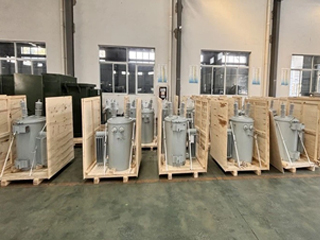
Packing and shipping of the 200kV high voltage power transformer are carefully managed to protect structural integrity and insulation quality throughout transportation. Prior to packing, the transformer undergoes final inspection and surface protection treatment. All exposed openings are sealed, and internal components are safeguarded against moisture and contamination. Detachable components such as bushings, radiators, conservators, and control panels are removed when required and packed separately in reinforced crates with protective padding.
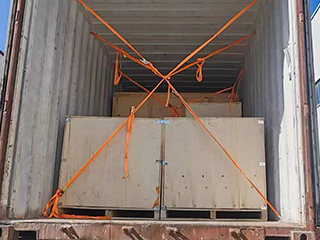
The transformer core unit is secured to a purpose-built transport base engineered to distribute weight evenly and minimize mechanical stress. Shock-absorbing materials and restraint systems are applied to protect against vibration, impact, and movement during transit. For extended transportation durations, preservation measures such as desiccants and oil protection procedures are used to maintain the internal insulation condition.
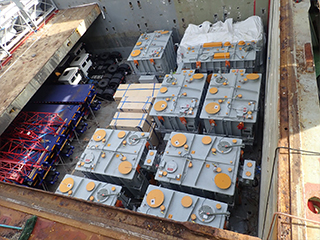
Shipping arrangements are selected based on transformer size, transport route limitations, and destination infrastructure. Depending on project needs, transport may be conducted using flat-rack containers, open-top containers, or break-bulk cargo. All packing materials comply with international export and shipping regulations, including ISPM-15 standards for wooden packaging. Clear handling instructions, lifting points, and center-of-gravity markings are applied to ensure safe handling.
Each shipment includes comprehensive documentation such as packing lists, quality certificates, test reports, drawings, and operation manuals. Upon delivery, customers receive guidance for unloading, inspection, storage, and installation. Optional services, including on-site supervision, oil filling, commissioning support, and technical training, can be provided to ensure smooth project execution.
The transformer core unit is secured to a purpose-built transport base engineered to distribute weight evenly and minimize mechanical stress. Shock-absorbing materials and restraint systems are applied to protect against vibration, impact, and movement during transit. For extended transportation durations, preservation measures such as desiccants and oil protection procedures are used to maintain the internal insulation condition.
Shipping arrangements are selected based on transformer size, transport route limitations, and destination infrastructure. Depending on project needs, transport may be conducted using flat-rack containers, open-top containers, or break-bulk cargo. All packing materials comply with international export and shipping regulations, including ISPM-15 standards for wooden packaging. Clear handling instructions, lifting points, and center-of-gravity markings are applied to ensure safe handling.
Each shipment includes comprehensive documentation such as packing lists, quality certificates, test reports, drawings, and operation manuals. Upon delivery, customers receive guidance for unloading, inspection, storage, and installation. Optional services, including on-site supervision, oil filling, commissioning support, and technical training, can be provided to ensure smooth project execution.
32
32 years of industry experience
Manufacturer Test
200kV High Voltage Power Transformers – Reliable & Efficient Solutions
Progress test
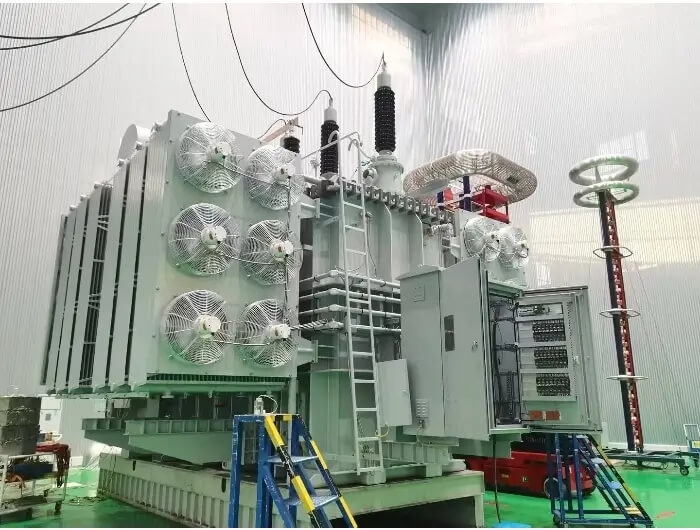
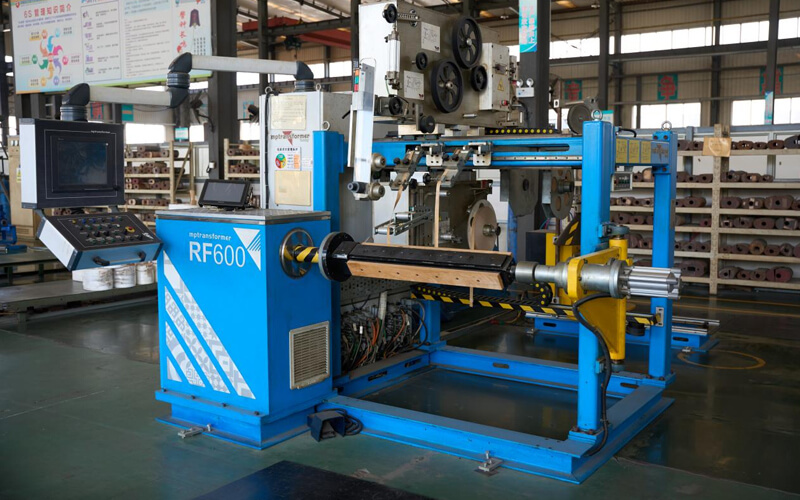
Progress testing for the 200kV power transformer is carried out through systematic inspections at critical manufacturing stages. Incoming materials such as magnetic steel, copper conductors, insulation materials, and insulating oil are verified against technical specifications. During core assembly, inspections focus on lamination alignment, clamping stability, and magnetic circuit integrity. Winding processes are monitored for insulation layering accuracy, conductor positioning, and dimensional tolerances.
After winding completion, the active part undergoes controlled drying and vacuum treatment to achieve specified moisture limits. Intermediate electrical inspections, including resistance measurement and ratio verification, are conducted prior to tank assembly. Tank fabrication is inspected for weld quality, dimensional accuracy, and surface coating consistency. Before oil filling, leak testing and internal cleanliness checks are performed. All progress test results are recorded to ensure traceability and manufacturing quality.
Design Tests
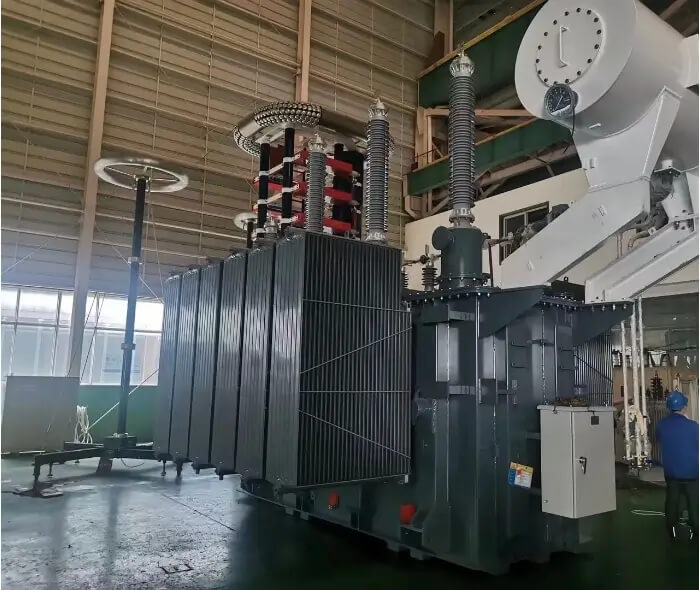
All transformers will be tested after finishing the production test items as below:
♦ Leak testing with pressure for liquid-immersed transformers
♦ Test of transformer oil
♦ Measurement of voltage ratio and check of phase displacement
♦ Measurement of winding DC resistance
♦ Measurement of d. c. Insulation resistance between each winding to earth, and check of the core and frame insulation
♦ Capacitive bushing test
♦ Measurement of dissipation factor (tan δ) of the insulation system capacitances, and determination of capacitances windings-to-earth
♦ Measurement of no-load loss and current at 90%,100%,110% of rated voltage
♦ Operation test on on-load tap-changer
♦ Measurement of short-circuit impedance and load loss
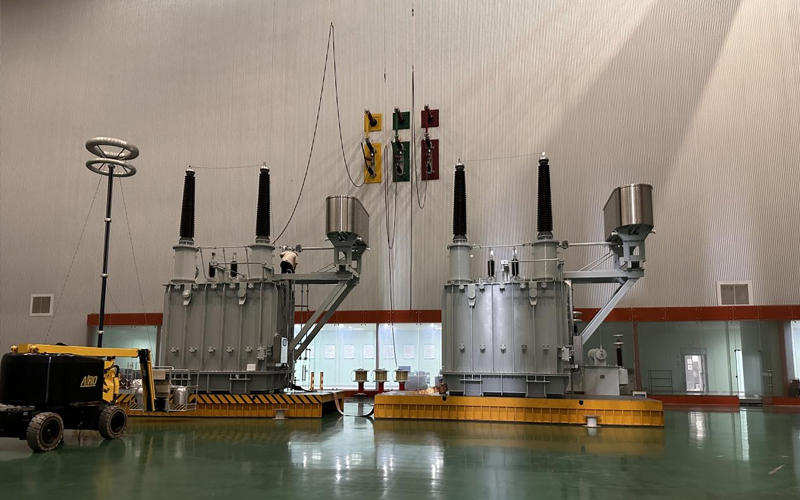
♦ Lightning impulse test
♦ Induced-voltage test with partial discharge measurement
♦ Auxiliary wiring check
♦ Current transformer test
♦ Frequency response analysis test
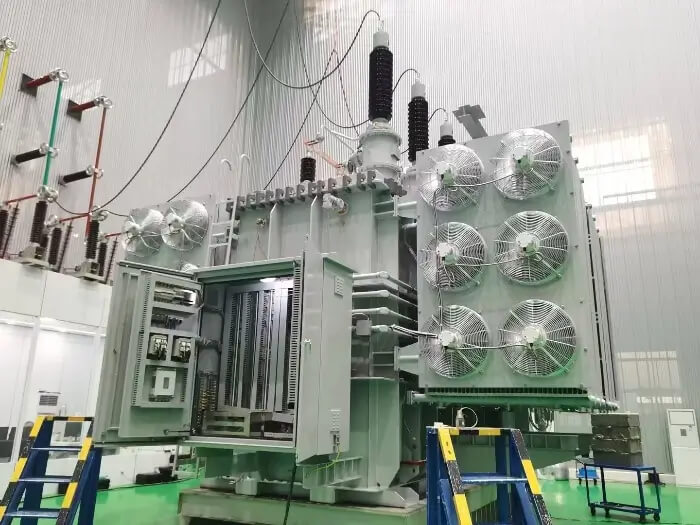
Transformer Factory Acceptance Test
Factory Acceptance Testing ensures the operational readiness of the 200kV power transformer before dispatch. Electrical routine tests verify resistance balance, voltage ratio accuracy, phase displacement, and insulation resistance levels. High-voltage dielectric testing confirms the transformer’s ability to withstand rated and overvoltage conditions.
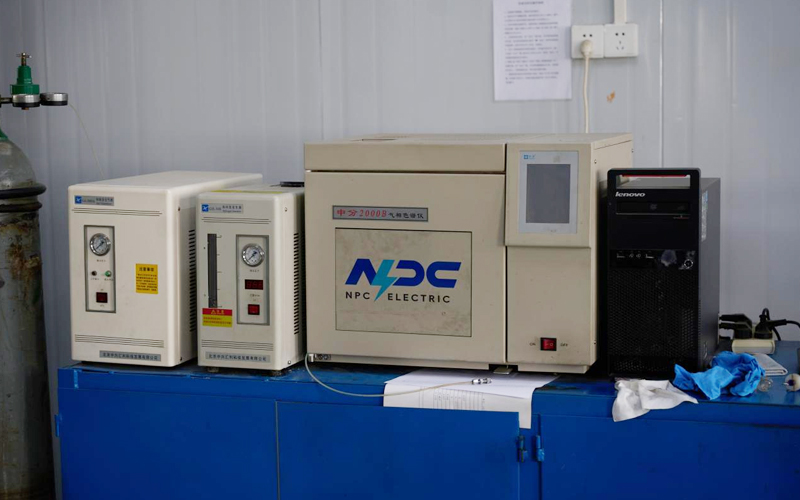
Thermal performance is validated through temperature rise testing, while efficiency is confirmed by loss and impedance measurements. Partial discharge testing assesses the internal insulation condition. Mechanical and functional checks include oil leakage testing, pressure relief device verification, cooling equipment operation, and monitoring system functionality. Oil samples are analyzed for dielectric strength and moisture content. FAT documentation is completed for customer review and approval.
Routine Test - DC Insulation Resistance Test
Purpose of Testing
The purpose of DC insulation resistance testing is to measure the insulation resistance of a device by applying a DC voltage, thereby evaluating the health of the insulation material and the voltage withstand capability of the electrical device. This test helps detect potential insulation aging, moisture or damage, preventing electrical failures in the device.
Testing Equipment
Insulation resistance tester (e.g. Megger, Fluke, Hioki, Klein Tools, etc.)
Voltage source (usually 500V, 1000V, 2500V, or customized according to customer requirements)
Temperature and humidity meter (used to record the ambient temperature and humidity during the test to ensure that the test conditions meet the standard requirements.)
Voltage source (usually 500V, 1000V, 2500V, or customized according to customer requirements)
Temperature and humidity meter (used to record the ambient temperature and humidity during the test to ensure that the test conditions meet the standard requirements.)
Pre-Test Preparation
Make sure the device is properly grounded and fully discharged to prevent residual charge in the device from affecting the test results.
Perform the test under suitable environmental conditions. It is recommended to have a relative humidity below 75%, no rain, and a temperature range of 20-30°C to avoid moisture or temperature fluctuations affecting the test results.
Perform the test under suitable environmental conditions. It is recommended to have a relative humidity below 75%, no rain, and a temperature range of 20-30°C to avoid moisture or temperature fluctuations affecting the test results.
Test Progress
Connect the Test Instrument:
Connect an insulation resistance tester to the high voltage terminal of the device under test and to ground.
Apply Test Voltage:
Select an appropriate test voltage based on the rated voltage of the equipment .
Connect an insulation resistance tester to the high voltage terminal of the device under test and to ground.
Apply Test Voltage:
Select an appropriate test voltage based on the rated voltage of the equipment .
Test Standard
IEC 60076 Oil-immersed power transformers
Measure and Record
Start the test and record the following parameters:
Insulation resistance value (MΩ)
Applied voltage
Ambient temperature and humidity during testing
Insulation resistance value (MΩ)
Applied voltage
Ambient temperature and humidity during testing
Temperature Correction
The measured insulation resistance values are corrected to a reference temperature (usually 20°C) for accurate evaluation.
Repeat Testing (if necessary)
Measure different windings (high voltage, medium voltage, low voltage) or each bushing separately, and conduct comparative analysis to ensure the insulation status of all parts.
Evaluation Criteria (Reference)
Insulation resistance ≥ 1000 MΩ (excellent)
500 MΩ ≤ Insulation resistance < 1000 MΩ (good)
100 MΩ ≤ Insulation resistance < 500 MΩ
Insulation resistance < 100 MΩ
500 MΩ ≤ Insulation resistance < 1000 MΩ (good)
100 MΩ ≤ Insulation resistance < 500 MΩ
Insulation resistance < 100 MΩ
*These comprehensive tests ensure that each transformer meets performance standards and operates
reliably under various conditions.
Application
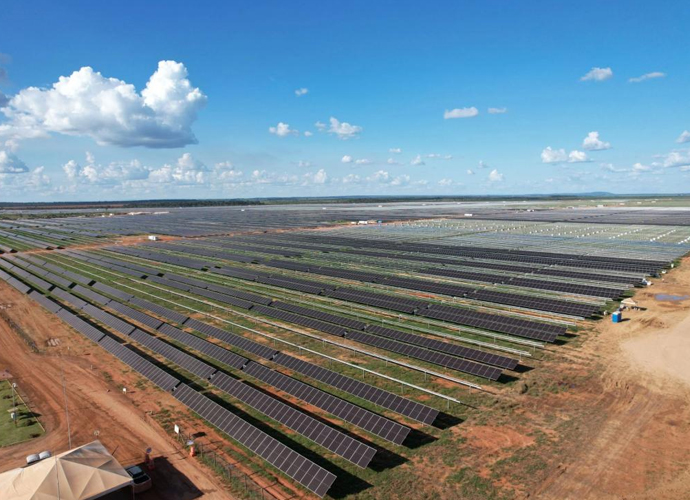
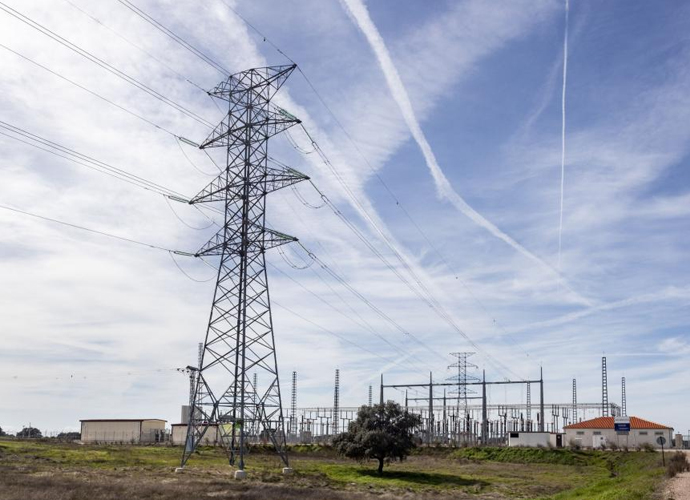
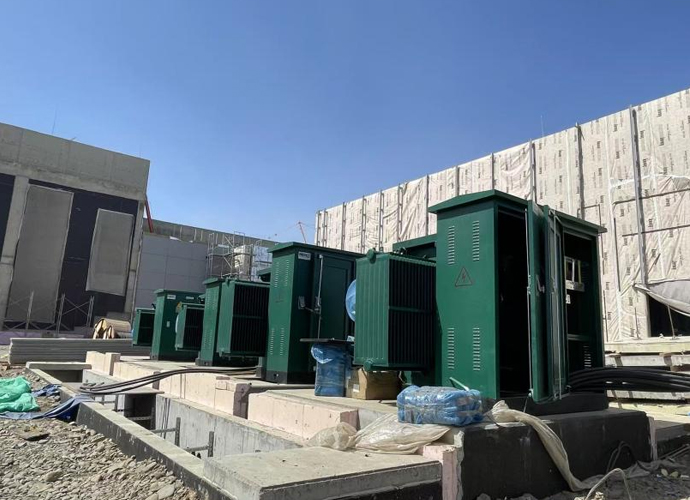
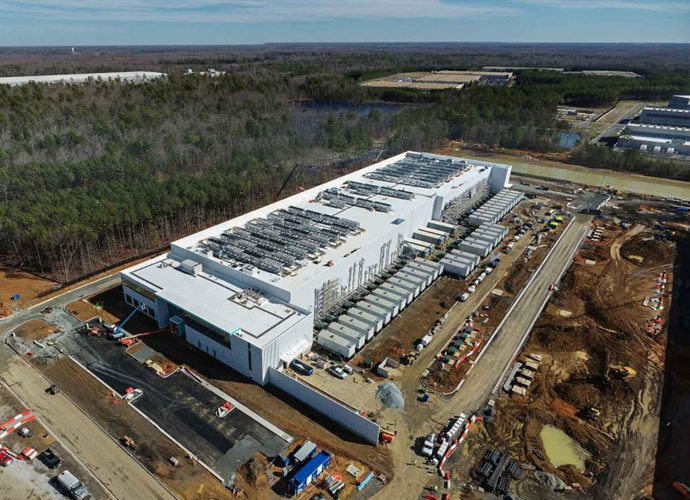
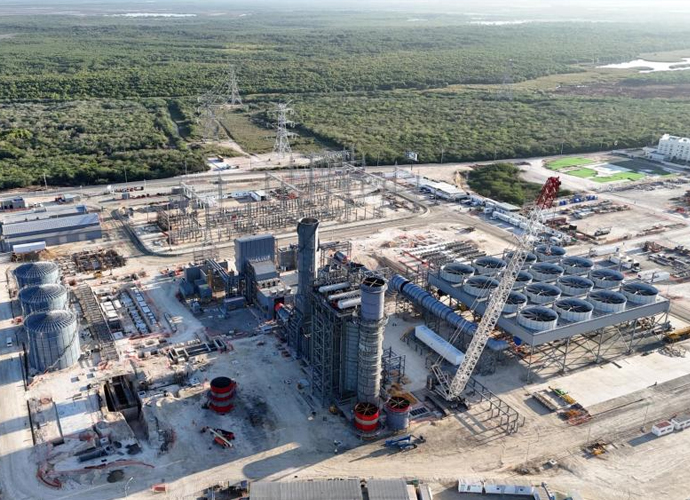
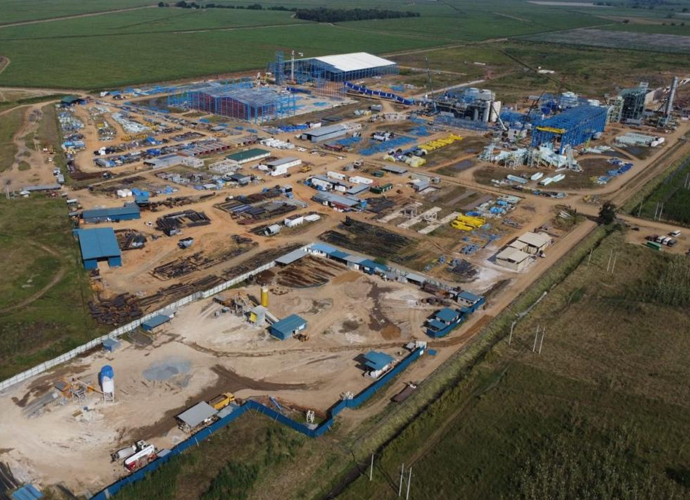
This transformer is widely used in national transmission grids, high-voltage substations, cross-regional interconnections, and critical infrastructure projects requiring reliable and efficient high-voltage power transmission.


Technical Advantages
● 30+ years of manufacturing experience
● ISO and UL certified production
● Customized cable and transformer solutions
Product Packaging
Transformers Packaging (1)
Transformers Packaging (2)
Transformers Packaging (3)
Transformers Packaging (4)
Transformers Packaging (5)
Transformers Packaging (6)
Transformers Packaging (7)
Transformers Packaging (8)
Related Products

50kVA Completely self-protected(CSP) Single Phase Pole Mounted Transformer
50kVA Completely self-protected(CSP) Single Phase pole Mounted transformer is a robust, high-efficiency solution designed for reliable single-phase power distribution in residential, commercial, and small industrial applications. This transformer features built-in protection mechanisms, including overload, short-circuit, and over-voltage safeguards, ensuring automatic disconnection during fault conditions to protect both the transformer and the electrical system. With its pole-mounted design, it is space-efficient and ideal for installations in urban, rural, and remote areas. The transformer operates with low losses, ensuring high energy efficiency and long-term performance. Built with durable materials, it offers exceptional resilience against harsh weather conditions, ensuring reliability and longevity. This transformer is an ideal choice for any application requiring consistent, stable single-phase power.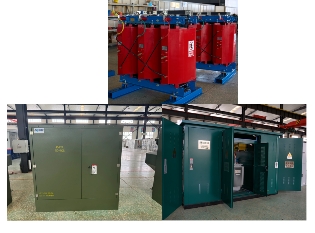
11kV to 0.8kV 1250 kVA Solar Power Transformer - Copper Wound High Efficiency PV Transformer
The 1250 kVA Solar Power Step-Up Transformer is a high-performance, inverter-duty solution specifically engineered for utility-scale photovoltaic (PV) installations. Designed to interface directly with 800V central or string inverters, this unit efficiently elevates voltage to 11kV for medium-voltage distribution. Unlike standard distribution transformers, our 1250 kVA model features 100% high-purity oxygen-free copper windings, offering superior thermal conductivity and lower losses. The core is constructed from laser-scribed, grain-oriented silicon steel to minimize eddy current losses, ensuring maximum energy harvest even during low-irradiance periods. With advanced harmonic mitigation technology, it withstands the high-frequency switching stresses typical of modern solar power conversion.
1000kVA Three Phase Pad Mounted Transformer
The 1000kVA three-phase pad transformer is an efficient and reliable power transformer designed for high-load applications such as large commercial, industrial and distribution systems. The transformer has a high power capacity of 1000kVA and can stably provide continuous power supply for three-phase power systems to meet large-scale power needs. With a rugged and durable casing and protective design, it is suitable for operation in various outdoor environments and can effectively resist adverse weather conditions.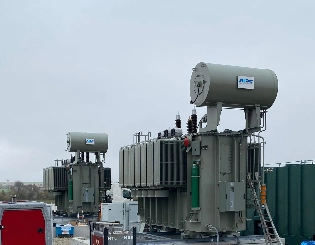
66kV 69kV Power Transformer
66 69kV power transformer uses high-performance silicon steel sheets and a fully sealed structure design, with excellent insulation performance and thermal stability. The product complies with international and national standards, such as 1 . IEC 60076 Power Transformers; 2. AS NZS 60076 Power Transformers CSAC88-16 Power Transformers 3.ANSI/IEEE C57.12.00 IEEE Standard for General Requirements for Liquid-Immersed Distribution, Power, and Regulating Transformers; 4. GOST R 52719 Power Transformers - General Specifications; 5. EN60076 Poer Transformer;8. Local After-Sales Services In North America South Efficiency typically exceeds 99.2–99.4% at full load, with low sound levels and robust corrosion protection for reliable long-term operation.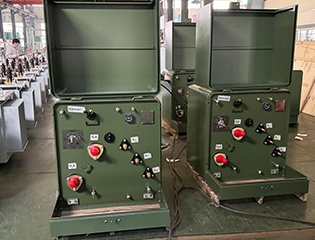
75kVA Single Phase Pad Mounted transformer
The 75kVA single phase pad mounted transformer is designed for medium-capacity underground residential and light commercial distribution, transforming primary voltages such as 12470GrdY/7200, 24940GrdY/14400, 34500GrdY/19920, or dual-voltage setups to secondary 120/240V split-phase or 240V. The compartmental dead-front enclosure with tamper-resistant doors, mineral oil insulation, and ONAN cooling supports a 65°C temperature rise for dependable performance under residential peak demands.
130kV High-Voltage Power Transformer
The 130kV Power Transformer is designed for advanced high-voltage transmission and distribution systems requiring superior electrical stability and long-term operational reliability. Built with an optimized magnetic circuit and precision-engineered windings, it delivers excellent voltage regulation, minimized energy losses, and strong resistance to thermal and mechanical stress. The transformer features a reinforced insulation structure and a sealed oil-immersed cooling system that ensures consistent performance under fluctuating load and environmental conditions. Its rugged construction supports outdoor installation and continuous operation in demanding climates. Designed to meet international grid requirements, this transformer is suitable for utility networks, industrial power hubs, and infrastructure projects where safety, efficiency, and service continuity are critical.FAQ From Customers
-
What is a Transformer?A transformer is an electrical device used to change the voltage of alternating current (AC). It works on the principle of electromagnetic induction, converting high-voltage current into low-voltage current or low-voltage current into high-voltage current. Transformers are widely used in power transmission, distribution systems, and various electronic devices.
-
What are the main uses of a transformer?The main use of a transformer is voltage conversion. Transformers are used in power transmission systems to help transfer electricity from power plants to consumers. In addition, transformers are also used in electronic devices such as chargers, televisions, power adapters, etc., to adjust the voltage to meet the requirements of different devices.
-
Do you have UL listed?Yes, our transformer has UL listed. We have exported to America many pad mounted transformer,substation transformer and HV.
Welcome your inquiry
Honesty, Integrity, Frugality, Activeness and Passion