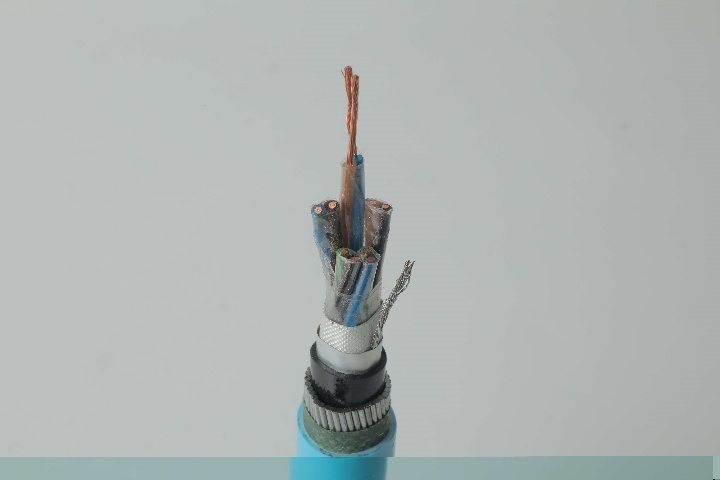
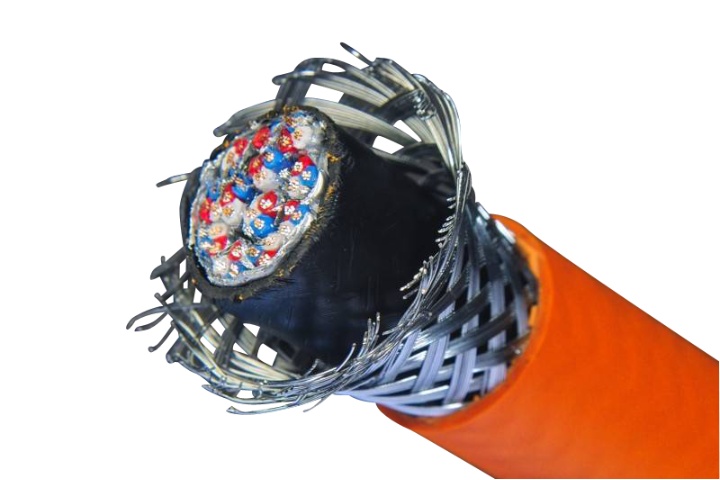
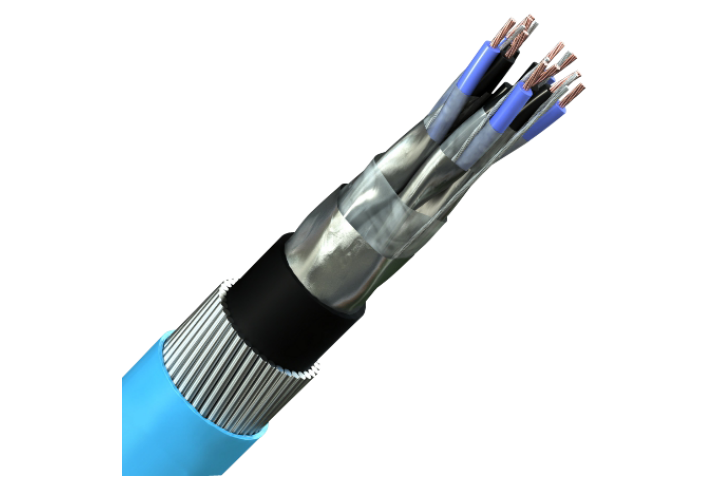


Instrumentation Cables—PVC Insulated,Individual & Overall Screened, Unarmoured PVC Sheathed Cables(CU/PVC/OSCR/PVC)
Instrumentation Cables are multi-conductor cables that carry and transport low-voltage electrical signals. These low-voltage signals are used to control and monitor electrical power systems. Instrumentation cables have many different industrial applications that include broadcasting, equipment control, such as drilling and pumping in the oil and gas industry, and data transfer, which includes analog and digital signals. They are manufactured according to the BS EN 50288-7 and BS EN 50288-1 standards to ensure quality.
Instrumentation cables come in twisted pairs, triads, and quads, depending on the customer’s applications; twisting reduces any electromagnetic interference by reducing the chances of electrical voltages and currents being induced in the conductor. Individual and overall screening are also applied in instrumentation cables to optimize the signal transferred and further reduce any electromagnetic interference. Screening of pairs, triads, or quads also includes a drain wire earthed to the ground, which ensures a noise-free signal transmission.
- Standard BS EN 50288-7, IEC 60502-1 (General)
Construction
Technical Specifications
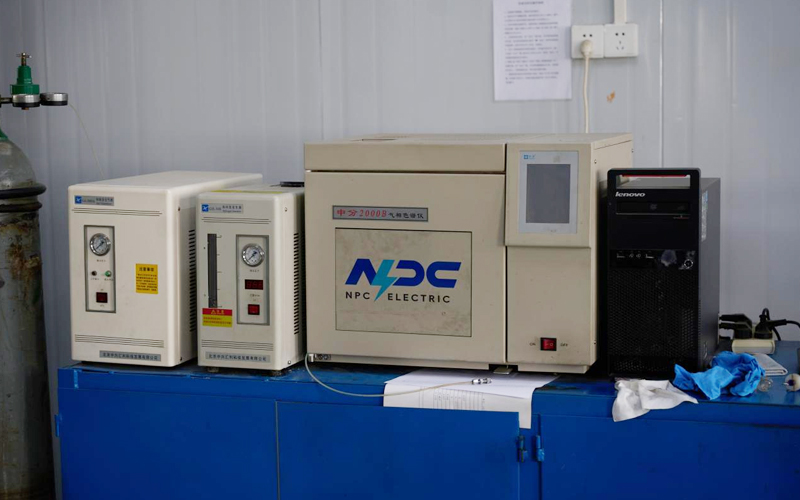
Quality Control
Application
Construction
PVC Insulated,Individual & Overall Screened, Unarmoured PVC Sheathed Cables(CU/PVC/OSCR/PVC)
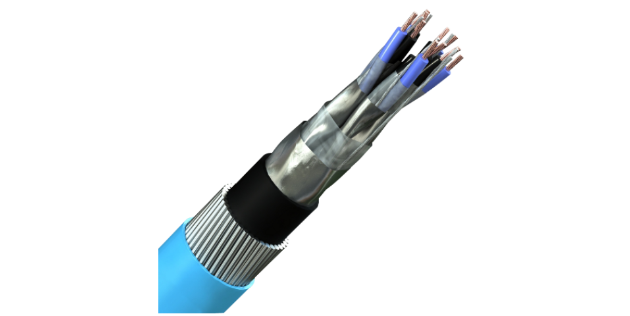
Conductor
Instrumentation cable shall have an annealed plain copper conductor or a tinned copper conductor. Depending upon cable application, conductor can be solid (Class-1), Stranded (Class-2), or flexible (Class-5) type as defined in BS EN / IEC 60228
Insulation
Instrumentation cable shall have PVC, XLPE, or HR-PVC insulation. Insulation material shall be selected based on the maximum operating temperature. PVC insulation is suitable for a continuous operating temperature of 70°C, whereas XLPE or HR-PVC is suitable for a continuous operating temperature of 90°C. Fire-rated / fire resistance instrumentation cables shall have Glass Mica Tape layer below insulation & shall have XLPE insulation.
Individual and Overall Screen
The screen is made of aluminum, mylar tape, + ATC drain wire. Aluminum mylar tape is made of aluminum with a thin layer of polyester. It helps in minimizing the crosstalk and prevents shorting.
Armour
Steel wire armour is applied to cables to shield against mechanical stresses and ensure that the core of the cable remains protected.
Inner and Outer Sheath
The sheath can be made of PVC, Polyethylene, or LSZH
Technical Specifications
Instrumentation Cables—PVC Insulated,Individual & Overall Screened, Unarmoured PVC Sheathed Cables(CU/PVC/OSCR/PVC)
Instrumentation Cables Main Specifications
Instrumentation Cables—PVC Insulated,Individual & Overall Screened, Unarmoured PVC Sheathed Cables(CU/PVC/OSCR/PVC)
| Conductor Size | Max. Conductor DC Resistance at 20°C for Plain Copper |
Max. Conductor DC Resistance at 20°C for Tinned Copper |
||
| Solid, Class - 1 & Stranded, Class - 2 |
Flexible, Class-5 | Solid, Class - 1 & Stranded, Class - 2 |
Flexible, Class-5 | |
| [mm2] | [Ω/km] | [Ω/km] | [Ω/km] | [Ω/km] |
| 0.50 | 36.72 | 39.78 | 37.434 | 40.902 |
| 0.75 | 24.99 | 26.52 | 25.296 | 27.234 |
| 1.00 | 18.462 | 19.89 | 18.564 | 20.4 |
| 1.50 | 12.342 | 13.566 | 12.444 | 13.974 |
| 2.50 | 7.5582 | 8.1396 | 7.7112 | 8.3742 |
| Conductor Size | Insulation Thickness | |||
| 90V | 300V | 500V | 1000V | |
| [mm2] | [mm] | [mm] | [mm] | [mm] |
| 0.50 | 0.20 | 0.26 | 0.44 | 0.70 |
| 0.75 | 0.20 | 0.26 | 0.44 | 0.70 |
| 1.00 | 0.26 | 0.26 | 0.44 | 0.70 |
| 1.50 | 0.30 | 0.35 | 0.44 | 0.70 |
| 2.50 | - | - | 0.53 | 0.70 |
| Conductor Size | Mutual Capacitance | Max. Continuous Operating Temperature | Inductance to Resistance Ratio (L/R) |
||
| XLPE | PVC | XLPE or HR - PVC | PVC | ||
| [mm2] | [nF/km] | [nF/km] | [°C] | [°C] | [μH/Ω] |
| 0.50 | 150 | 250 | 90 | 70 | < 25 |
| 0.75 | 150 | 250 | 90 | 70 | < 25 |
| 1.00 | 150 | 250 | 90 | 70 | < 25 |
| 1.50 | 150 | 250 | 90 | 70 | < 40 |
| 2.50 | 150 | 250 | 90 | 70 | < 60 |
| Number of Pair | Cable OD | Cable Weight | Drum Length | ||||||||
| 0.5mm² | 0.75mm² | 1.0mm² | 1.5mm² | 2.5mm² | 0.5mm² | 0.75mm² | 1.0mm² | 1.5mm² | 2.5mm² | ||
| [Nos] | [mm] | [mm] | [mm] | [mm] | [mm] | [kg/km] | [kg/km] | [kg/km] | [kg/km] | [kg/km] | [m] |
| 2 | 10.0 | 11.0 | 11.5 | 12.5 | 15.0 | 105 | 120 | 135 | 170 | 230 | 1000 |
| 5 | 13.0 | 14.0 | 14.5 | 16.5 | 19.5 | 195 | 230 | 265 | 330 | 470 | 1000 |
| 10 | 18.0 | 19.5 | 20.5 | 23.0 | 27.5 | 360 | 430 | 495 | 620 | 895 | 1000 |
| 20 | 23.0 | 25.0 | 27.0 | 30.0 | 36.0 | 640 | 780 | 910 | 1165 | 1685 | 1000 |
| 30 | 27.5 | 30 | 32 | 36 | 925 | 1135 | 1330 | 1695 | 500 | ||
| Number of Triad | Cable OD | Cable Weight | Drum Length | ||||||||
| 0.5mm² | 0.75mm² | 1.0mm² | 1.5mm² | 2.5mm² | 0.5mm² | 0.75mm² | 1.0mm² | 1.5mm² | 2.5mm² | ||
| [Nos] | [mm] | [mm] | [mm] | [mm] | [mm] | [kg/km] | [kg/km] | [kg/km] | [kg/km] | [kg/km] | [m] |
| 2 | 11.0 | 12.0 | 13.0 | 14.0 | 16.5 | 125 | 155 | 180 | 215 | 300 | 1000 |
| 5 | 14.0 | 15.5 | 16.5 | 18.5 | 22.0 | 245 | 305 | 355 | 450 | 645 | 1000 |
| 10 | 20.0 | 22.0 | 23.5 | 26.0 | 31.0 | 455 | 565 | 670 | 845 | 1235 | 1000 |
| 20 | 26.0 | 28.5 | 30.5 | 34.0 | 840 | 1045 | 1260 | 1590 | 500 | ||
| 30 | 31.0 | 33.5 | 36.0 | 1220 | 1525 | 1820 | 500 | ||||
| Number of Quad | Cable OD | Cable Weight | Drum Length | ||||||||
| 0.5mm² | 0.75mm² | 1.0mm² | 1.5mm² | 2.5mm² | 0.5mm² | 0.75mm² | 1.0mm² | 1.5mm² | 2.5mm² | ||
| [Nos] | [mm] | [mm] | [mm] | [mm] | [mm] | [kg/km] | [kg/km] | [kg/km] | [kg/km] | [kg/km] | [m] |
| 2 | 13.0 | 14.0 | 14.5 | 16.5 | 19.5 | 160 | 190 | 220 | 275 | 390 | 1000 |
| 5 | 16.5 | 18.0 | 19.0 | 21.5 | 25.5 | 310 | 385 | 455 | 575 | 835 | 1000 |
| 10 | 23.5 | 25.5 | 27.5 | 30.5 | 37.0 | 575 | 725 | 865 | 1100 | 1615 | 1000 |
| 20 | 30.5 | 33.5 | 35.5 | 1065 | 1350 | 1605 | 500 | ||||
| 30 | 36.0 | 1550 | 500 | ||||||||
Note: Cable OD and Cable weight are subject to change based on the latest manufacturing practice.
Quality Control
Instrumentation Cables—PVC Insulated,Individual & Overall Screened, Unarmoured PVC Sheathed Cables(CU/PVC/OSCR/PVC)
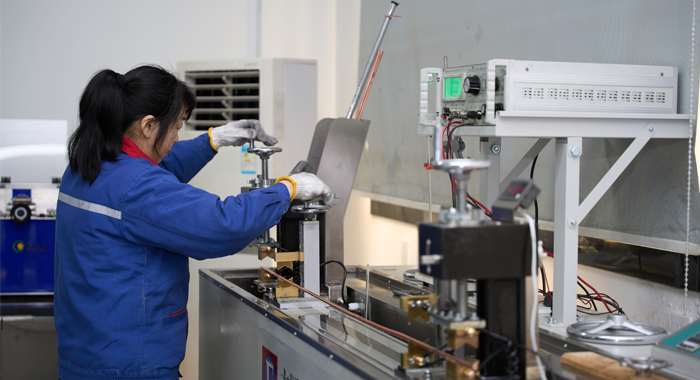
Raw Material Test
Raw material testing for the Instrumentation Cables—PVC Insulated, Individual & Overall Screened, Unarmoured PVC Sheathed Cables (CU/PVC/OSCR/PVC) complies with BS EN 50288-7. Step 1: Analyze copper via X-ray for IEC 60228 purity. Step 2: Test PVC dielectric strength (20 kV/mm) with voltage equipment. Step 3: Inspect screening foils for conductivity/thickness using meters. Step 4: Evaluate sheath retardants via oxygen index tests. Step 5: Measure drain wire resistivity. Step 6: Conduct tensile/elongation on insulation. Step 7: Immerse in chemicals for resistance checks. Step 8: Trace batches with certifications. 15% sampling ensures quality for low-crosstalk dual screening.
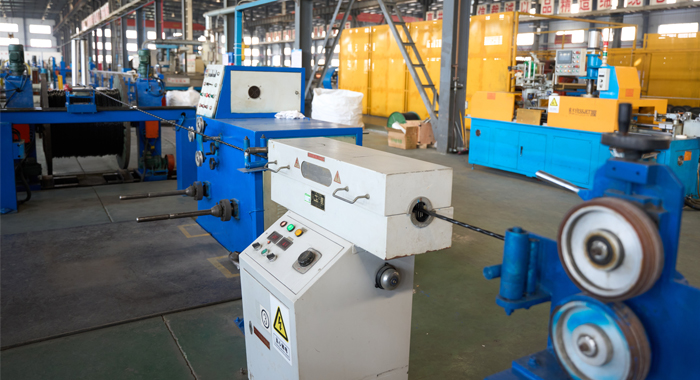
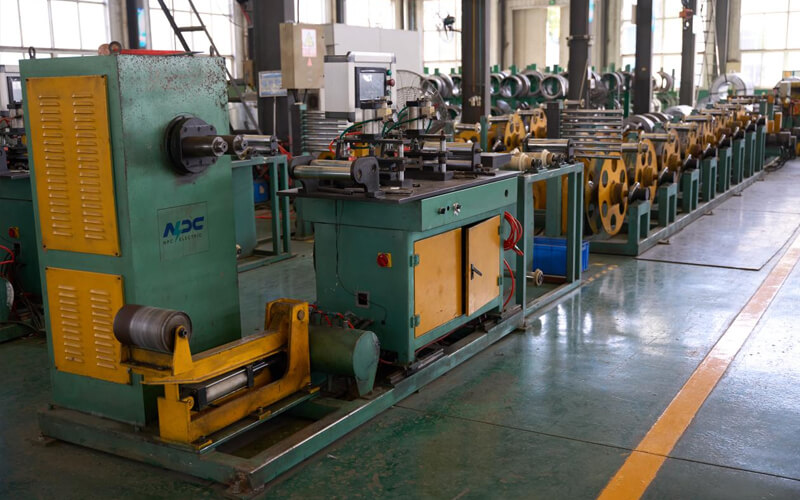
Process inspection
Process inspection of the Instrumentation Cables—PVC Insulated, Individual & Overall Screened, Unarmoured PVC Sheathed Cables (CU/PVC/OSCR/PVC) adheres to BS EN 50288-1. Step 1: Control stranding with dynamometers for consistency. Step 2: Monitor insulation via ultrasonics. Step 3: Verify pair lay and individual screens visually. Step 4: Apply overall screen; test overlap with eddy currents. Step 5: Run voltage/continuity during assembly. Step 6: Inspect the sheath with sensors. Step 7: Sample 200m sections for analysis. Step 8: Log for audits. Ensures defect-free dual screening per standards.
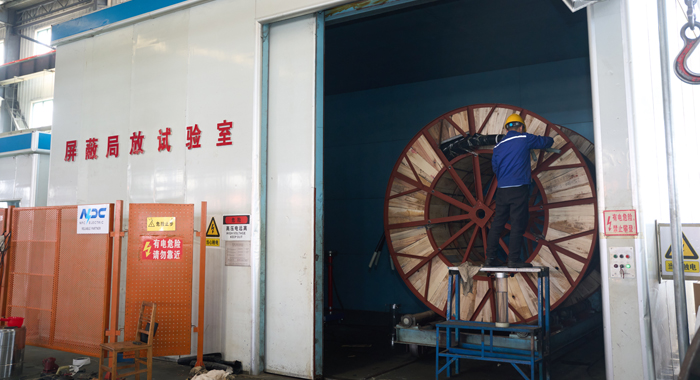
Finished Product
Finished testing for the Instrumentation Cables—PVC Insulated, Individual & Overall Screened, Unarmoured PVC Sheathed Cables (CU/PVC/OSCR/PVC) verifies BS EN 50288-7. Step 1: Apply 1 kV AC for breakdown. Step 2: Measure conductor DC resistance. Step 3: Test screen attenuation for EMI. Step 4: Perform flex cycles. Step 5: Check thermal at 70°C. Step 6: Assess sheath water absorption. Step 7: Evaluate capacitance/crosstalk. Step 8: Certify post-inspection. Batch testing confirms low-crosstalk operation.
Application
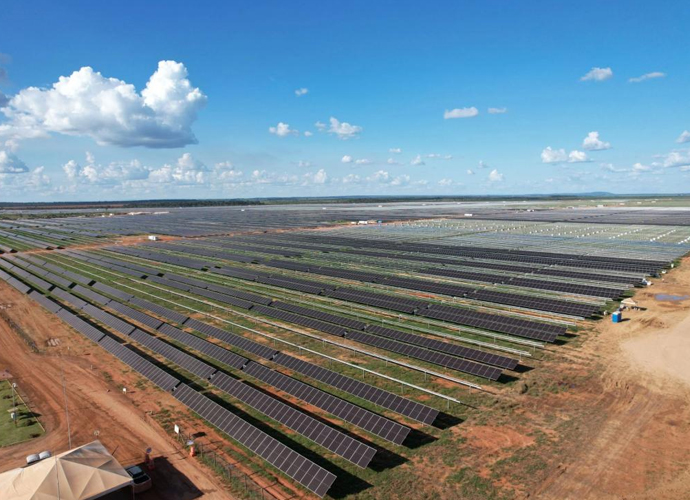
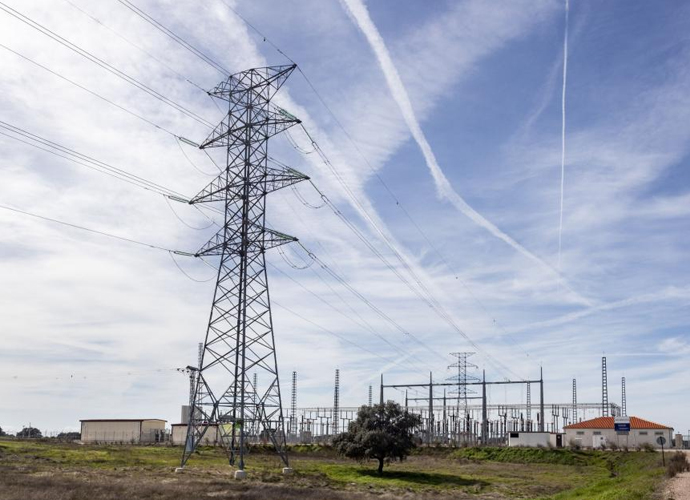
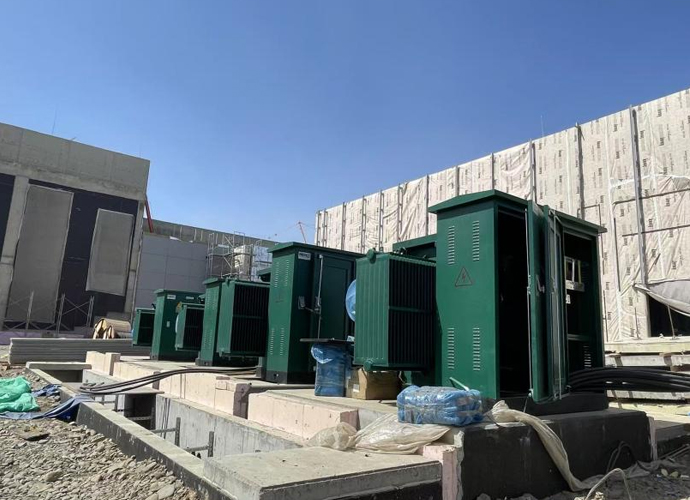
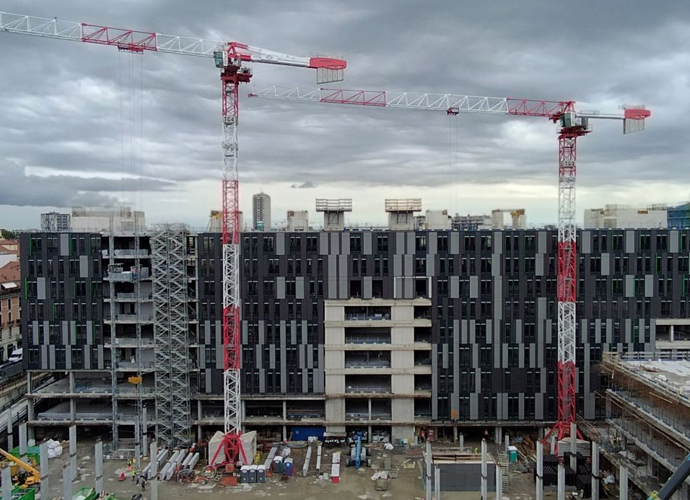
Instrumentation Cables—PVC Insulated, Individual & Overall Screened, Unarmoured PVC Sheathed Cables (CU/PVC/OSCR/PVC) perform in pharmaceutical labs, utility controls, SCADA networks, and manufacturing. They provide dual-screened low-noise connections in conduits and trays for accurate instrumentation in interference-heavy sites.

Technical Advantages
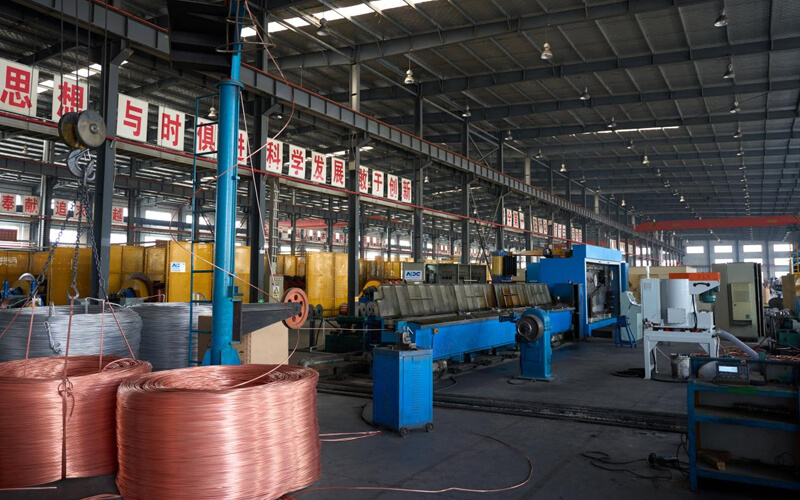
● 30+ years of manufacturing experience
● ISO and UL certified production
● Customized cable and transformer solutions
Product Packaging
Wires and Cables packaging (1)
Wires and Cables packaging (2)
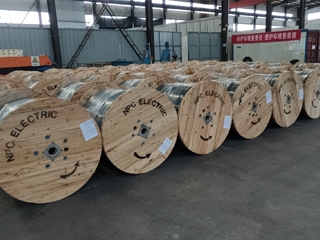
Wires and Cables packaging (3)
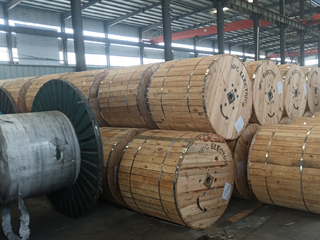
Wires and Cables packaging (4)
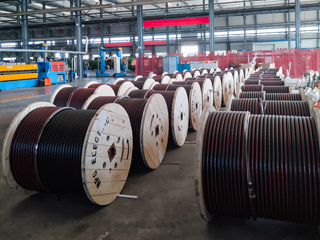
Wires and Cables packaging (5)
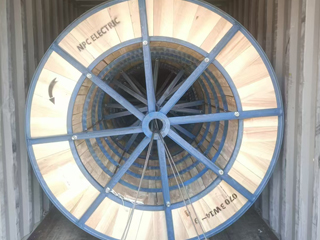
Wires and Cables packaging (6)
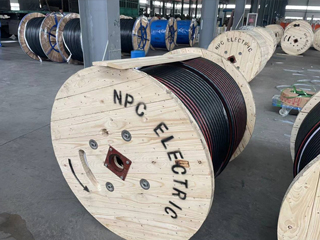
Wires and Cables packaging (7)
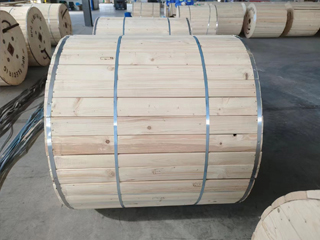
Wires and Cables packaging (8)
Related Products
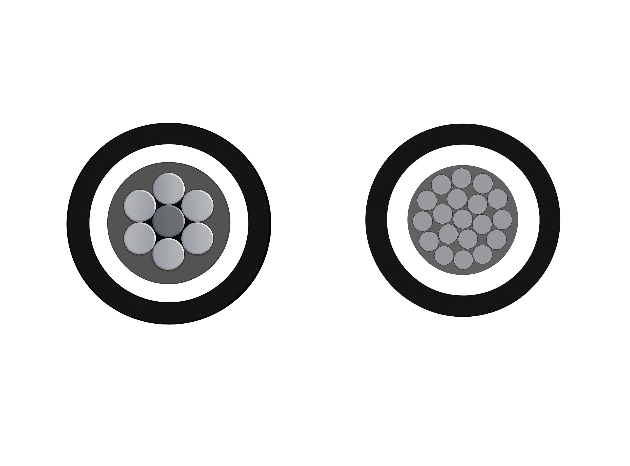
XLPE-HDPE Tree Cable Aluminum 25kV 1x70mm²
The XLPE-HDPE Tree Cable Aluminum 25kV 1x70mm² is specially designed for medium-voltage overhead distribution systems that demand higher load capacity. Its robust construction ensures outstanding performance and reliability even in harsh outdoor conditions, making it ideal for wooded areas, semi-urban environments, and locations where maintenance and tree-trimming need to be minimized. The conductor is made from high-conductivity aluminum alloy 1350 wires, round compacted with class 2 stranding, achieving a minimum conductivity of 61% IACS and a tensile strength of at least 130 MPa. Optional conductor shielding with an extruded semiconductor thermosetting compound is available for 15kV and 25kV applications, providing enhanced electrical performance. This 25kV XLPE-HDPE tree cable delivers reliable, eco-friendly power distribution with reduced maintenance needs. Its combination of high current capacity, environmental resilience, and long service life makes it a perfect solution for medium-voltage overhead networks in challenging outdoor settings.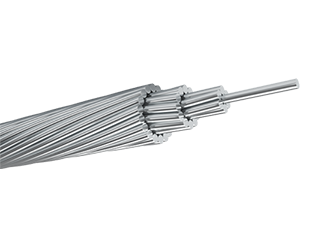
ALL ALUMINUM ALLOY CONDUCTORS(AAAC)
All Aluminum alloy (ALMELEC) electrical wire conductors are made from high-strength Aluminum-Magnesium-Silicon alloy. These conductors boast a superior strength-to-weight ratio compared to standard AAC, allowing for longer spans and reduced support structures in challenging terrains. Their improved sag characteristics minimize clearance issues, while excellent corrosion resistance extends service life in aggressive environments like marine or polluted zones. Electrically, AAAC offers lower power losses and better conductivity, optimizing energy efficiency in distribution networks. Manufactured to standards such as IEC 61089 and ASTM B399, they feature concentric stranding for mechanical stability and ease of installation with simpler fittings than ACSR. Versatile in size from small distribution lines to high-voltage transmission, AAAC supports applications on poles, towers, and substations. By reducing maintenance and enhancing reliability, these conductors provide a sustainable, cost-efficient alternative for modern power infrastructure, contributing to greener energy systems worldwide. Their lightweight design also facilitates easier handling during setup.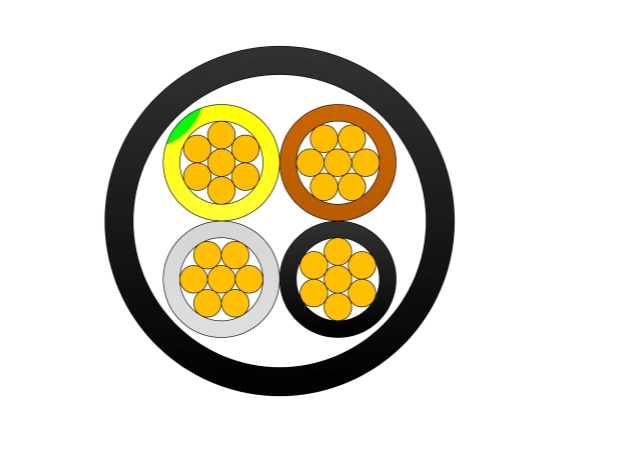
NYY-J / NYY-O 0.6/1kV Low Voltage Power Cable
NYY-J / NYY-O 0.6/1kV are low voltage power cables designed according to VDE 0276 standard, suitable for fixed installation in indoor, outdoor, and underground, cable ducts or concrete (not exposed to mechanical stress or vibration). It uses copper conductors to deliver stable electrical performance and features a durable outer sheath that protects against mechanical damage, moisture, and chemical exposure. NYY-J cables incorporate a protective earth conductor for enhanced safety, while NYY-O cables are supplied without an earth conductor for specific system designs. Designed for a rated voltage of 0.6/1kV and manufactured in compliance with IEC requirements, the cable is suitable for indoor and outdoor use, including installation in ducts, concrete, or underground. Its balanced construction supports long-term reliability, easy installation, and low maintenance costs in demanding operating environments.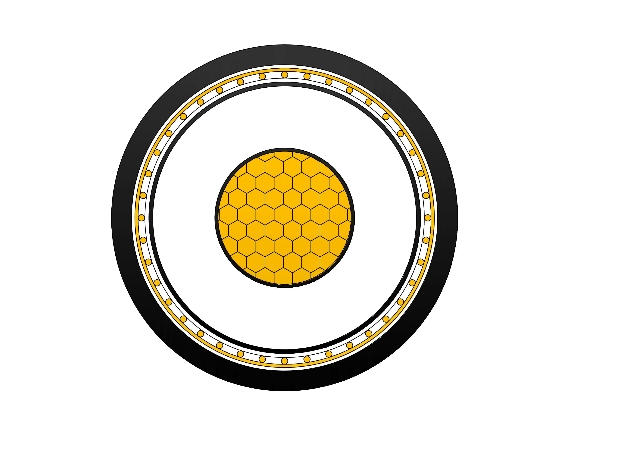
N2XS(F)2Y Medium Voltage Power Cable(6/10kV, 12/20kV, 18/30kV)
The N2XS(F)2Y Medium Voltage Power Cable is engineered for reliable power transmission in medium voltage networks operating at 6/10kV, 12/20kV, and 18/30kV. The cable features a copper conductor, XLPE insulation, and a longitudinally corrugated aluminum sheath that provides excellent moisture barrier performance and mechanical protection. The outer polyethylene sheath enhances resistance to chemicals, abrasion, and environmental stress. Designed in accordance with IEC standards, N2XS(F)2Y cables offer low dielectric losses, stable electrical performance, and long service life. The aluminum sheath also serves as an effective metallic screen, improving fault current capability and system safety. This construction makes the cable suitable for underground and outdoor installations where high reliability and environmental protection are essential.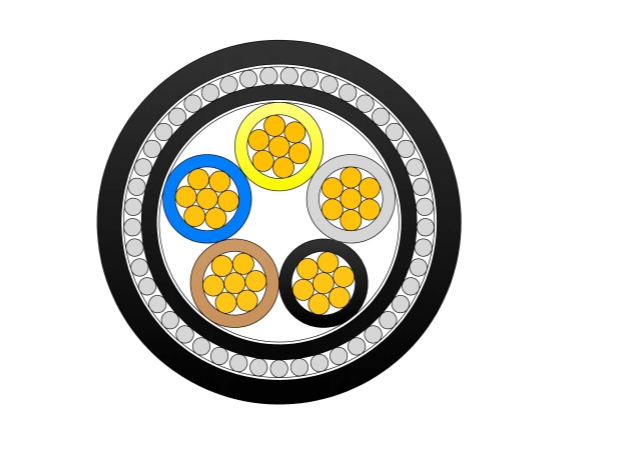
NYRY 0.6/1kV Low Voltage Power Cable
NYRY 0.6/1kV are low voltage power cables designed according to BS 5467 standard, suitable for fixed installation in indoor, outdoor, underground, cable ducts or concrete (not subject to vibration) environments, with steel wire armouring for mechanical protection. The cable features stranded copper conductors insulated with high-quality PVC, ensuring dependable electrical performance and thermal resistance under normal operating conditions. The metallic concentric conductor layer provides effective grounding and enhanced fault current capability, while the robust PVC outer sheath offers protection against moisture, abrasion, and external mechanical stress. Rated at 0.6/1kV and manufactured in accordance with relevant IEC standards, the NYRY cable is suitable for fixed installation both indoors and outdoors. Its construction supports long service life, consistent power delivery, and safe operation in demanding environments.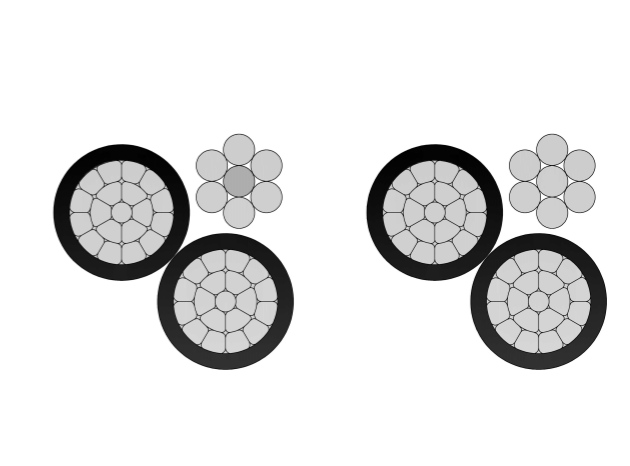
1/0 Murex Aluminum Conductor Triplex Overhead Service Drop Cable
1/0 Murex Aluminum Conductor Triplex Overhead Service Drop Cable is engineered for secondary overhead power distribution from utility lines to residential and light commercial service entrances. The triplex construction consists of two insulated aluminum phase conductors twisted around a bare aluminum neutral messenger, providing both electrical transmission and mechanical support. The 1/0 Murex conductor size offers high current-carrying capacity, excellent tensile strength, and controlled sag performance, making it suitable for longer service drop spans and higher load requirements. Aluminum conductors ensure reduced weight, corrosion resistance, and ease of installation in outdoor environments. Manufactured in accordance with ASTM and utility standards, the 1/0 Murex Aluminum Conductor Triplex Overhead Service Drop Cable delivers consistent electrical performance, long-term durability, and reliable mechanical stability. It is widely used by utilities and contractors seeking a cost-effective and dependable overhead service drop solution.FAQ From Customers
-
What are the advantages of power cables and overhead lines?(1) Reliable operation, because it is installed in a hidden place such as underground, it is less damaged by external forces, has less chance of failure, and the power supply is safe, and it will not cause harm to people; (2) The maintenance workload is small and frequent inspections are not required; (3) No need to erect towers; (4) Help improve power factor.
-
Which aspects should be considered when choosing the cross section of a power cable?(1) The long-term allowable working current of the cable; (2) Thermal stability once short circuited; (3) The voltage drop on the line cannot exceed the allowable working range.
-
What are the measures for cable fire prevention?(1) Use flame-retardant cables; (2) Use fireproof cable tray; (3) Use fireproof paint; (4) Fire partition walls and fire baffles are installed at cable tunnels, mezzanine exits, etc.; (5) Overhead cables should avoid oil pipelines and explosion-proof doors, otherwise local pipes or heat insulation and fire prevention measures should be taken.
-
What should be paid attention to during the transportation and handling of cables?(1) During transportation, loading and unloading, cables and cable reels should not be damaged. It is strictly forbidden to push the cable reels directly from the vehicle. Generally, cables should not be transported and stored flat. (2) Before transporting or rolling the cable reel, ensure that the cable reel is firm, the cable is wound tightly, the oil pipe between the oil-filled cable and the pressure oil tank should be fixed without damage, the pressure oil tank should be firm, and the pressure indication should meet the requirements.
-
What inspections should be carried out for the acceptance of cable lines?(1) The cable specifications should meet the regulations, the arrangement should be neat, no damage, and the signs should be complete, correct and clear; (2) The fixed bending radius of the cable, the related distance and the wiring of the metal sheath of the single-core power cable should meet the requirements; (3) The cable terminal and the middle head should not leak oil, and the installation should be firm. The oil pressure of the oil-filled cable and the meter setting should meet the requirements; (4) Good grounding; (5) The color of the cable terminal is correct, and the metal parts such as the bracket are completely painted; (6) There should be no debris in the cable trench, tunnel, and bridge, and the cover should be complete.
Welcome your inquiry
Honesty, Integrity, Frugality, Activeness and Passion