
Power Distribution Systems Explained: Their Role in Reliable Electricity Supply
2025-10-24
Stable and reliable electricity is essential to life, work, and more in modern society. From residential lighting and home appliances to industrial machinery and medical equipment, the demand for uninterrupted power continues to grow as society develops. The power distribution system is at the heart of this energy delivery chain, serving as a critical component connecting large-scale power generation to end users.
What Is an Electrical Power Distribution System?
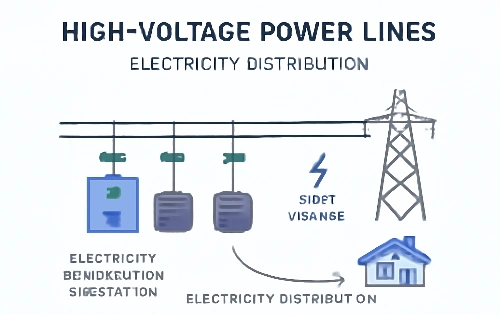
An electrical power distribution system refers to the network of equipment, circuits, and infrastructure that delivers electrical power from high-voltage transmission lines to consumers. While transmission lines carry electricity over long distances at very high voltages, the distribution system steps down this energy to usable levels through transformers, substations, and distribution lines.
In practical terms, the distribution system ensures that the power supplied from generating plants reaches homes, offices, factories, and digital infrastructure safely and reliably.
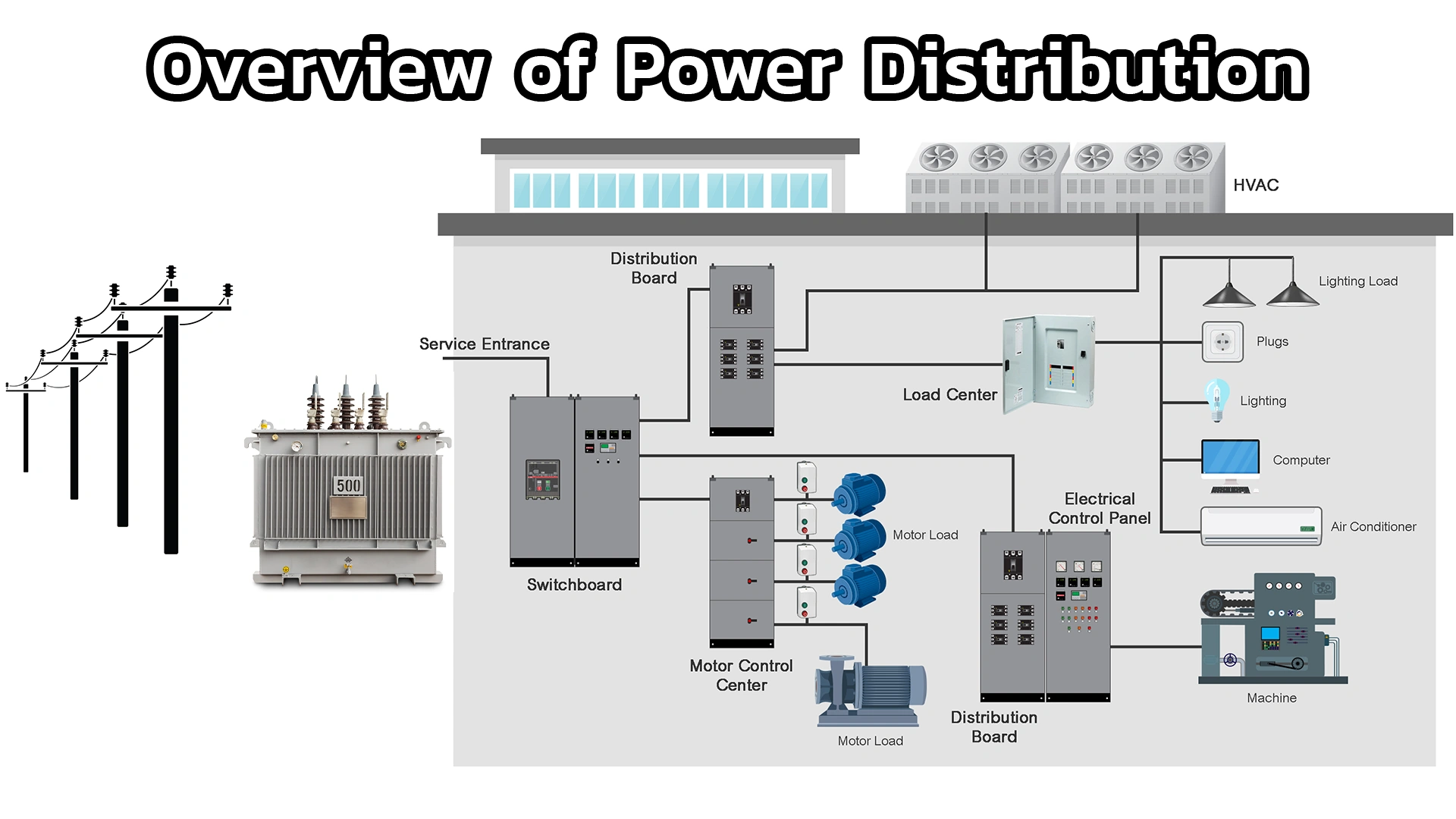
The Structure of a Power Distribution System
The distribution system in power system design generally includes:
- Substations – These receive electricity from high-voltage transmission lines, often at voltages above 110 kV. Transformers inside substations step down these high voltages to medium or low voltage suitable for local distribution.
- Distribution Lines – Medium-voltage overhead or underground lines carry electricity closer to end users. In urban areas, underground distribution lines are common for reliability and safety, while rural areas often rely on overhead lines for cost efficiency.
- Transformers – Local distribution transformers further reduce voltage levels (for example, from 11 kV down to 400/230 V) to provide electricity directly usable by households and businesses.
- Service Connections – The final link of the electric distribution system, where power is supplied directly to consumers through service cables and meters.
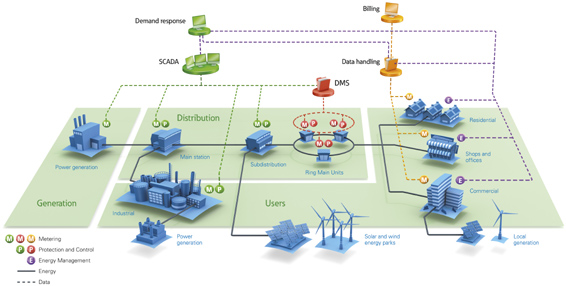
3-Phase Power Distribution System
One of the most widely used methods in power system distribution is the 3-phase power distribution system. It provides multiple advantages:
- Efficiency – Three-phase systems deliver more power with less conductor material compared to single-phase systems.
- Stability – Industrial motors and large equipment operate more efficiently on a 3-phase supply.
- Flexibility – It allows both single-phase loads (e.g., household appliances) and three-phase loads (e.g., industrial machinery) to be connected.
This balance of efficiency and versatility makes the three-phase model the backbone of modern electrical distribution.
High Voltage and Reliability
Why are high voltages used in the first place? The reason lies in physics: transmitting electrical power at high voltage reduces current and minimizes energy losses across long distances. This principle makes high-voltage power transmission and subsequent distribution critical for efficient grids.
However, high voltages are unsafe for direct consumer use, which is why the distribution network relies on multiple stages of voltage transformation before the power supplied reaches end users. Proper insulation, protective relays, and circuit breakers are essential in ensuring safety at every stage.
Practical Applications in Modern Networks
From an application perspective, distribution systems support a wide range of modern needs:
- Urban Infrastructure – Underground distribution lines minimize outages and support dense population centers.
- Industrial Zones – Large factories often rely on dedicated 3-phase power distribution systems to operate heavy equipment.
- Renewable Integration – As solar panels and wind farms expand, electrical power distribution systems are being adapted to handle two-way power flow, where consumers can also generate and feed electricity back into the grid.
- Smart Grids – Digital monitoring and automation enhance the electric distribution system, allowing for faster fault detection, load balancing, and real-time efficiency improvements.
Challenges and Future Trends
Modern distribution systems in power systems face increasing challenges:
- Rising Demand – Electric vehicles and data centers put additional strain on distribution networks.
- Aging Infrastructure – Many cities still rely on decades-old distribution lines and transformers.
- Decentralized Generation – Renewable energy integration requires more flexible grid management.
Future improvements are expected to focus on smart metering, stronger fault-tolerant designs, and enhanced automation. In addition, new materials and digital control technologies will help make electrical power distribution systems more resilient to disruptions.
The power distribution system is far more than just wires and poles—it is the final, indispensable link that transforms bulk energy into reliable, usable electricity for everyday life. By stepping down high voltages, ensuring efficient power system distribution, and integrating modern technologies like smart grids, the distribution network guarantees that electrical power is supplied safely and efficiently.
As societies continue to demand greater reliability, cleaner energy, and smarter infrastructure, the role of electrical power distribution systems will only grow more critical.

Related Articles



Related Products
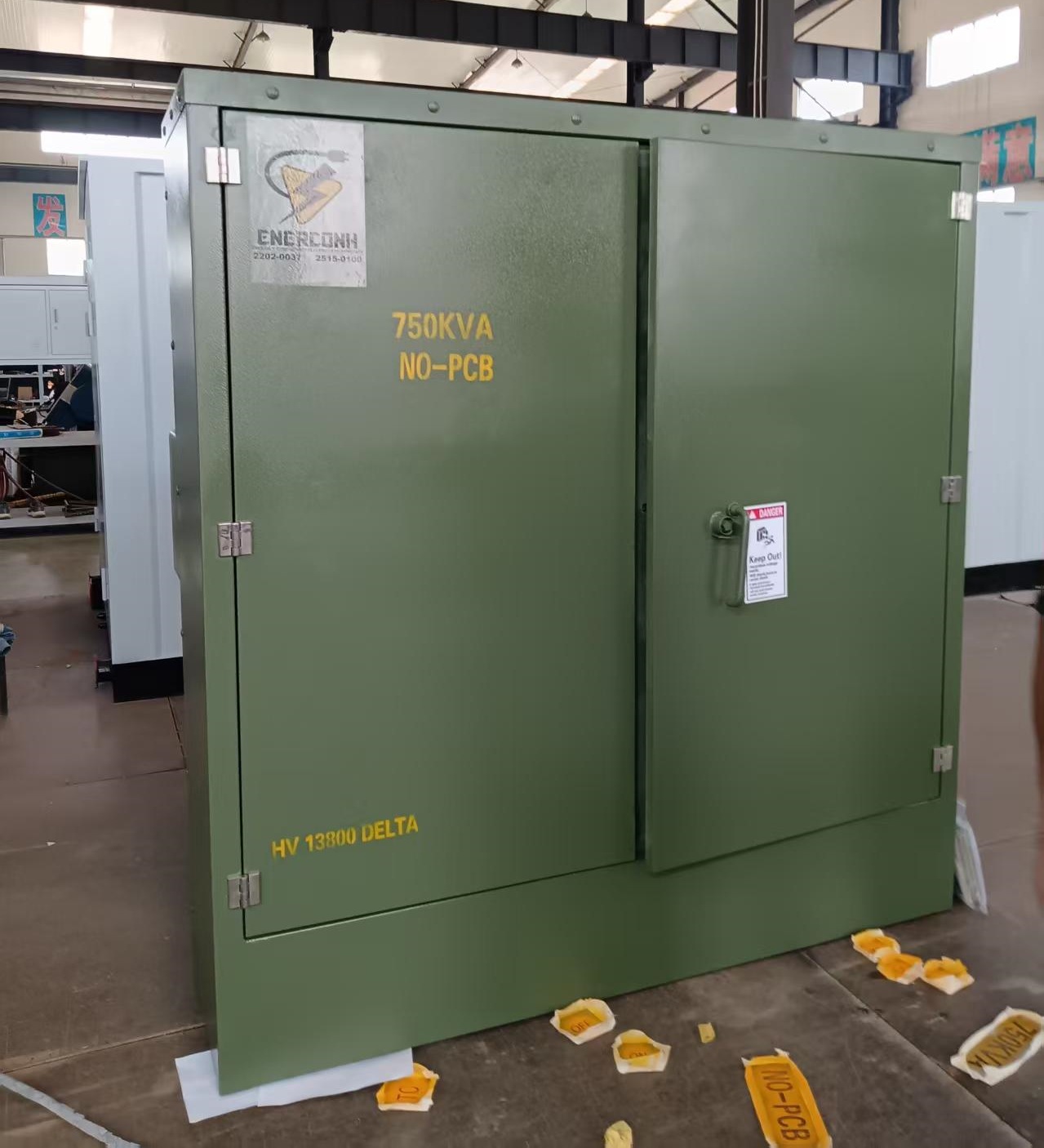
750kVA Radial Feed Pad Mounted transformer To Honduras
The 750kVA Radial Feed Pad Mounted Transformer is a high-capacity, three-phase, oil-immersed distribution transformer specifically configured for radial feed (single-source primary supply) applications. It is ideal for utility substations, commercial complexes, industrial sites, and large residential developments requiring dependable step-down from medium-voltage primary lines to low-voltage secondary service. Fully compliant with ANSI C57.12.00, IEEE C57.12.90, IEEE C57.12.34 (for pad-mounted compartmental-type transformers), IEC 60076, and DOE 2016 efficiency standards (aligned with 2029 amendments for reduced losses), this 750 kVA unit provides excellent energy efficiency (>99.2% typical), low no-load/load losses, robust overload capability, and long-term reliability in outdoor environments. Typical specifications include mineral oil or FR3 natural ester fluid (ONAN cooling), aluminum or copper windings, primary voltage 13.8kV (13800V Delta or 12470GrdY/7200 common for Latin America/Honduras compatibility), secondary 480Y/277V (or 208Y/120V, custom options), BIL 95kV HV / 30kV LV, impedance 5.75–7.0% (±7.5%), ±2×2.5% taps, radial-feed dead-front design with three high-voltage bushings (H1, H2, H3), bayonet fuses + partial-range current-limiting fuses, load-break switch (optional), lightning arresters, pressure relief valve, oil level/temperature gauges, and ANSI 70 gray (or Munsell green) finish. Low sound level (<60 dB), strong short-circuit withstand, and radial-feed configuration suit single-source underground or overhead feeds.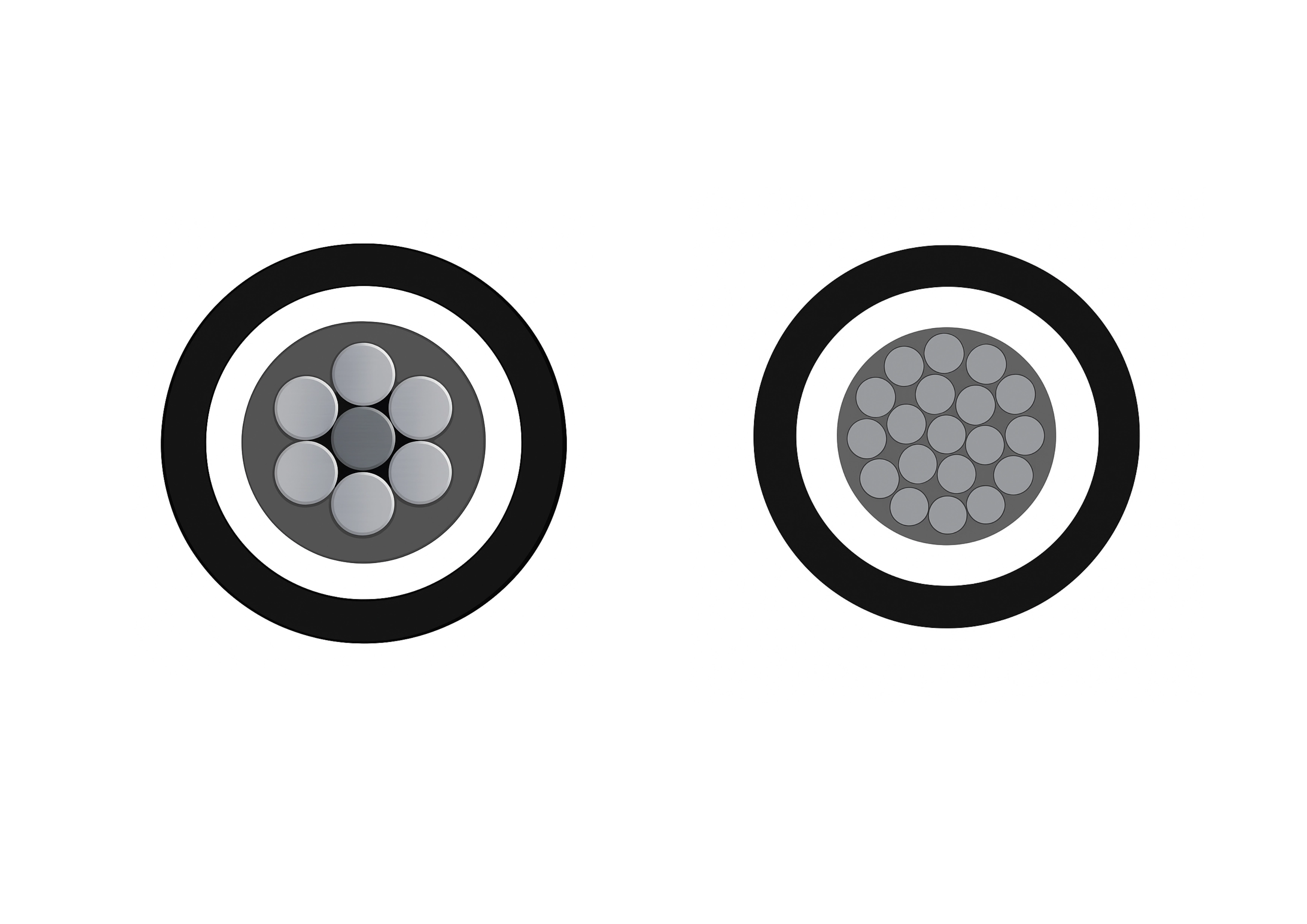
XLPE-HDPE Tree Cable Aluminum 25kV 1x240mm²
Deliver uninterrupted power with the XLPE-HDPE Tree Cable Aluminum 25kV 1x240mm² – a premium medium-voltage cable designed for high-demand overhead distribution networks. Perfect for industrial areas, large urban grids, and major interconnection lines, this cable supports very high current capacity while maintaining reliable performance over long distances. Constructed with high-conductivity aluminum alloy 1350 wires in round compacted class 2 stranding, it ensures exceptional current-carrying efficiency and mechanical durability. Optional extruded semiconductor shielding enhances electrical stability in 15kV and 25kV applications. Choose the XLPE-HDPE 25kV Tree Cable 1x240mm² for a long-lasting, low-maintenance, and high-performance power solution that ensures safe, stable, and efficient electricity transmission across your network.2Y-high-voltage-power-cable-2.webp)
High Voltage / 2XS(F)2Y, A2XS(F)2Y 110kV Power Cable
The 2XS(F)2Y / A2XS(F)2Y 110kV High Voltage Power Cable is engineered for underground high-voltage transmission networks with a maximum operating voltage of 110kV (123kV highest). Built with Class 2 copper or aluminum Milliken conductors, extruded semi-conductive XLPE screens, and XLPE insulation, it ensures excellent electrical performance and long service life. Its copper wire screen with counter-helical copper tape offers enhanced shielding, while the water-swellable tapes provide longitudinal water-blocking. The HDPE outer sheath delivers high abrasion resistance and durability, making it ideal for installation in environments with existing mechanical protection. Manufactured to IEC 60840, HRN HD 632, and IEC/EN 60228 standards, this cable is well-suited for high-load and long-distance transmission applications.SHOUOJ-mining-cable-2.webp)
(N)SHOU O/J - 0.6/1kV Mining Cable
The (N)SHOU O/J - 0.6/1kV flexible rubber-insulated cable is engineered according to VDE 0250 standards for reliable power supply in harsh environments such as underground mining, tunneling, and heavy-duty industrial sites. Its robust construction features Class 5 flexible copper conductors, durable rubber insulation, and a heavy-duty rubber outer sheath, delivering excellent mechanical strength, oil resistance, and flame retardancy. Designed for both fixed and flexible installations, the cable operates within a wide temperature range (-40°C to +80°C fixed) and withstands short-circuit temperatures up to +250°C. It is ideal for powering mobile equipment, submersible pumps, and industrial machinery in mining operations, particularly where abrasion resistance and safety are essential.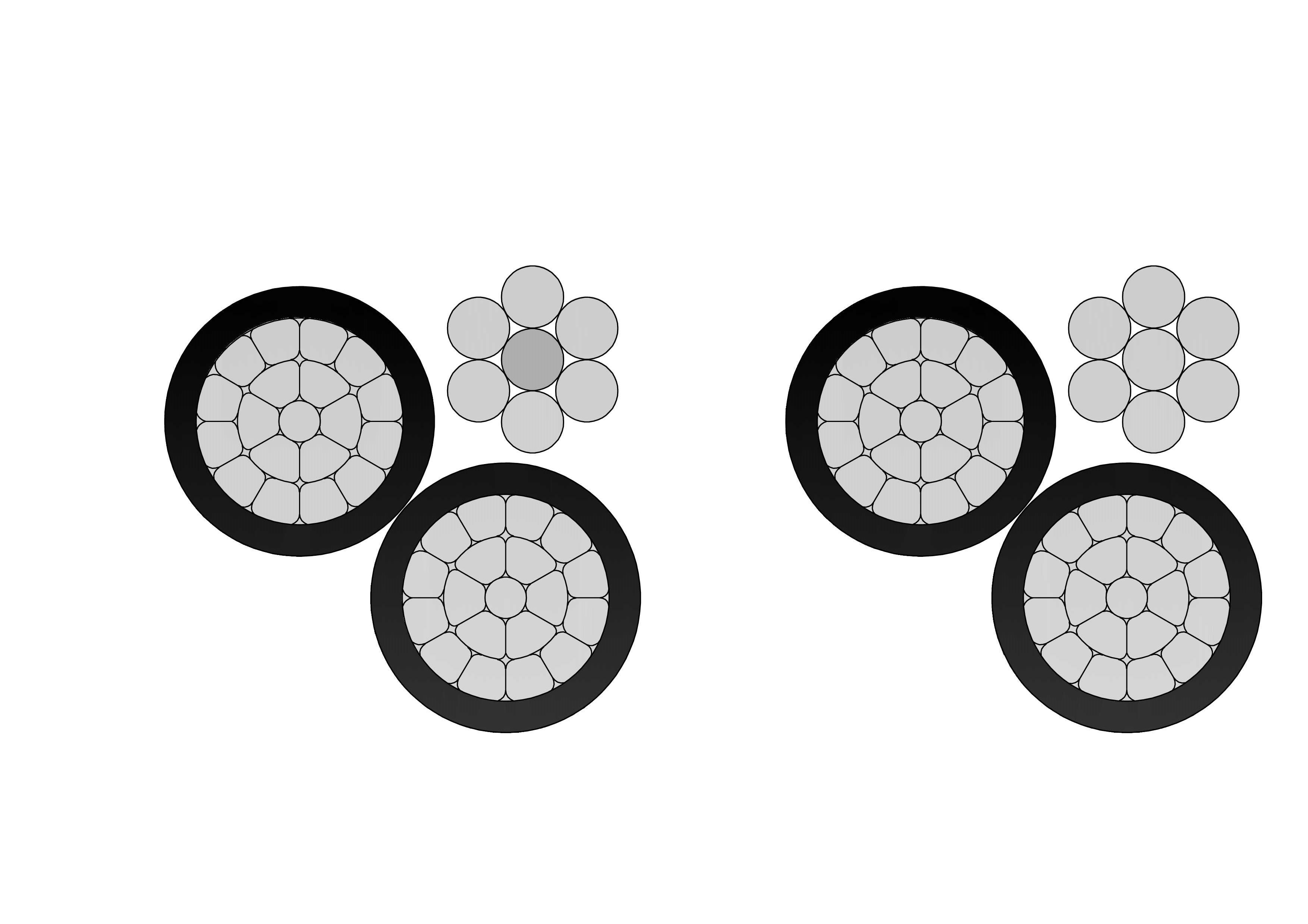
2/0 Cyclops Aluminum Conductor Triplex Overhead Service Drop Cable
The 2/0 Cyclops Aluminum Conductor Triplex Overhead Service Drop Cable is engineered for reliable overhead electrical service from utility lines to residential and commercial buildings. This cable consists of two insulated phase conductors helically wrapped around a bare aluminum neutral messenger, ensuring mechanical strength and electrical stability. Manufactured using high-purity aluminum and weather-resistant insulation, the 2/0 Cyclops Aluminum Conductor Triplex Overhead Service Drop Cable delivers excellent conductivity, corrosion resistance, and long service life. Its lightweight construction simplifies installation while maintaining strong tensile performance for aerial applications. The cable is designed to meet utility standards and perform consistently under varying environmental conditions such as UV exposure, wind, and temperature fluctuations. Each production batch undergoes comprehensive testing to guarantee compliance, safety, and performance, making this cable a dependable solution for modern power distribution systems.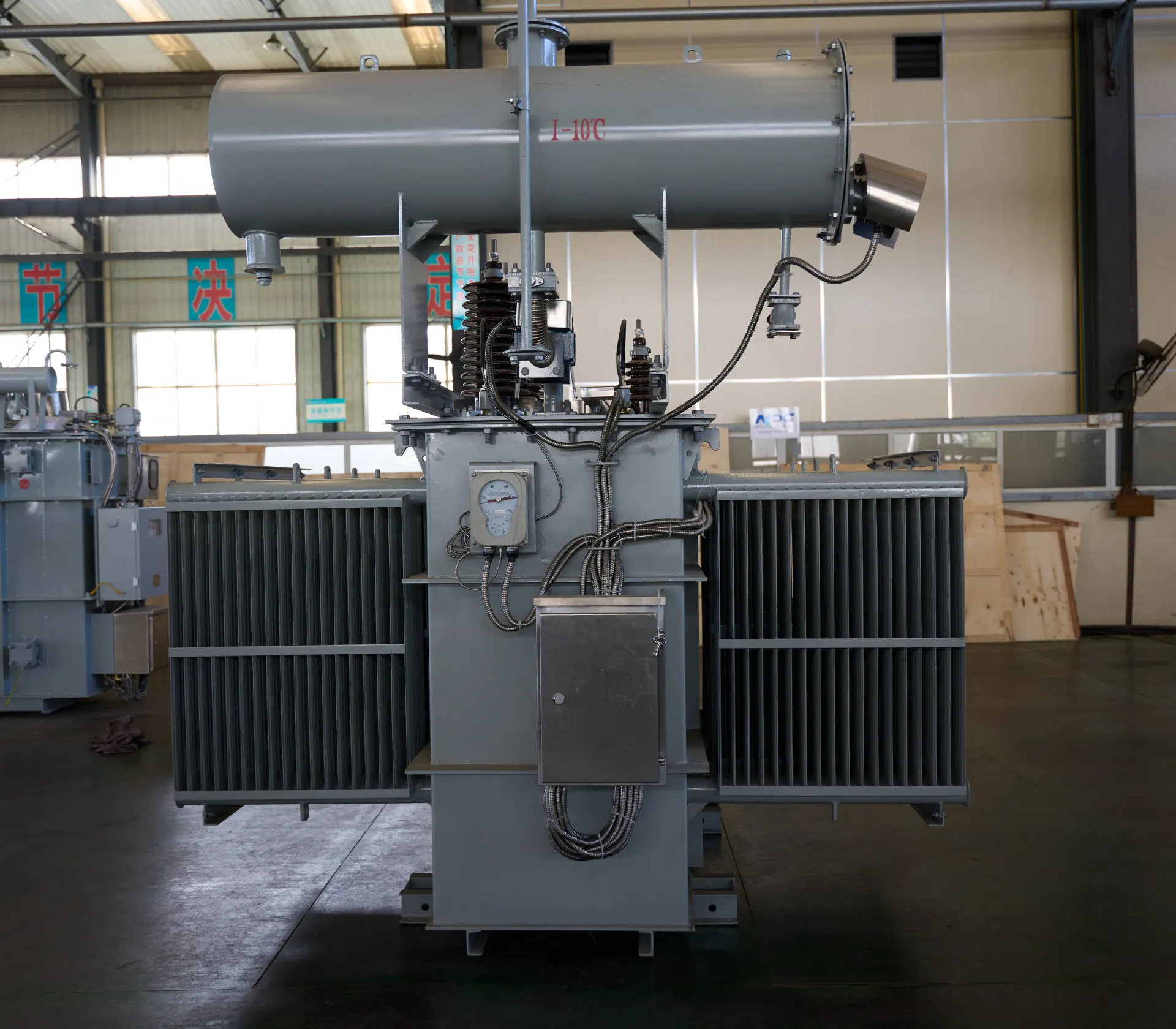
25000kVA Oil-Immersed Copper Transformer For Substation
The 25,000kVA oil-immersed copper transformer is engineered for high-standard power distribution in large industrial facilities, utility networks, and high-voltage substations. Built with premium pure copper windings, it delivers exceptional electrical conductivity, reduced losses, and long-term operational stability. The oil-immersed cooling system ensures efficient heat dissipation, allowing the transformer to perform reliably under continuous heavy load conditions.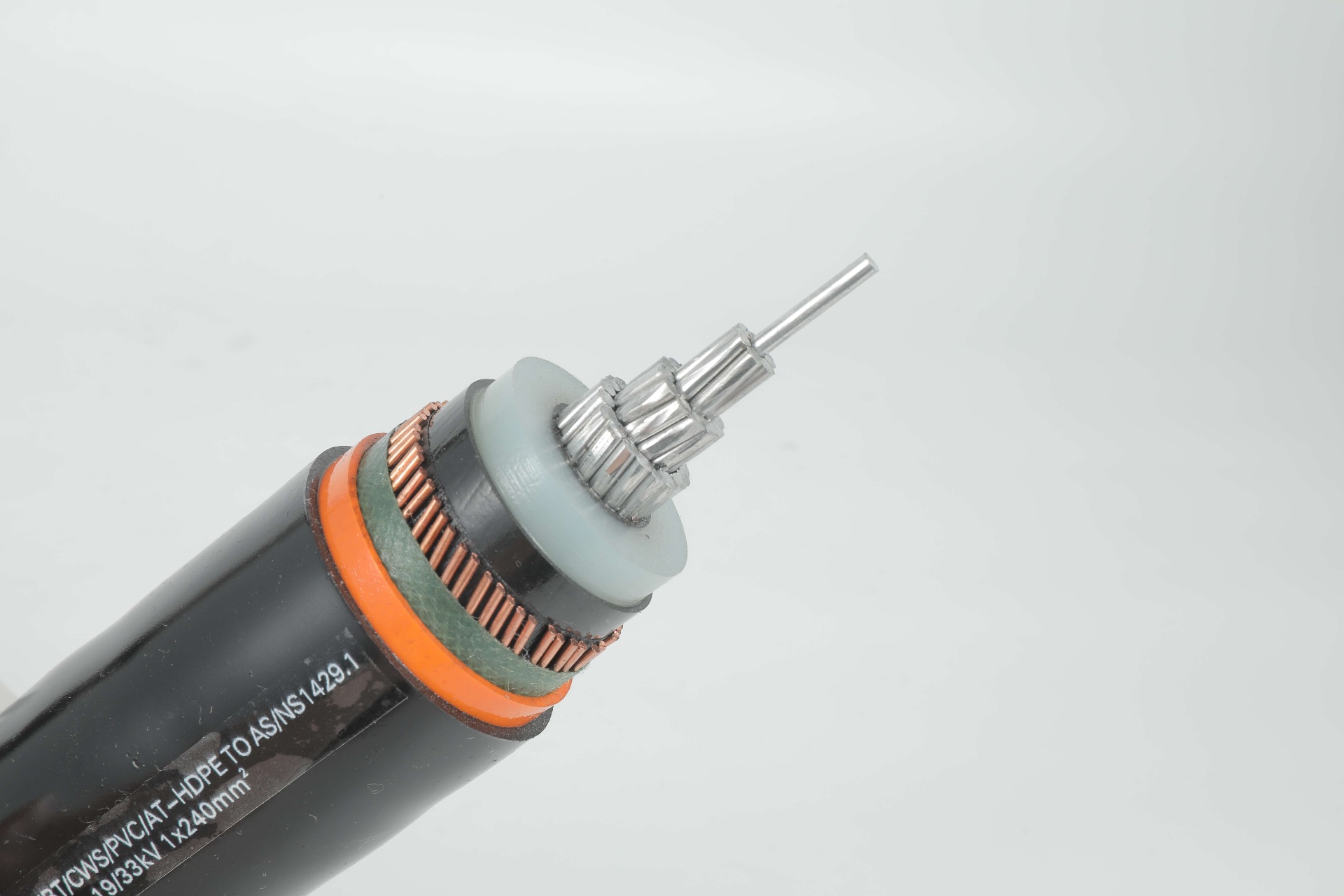
Single Core Medium Voltage Power Cable to IEC 60502
The Single Core Medium Voltage Power Cable to IEC 60502 is designed for efficient and reliable power transmission in medium voltage electrical networks. Manufactured with high-purity copper or aluminum conductors, this cable ensures low electrical losses and stable current flow. The insulation system, typically based on XLPE, provides excellent dielectric strength, thermal stability, and resistance to electrical stress. Single core construction allows flexible system design and efficient heat dissipation, making the cable suitable for substations, power plants, and industrial installations. The cable is engineered to withstand mechanical loads and operational stresses encountered in medium voltage applications. Compliance with IEC 60502 ensures the cable meets international requirements for safety, electrical performance, and durability. This medium voltage power cable is a dependable solution for modern power distribution systems requiring long service life and consistent performance.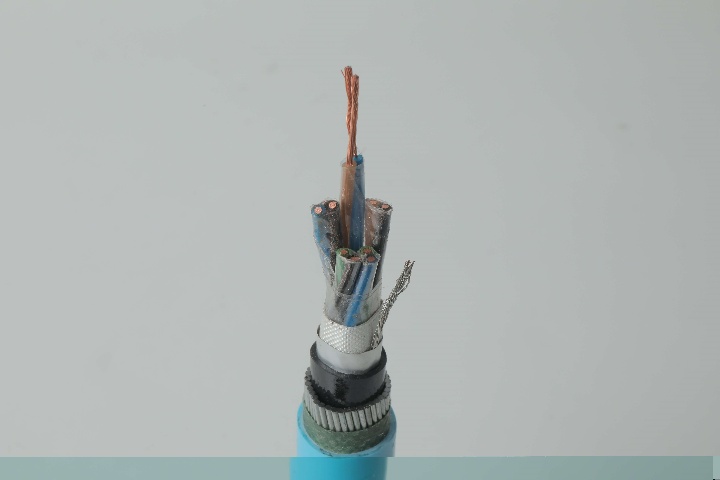
Instrumentation Cables—PVC Insulated, Overall Screened, Unarmoured PVC Sheathed Cables (CU/PVC/OSCR/PVC)
Instrumentation Cables CU/PVC/OSCR/PVC are PVC Insulated, Overall Screened, Unarmoured PVC Sheathed Cables. They are multi-conductor cables that carry and transport low-voltage electrical signals. These low-voltage signals are used to control and monitor electrical power systems. Instrumentation cables have many different industrial applications that include broadcasting, equipment control, such as drilling and pumping in the oil and gas industry, and data transfer, which includes analog and digital signals. They are manufactured according to the BS EN 50288-7 and BS EN 50288-1 standards to ensure quality. Depending on the application, instrumentation cables can be insulated with PVC or XLPE; the cables can be armoured or unarmoured. The sheathing materials can be of PVC, LSZH, or PE. The cables can have additional flame retardant or flame retardant properties, and they can be manufactured with special protections such as lead sheaths, or DRYLAM or AIRBAG technology.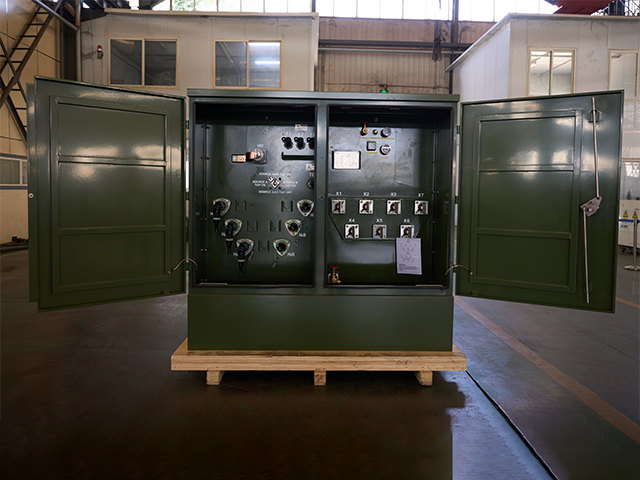
1250kVA Three Phase Pad Mounted Transformer
NPC ELECTRIC's 1250kVA Three Phase Pad Mounted Transformer is a high-performance, oil-immersed distribution transformer engineered for reliable underground power distribution in demanding environments. It delivers exceptional efficiency (up to 99.2% or higher), low no-load and load losses, and a 65°C average winding rise for extended service life exceeding 30-40 years. Key components include high-grade silicon steel core, aluminum or copper windings, 5-position tap changer (±2x2.5%), pressure relief valve, oil level gauge, and tamper-resistant enclosure in Munsell green finish.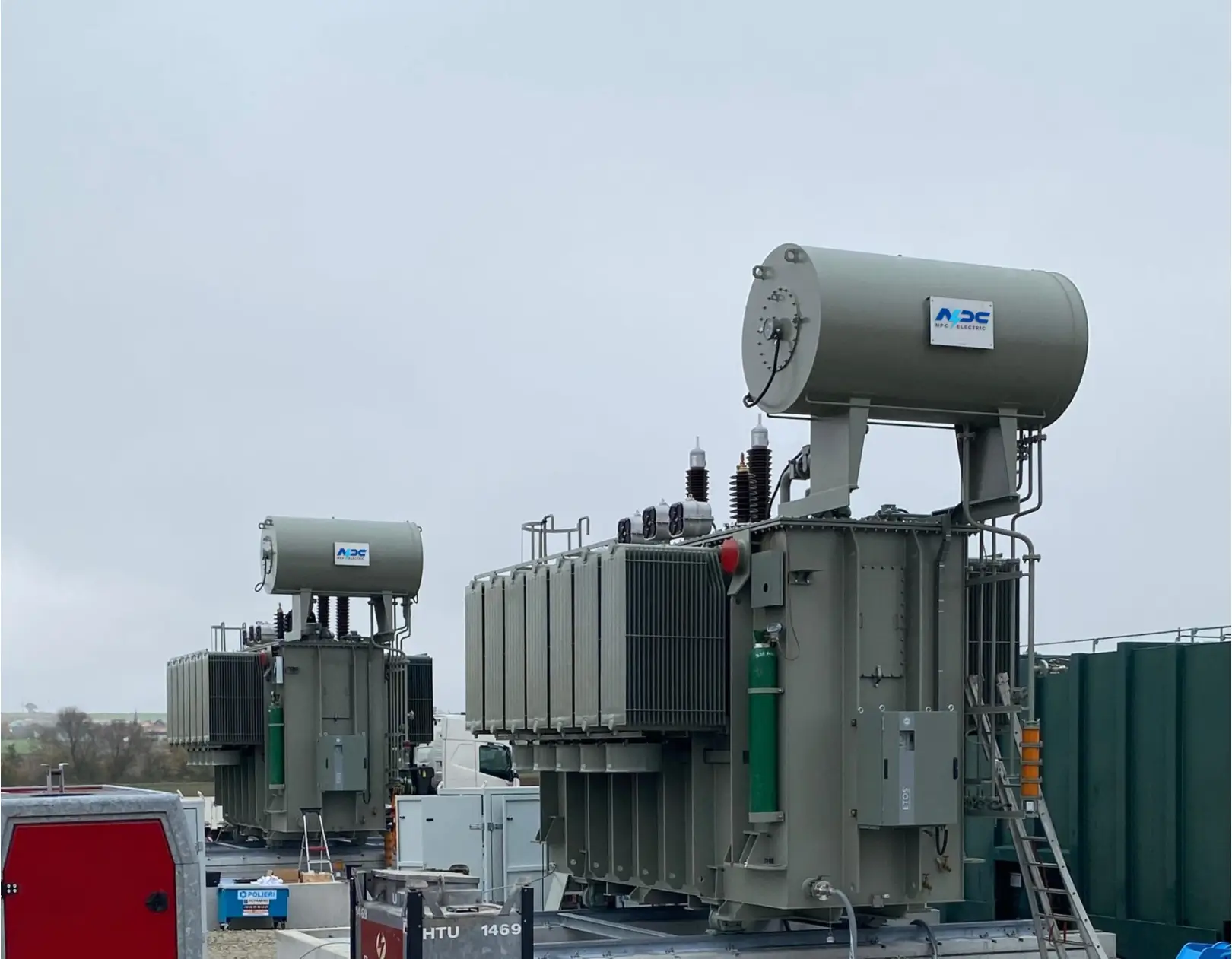
132kV High Voltage Outdoor Power Substation Transformer for Grid Systems
The 132kV High Voltage Outdoor Power Substation Transformer is engineered to support modern grid systems that demand high reliability, operational stability, and long-term performance. Designed for continuous outdoor operation, it features a robust oil-immersed insulation system combined with a mechanically reinforced structure to withstand electrical stress, environmental exposure, and grid fluctuations. The transformer is optimized for efficient power transfer with controlled losses and stable voltage regulation across varying load conditions. Its thermal design ensures effective heat dissipation, supporting extended service life even under high ambient temperatures. Suitable for utility substations and large-scale grid infrastructure, this transformer meets stringent operational and safety requirements while maintaining ease of maintenance and dependable long-term operation in complex power networks.
Coil End Lead Type 4 BS 6195 Cable
The Coil End Lead Type 4 BS 6195 Cable is a premium, highly flexible high-temperature lead wire engineered for demanding coil and transformer applications. It features fine-stranded tinned copper conductors for superior conductivity and corrosion resistance, high-purity silicone rubber insulation providing excellent dielectric strength, exceptional heat resistance (continuous 180°C, short-term 220°C), and outstanding flexibility even in cold conditions. Compliant with BS 6195 Type 4 standard, it offers flame retardancy, ozone resistance, and long-term thermal stability without cracking or hardening. The cable is lightweight, easy to strip, and suitable for tight bending radii in coil winding, motor connections, and transformer lead-outs. The Coil End Lead Type 4 BS 6195 Cable ensures reliable performance in high-heat environments, reducing downtime and enhancing safety in electrical equipment manufacturing and repair.
3/0 Mursia Aluminum Conductor Triplex Overhead Service Drop Cable
The 3/0 Mursia Triplex Aluminum Overhead Service Drop Cable is a premium-grade aerial electrical cable engineered for utility-to-premises power distribution. Designed with two insulated phase conductors and one bare ACSR (Aluminum Conductor Steel Reinforced) neutral messenger, the Mursia cable ensures strength, conductivity, and stability during aerial installation. Constructed with concentric or compressed 1350-H19 aluminum phase conductors (#3/0 AWG), black XLPE insulation for enhanced thermal, abrasion, and environmental resistance, plus a bare ACSR neutral messenger (#3/0 AWG), it ensures efficient conductivity, corrosion resistance, and structural integrity. Rated 600V phase-to-phase up to 90°C (XLPE), with ≈275A ampacity, it meets ASTM B-230/B-231/B-232/B-399 and ICEA S-76-474. The balanced, lightweight design facilitates easy installation while offering robust protection against extreme outdoor conditions such as temperature swings, moisture, UV exposure, and mechanical stress in residential, commercial, and light industrial applications.
1/0 Janthina Aluminum Conductor Triplex Overhead Service Drop Cable
The 1/0 Janthina Triplex Service Drop Cable is a reliable overhead cable for secondary power distribution to residential service entrances. Featuring two 1/0 AWG aluminum phase conductors and one neutral messenger (7-strand) insulated with XLPE or PE and assembled in triplex configuration, it provides excellent mechanical strength and weather resistance. Compliant with ASTM B-230, B-231, ICEA S-76-474, and ANSI/ICEA standards, this cable supports 600V applications with high UV, moisture, and abrasion protection. The self-supporting messenger reduces sag and simplifies installation over medium spans. The 1/0 Janthina Triplex Service Drop Cable ensures low power losses, high current capacity, and long service life in harsh outdoor conditions. Lightweight and flexible, it is widely used for two-phase service drops with neutral in urban, suburban, and rural areas requiring safe, cost-effective aerial connections from utility poles to homes.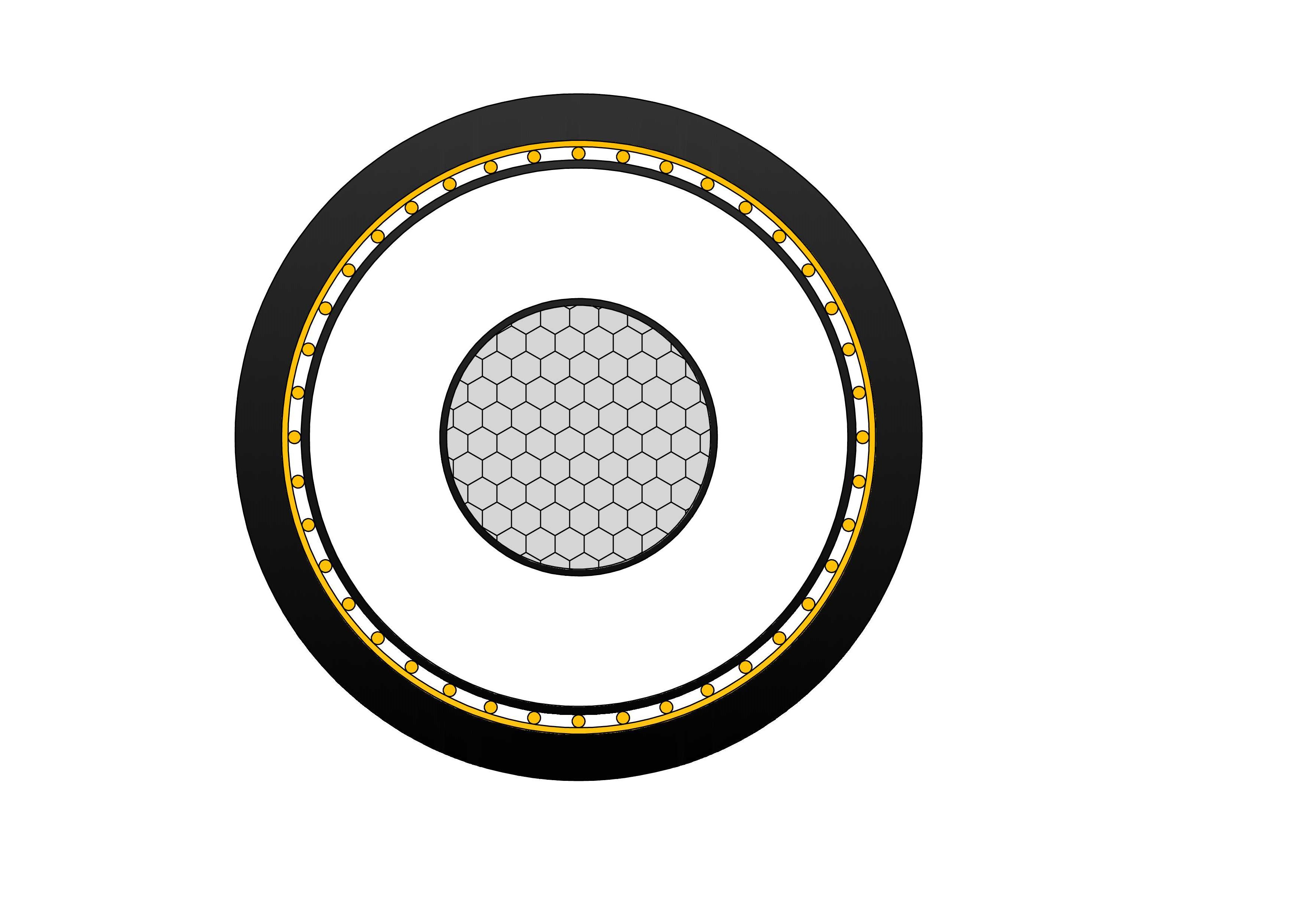
N2XSH Medium Voltage Power Cable(6/10kV, 12/20kV, 18/30kV)
N2XSH are flame-retardant, low smoke, zero halogen (LSZH) medium voltage cables with copper conductors, manufactured according to IEC 60502-2 standards. Featuring stranded copper conductors, cross-linked polyethylene (XLPE) insulation, copper tape or wire screen, and low smoke zero halogen (LSZH) outer sheath, it complies with IEC 60502-2 and fire performance standards. In fire situations, the LSZH sheath emits minimal smoke and no toxic halogen gases, protecting lives and equipment. Excellent electrical properties, low dielectric losses, and high thermal stability ensure efficient power transmission. Suitable for direct burial, ducts, or indoor installations in public areas, it offers good mechanical protection and moisture resistance. The N2XSH Medium Voltage Power Cable is the preferred choice for utilities, hospitals, schools, tunnels, and infrastructure projects demanding reliable, environmentally friendly medium voltage cabling with superior fire safety and long service life worldwide.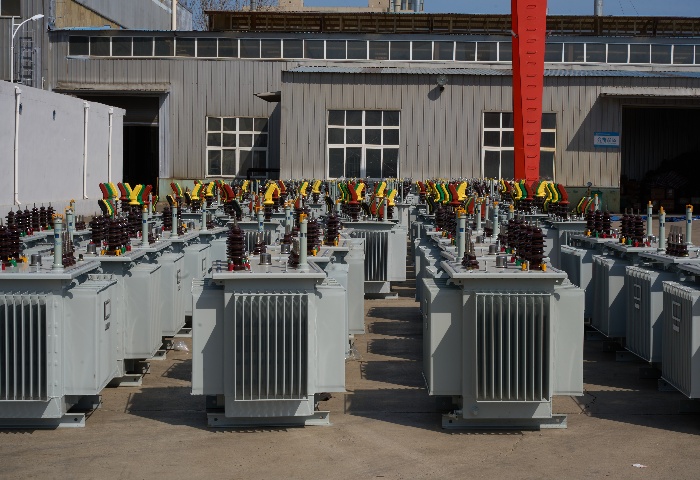
20kV Oil Immersed Transformer
The 20kV Oil Immersed Transformer is a high-capacity, three-phase power distribution transformer designed for robust step-down performance in 50/60Hz AC grids up to 20kV primary voltage. It utilizes a fully sealed corrugated tank with advanced thermal fins for oil expansion, eliminating conservators and delivering unmatched resistance to humidity, contamination, and oxidation for over 30-year service life. High-efficiency cold-rolled silicon steel cores with step-lap construction slash no-load losses by up to 40%, complemented by electrolytic copper windings (H62 conductivity).Welcome your inquiry
Honesty, Integrity, Frugality, Activeness and Passion