Service Drop Cables in Modern Power Systems: Design, Performance, and Maintenance Insights
2025-12-17
1. Understanding Service Drop Cables
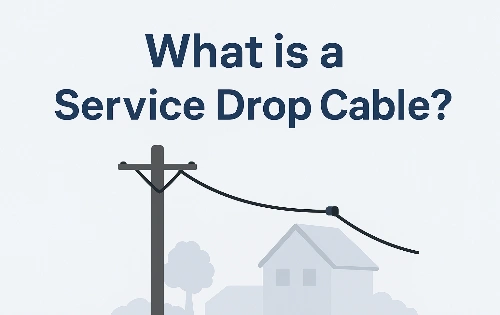
In modern power distribution systems, drop cables serve as a crucial bridge connecting the power company's grid with users. They transmit electricity from the power company's overhead lines or underground cable networks to individual homes, commercial buildings, industrial facilities, and other end-users. Drop cables are not merely conduits for power transmission; they also bear the heavy responsibility of ensuring a safe and stable power supply. To cope with changes in the external environment, such as weather conditions, physical shocks, and chemical corrosion, drop cables are typically designed with high-strength insulation materials and possess waterproof, fireproof, and UV-resistant properties. These designs ensure that the cables can still function normally under extreme weather conditions, reducing the risk of power outages. Furthermore, the specifications and types of drop cables are customized according to different user needs and geographical environments to meet voltage requirements and current loads. Through reliable connections, these cables ensure a stable and safe power supply to end users, guaranteeing the continuous operation of household life and industrial production.
Whether it's a residential, commercial, or industrial setting, the performance of these cables is crucial to the overall effectiveness of the power supply system. In this article, we'll explore the design, performance, and maintenance of service drop cables, focusing on different types of cables such as overhead service drop cables, aluminum service drop cables, duplex service drop cables, and quadruplex service drop cables.
2. Types of Service Drop Cables
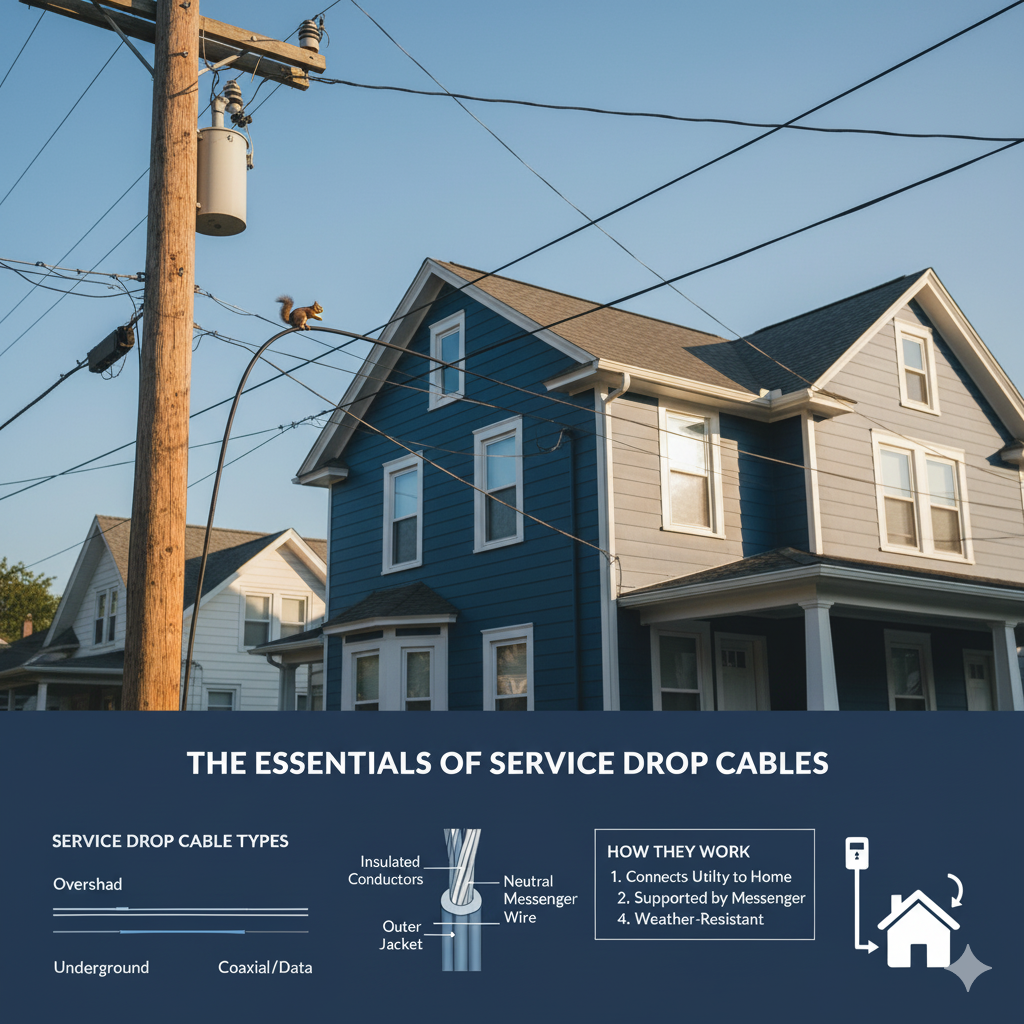
Service drop cables come in different designs and materials, depending on the specific application and installation environment. Below are some common types used in modern power systems:
a. Overhead Service Drop Cable
Overhead service drop cables are typically used in residential and commercial areas where power is delivered from overhead power lines. These cables are designed to be mounted on utility poles and carry the electric power from the power grid to homes or buildings. The installation method makes them easier to maintain and replace, especially in rural or low-density areas.
b. Aluminum Service Drop Cable
Aluminum service drop cables are a popular choice for service drops due to their lightweight nature and cost-effectiveness. Aluminum cables are highly resistant to corrosion, especially when properly insulated. They are widely used in overhead installations due to their ability to carry high currents while maintaining a relatively low weight.
c. Aluminum Triplex Service Drop Cable
The aluminum triplex service drop cable consists of three conductors—two for carrying the live wires and one for neutral power. This cable is commonly used in three-phase power systems and is ideal for applications that require a neutral conductor along with two hot wires. It provides a reliable power supply in residential areas while reducing the risk of electrical faults by ensuring a balanced load across the phases.
d. Duplex Service Drop Cable
The duplex service drop cable consists of two conductors—one for the live wire and one for the neutral wire. This type is most often used for single-phase residential installations. The duplex service drop offers a compact and cost-effective solution while maintaining high reliability for residential power supply.
e. Quadruplex Service Drop Cable
The quadruplex service drop cable includes four conductors—two for the live wires, one neutral, and one ground wire. This type is typically used in larger residential areas or commercial applications requiring three-phase power with grounding protection. The quadruplex cable ensures safer power distribution, especially when grounding is essential for safety purposes.
3. Design Considerations for Service Drop Cables
The design of service drop cables is influenced by factors such as current rating, insulation material, mechanical strength, and environmental exposure. The design must ensure safety, durability, and reliable performance under various weather conditions. Common considerations include:
-
Current Carrying Capacity: The design must accommodate the amount of current the cable is expected to carry without excessive heat buildup or voltage drops.
-
Insulation: To protect against electrical faults, service drop cables are insulated with materials that prevent electrical shock and short circuits. Insulation materials like cross-linked polyethylene (XLPE) are commonly used for their thermal and electrical properties.
-
Mechanical Strength: Service drop cables must be designed to handle the mechanical stresses from wind, ice, and other external factors. For example, aluminum service drop cables are often reinforced to ensure they do not sag or snap.
-
Environmental Considerations: Since these cables are often exposed to weather, they must be resistant to UV radiation, water, and extreme temperatures. Corrosion resistance is also crucial, especially for aluminum cables.
4. Performance of Service Drop Cables
The performance of service drop cables is critical for the continuous and safe delivery of electricity. Several factors contribute to their performance:
-
Electrical Conductivity: Aluminum and copper are the most common materials used in the conductors of service drop cables. Aluminum is more affordable and lighter, while copper has better electrical conductivity but is heavier and more expensive.
-
Durability: Over time, service drop cables can suffer from wear due to environmental factors. Proper insulation and the use of corrosion-resistant materials ensure that the cables maintain long-lasting performance.
-
Safety: Service drop cables are designed with safety in mind. The cables must meet national and international standards, such as those set by the National Electrical Code (NEC), to ensure the safety of the electrical system.
5. Maintenance of Service Drop Cables
Regular maintenance is essential to ensure the continued performance and safety of service drop cables. Some common maintenance tasks include:
-
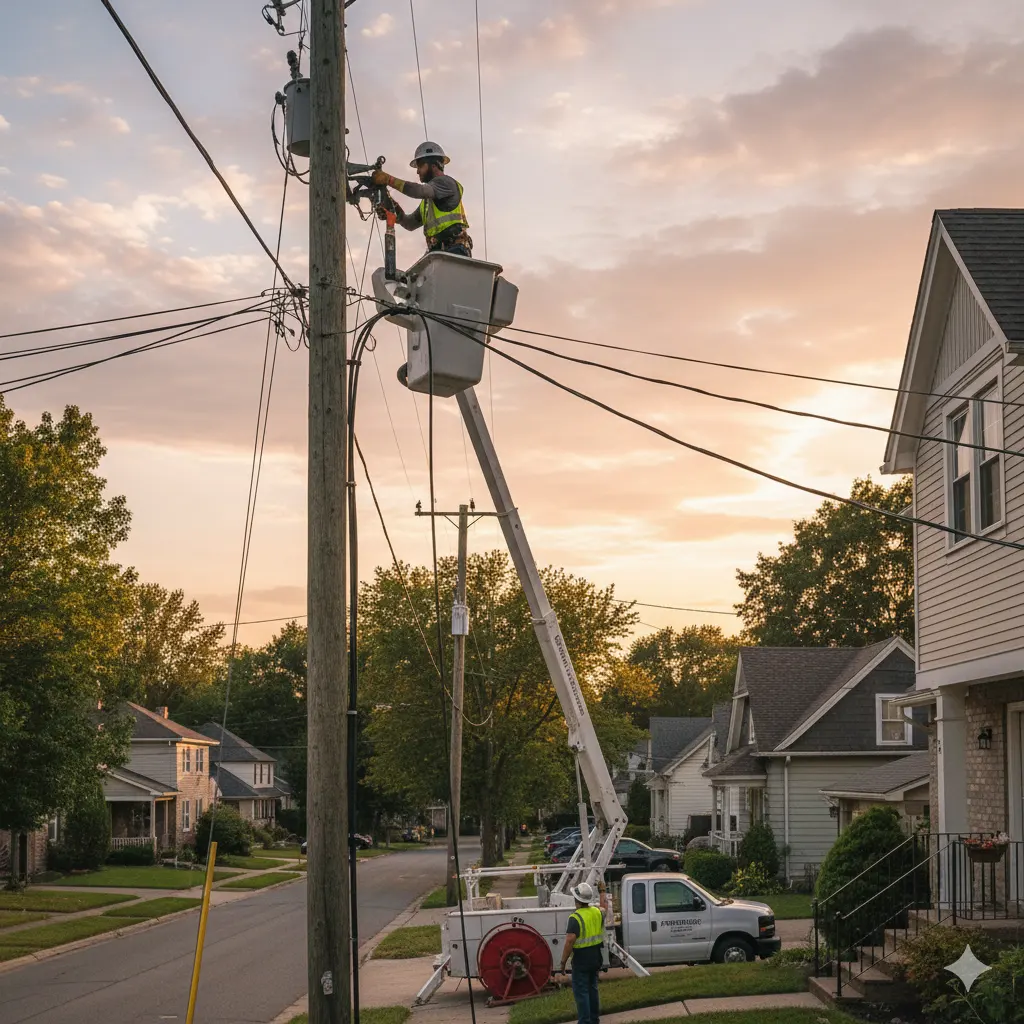
Inspection for Wear and Tear: Regular inspections should be conducted to check for signs of wear, such as cracked insulation, frayed wires, or signs of corrosion.
-
Replacement of Damaged Cables: When cables are damaged by external factors like storms, heavy winds, or rodent damage, timely replacement is essential to prevent electrical faults or power outages.
-
Clearing Obstructions: Cables should be free of obstacles that could cause physical damage or interfere with their performance.
Preventative Measures:
-
Using weather-resistant coatings on cables can prevent damage from UV rays and water exposure.
-
Installing surge protection and grounding systems can further reduce risks associated with electrical faults.
Service drop cables are essential for ensuring that power is safely and reliably delivered to end users. Understanding the various types of cables available, their design considerations, and performance factors can help engineers and installers choose the right solution for any application. Whether using duplex, triplex, or quadruplex service drop cables, ensuring regular maintenance and monitoring is crucial for maintaining a consistent, efficient, and safe power distribution system.

Related Articles
Related Products
5kVA Conventional Type Single Phase Pole Mounted Transformer
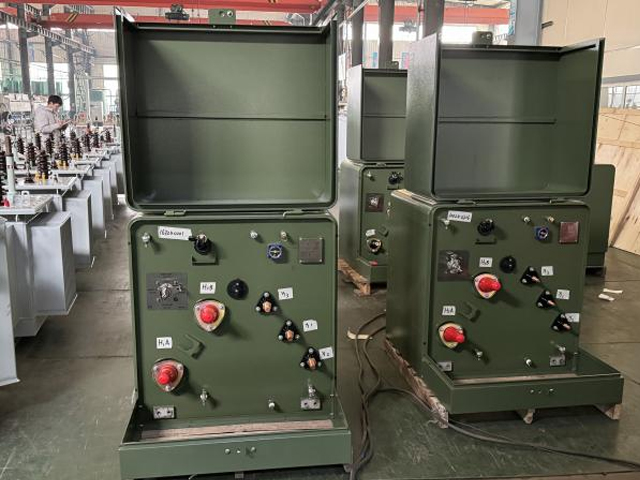
NPC ELECTRIC has been focusing on the production of 5kVA Conventional Type Single Phase Pole Mounted transformer for decades, complying with international standards such as IEC 60076, ISO 9001, IEEE C57.12.00, etc. to ensure its safety, performance, and reliability. NPC ELECTRIC’s 5kVA conventional single-phase pole-mounted transformer is a small power transformer equipment, usually installed on power poles. This transformer is widely used in daily life and small industrial fields for its reliability and efficient power conversion capabilities, ensuring a stable and safe power supply. The transforming primary voltages from 2.4kV to 34.5kV (such as 12470Y/7200, 13200Y/7620, or 14400GrdY/8320) to secondary outputs like 120/240V split-phase or 277V. Featuring an interlaced core for surge resistance, high-grade silicon steel, and aluminum or copper windings.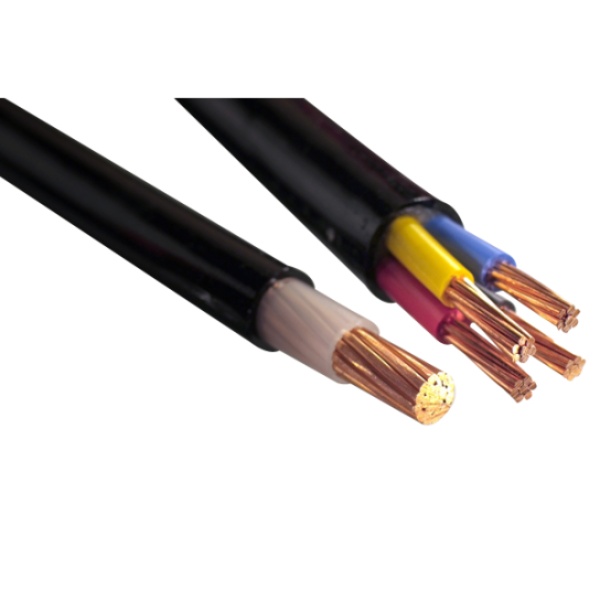
600/1000V PVC Insulated Cable to IEC 60502-1 Standard
The 600/1000V PVC Insulated Low Voltage Power Cable is designed for reliable power transmission in low-voltage electrical systems. Manufactured with high-quality copper or aluminum conductors and PVC insulation, this cable provides stable electrical performance, good flexibility, and long service life. The PVC insulation offers effective protection against moisture, abrasion, oils, and common chemicals, making the cable suitable for both indoor and outdoor installations. Rated at 600/1000 volts, the cable ensures safe and efficient power distribution under normal operating conditions. Its robust insulation structure supports consistent current flow while maintaining electrical safety. The cable is easy to install, route, and terminate, making it a practical solution for residential, commercial, and industrial power networks. With dependable insulation performance and mechanical durability, this low voltage power cable meets the demands of everyday electrical infrastructure.
200kVA Single Phase Pole Mounted Transformer
NPC ELECTRIC'S 200kVA single phase pole mounted transformer delivers exceptional reliability for demanding overhead power systems. It efficiently converts primary voltages like 11kV or 22kV to secondary levels such as 220V or 400V, supporting heavier loads in diverse environments. Constructed with low-loss grain-oriented steel cores and high-grade aluminum conductors, it achieves superior energy efficiency and reduced operational costs. Meeting ANSI/IEEE C57 standards, the weatherproof enclosure ensures protection against elements, with a 55°C temperature rise and ONAF cooling for enhanced performance. Essential safety integrations include overload fuses and oil level gauges, making it suitable for utilities aiming for minimal downtime. This transformer excels in providing stable power with low harmonic distortion, ideal for modern grid upgrades.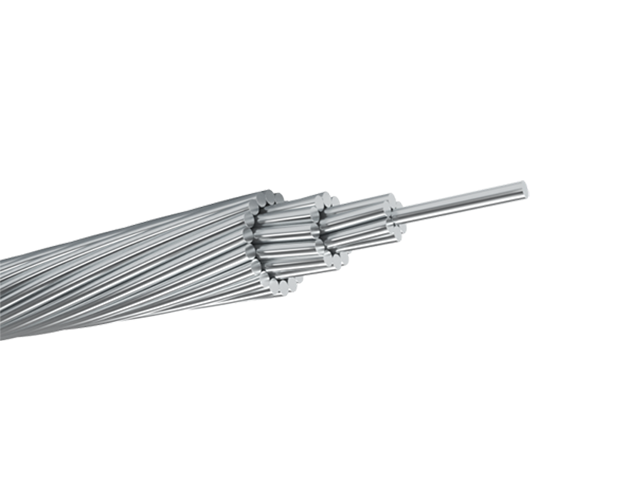
AAAC Rabbit Conductor Cable
AAAC RABBIT conductor is a compact, high-performance All Aluminum Alloy Conductor manufactured using 6201-T81 aluminum alloy, in compliance with ASTM B399, IEC 61089, and BS EN 50182 standards. Named "Rabbit" for its 50 mm² nominal area with 7-strand configuration, it offers superior conductivity (61% IACS) and tensile strength (295 MPa min) compared to ACSR. Made from heat-treated aluminum-magnesium-silicon alloy (6201-T81), this cable provides excellent corrosion resistance, low weight, and reduced sag for longer spans. Compliant with ASTM B398, B399, IEC 61089, and BS EN 50182 standards, it supports voltages up to 33kV with ampacity up to 250A at 75°C. The homogeneous alloy construction eliminates bimetallic corrosion and ensures uniform mechanical properties. The AAAC Rabbit Conductor Cable minimizes line losses, withstands harsh weather, and requires minimal maintenance. Ideal for rural electrification, urban upgrades, and renewable energy integrations, it delivers reliable, cost-effective power delivery in overhead lines worldwide, outperforming traditional conductors in corrosive or coastal environments.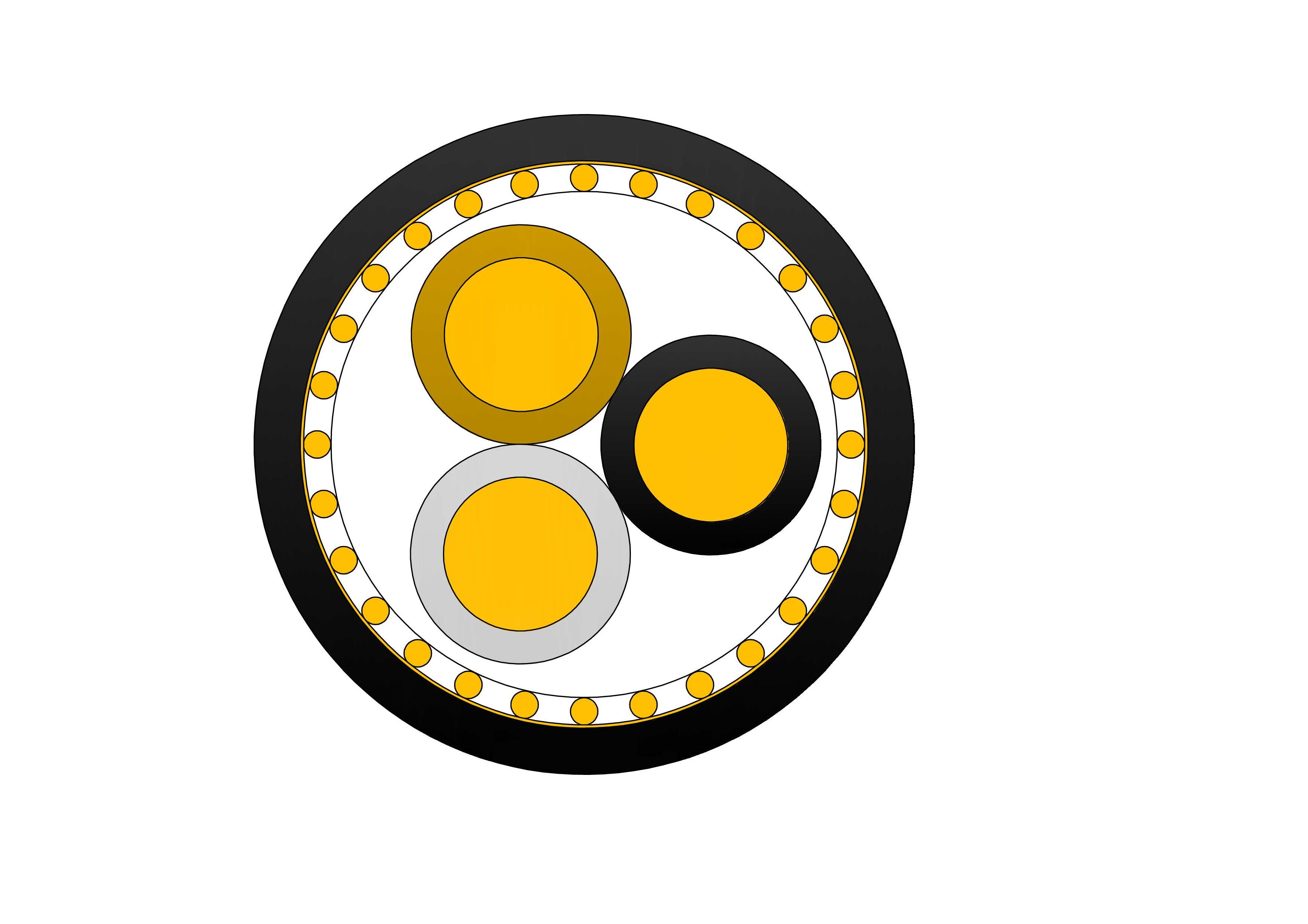
NYCY 0.6/1kV Low Voltage Power Cable
NYCY 0.6/1kV are low-voltage power cables designed according to VDE 0276 standard, suitable for fixed installation in indoor, outdoor, underground, cable ducts, or concrete (not exposed to mechanical vibration). Featuring stranded copper conductors, PVC insulation, filler, concentric copper wire screen with counter-helix tape, and robust PVC outer sheath, it complies with VDE 0276-603 and IEC standards. The concentric screen serves as neutral/earth conductor and provides excellent EMI shielding, reducing interference in sensitive areas. Suitable for direct burial, ducts, or indoor fixed installations, it offers good mechanical strength, moisture resistance, and flame-retardant properties. Copper conductors ensure low losses and high current capacity. The NYCY 0.6/1kV Low Voltage Power Cable delivers long service life with minimal maintenance, making it ideal for industrial plants, commercial buildings, residential networks, and infrastructure projects requiring screened, efficient low-voltage copper cabling for safe and interference-free energy transmission worldwide.2Y-high-voltage-power-cable-2.webp)
A2XS(FL)2Y MDPE High Voltage 26/45 (52)kV Power Cable
The A2XS(FL)2Y MDPE High Voltage Power Cable is a single-core aluminum conductor cable with XLPE insulation and an MDPE sheath, rated 26/45 (52) kV. Designed for reliable medium-voltage power transmission, it meets IEC 60840 standards, providing excellent electrical performance, mechanical protection, and environmental resistance. Its construction includes an aluminum conductor, semi-conductive conductor screen, XLPE insulation, semi-conductive insulation screen, semi-conductive water swelling tape, copper wire metallic screen, longitudinal aluminum tape with PE copolymer coating, and an MDPE sheath. Water-blocking tape prevents water propagation inside the cable, ensuring dependable operation in power stations, industrial plants, and distribution networks. Suitable for underground, underwater, indoor, outdoor, and duct installations, this cable is ideal for distribution networks, generation unit connections, and industrial processes.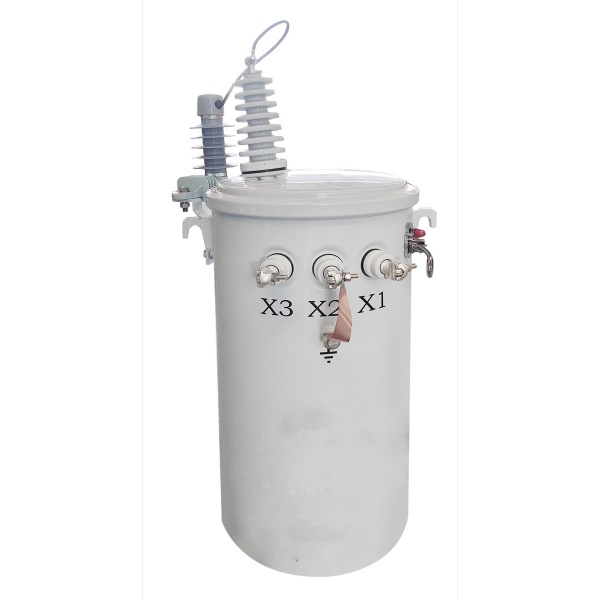
15kVA Completely self-protected(CSP) Single Phase Pole Mounted Transformer
NPC ELECTRIC the production of 15 kVA single-phase overhead transformers, meticulously engineered to meet international standards such as IEEE C57.12.00, IEEE C57.12.20, DOE-2016 Efficiency, CSA C2.1, and CSA C2.2. These certifications underscore to delivery products that are both safe and reliable. NPC electric transformers are designed to comply with the DOE 2016 efficiency standards, ensuring optimal energy efficiency and reduced operational costs. Understanding the diverse needs of our clients, NPC Electric offers a wide range of customizable voltage levels to suit various applications. Perfect manufacturing processes enable us to maintain short production cycles, ensuring timely delivery.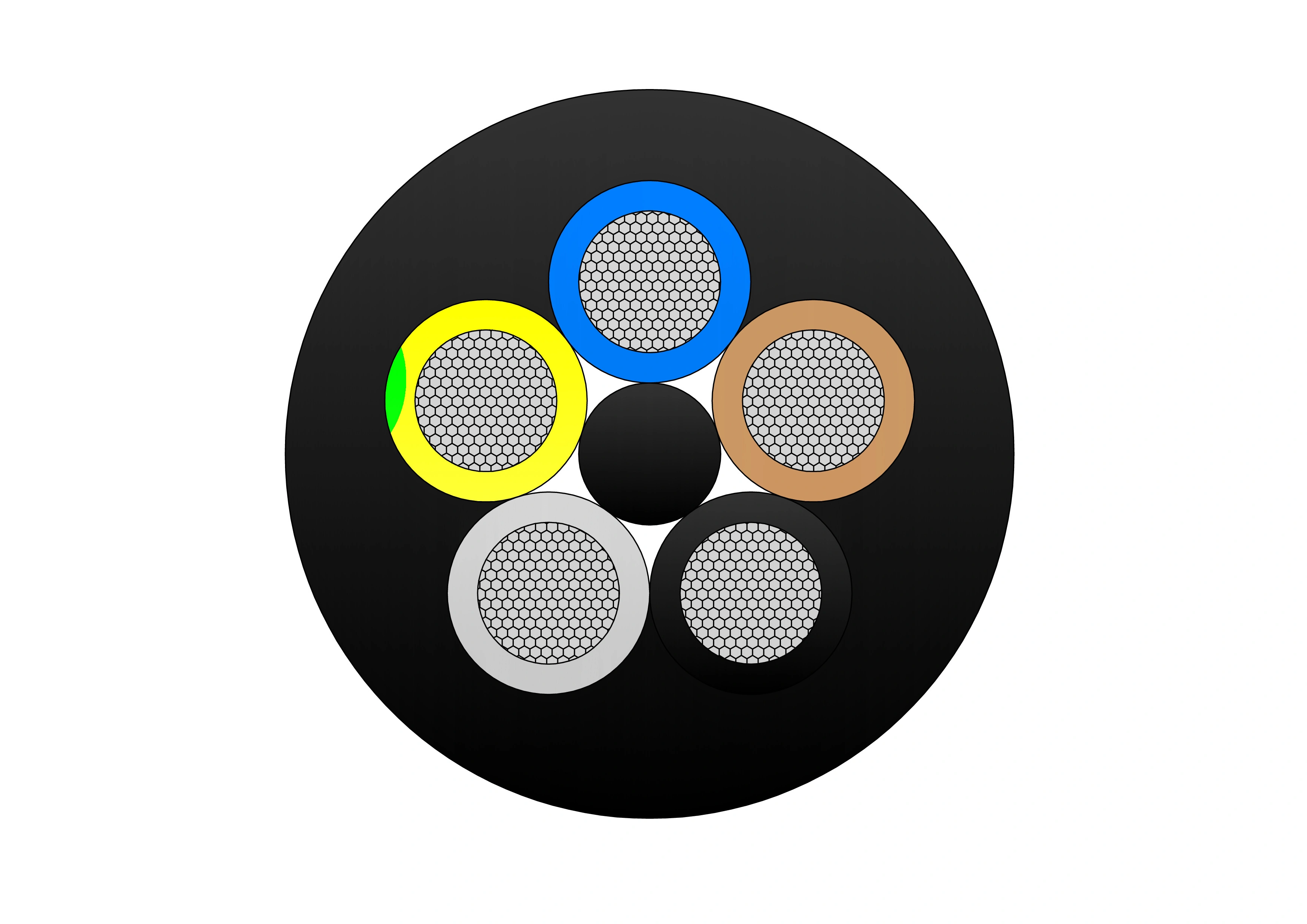
Type 455 Flexible Screened Mining Cable With Two Earth And One Pilot Core
The Type 455 Flexible Screened Mining Cable With Two Earth And One Pilot Core is an extra-heavy-duty flexible cable designed for the most severe underground mining operations requiring enhanced electrical safety. It features finely stranded tinned copper conductors (class 5) for exceptional flexibility and corrosion resistance, EPR insulation for high dielectric strength and 90°C continuous rating, tinned copper braid screen for effective EMI protection and grounding, two dedicated earth cores for redundant grounding and increased safety, one pilot core for earth continuity monitoring and machine interlock protection, and an extra-heavy-duty flame-retardant rubber outer sheath resistant to oil, abrasion, tearing, crushing, impact, and chemicals. Compliant with AS/NZS 2802 and mining safety standards, it supports very high tensile loads, frequent reeling/drag, tight bending radii, and reliable performance in wet, dusty, and hazardous conditions. The Type 455 is ideal for high-power trailing applications in coal and metalliferous mines, powering longwall shearers, continuous miners, face conveyors, shuttle cars, and critical mobile equipment with dual earth redundancy and pilot monitoring for maximum safety.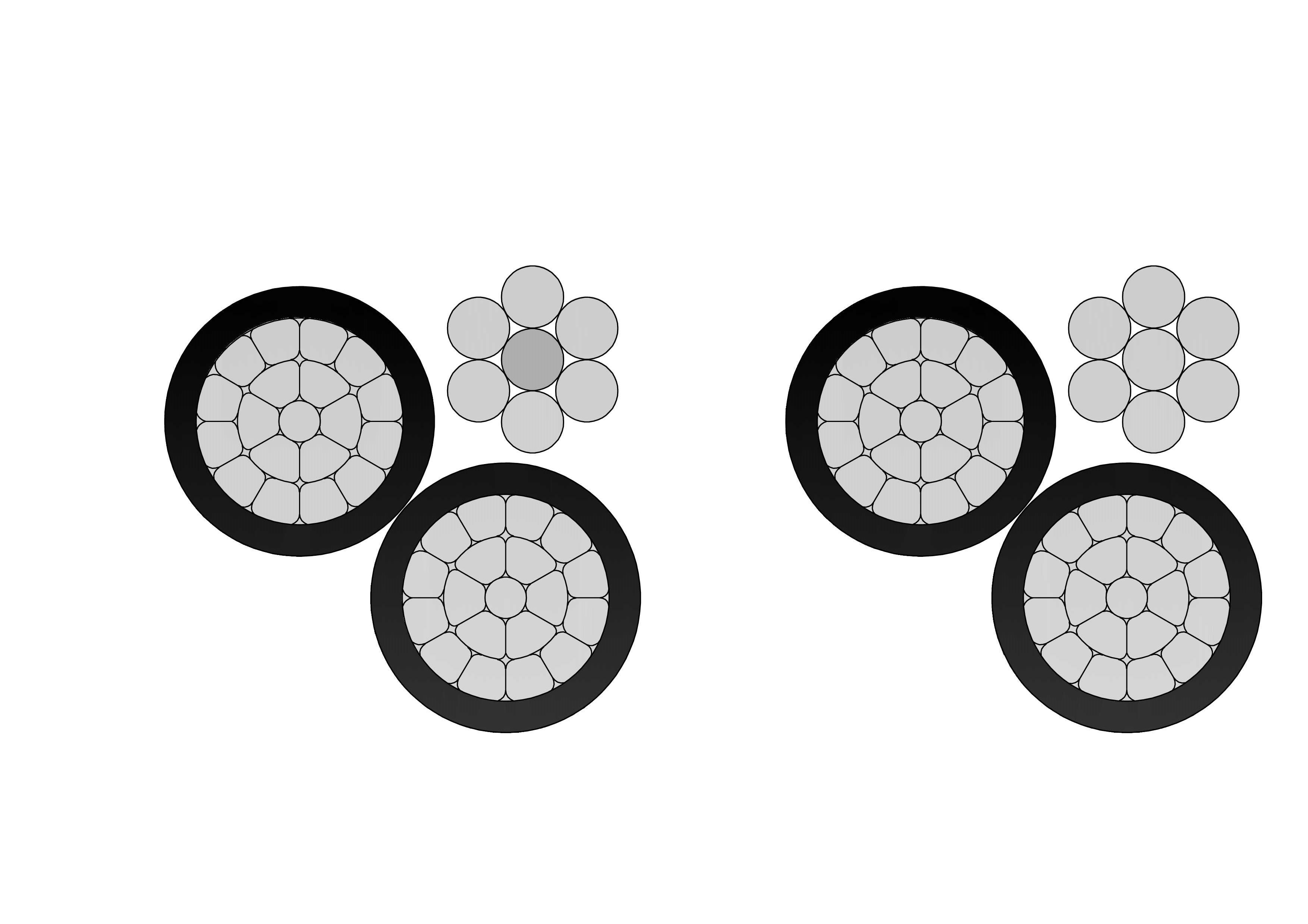
4 Crab Aluminum Conductor Triplex Overhead Service Drop Cable Wire
4 Crab Triplex Aluminum Overhead Service Drop Cable is designed for reliable utility power delivery from pole-mounted transformers to the service entrance at residential, commercial, or light industrial sites. It consists of two insulated phase conductors and a bare AAC (All-Aluminum Conductor) messenger serving as both a neutral and mechanical support. Built for overhead single-phase service drops, it operates at voltages up to 600V and is insulated with black cross-linked polyethylene (XLP) for enhanced durability against UV, abrasion, and moisture. The 4 Crab's robust yet flexible structure prevents sagging and ensures stable performance over time. Utilities and contractors appreciate its cost-effectiveness and low-maintenance profile. Elevate your electrical infrastructure with this reliable cable that combines innovation and durability for uninterrupted power supply.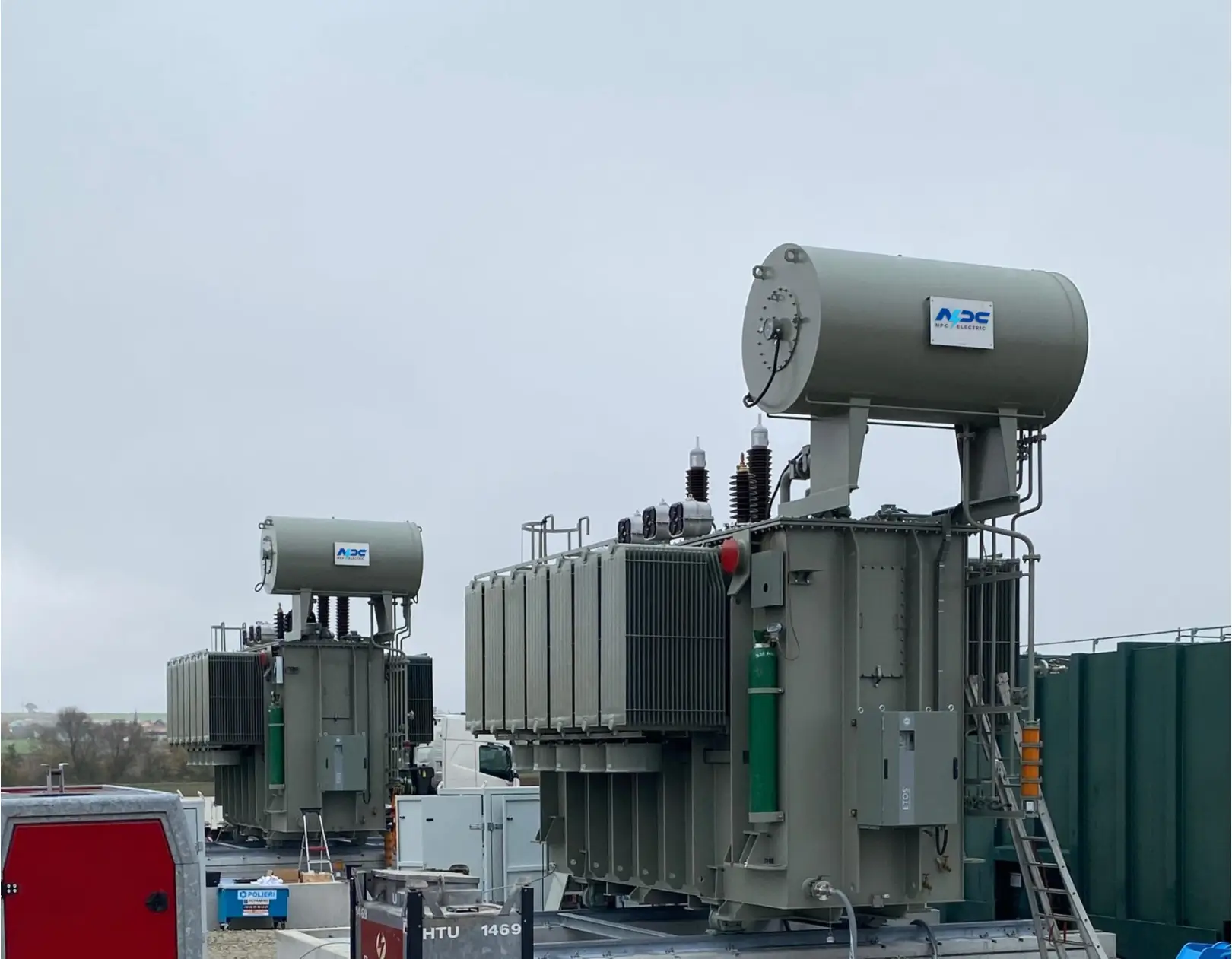
161kV 50MVA Two-Winding Power Transformer – Efficient Oil-Filled Design with OLTC
The 161kV 50MVA Two-Winding Power Transformer is engineered to deliver precise voltage control and stable power transfer in high-voltage transmission and substation networks. Featuring an oil-filled insulation system combined with an On-Load Tap Changer (OLTC), this transformer allows continuous voltage adjustment under load conditions without interrupting system operation. The electromagnetic design emphasizes low losses, high operational efficiency, and consistent performance across variable load profiles. Robust mechanical construction enhances resistance to thermal expansion and short-circuit forces, ensuring long-term reliability in demanding grid environments. Optimized oil circulation supports effective heat dissipation, contributing to extended service life and reduced maintenance requirements. This transformer is well suited for modern power systems where voltage stability, operational flexibility, and dependable energy transmission are critical.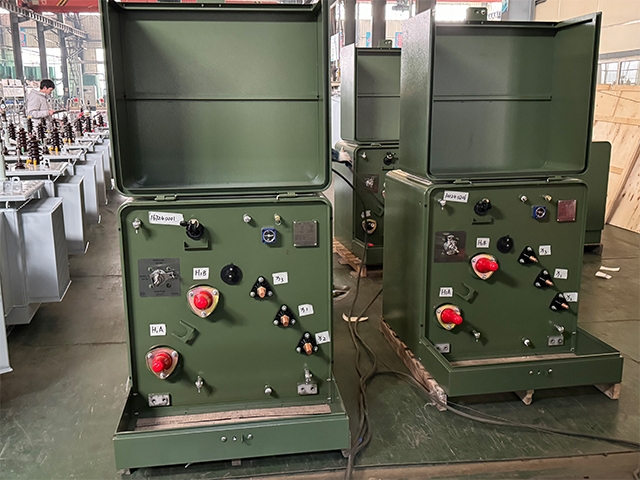
167kVA Single Phase Pad Mounted Transformer
The 167kVA single phase pad mounted transformer is engineered for higher-capacity underground residential and light commercial distribution, efficiently transforming primary voltages such as 12470GrdY/7200, 24940GrdY/14400, 34500GrdY/19920, or dual-voltage configurations to secondary 120/240V split-phase or 240V outputs. Constructed with premium grain-oriented silicon steel cores and aluminum or copper windings, it delivers exceptional energy efficiency and minimal losses while fully complying with DOE 2016 standards and IEEE/ANSI C57.12.34 specifications.
(N)TSCGEWOU 3.6/6kV, 6/10kV, 8.7/15kV and 12/20kV FO Cable
The (N)TSCGEWOU 3.6/6kV, 6/10kV, 8.7/15kV and 12/20kV FO Cable is a flexible, heavy-duty medium-voltage trailing/reeling cable with integrated fiber optic (FO) elements for combined power and high-speed data transmission in mining and tunneling. It features class 5 finely stranded tinned copper phase conductors for flexibility and corrosion resistance, semi-conductive screens, EPR insulation for superior dielectric strength and 90°C rating, copper braid screen for EMI protection and grounding, control conductors, monitoring conductor (ÜL), central or distributed multimode/single-mode fiber optic cores (protected in gel-filled tubes for water resistance and mechanical protection), and a tough rubber outer sheath resistant to oil, flame, abrasion, and mechanical stress. Compliant with DIN VDE 0250 and relevant IEC standards, it supports high tensile loads, fast reeling speeds, and tight bending radii while enabling real-time monitoring and communication. The (N)TSCGEWOU FO ensures safe, reliable MV power and data delivery to mobile equipment like shearers, tunnel boring machines, and smart conveyors in harsh underground environments.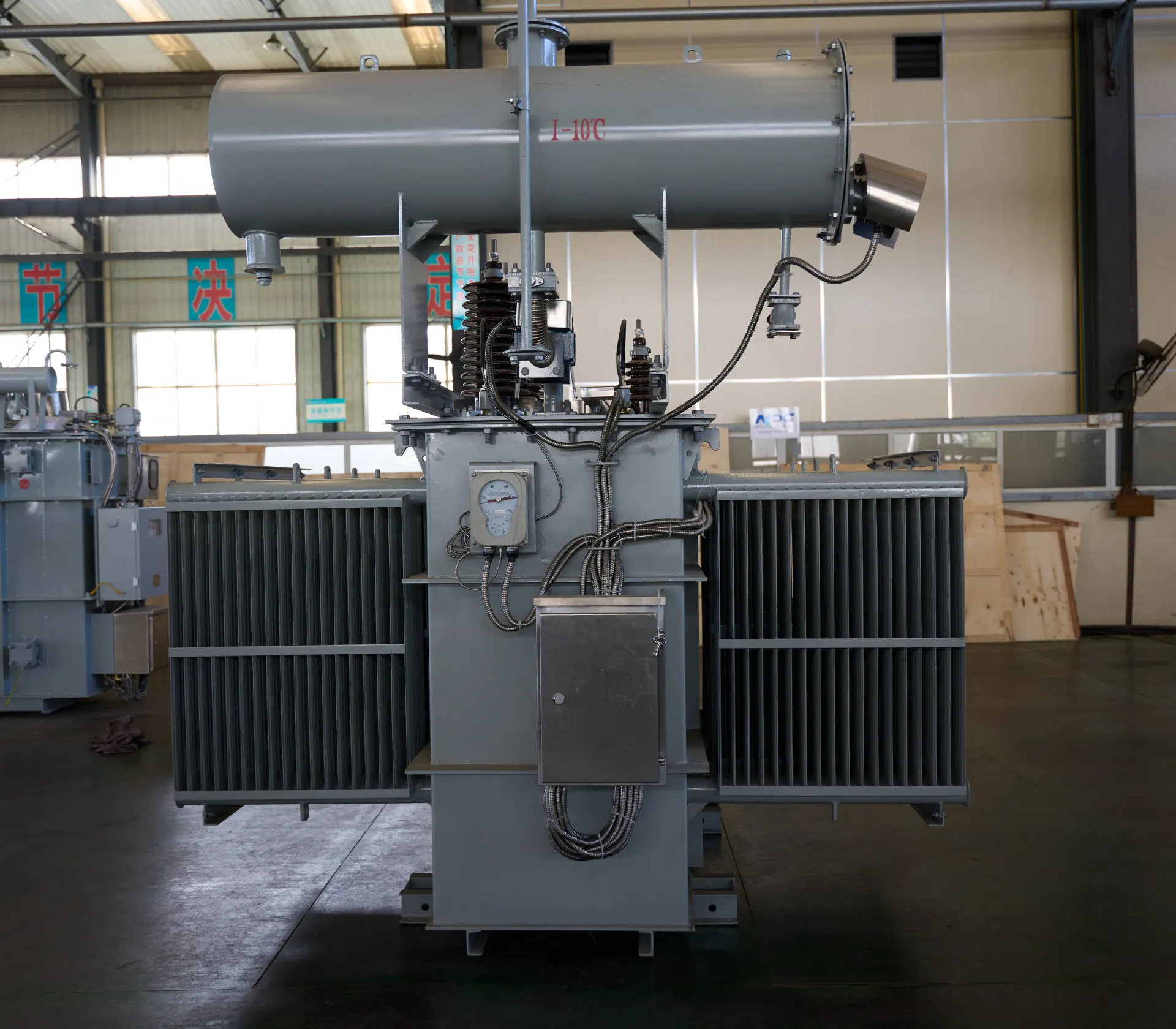
11/0.4kV 630kVA Oil-Immersed Power Transformer Distribution Type
Discover our premium 11/0.4kV 630kVA Oil-Immersed Power Transformer, engineered for superior high-efficiency distribution in modern electrical grids. This robust transformer features advanced silicon steel cores that minimize energy losses, ensuring up to 98% efficiency under full load. Ideal for urban and rural power networks, it incorporates eco-friendly insulating oil with high dielectric strength, providing reliable voltage step-down from 11kV to 0.4kV while handling demanding loads up to 630kVA. Built with corrosion-resistant tanks and precision-wound copper coils, this distribution transformer guarantees long-term durability, reduced maintenance, and compliance with international standards like IEC 60076. Whether for residential complexes, commercial facilities, or industrial applications, it optimizes power delivery, lowers operational costs, and supports sustainable energy practices. Experience unmatched performance with this high-efficiency oil-immersed transformer designed for seamless integration into your power system.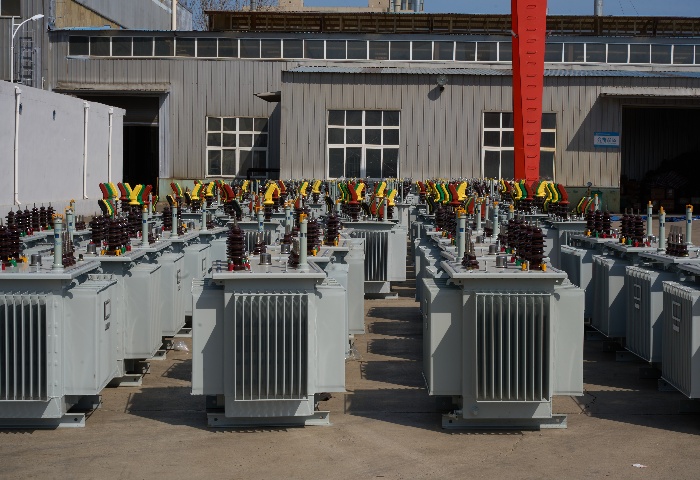
1000kVA Oil Immersed Transformer
NPC ELECTRIC's 1000kVA oil-immersed transformer is made of high-quality silicon steel sheets and high-quality insulation materials, with high efficiency, low loss, and long life. The product complies with international standards such as IEC 60076 and GB 1094, and has passed strict type tests and factory tests to ensure safety and reliability. High-quality windings and robust mechanical design provide strong short-circuit withstand capability and thermal stability. With low operating noise and reduced maintenance requirements, the transformer is well suited for industrial, commercial, and utility distribution networks.
XLPE-HDPE Tree Cable Aluminum 25kV 1x240mm²
Deliver uninterrupted power with the XLPE-HDPE Tree Cable Aluminum 25kV 1x240mm² – a premium medium-voltage cable designed for high-demand overhead distribution networks. Perfect for industrial areas, large urban grids, and major interconnection lines, this cable supports very high current capacity while maintaining reliable performance over long distances. Constructed with high-conductivity aluminum alloy 1350 wires in round compacted class 2 stranding, it ensures exceptional current-carrying efficiency and mechanical durability. Optional extruded semiconductor shielding enhances electrical stability in 15kV and 25kV applications. Choose the XLPE-HDPE 25kV Tree Cable 1x240mm² for a long-lasting, low-maintenance, and high-performance power solution that ensures safe, stable, and efficient electricity transmission across your network.Welcome your inquiry
Honesty, Integrity, Frugality, Activeness and Passion