Solar Energy and Energy Storage: Key Applications in Renewable Energy Projects
2025-12-15
1. The Importance of Solar Energy and Energy Storage
As the world continues its transition toward clean energy, solar power and energy storage have become integral components of modern renewable energy solutions. Solar energy, harnessed through solar panels and stored using advanced energy storage systems, provides a sustainable way to meet the world’s growing energy demands. This integration of solar energy and energy storage is especially vital in applications ranging from residential solar systems to large-scale utility-scale solar and storage projects.
However, solar energy's inherent intermittency—solar power is only generated during the day—poses challenges. The integration of solar transformers, solar cables, and storage solutions into energy systems is essential to store the excess energy produced during sunlight hours, making it available when needed. Energy storage solutions, such as batteries and thermal energy storage, help to address the need for backup power, ensuring reliable electricity generation at all times.
2. The Role of Solar Energy in Energy Storage Projects
Solar energy is increasingly being integrated into energy storage systems to provide reliable power, even when the sun isn’t shining. Here’s how solar energy works within energy storage systems:
a. Solar Plus Storage Systems
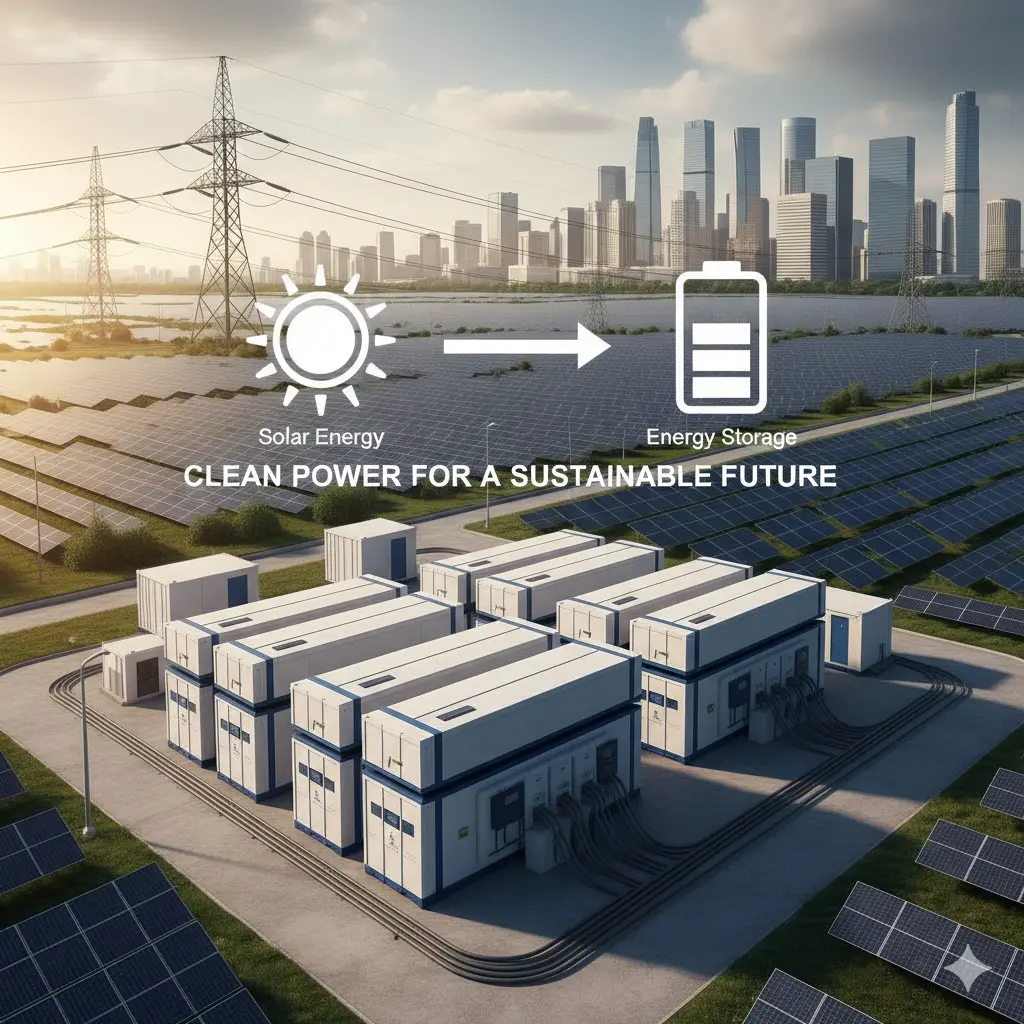
A solar plus storage system involves pairing solar panels with a storage solution, such as a battery or thermal storage. The solar system generates electricity during the day, and excess energy is stored in batteries or other storage mediums. This stored energy is used at night or during cloudy days, providing a continuous and reliable energy supply. The solar transformer plays a critical role in stepping up the generated power’s voltage, enabling it to be safely stored or distributed.
b. Short-Term and Long-Term Storage
For short-term storage, batteries are typically used to store solar energy generated throughout the day for use in the evening or during periods of peak demand. This kind of backup power is vital in residential solar systems, ensuring homeowners have access to clean, reliable power even when the solar system isn’t generating electricity.
Long-term storage solutions, such as thermal energy storage (TES), store energy for extended periods. TES systems store heat generated from solar energy during the day and release it during the night or colder months, making them ideal for utility-scale solar power plants or industrial applications where energy demand remains high throughout the year.
c. The Role of Solar Cables and Transformers in Energy Storage
Solar transformers and solar cables are essential components in the functioning of solar and energy storage systems. Solar transformers step up or step down the voltage produced by solar panels, enabling it to be stored in batteries or supplied directly to the grid. The solar cable carries the electrical current from the solar panels to the energy storage system, ensuring safe and efficient power transfer throughout the system.
3. Applications of Solar Energy in Energy Storage Projects
Solar energy and energy storage systems are becoming increasingly popular in various sectors, each benefiting from the synergy between solar power generation and energy storage solutions.
a. Residential Solar Systems
For residential solar installations, solar plus storage systems provide homeowners with a reliable backup power source. Solar panels generate electricity during the day, and the excess energy is stored in batteries for use during the night or on cloudy days. This self-sufficiency reduces dependence on the grid and lowers electricity costs. As solar installs increase, the demand for integrated energy storage systems continues to grow, making solar energy more accessible and reliable.
b. Commercial and Industrial Applications
Large commercial and industrial applications also benefit from solar and energy storage integration. With utility-scale solar systems, the excess energy generated during the day is stored for later use during peak demand hours. In this way, businesses can reduce their reliance on traditional grid power and lower energy costs, while also improving their sustainability efforts.
c. Utility-Scale Solar and Energy Storage
In utility-scale solar projects, solar energy is integrated with large-scale energy storage systems to help stabilize the grid and provide power during periods of high demand. These systems are essential for power plants, as they allow for the storage and dispatch of solar energy to meet peak electricity demands. Solar energy storage solutions help provide consistent power while mitigating the impact of intermittent energy generation.
d. Renewable Energy Integration
The integration of solar power with energy storage systems is crucial in renewable energy projects. By combining solar with energy storage, renewable energy becomes more reliable and sustainable, meeting the fluctuating energy demands of modern grids. As the demand for clean energy continues to grow globally, solar and energy storage systems will be vital to the success of smart grids and other advanced power systems.
4. Future Trends and Advancements in Solar and Energy Storage Technologies
The future of solar energy and energy storage is focused on improving efficiency, reducing costs, and enabling greater energy independence. Some key trends and advancements include:
a. Enhanced Battery Technologies
As battery technology continues to improve, more efficient and cost-effective storage solutions are being developed. Lithium-ion batteries are widely used in solar and energy storage systems, but innovations in solid-state and flow batteries promise even better performance and longer lifespans.
b. Grid Integration and Smart Grids
The integration of solar and energy storage systems with smart grids will enhance the reliability of renewable energy. Smart grids can dynamically balance energy supply and demand, enabling solar power to be seamlessly integrated into national and international energy grids.
c. Eco-Friendly Innovations
As the world shifts toward a greener economy, the demand for eco-friendly solar and energy storage solutions is rising. Sustainable materials for batteries and solar transformers are being explored, and carbon footprint reduction is becoming a critical focus for solar developers and manufacturers.
FAQs:
1. What is a solar energy and energy storage system?
Answer: A solar energy and energy storage system combines solar panels with a storage solution, such as batteries, to store excess energy generated during the day. This stored energy can then be used during the night or when solar power generation is low, ensuring a continuous and reliable power supply for homes, businesses, or utility-scale projects.
2. How does solar energy contribute to energy storage solutions?
Answer: Solar energy plays a crucial role in energy storage by providing renewable power that can be stored in batteries or other storage systems. Solar panels generate electricity from sunlight, and solar transformers step up the voltage for efficient storage. This stored energy is then available when needed, reducing reliance on grid power and enhancing energy independence for both residential and commercial users.
3. What are the benefits of combining solar energy with energy storage?
Answer: Combining solar energy with energy storage offers several benefits:
- Reliability: Ensures a continuous power supply even when solar generation is low or unavailable.
- Cost Savings: Reduces electricity bills by storing excess power and using it during peak hours.
- Sustainability: Reduces reliance on non-renewable energy sources, contributing to a greener, cleaner energy system.
- Backup Power: Provides a reliable backup power solution for homes and businesses in case of grid outages.
4. What is the role of solar transformers in energy storage systems?
Answer: Solar transformers are essential in solar energy systems for converting the electrical output from solar panels into a usable voltage for both storage and distribution. These transformers ensure that the high-voltage AC produced by solar systems is either stepped down for local use or stepped up for grid connection. Their role in energy storage is critical for efficient and safe power transfer to storage systems like batteries.
5. How do solar energy systems help in large-scale energy storage projects?
Answer: In utility-scale solar projects, solar energy systems paired with large-scale energy storage solutions ensure that the energy produced during the day can be stored and dispatched when demand peaks. These systems help stabilize the grid by storing excess energy and releasing it during high-demand periods, making solar plus storage a vital component of modern renewable energy infrastructure.
6. Are solar energy and storage solutions cost-effective?
Answer: Yes, while the initial cost of solar and energy storage systems may be higher, the long-term savings are significant. Over time, these systems reduce electricity bills, provide energy independence, and offer a reliable power source. Advancements in battery technology and the decreasing cost of solar panel installations are making these systems more affordable and accessible for both residential and commercial applications.
7. What types of energy storage systems are commonly used with solar power?
Answer: Common energy storage solutions used with solar power include:
- Lithium-ion batteries: Known for their high efficiency and compact size, they are ideal for residential and commercial applications.
- Lead-acid batteries: Cost-effective but have a shorter lifespan and lower efficiency compared to lithium-ion.
- Thermal energy storage (TES): Used in large-scale solar plants, where heat generated during the day is stored and used at night.
- Flow batteries: A promising solution for large-scale, long-duration storage.
8. How can solar plus storage systems contribute to smart grids?
Answer: Solar plus storage systems play an essential role in smart grids by enabling real-time monitoring and management of energy usage. These systems can store energy during times of low demand and release it during peak times, improving grid stability and reducing the need for fossil-fuel-based power. Smart grid integration allows for better energy distribution, predictive maintenance, and optimization of the overall energy flow.

Related Articles
Related Products
High Voltage 160kV Step-Up Power Transformer: Efficient 20MVA / 30MVA / 60MVA Solutions for Substations
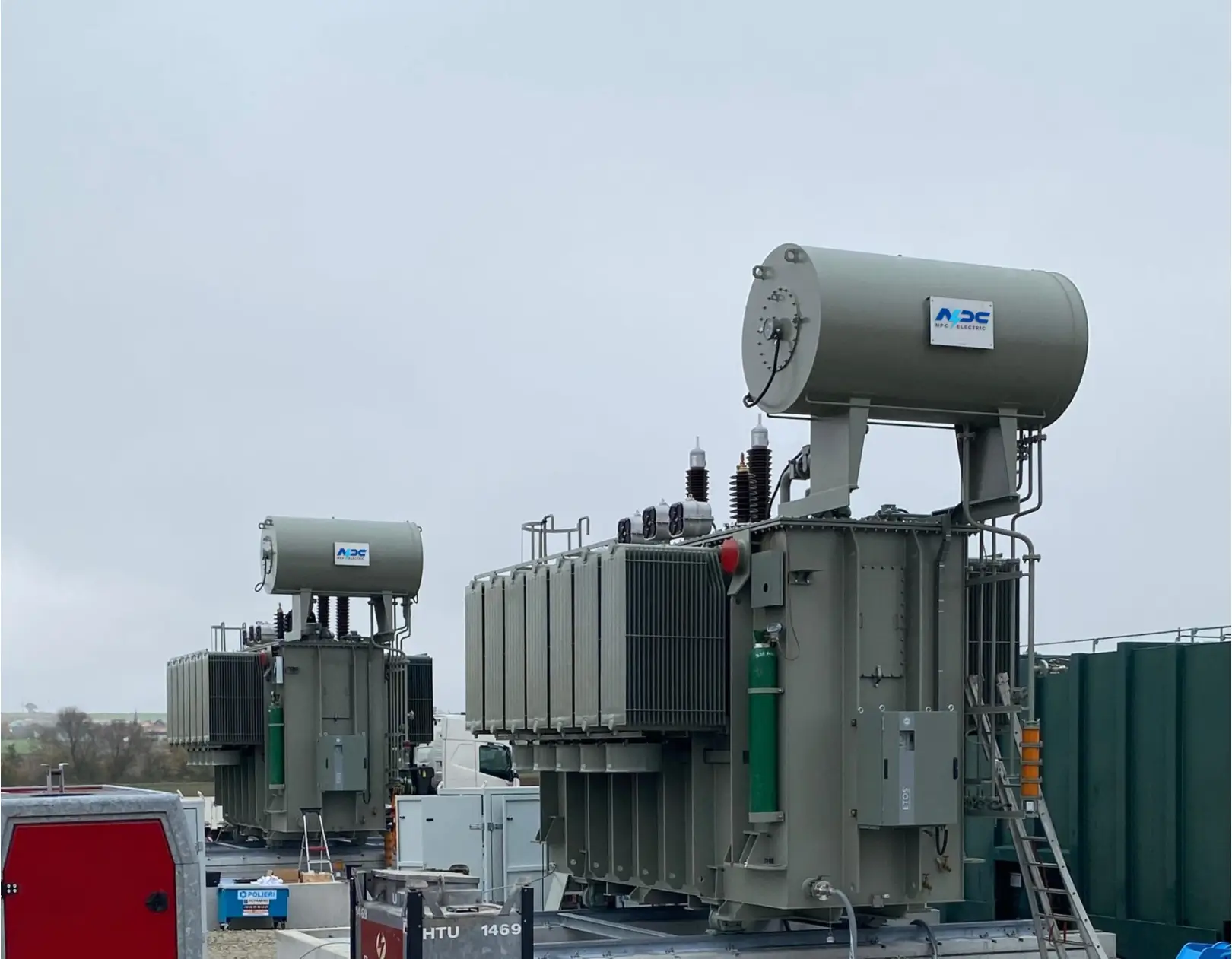
The 160kV High Voltage Step-Up Power Transformer is designed to increase voltage levels efficiently for power generation plants and substation applications. Available in 20MVA, 30MVA, and 60MVA ratings, it supports stable energy transmission from generation sources to high-voltage networks. The transformer adopts a carefully optimized electromagnetic design that enhances voltage conversion efficiency while maintaining controlled thermal and electrical performance. Its oil-immersed insulation system ensures reliable cooling and long-term insulation stability under continuous operating conditions. The structural design emphasizes mechanical strength and operational safety, enabling dependable performance in outdoor substations and demanding grid environments. This step-up transformer is well suited for modern power systems that require efficient voltage elevation, reduced transmission losses, and consistent operational reliability.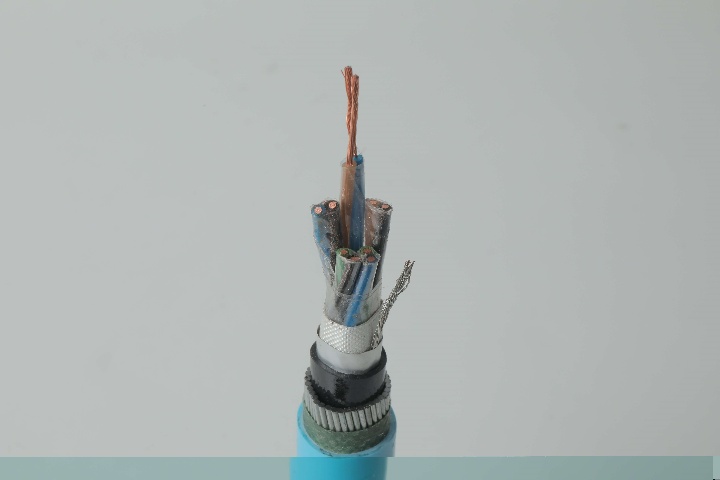
Instrumentation Cables—PVC Insulated,Individual &Overall Screened, Wire Armoured PVC Sheathed Cables(CU/PVC/IOSCR/SWA/PVC)
Instrumentation Cables are multi-conductor cables that carry and transport low-voltage electrical signals. These low-voltage signals are used to control and monitor electrical power systems. Instrumentation cables have many different industrial applications that include broadcasting, equipment control, such as drilling and pumping in the oil and gas industry, and data transfer, which includes analog and digital signals. They are manufactured according to the BS EN 50288-7 and BS EN 50288-1 standards to ensure quality. Depending on the application, instrumentation cables can be insulated with PVC or XLPE; the cables can be armoured or unarmoured. The sheathing materials can be of PVC, LSZH, or PE. The cables can have additional flame retardant or flame retardant properties, and they can be manufactured with special protections such as lead sheaths, or DRYLAM or AIRBAG technology.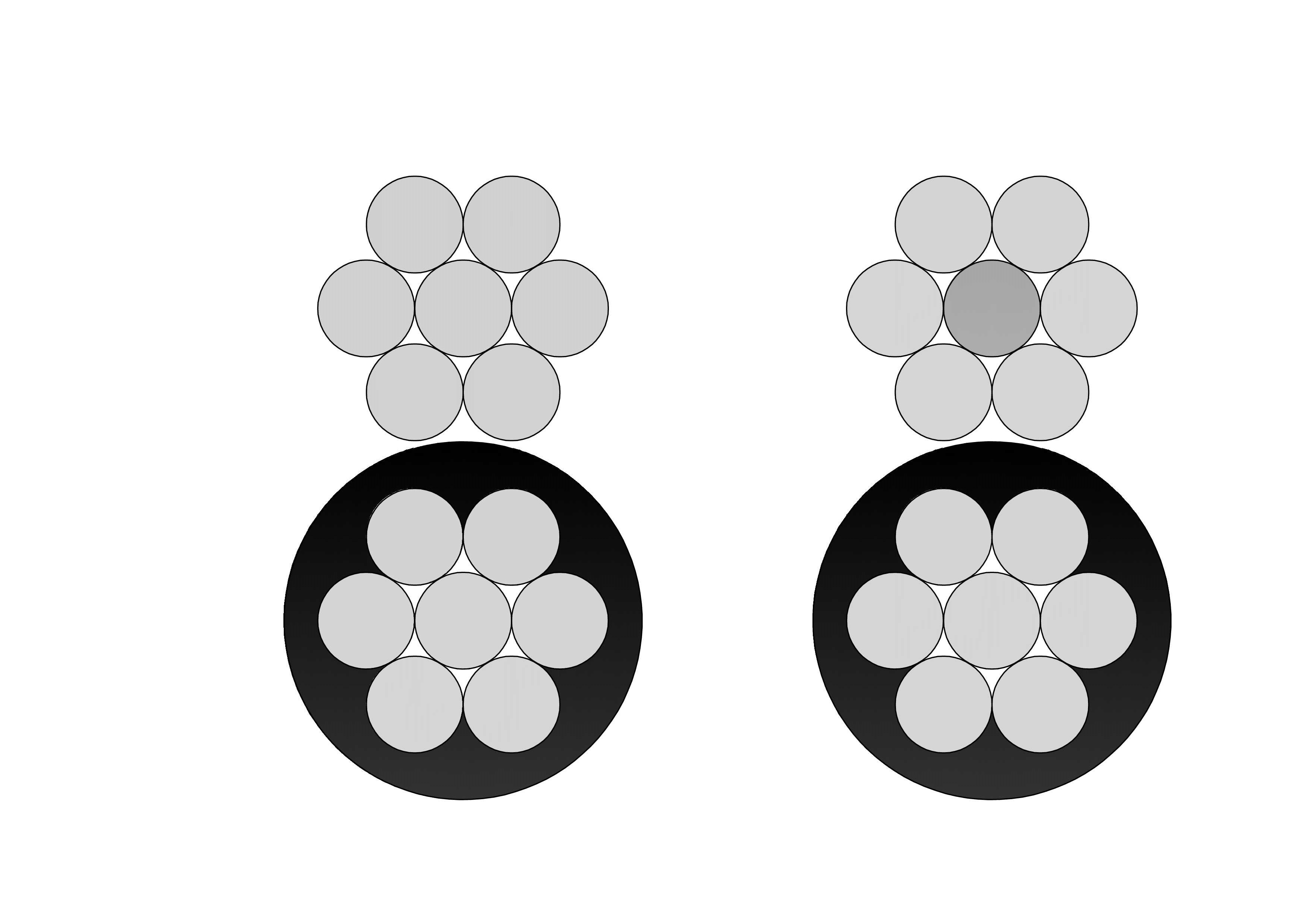
2 Schnauzer Aluminum Conductor Duplex Overhead Service Drop Cable
2 Schnauzer Aluminum Conductor Duplex Overhead Service Drop Cable is designed for reliable secondary overhead power delivery from utility distribution lines to residential and light commercial service entrances. The duplex construction consists of two concentrically stranded aluminum conductors, commonly used as a phase conductor and a neutral messenger, providing both electrical transmission and mechanical support. The No. 2 Schnauzer conductor size offers a practical balance between current-carrying capacity and tensile strength, ensuring controlled sag for short- to medium-span service drop installations. Aluminum conductors provide lightweight handling, excellent corrosion resistance, and simplified installation in outdoor environments. Manufactured in accordance with ASTM standards and utility specifications, the 2 Schnauzer Aluminum Conductor Duplex Overhead Service Drop Cable delivers uniform stranding, stable conductivity, and dependable long-term performance. It is widely selected by utilities and contractors seeking a durable, cost-effective solution for overhead service drop applications.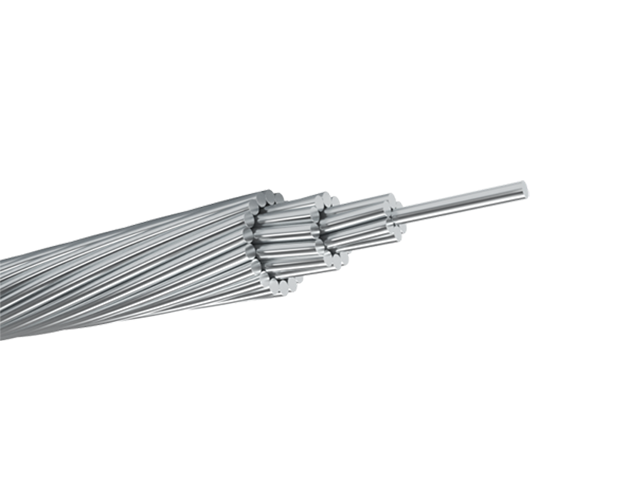
ALL ALUMINUM ALLOY CONDUCTORS(AAAC)
All Aluminum alloy (ALMELEC) electrical wire conductors are made from high-strength Aluminum-Magnesium-Silicon alloy. These conductors boast a superior strength-to-weight ratio compared to standard AAC, allowing for longer spans and reduced support structures in challenging terrains. Their improved sag characteristics minimize clearance issues, while excellent corrosion resistance extends service life in aggressive environments like marine or polluted zones. Electrically, AAAC offers lower power losses and better conductivity, optimizing energy efficiency in distribution networks. Manufactured to standards such as IEC 61089 and ASTM B399, they feature concentric stranding for mechanical stability and ease of installation with simpler fittings than ACSR. Versatile in size from small distribution lines to high-voltage transmission, AAAC supports applications on poles, towers, and substations. By reducing maintenance and enhancing reliability, these conductors provide a sustainable, cost-efficient alternative for modern power infrastructure, contributing to greener energy systems worldwide. Their lightweight design also facilitates easier handling during setup.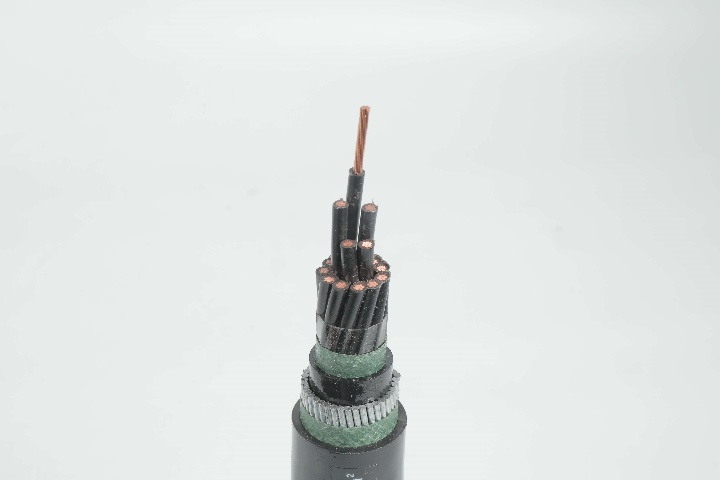
Control Cable 0.6/1 kV CVV to IEC 60502 Standard (2-30 core)
NPC Electric Control Cable 0.6/1 kV CVV to IEC 60502 Standard (2-30 core) is engineered for superior performance in demanding electrical control applications. Featuring concentric stranded copper conductors for excellent conductivity and flexibility, this cable is insulated with high-quality PVC in black, ensuring robust protection against environmental factors. Cores are identified with printed white numbers on black insulation for easy installation and maintenance. A PVC inner sheath and outer jacket provide additional mechanical strength and flame retardancy, making it suitable for indoor, outdoor, duct, and underground setups. Compliant with IEC 60502, it supports voltages up to 1 kV and operates in temperatures from -15°C to 70°C. This cable excels in control circuits, instrumentation, and auxiliary power systems, minimizing signal interference and ensuring data integrity. Available in 2 to 30 cores, it offers customization for specific project needs. Manufactured with precision, it reduces downtime and enhances system efficiency in industrial environments. Choose this CVV cable for long-lasting reliability, backed by rigorous quality testing and international standards.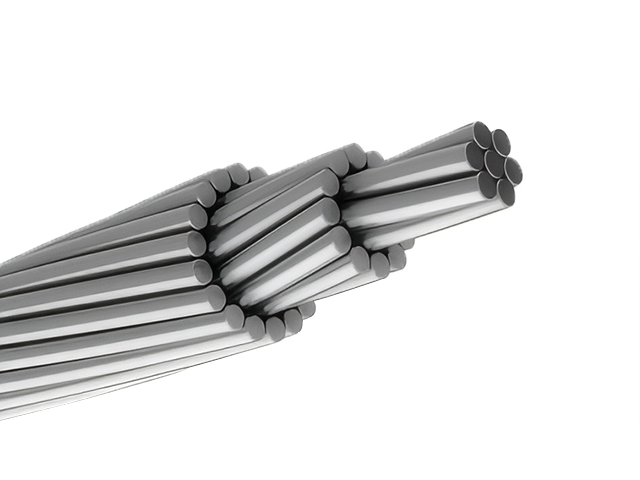
795 MCM DRAKE ACSR Conductor Cable
The ACSR CAA 795 MCM 26/7F DRAKE is a widely used, high-capacity overhead conductor designed for power transmission and distribution systems. It features a rugged construction of 26 hard-drawn 1350-H19 aluminium wires wrapped around 7 galvanized steel strands, forming a strong and conductive concentrically stranded cable. Built to ASTM B232 specifications, this conductor delivers excellent electrical performance, while its steel-reinforced core offers the mechanical strength needed for long-span installations. The steel strands are galvanized to Class A or B, providing reliable corrosion resistance in outdoor environments. With its proven design and high load-handling capabilities, the DRAKE configuration is commonly used across utility networks, particularly for high-voltage transmission lines where strength, conductivity, and longevity are critical. The aluminum 1350-H19 provides excellent corrosion resistance and low electrical resistance (0.0223 Ω/1000ft at 20°C), while the steel enhances sag control over long spans. Suitable for voltages up to 230kV in distribution lines, the 795 MCM Drake ACSR Conductor Cable minimizes line losses and withstands harsh weather, including wind and ice loading.
230kV 3-Phase Step-Down Power Transformer
The 230kV 3-Phase Step-Down Power Transformer is designed to reduce high transmission voltages to suitable distribution levels while maintaining excellent efficiency and operational stability. Engineered for utility substations and large-scale grid interfaces, this transformer ensures safe and controlled power delivery from high-voltage networks to regional or industrial distribution systems. Its oil-immersed insulation system provides strong dielectric protection and efficient thermal dissipation, enabling reliable continuous operation under varying load conditions. Precision core construction and optimized winding layout help minimize energy losses and voltage fluctuation. The transformer’s robust mechanical design enhances resistance to short-circuit forces and thermal stress, supporting long service life and low maintenance. This solution is ideal for modern power grids requiring dependable voltage transformation and efficient energy management.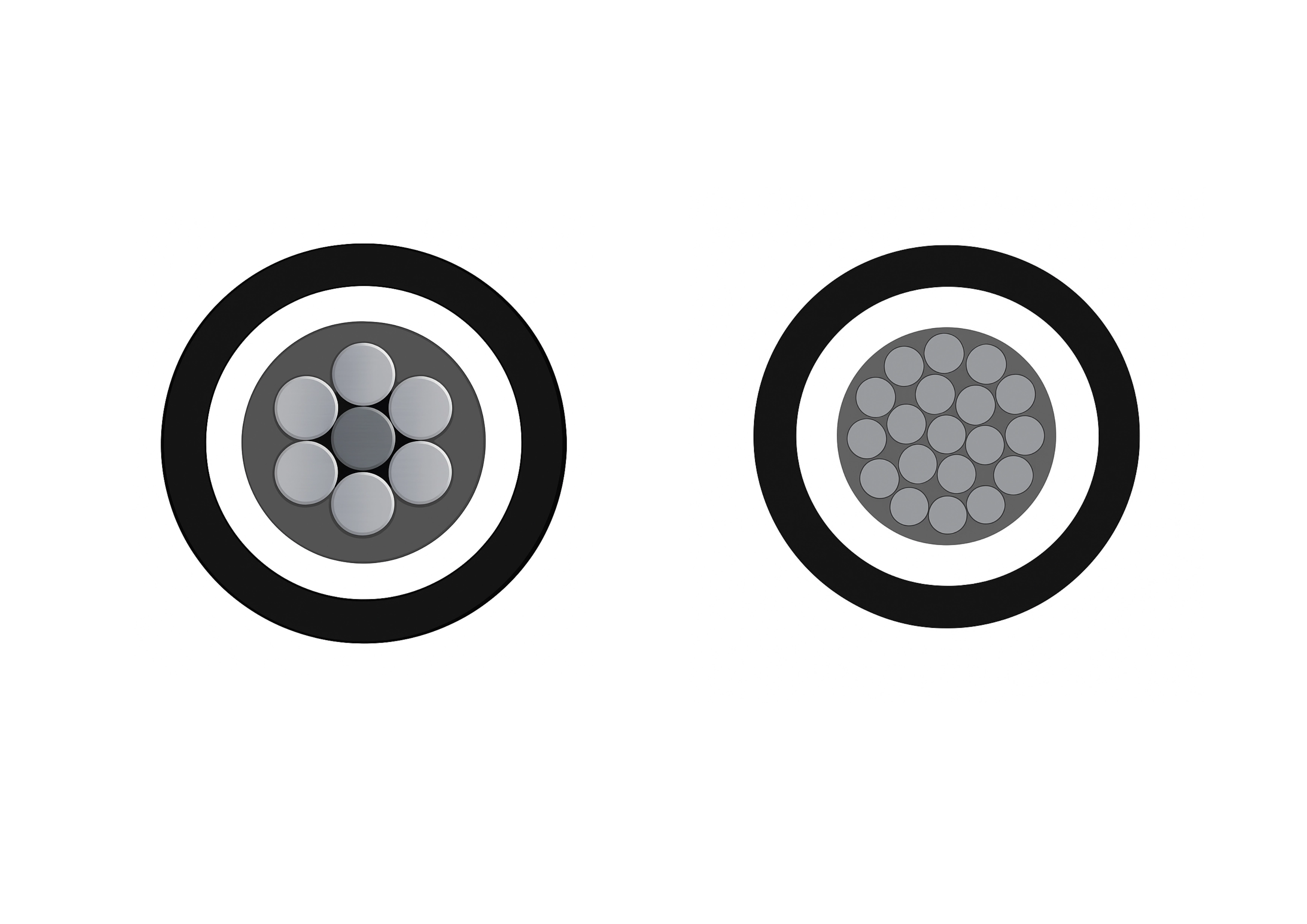
XLPE-HDPE Tree Cable Aluminum 25kV 1x185mm²
Power your network with confidence using the XLPE-HDPE Tree Cable Aluminum 25kV 1x185mm² – a high-performance medium-voltage cable engineered for demanding overhead distribution systems. Whether it’s industrial zones, main feeder lines, or expansive urban and rural networks, this cable delivers reliable, efficient, and uninterrupted power where you need it most. Built with high-conductivity aluminum alloy 1350 wires and compact class 2 stranding, it guarantees optimal current flow and mechanical strength. Optional semiconductor shielding enhances electrical stability for 15kV and 25kV networks, making it a dependable choice for modern power infrastructure. The XLPE inner insulation withstands 90°C continuous operation, while the robust HDPE outer jacket offers exceptional resistance to weather, UV exposure, mechanical abrasion, and electrical sparking. Available in gray with ASTM B230 markings and sequential metering, or blue for extra spark resistance in harsher environments, this cable is designed to perform under pressure.
4 Dachshund Aluminum Conductor Duplex Overhead Service Drop Cable
4 Dachshund Duplex Service Drop Cable is a durable overhead cable for secondary power distribution to residential service entrances. Featuring two 4 AWG aluminum conductors (phase and neutral, 7-strand) insulated with XLPE or PE and assembled in duplex configuration, it provides excellent weather resistance and mechanical strength. Compliant with ASTM B-230, B-231, ICEA S-76-474, and ANSI/ICEA standards, this cable supports 600V applications with high UV, moisture, and abrasion protection. The self-supporting design simplifies installation with reduced sag over spans up to 100 feet. The 4 Dachshund Duplex Service Drop Cable ensures low power losses, reliable performance in harsh outdoor conditions, and long service life. Lightweight and flexible, it is widely used for single-phase service drops in urban, suburban, and rural areas requiring safe, cost-effective aerial connections from utility poles to homes.
37.5kVA Conventional Type Single Phase Pole Mounted Transformer
37.5kVA Conventional Type Single Phase pole Mounted transformer has a rated capacity range from 10 kVA to 333 kVA, and complies with ANSI, IEEE, CSA, IEC60076 and other standards, ensuring safety, stability, and efficiency, allowing you to reduce operating costs. Our products have been widely exported to markets such as North America, Central and South America, and Southeast Asia. With rich experience, we provide comprehensive technical support and services. Key specifications include mineral oil insulation (ONAN cooling), aluminum or copper windings, primary voltages 2.4kV–34.5kV grounded wye or delta (common: 7200/12470GrdY, 7620/13200GrdY, 12470GrdY/7200, 24940GrdY/14400, 34500GrdY/19920), secondary 120/240V or 240/120V split-phase, BIL ratings 95–150kV HV / 30kV LV, impedance typically 2.0–4.0%, ±2×2.5% or 5-position tap changer, conventional or CSP (completely self-protected) configurations with internal fuses, lightning arresters, weak-link protection, pressure relief valve, oil sight gauge, and standard ANSI 70 gray tank finish. Efficiency typically reaches 99.01–99.05%+, with low sound levels and corrosion-resistant features for long-term outdoor durability.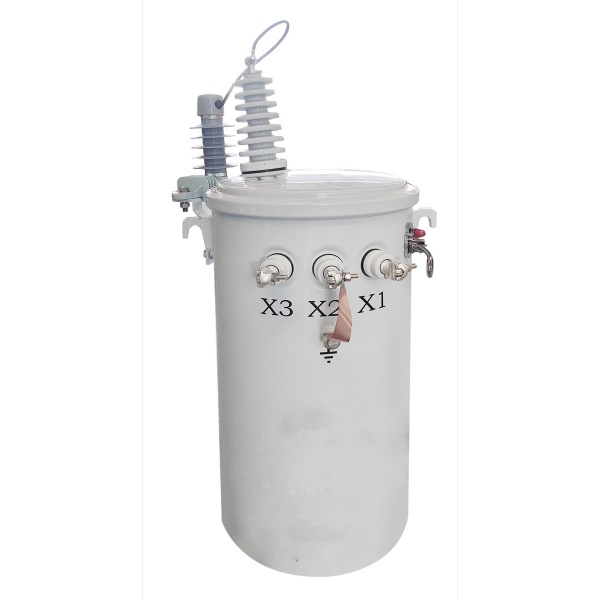
37.5kVA Completely self-protected(CSP) Single Phase Pole Mounted Transformer
37.5kVA Completely self-protected(CSP) Single Phase pole Mounted transformer is an efficient and reliable power equipment designed to provide a stable single-phase power supply. The transformer adopts fully self-protection technology and has built-in multiple protection functions such as overload, short circuit, and overvoltage to ensure that the transformer automatically cuts off the power supply under abnormal conditions, effectively avoiding equipment damage and ensuring the safe operation of the system.
Type 409 Flexible Copper Screened Mining Cable With Central Pilot
The Type 409 Flexible Copper Screened Mining Cable with Central Pilot is a heavy-duty flexible cable engineered for reliable and safe underground mining operations. It features finely stranded tinned copper conductors (class 5) for excellent flexibility and corrosion resistance, EPR (ethylene propylene rubber) insulation for superior dielectric strength and 90°C continuous thermal rating, an overall tinned copper braid screen providing effective EMI protection and grounding, a central pilot core for earth continuity monitoring, safety interlocks, and fault detection, and an extra-heavy-duty flame-retardant rubber outer sheath resistant to oil, abrasion, tearing, crushing, impact, and chemicals. Compliant with AS/NZS 2802 and mining safety standards, it supports high tensile loads, frequent reeling/drag, tight bending radii, and reliable performance in wet, dusty, and hazardous mine conditions. The Type 409 is ideal for power supply to continuous miners, shuttle cars, longwall equipment, drills, and other mobile machinery in coal and metalliferous mines, ensuring enhanced safety through pilot core monitoring and maximum durability.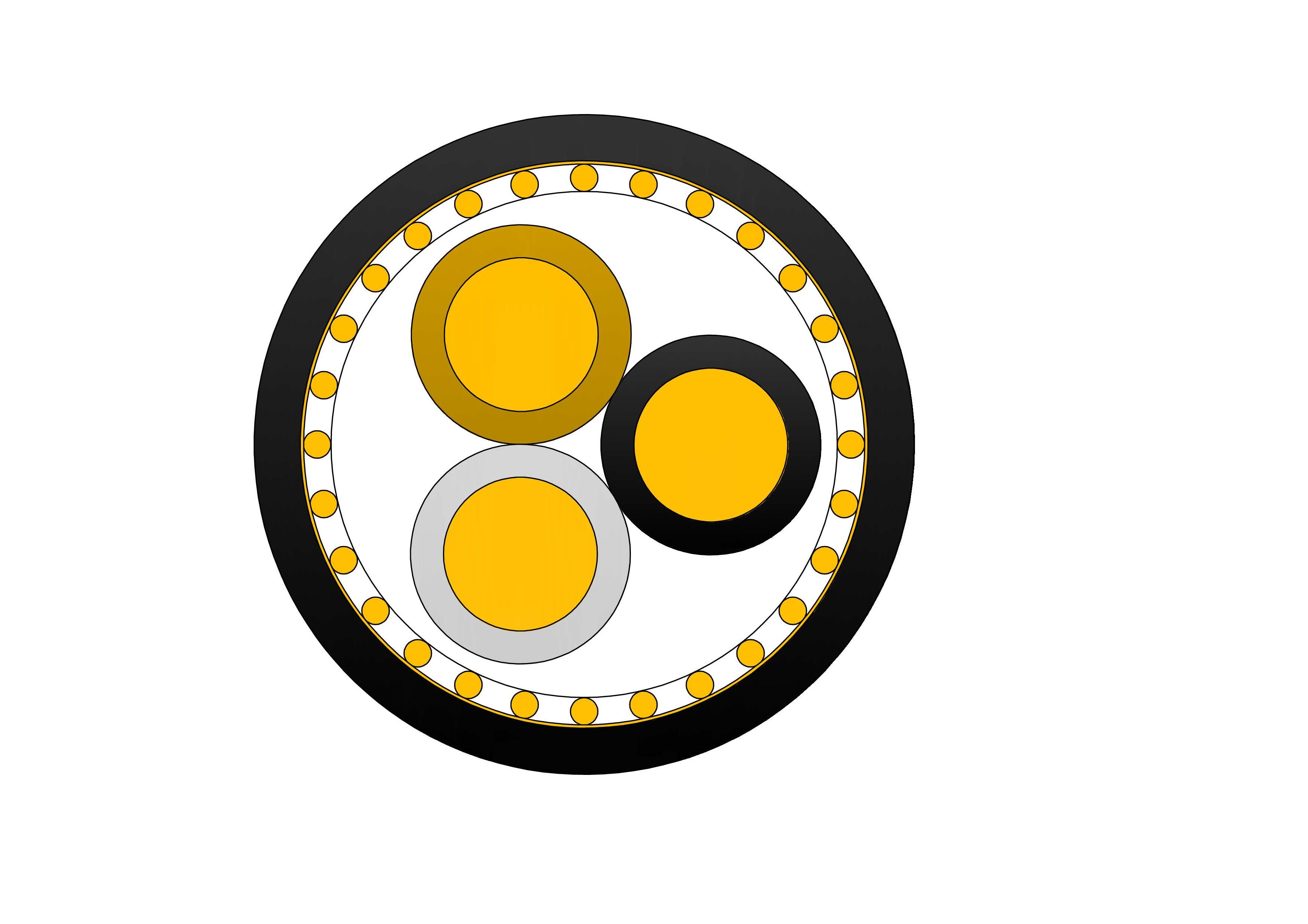
NYCY 0.6/1kV Low Voltage Power Cable
NYCY 0.6/1kV are low-voltage power cables designed according to VDE 0276 standard, suitable for fixed installation in indoor, outdoor, underground, cable ducts, or concrete (not exposed to mechanical vibration). Featuring stranded copper conductors, PVC insulation, filler, concentric copper wire screen with counter-helix tape, and robust PVC outer sheath, it complies with VDE 0276-603 and IEC standards. The concentric screen serves as neutral/earth conductor and provides excellent EMI shielding, reducing interference in sensitive areas. Suitable for direct burial, ducts, or indoor fixed installations, it offers good mechanical strength, moisture resistance, and flame-retardant properties. Copper conductors ensure low losses and high current capacity. The NYCY 0.6/1kV Low Voltage Power Cable delivers long service life with minimal maintenance, making it ideal for industrial plants, commercial buildings, residential networks, and infrastructure projects requiring screened, efficient low-voltage copper cabling for safe and interference-free energy transmission worldwide.
Type 210 Flexible Rubber Mining Cable
The Type 210 Flexible Rubber Mining Cable is a 1.1kV medium-voltage cable engineered for mining handheld drills and boring machines. It features flexible stranded tinned annealed copper conductors, EPR insulation, and a composite copper/polyester screen for improved electrical shielding. The heavy-duty PCP sheath offers oil resistance, abrasion protection, and flame retardancy, ensuring durability in harsh underground conditions. Compliant with AS/NZS 2802 and related standards, this cable delivers long-lasting performance in demanding environments requiring high flexibility and mechanical strength.
15kVA Completely self-protected(CSP) Single Phase Pole Mounted Transformer
NPC ELECTRIC the production of 15 kVA single-phase overhead transformers, meticulously engineered to meet international standards such as IEEE C57.12.00, IEEE C57.12.20, DOE-2016 Efficiency, CSA C2.1, and CSA C2.2. These certifications underscore to delivery products that are both safe and reliable. NPC electric transformers are designed to comply with the DOE 2016 efficiency standards, ensuring optimal energy efficiency and reduced operational costs. Understanding the diverse needs of our clients, NPC Electric offers a wide range of customizable voltage levels to suit various applications. Perfect manufacturing processes enable us to maintain short production cycles, ensuring timely delivery.Welcome your inquiry
Honesty, Integrity, Frugality, Activeness and Passion