
Global Transformer Industry Insights 2025
2026-01-08
The global transformer industry entered a decisive phase in 2025. Power transformers, distribution transformers, and specialty transformers became critical bottlenecks for grid expansion, renewable energy integration, and data center electrification—particularly in North America and Europe.
While demand surged across all voltage levels, supply remained structurally constrained due to long manufacturing cycles, limited skilled labor, and concentrated production capacity. As a result, 2025 was defined not only by record investment and consolidation among major manufacturers but also by a fundamental shift in procurement strategies, technology priorities, and supplier selection criteria.
1. Transformer Supply Constraints Became a Strategic Risk
Across the U.S. and Europe, delivery lead times for large power transformers extended to 24–48 months, far beyond pre-2020 norms. Utilities increasingly recognize transformers not as standard equipment, but as strategic assets that can delay or accelerate entire projects.
Client insight:
- Early procurement and framework agreements are now essential.
- Transformer availability must be addressed at the planning stage, not during execution.
- Supplier diversification has shifted from “cost optimization” to risk management.
2. Siemens Energy Reinforced Europe’s Local Manufacturing Base
Siemens Energy’s €220 million expansion of its Nuremberg transformer plant signaled a strong commitment to European industrial resilience. By increasing capacity by 50%, Siemens aims to secure supply for grid reinforcement and offshore wind integration.
What this means for customers:
- European buyers value local production, regulatory compliance, and lifecycle service support more than ever.
- However, even with expansion, European capacity alone will not fully meet demand before 2027.
3. Hitachi Energy Accelerated Capacity Expansion in North America
Hitachi Energy’s major investments in Canada (Varennes) and the United States (Virginia) represent one of the most aggressive capacity expansion strategies in the industry.
Customer implications:
- North American utilities gain improved access to high-voltage and HVDC transformers.
- Local manufacturing reduces exposure to geopolitical risk and logistics delays.
- Standardized platforms (e.g., TrafoStar™) support faster engineering and delivery.
4. GE Vernova Prioritized Grid Equipment in U.S. Reindustrialization
GE Vernova’s multi-hundred-million-dollar investment in U.S. grid manufacturing aligns with federal infrastructure and clean energy policies. While transformers are part of a broader portfolio, the move strengthens the overall grid equipment ecosystem.
Customer takeaway:
- Integrated suppliers with strong domestic footprints are increasingly favored.
- Grid modernization projects benefit from suppliers capable of delivering systems, not just equipment.
5. Industry Consolidation Accelerated: GE Vernova + Prolec GE
GE Vernova’s acquisition of Prolec GE transformed it into a fully integrated transformer manufacturer across North America.
Why this matters:
- Consolidation improves short-term capacity availability.
- Fewer but larger suppliers may reduce price competition but improve delivery reliability.
- Customers should closely assess capacity allocation and long-term partnership terms.
6. Solid-State and Specialty Transformers Moved Closer to Commercial Reality
Eaton’s acquisition of solid-state transformer specialist Resilient Power confirmed that power electronics–based transformers are no longer experimental.
Client relevance:
- Data centers, EV charging hubs, and smart grids will increasingly adopt specialty transformer solutions.
- Customers should evaluate total system efficiency, footprint, and controllability, not just transformer ratings.
7. Environmental Compliance Became a Decisive Procurement Factor in Europe
Germany’s E.ON awarded major transformer contracts to ABB and Hitachi Energy, largely due to SF₆-free and low-carbon technologies.
Key insight for customers:
- Environmental compliance is now a hard requirement, not a differentiator.
- Technology roadmaps must align with EU regulations on fluorinated gases and lifecycle emissions.
8. Europe Increased Reliance on Asian Transformer Supply
France’s large-scale procurement of transformers from China illustrated a pragmatic response to supply shortages.
What this signals:
- European buyers are prioritizing delivery certainty over origin.
- Chinese manufacturers are increasingly viewed as strategic suppliers rather than backup options.
- Quality assurance, certification, and after-sales support remain key selection criteria.
9. HVDC Projects Reinforced Demand for High-End Power Transformers
The UK Sea Link HVDC project highlighted the growing role of high-capacity transmission and interconnection in energy security.
Customer implication:
- HVDC and extra-high-voltage transformers will see sustained demand growth.
- Engineering capability and system integration experience are critical supplier qualifications.
10. Global Demand Allocation Became a Zero-Sum Game
Large orders in India and other emerging markets absorbed a significant share of global transformer capacity.
Strategic takeaway:
- Capacity is globally allocated; delays in one region often originate from demand elsewhere.
- Long-term contracts and strategic supplier relationships are increasingly essential.
What This Means for Customers: Strategic Recommendations
1. Treat Transformers as Strategic Assets
Move transformer procurement upstream into project planning and risk assessment.
2. Diversify Supplier Portfolios
Balance global leaders, regional manufacturers, and qualified Asian suppliers.
3. Evaluate Technology Beyond Nameplate Ratings
Consider digital monitoring, environmental compliance, and lifecycle performance.
4. Secure Capacity, Not Just Price
Framework agreements and long-term partnerships now outweigh spot purchasing.
Outlook Beyond 2026
While new investments will gradually ease supply constraints, the transformer industry is entering a long-cycle growth phase driven by electrification, decarbonization, and digital infrastructure. Customers who adapt procurement strategies and supplier engagement models early will gain a decisive advantage in project execution and cost control.

Related Articles

Related Products
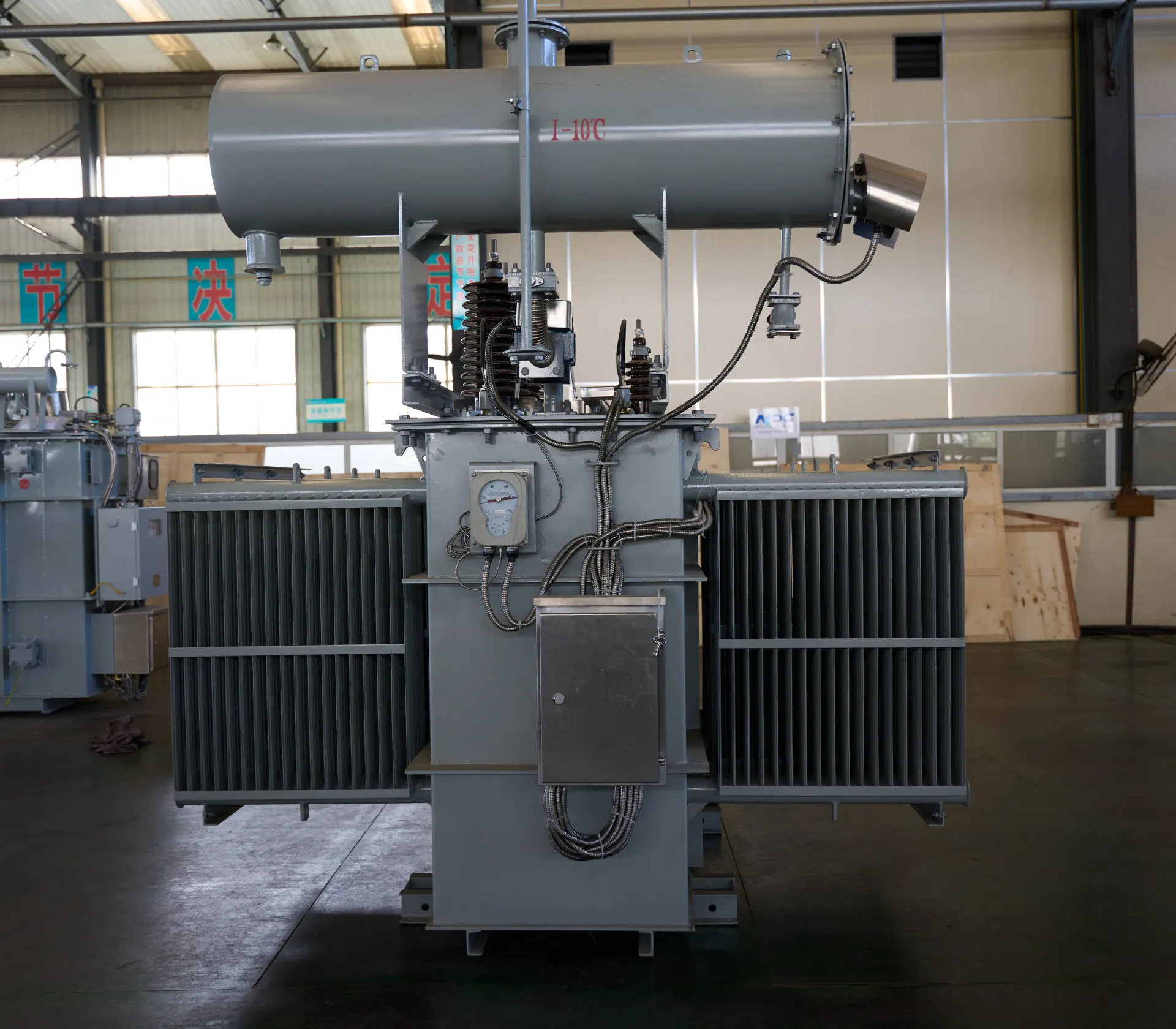
Oil Immersed Power Transformer 200kVA for Substation With Transformer Oil
The oil-immersed power transformer, rated at 200kVA, is designed for use in substations, efficiently converting voltage. It is equipped with high-quality transformer oil, which enhances heat dissipation and prolongs the lifespan of the equipment. Ideal for various power supply applications, it excels in industrial environments requiring stable voltage and high performance.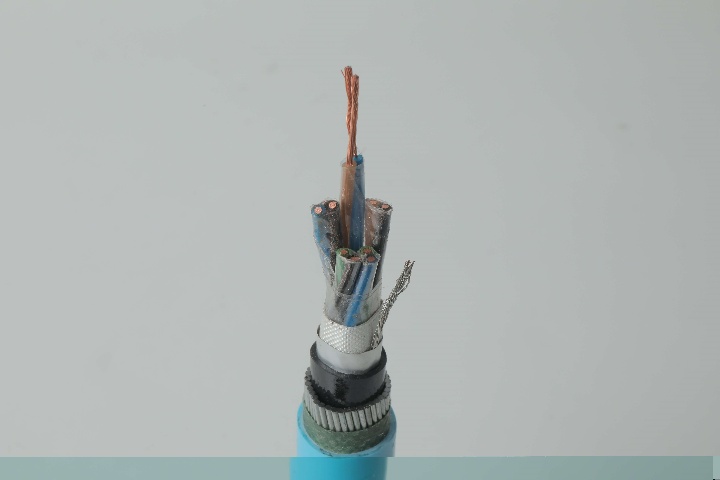
Instrumentation Cables—XLPE Insulated, Overall Screened, DRYLAM Layered, Wire Armoured PVC Sheathed Cables(CU/XLPE/OSCR/DRYLAM/SWA/PVC)
CU/XLPE/OSCR/DRYLAM/SWA/PVC instrumentation cables are engineered to deliver stable signal transmission under harsh environmental and mechanical conditions. XLPE insulated copper conductors provide excellent dielectric performance and resistance to thermal aging. The overall screen minimizes electromagnetic interference, ensuring precise signal transmission in sensitive instrumentation circuits. The DRYLAM water-blocking layer offers effective protection against moisture ingress, enhancing cable reliability in humid or buried installations. Steel wire armour improves resistance to mechanical stress and external damage, while the PVC sheath protects against abrasion, oils, and chemicals. This balanced construction combines electrical performance, water resistance, and mechanical durability for long-term industrial use.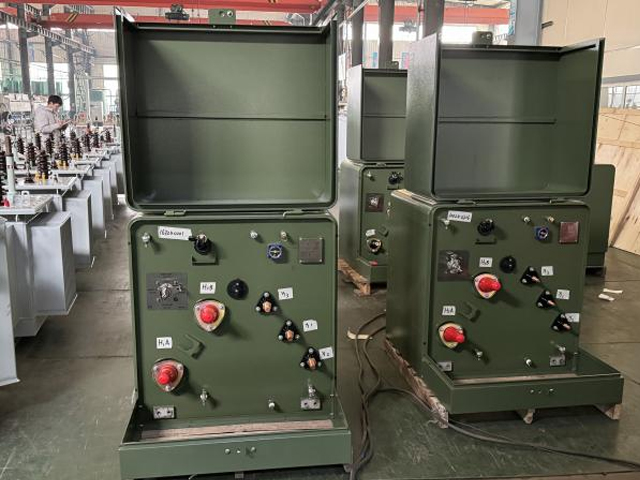
150kVA Single Phase Pole Mounted Transformer
NPC ELECTRIC'S 150kVA single phase pole mounted transformer is engineered for superior performance in overhead electrical distribution networks. This robust unit efficiently steps down high-voltage primary inputs, such as 13.8kV or 24.94kV, to secondary voltages like 120/240V or 277V, ensuring safe and reliable power delivery. Built with high-permeability toroidal cores and precision-wound copper conductors, it minimizes energy losses and enhances durability. Compliant with DOE-2016 efficiency standards and featuring a NEMA 3R-rated enclosure, this transformer withstands harsh environmental conditions while providing quiet operation. Ideal for utilities seeking long-term reliability, it includes protective features like surge arrestors and pressure relief valves to safeguard against overloads and faults. With a 65°C temperature rise rating and ONAN cooling, it handles diverse loads without compromising efficiency.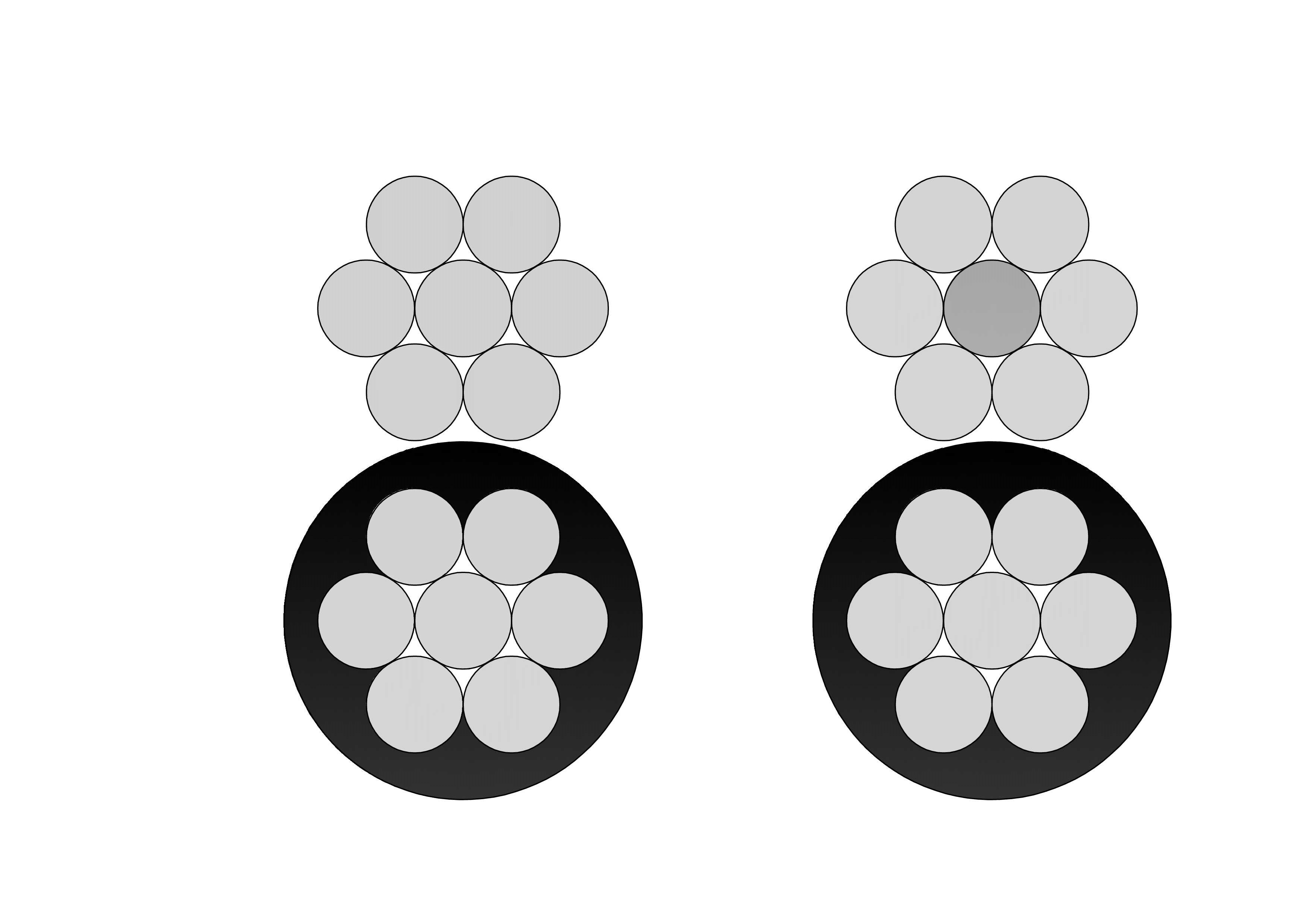
Copper Conductor Duplex Service Drop Cable 600V
The Copper Conductor Duplex Service Drop Cable 600V is a high-performance overhead cable for secondary power distribution from utility poles to service entrances. Featuring two insulated copper conductors (phase and neutral) twisted around a bare or insulated neutral messenger, it offers superior conductivity and mechanical strength. Insulation options include XLPE or PE for excellent UV, moisture, and abrasion resistance. Compliant with ASTM B-1, B-2, B-3, B-8, ICEA S-76-474, and ANSI/ICEA standards, this cable supports 600V applications with low voltage drop and high current capacity. The robust design ensures reduced sag, easy installation, and long service life in harsh weather conditions. The Copper Conductor Duplex Service Drop Cable 600V delivers minimal power losses and reliable performance for single-phase service drops. Widely used in urban, suburban, and rural electrification projects requiring premium copper overhead connections with enhanced durability and safety.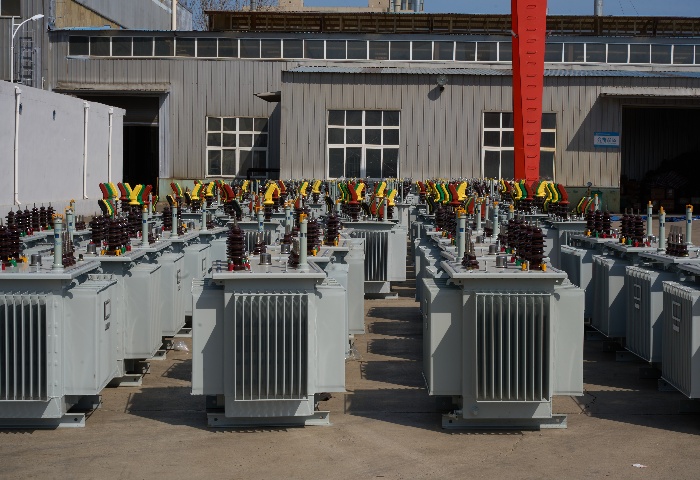
75kVA Oil Immersed Transformer
75kVA oil-immersed transformer is an efficient and reliable power conversion device, which is widely used in power distribution systems in industrial, commercial, and construction sites. The transformer adopts oil-immersed cooling technology, has good heat dissipation performance, and can work continuously and stably under high load conditions. The 75kVA oil-immersed transformer also has complete protection functions, including overload protection, short-circuit protection, and temperature monitoring, to ensure the safety and stability of the equipment during operation.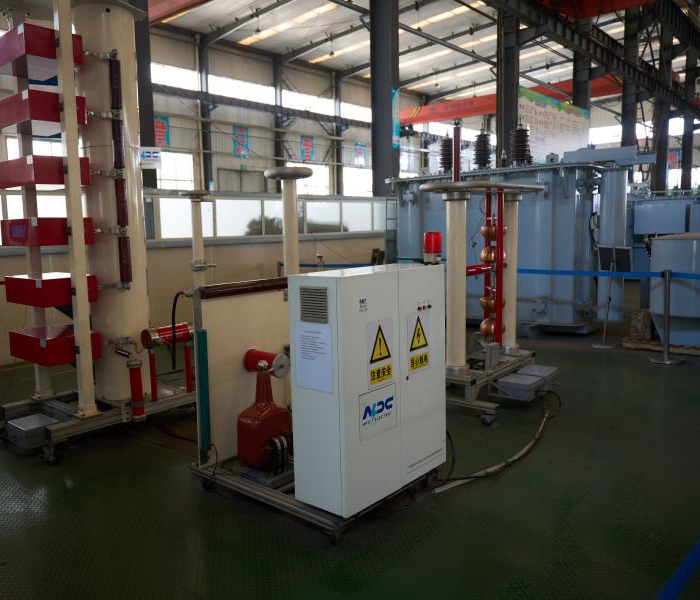
1250kVA Dry Type Transformer
NPC ELECTRIC 1250kVA Dry-Type Transformer delivers reliable, oil-free power distribution with a compact and efficient design. Featuring advanced insulation and cooling systems, it ensures safe, low-maintenance operation, making it ideal for industrial and commercial applications. It provides environmentally friendly, cost-effective performance with a 1250kVA capacity. Compliant with DOE amended energy conservation standards (finalized April 2024, mandatory compliance from April 23, 2029, with a 20% reduction in losses for three-phase low-voltage dry-type units), ANSI/IEEE C57.12.01, NEMA ST-20, UL 1561, and CSA requirements, this low-voltage (≤600V) transformer provides outstanding efficiency, minimized thermal losses, significant energy savings, and enhanced fire safety without insulating fluids.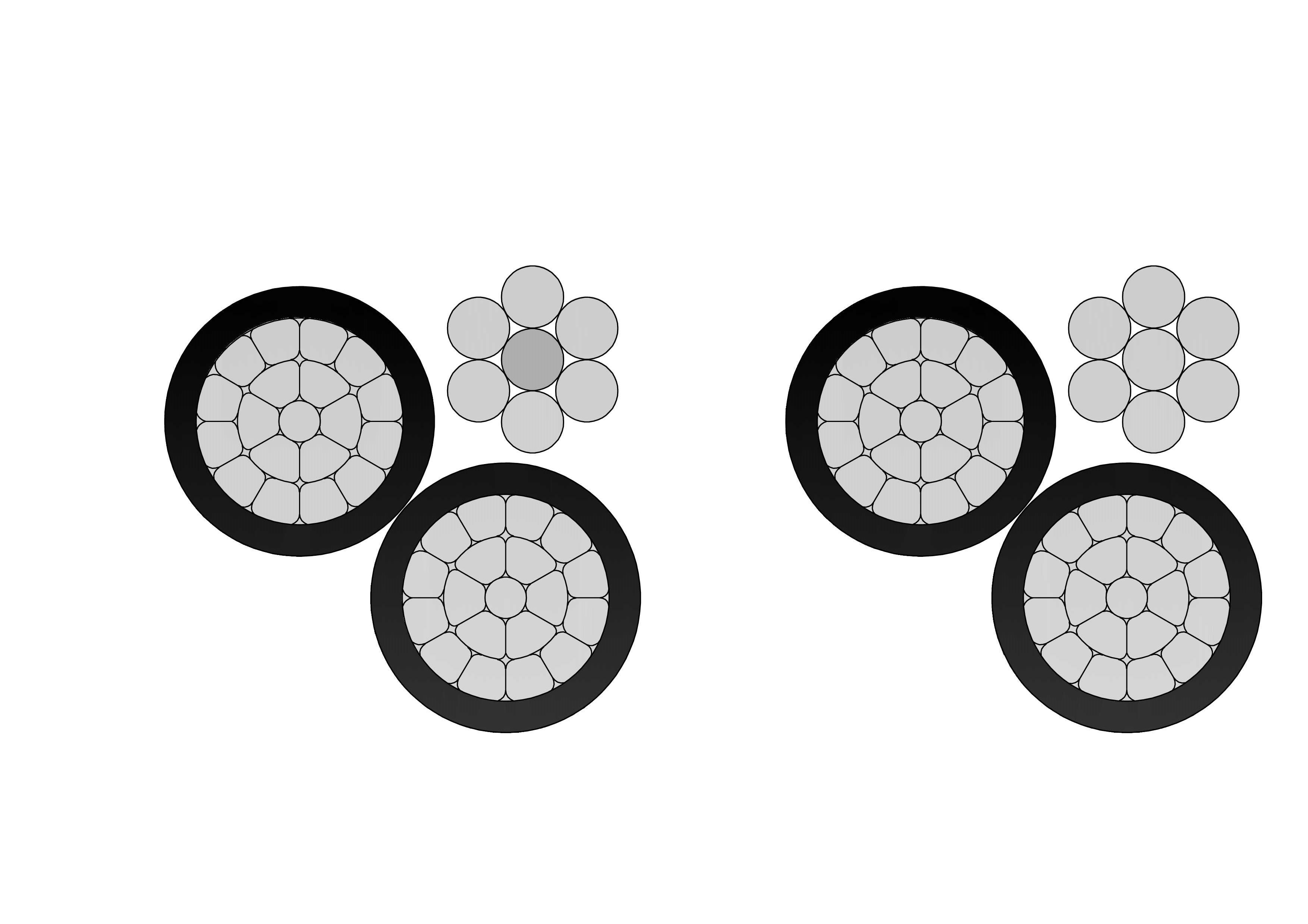
336 Limpet Aluminum Conductor Triplex Overhead Service Drop Cable
The 336 Limpet Triplex Aluminum Overhead Service Drop Cable is specifically designed for reliable and efficient power distribution from utility poles to residential, commercial, and light industrial service entrances. This cable features two insulated aluminum phase conductors and a bare ACSR (Aluminum Conductor Steel Reinforced) messenger, which serves as both the neutral conductor and the primary mechanical support for the cable. The conductors are insulated with black cross-linked polyethylene (XLP), delivering exceptional UV resistance, moisture protection, and long-term outdoor durability. Rated 600V phase-to-phase with conductor temperatures up to 90°C (XLPE), it supports ampacity ratings around 395–445A (depending on conditions). Compliant with ASTM B-230, B-231, B-232, and ICEA S-76-474 standards, the 336 Limpet offers lightweight, corrosion-resistant construction ideal for demanding secondary distribution and large-scale service drops.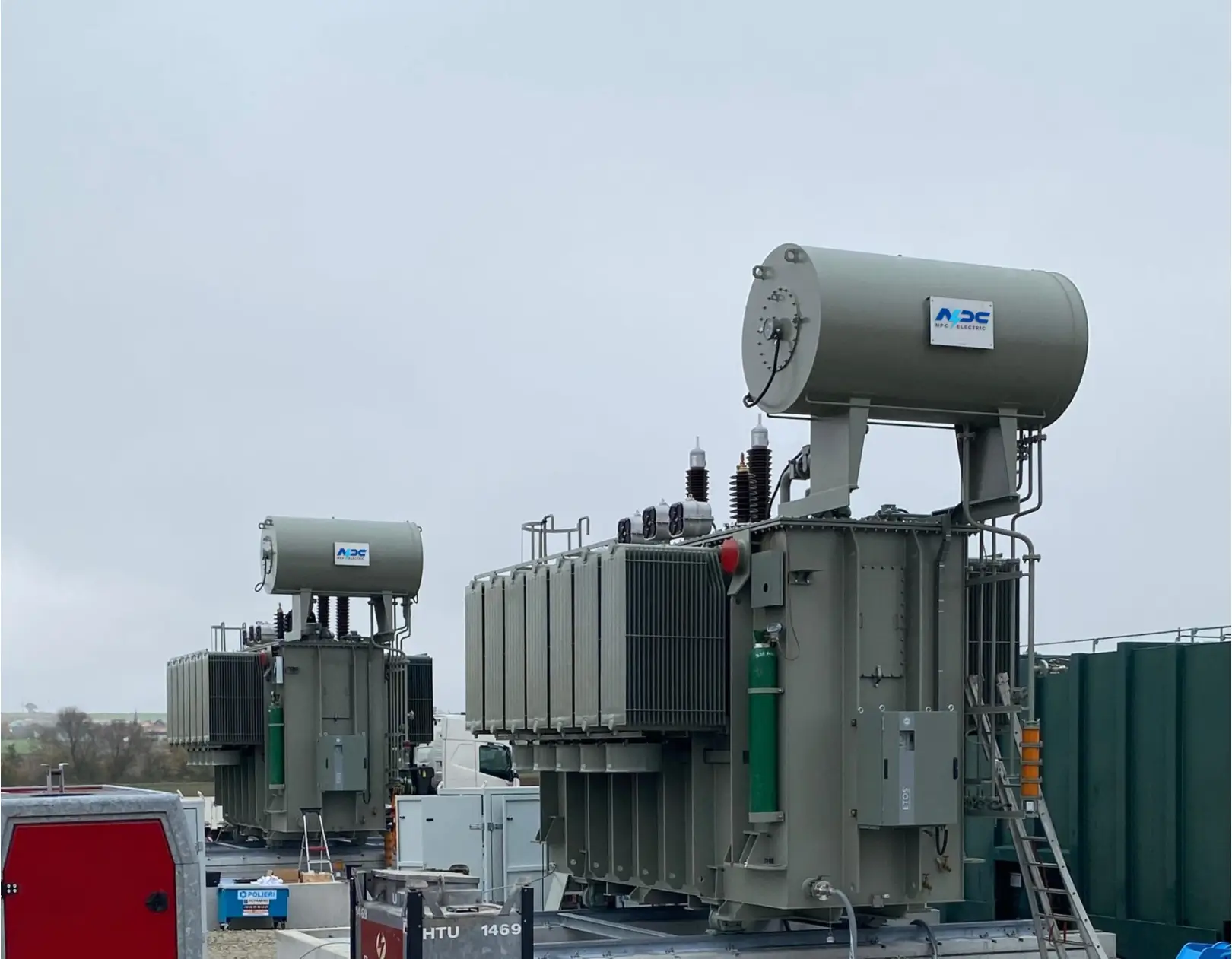
110kV Customized 12500kVA 20000kVA High-Voltage Electric Power Transformer
The Customized 12500kVA and 20000kVA High-Voltage Electric Power Transformer is engineered to meet the demanding requirements of grid transmission, industrial distribution, and large-scale power infrastructure. Designed with fully customized voltage configurations, high-grade copper windings, advanced insulation systems, and optimized oil-immersed cooling structures, it ensures exceptional efficiency, stable voltage regulation, and long-term operational reliability. This transformer supports heavy-load operation, complex grid environments, and diverse installation conditions, making it suitable for substations, industrial plants, renewable energy integration, and major commercial facilities. With flexible design options, strict quality control, and compliance with international standards such as IEC, IEEE, and ANSI, it delivers robust performance and extended lifecycle.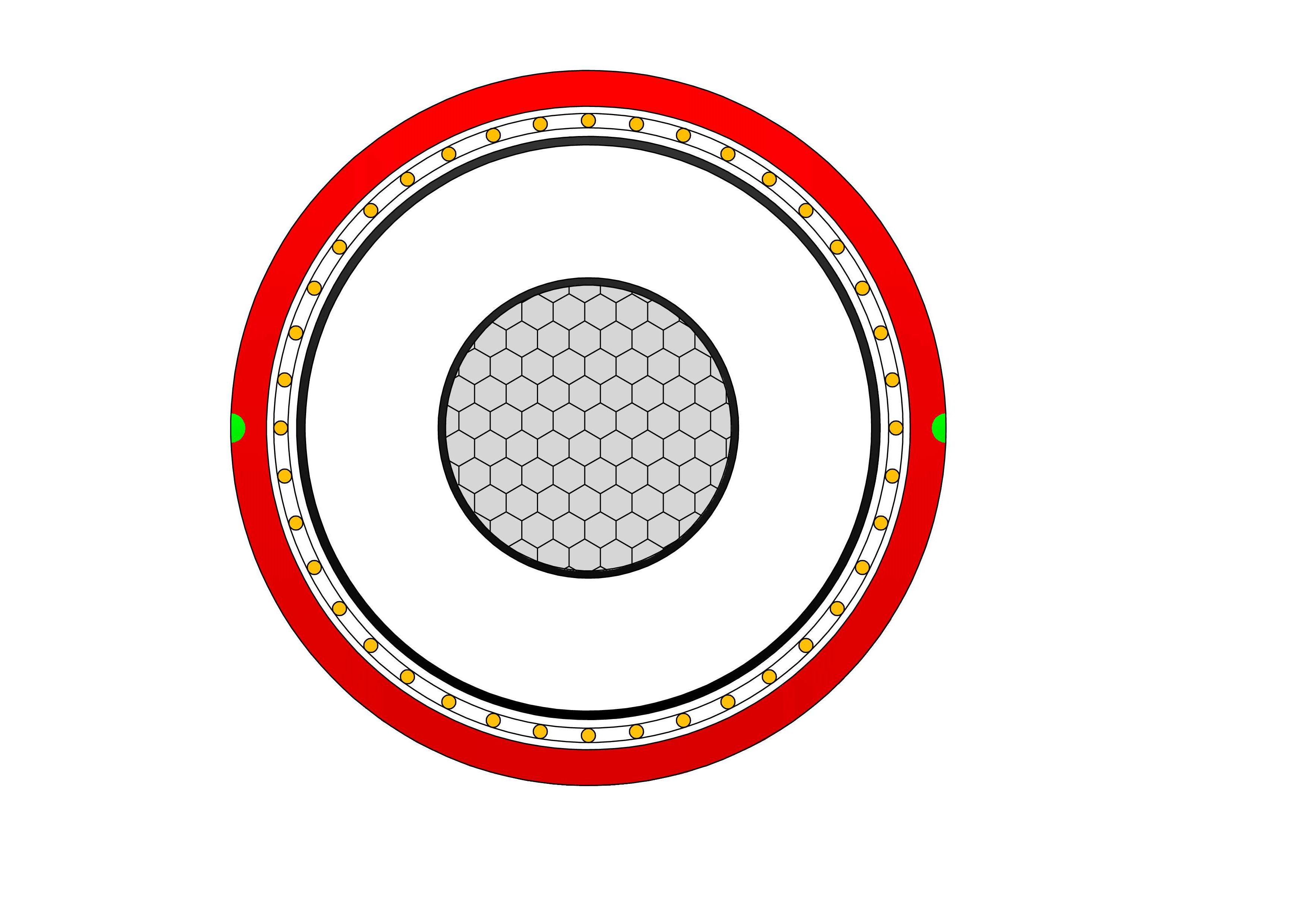
RHZ1-2OL-AL Medium Voltage Power Cable(8.7/15kV, 12/20kV, 18/30kV)
RHZ1-2OL-AL Medium Voltage Power Cable (8.7/15kV, 12/20kV, 18/30kV) is an economical, fire-safe cable for medium voltage distribution. Featuring stranded aluminium conductors, cross-linked polyethylene (XLPE) insulation, metallic screen, and low smoke zero halogen (LSZH) outer sheath, it complies with UNE 21123-4 and CPR standards. In fire conditions, the LSZH sheath emits minimal smoke and no toxic halogen gases, ensuring safety in populated areas. Lightweight aluminium reduces costs and handling effort while providing reliable current capacity. Superior partial discharge resistance, low dielectric losses, and high thermal stability guarantee efficient, long-lasting performance. Suitable for direct burial, ducts, or indoor installations. The RHZ1-2OL-AL Medium Voltage Power Cable is widely used in utilities, hospitals, schools, tunnels, and infrastructure projects requiring cost-effective, environmentally friendly medium voltage cabling with enhanced fire safety and durability worldwide.
800kVA Oil Immersed Transformer
The NPC ELECTRIC 800kVA Oil-Immersed Transformer is designed for high efficiency, durability, and reliable power distribution. Built to meet IEC 60076 and ANSI/IEEE standards, it ensures superior performance and safety. Certified for international quality compliance, it is ideal for industrial, commercial, and utility applications. This 800 kVA unit delivers outstanding energy efficiency (>99.55% typical), low no-load and load losses, excellent thermal performance, and proven durability in demanding outdoor environments.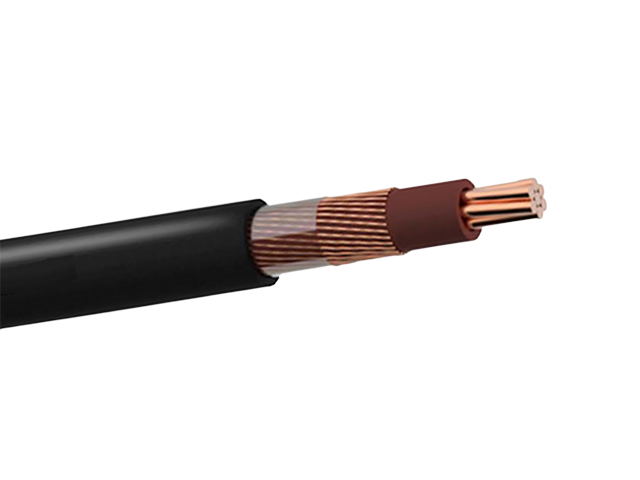
CONCENTRIC CABLE
NPC Electric Concentric Cable is designed with a central phase conductor surrounded by an evenly distributed concentric neutral conductor, providing a stable electrical return path and enhanced system safety. The concentric construction ensures uniform current distribution, reduces electromagnetic interference, and improves grounding reliability. High-purity copper or aluminum conductors are combined with durable insulation materials that offer excellent resistance to moisture, heat, and environmental stress. This cable structure is widely used in low-voltage power distribution, where mechanical protection and electrical stability are critical. The concentric neutral layer also enhances fault current handling and minimizes voltage drop during operation. With strong mechanical strength, long service life, and consistent electrical performance, concentric cables are suitable for underground installation and utility networks requiring dependable power delivery.
2/0 Triton Aluminum Conductor Triplex Overhead Service Drop Cable
The 2/0 Triton Aluminum Conductor Triplex Overhead Service Drop Cable is engineered for reliable overhead electrical service from utility distribution lines to residential and commercial buildings. The cable consists of two insulated aluminum phase conductors twisted around a bare aluminum neutral messenger, providing balanced electrical performance and strong mechanical support. Manufactured from high-purity aluminum and weather-resistant insulation compounds, the 2/0 Triton Aluminum Conductor Triplex Overhead Service Drop Cable delivers low electrical resistance, excellent corrosion resistance, and long-term durability in outdoor environments. Its lightweight construction simplifies handling and installation while maintaining the tensile strength required for aerial service. The cable is designed to perform under UV exposure, wind loading, and temperature variation. Comprehensive quality control and systematic testing are applied throughout production to ensure compliance with utility standards and dependable field performance.
170kV 4–40MVA Oil-Immersed High-Voltage Power Transformer
The 170kV 4–40MVA oil-immersed high-voltage power transformer is designed to support flexible capacity requirements across modern transmission and substation systems. Its wide MVA range allows a single platform to adapt to diverse grid configurations, from regional substations to industrial power interfaces. The transformer utilizes a refined oil-paper insulation system to ensure strong dielectric performance and long-term operational stability under high electrical stress. Advanced magnetic circuit optimization minimizes losses while maintaining excellent voltage regulation. The mechanical structure is engineered to withstand thermal cycling, short-circuit forces, and continuous operation under variable load conditions. With a focus on reliability, efficiency, and service life, this transformer is well suited for utility-scale projects that demand dependable high-voltage energy transfer with adaptable power ratings.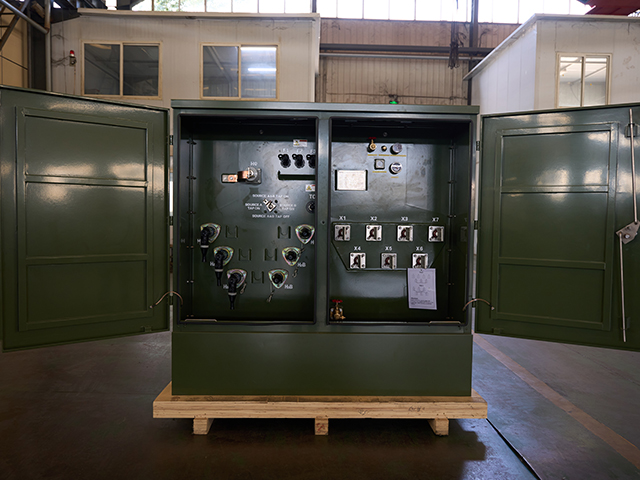
45kVA Three Phase Pad Mounted Transformer
The 45 kVA pad-mounted transformer meets ANSI, CSA, NEMA, IEEE, and DOE standards. The compartmental dead-front enclosure features tamper-resistant doors, mineral oil or ester fluid insulation, and ONAN cooling for a 65°C temperature rise, enabling quiet, overload-capable operation in outdoor pad installations.
11/0.4kV 630kVA Oil-Immersed Power Transformer Distribution Type
Discover our premium 11/0.4kV 630kVA Oil-Immersed Power Transformer, engineered for superior high-efficiency distribution in modern electrical grids. This robust transformer features advanced silicon steel cores that minimize energy losses, ensuring up to 98% efficiency under full load. Ideal for urban and rural power networks, it incorporates eco-friendly insulating oil with high dielectric strength, providing reliable voltage step-down from 11kV to 0.4kV while handling demanding loads up to 630kVA. Built with corrosion-resistant tanks and precision-wound copper coils, this distribution transformer guarantees long-term durability, reduced maintenance, and compliance with international standards like IEC 60076. Whether for residential complexes, commercial facilities, or industrial applications, it optimizes power delivery, lowers operational costs, and supports sustainable energy practices. Experience unmatched performance with this high-efficiency oil-immersed transformer designed for seamless integration into your power system.Welcome your inquiry
Honesty, Integrity, Frugality, Activeness and Passion