
How Power Transformers Improve Modern Power Systems
2026-01-05
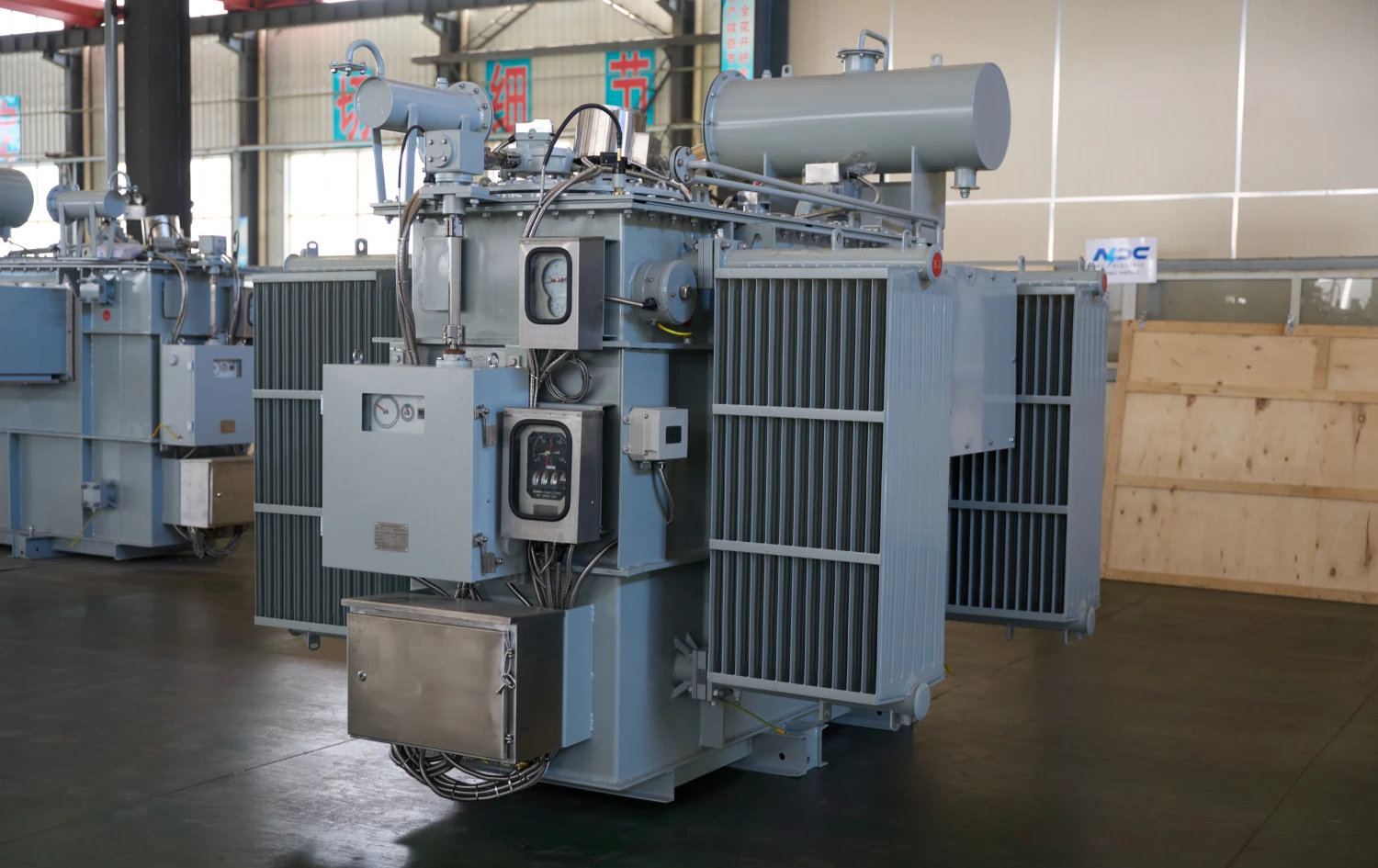
In today’s rapidly advancing world, the reliability and efficiency of electrical power systems are more important than ever. Power transformers play a critical role in ensuring that electrical energy is distributed efficiently, safely, and sustainably to meet growing energy demands. This article explores how power transformers, such as single-phase transformers and Hyundai power transformers, contribute to the development and optimization of modern power systems. We will also discuss their application in different environments, such as power pole transformers in residential areas, and the challenges that are tackled on-site during their installation and maintenance.
What is a Power Transformer?
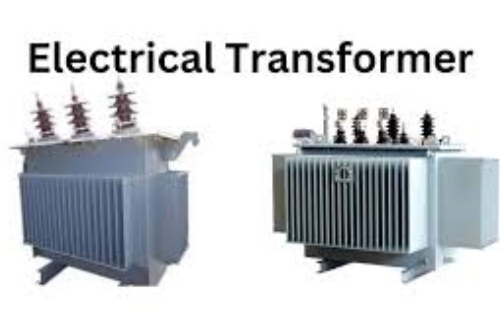
A power transformer is an electrical device designed to transfer electrical energy between two or more circuits through electromagnetic induction. These transformers are essential for adjusting voltage levels in power distribution and transmission networks. They can step up or step down voltage levels, making them crucial for maintaining system efficiency across long distances.
In simple terms, a power transformer allows the transmission of electricity over long distances without significant power loss. They are used in both the generation and distribution of electrical power to provide energy where it’s needed most, whether it’s at homes, factories, or large commercial complexes.
The Role of Power Transformers in Modern Power Systems
As electrical power systems become more complex, power transformers are essential in maintaining voltage regulation and load distribution across various network segments. Some key ways that power transformers improve modern power systems include:
- Voltage Regulation:
A power transformer ensures that the voltage is optimized for efficient power transmission. By stepping up the voltage at power plants (for long-distance transmission) and stepping it down at the point of consumption (for homes and businesses), transformers help reduce energy losses and maintain consistent supply to end-users. -
Energy Efficiency:
Modern electrical transformers are engineered to maximize energy efficiency, reducing losses that occur during transmission. For example, Hyundai power transformers are equipped with advanced technology to minimize losses and improve operational efficiency. -
Adaptability:
Single-phase power transformers are commonly used in residential and light commercial applications. They are compact and highly effective at converting and distributing electrical power in smaller systems, making them essential in residential neighborhoods or small-scale industries. -
Safety:
Power transformers are designed with built-in safety features, such as overload protection, ensuring that the electrical system operates smoothly without risk to users or infrastructure. Their robust insulation and casing prevent electrical faults and minimize risks in residential and industrial installations. -
Cost-Effectiveness:
By improving voltage stability and minimizing power losses, power transformers reduce the overall operational costs of electrical systems, especially in large-scale grids. This ensures that utilities can offer more affordable power distribution services to consumers.
Applications of Power Transformers in Real-World Environments
Power transformers are used in a wide range of applications, from large-scale power stations to local distribution networks. The practical installation and operation of these transformers are critical for improving power system reliability and efficiency. Here are some examples of how power transformers are used in real-world environments:
Power Pole Transformers for Residential Areas
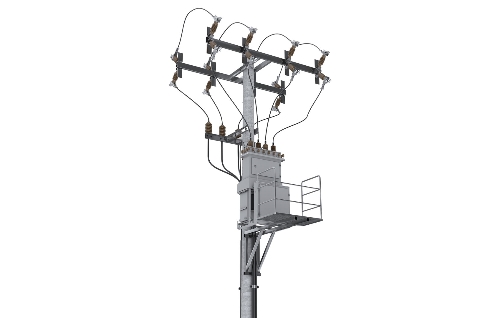
In many residential areas, power pole transformers are installed on utility poles to convert high-voltage electricity from transmission lines into the lower voltages required for household use. These electrical transformers are essential for ensuring that homes receive a stable and safe supply of electricity. They are typically single-phase transformers, handling the electrical needs of small to medium-sized neighborhoods.
Hyundai Power Transformers for Industrial Applications
For industrial applications, where high efficiency and reliability are paramount, Hyundai power transformers are often the go-to solution. These transformers are designed to handle higher loads and are often found in power substations that provide electricity to factories, mining operations, and large manufacturing plants. Hyundai power transformers are known for their durability, advanced engineering, and ability to meet rigorous operational demands.
Single-Phase Power Transformers in Commercial Settings
Single-phase power transformers are widely used in commercial settings to power businesses, retail stores, and office buildings. These transformers provide a reliable and steady electrical supply, ensuring that equipment and machinery run without interruption. Due to their compact size and efficient performance, single-phase transformers are ideal for commercial facilities that do not require large-scale power systems.
Power Transformer Type Table:
|
Transformer Type |
Description |
Application |
Key Benefits |
|
Power Transformer |
Transfers electrical energy between circuits, stepping up or stepping down voltage |
Used in power stations, substations, and transmission systems |
High efficiency, low energy loss, versatile for large-scale transmission |
|
Electrical Transformer |
A general term for transformers that step voltage up or down |
Widely used in both residential and industrial settings |
Provides safe and stable voltage regulation |
|
Power Pole Transformer |
Mounted on utility poles to step down high voltage for residential use |
Commonly used in residential and light commercial areas |
Compact, cost-effective, ideal for urban installations |
|
Hyundai Power Transformer |
High-performance transformers designed for industrial-scale applications |
Found in large industrial plants, mining operations, and factories |
Durability, high load capacity, suitable for harsh environments |
|
Single-Phase Power Transformer |
A type of transformer used to supply single-phase electrical circuits |
Common in residential homes and small commercial applications |
Cost-effective, ideal for low power consumption applications |
Challenges and Solutions in Transformer Installation and Maintenance
Although power transformers are crucial to the functionality of electrical systems, their installation and maintenance require careful planning and expertise. Some challenges faced during installation include:
-
Space Limitations:
Many areas, especially in urban settings, have limited space for large transformer installations. Engineers must carefully plan the installation of power pole transformers and other types of transformers to ensure minimal disruption while maximizing performance. -
Environmental Factors:
In regions with extreme weather conditions, such as high humidity, heavy rains, or extreme temperatures, transformers must be designed to withstand these conditions. Hyundai power transformers, for instance, are engineered with weather-resistant materials to ensure long-lasting performance in harsh environments. -
Safety Considerations:
Power transformers must meet strict safety standards to prevent accidents, such as electrical fires or electrocution. In residential areas, power pole transformers must be properly insulated, and maintenance schedules should be strictly adhered to. -
Energy Losses:
Even the best transformers experience some level of energy loss. However, modern technology, such as high-efficiency electrical transformers, has significantly reduced these losses, helping power utilities deliver energy in a cost-effective manner.
The Future of Power Transformers in Modern Power Systems
As the global demand for electricity continues to rise, so does the need for more efficient and reliable power distribution systems. The ongoing development of smart grid technologies, the integration of renewable energy sources, and the push for more sustainable solutions will drive innovations in power transformer design and operation.
For example, smart transformers equipped with digital monitoring and control systems can provide real-time data on their performance, enabling utilities to quickly address issues and optimize the power distribution network. These advances will help further reduce losses and improve the overall resilience of electrical systems.
Power transformers are foundational components of modern electrical power systems. Whether it’s a single-phase power transformer for residential use or a Hyundai power transformer for industrial applications, these devices play a crucial role in improving the efficiency, safety, and reliability of power systems. By stepping up or stepping down voltages, electrical transformers ensure that power is transmitted and distributed effectively, minimizing losses and meeting the needs of both small-scale and large-scale consumers.
As the demand for energy continues to grow, the role of power transformers will become even more important in maintaining the stability and efficiency of power grids worldwide. Investing in high-quality transformers and implementing proper installation and maintenance practices will ensure that power systems continue to function optimally, supporting the infrastructure of tomorrow.

Related Articles
Related Products
2Y-high-voltage-power-cable-2.webp)
2XS(FL)2Y MDPE High Voltage 76/132 (145)kV Power Cable
The 2XS(FL)2Y MDPE High Voltage Power Cable is a single-core aluminum conductor cable with XLPE insulation and an MDPE sheath, rated 76/132 (145) kV. Designed for extra-high voltage power transmission, it meets IEC 60840 standards, offering excellent electrical performance, mechanical protection, and water resistance for demanding environments. Its construction includes a copper conductor, semi-conductive conductor screen, XLPE insulation, semi-conductive insulation screen, semi-conductive water swelling tape, copper wire metallic screen, longitudinal aluminum tape with PE copolymer coating, and an MDPE sheath. Water-blocking tape prevents water propagation, ensuring reliable operation in power stations, industrial plants, and distribution systems. Suitable for underground, underwater, outdoor, indoor, and duct installations, this cable is ideal for distribution networks and connections to generation units, industrial plants, and processes.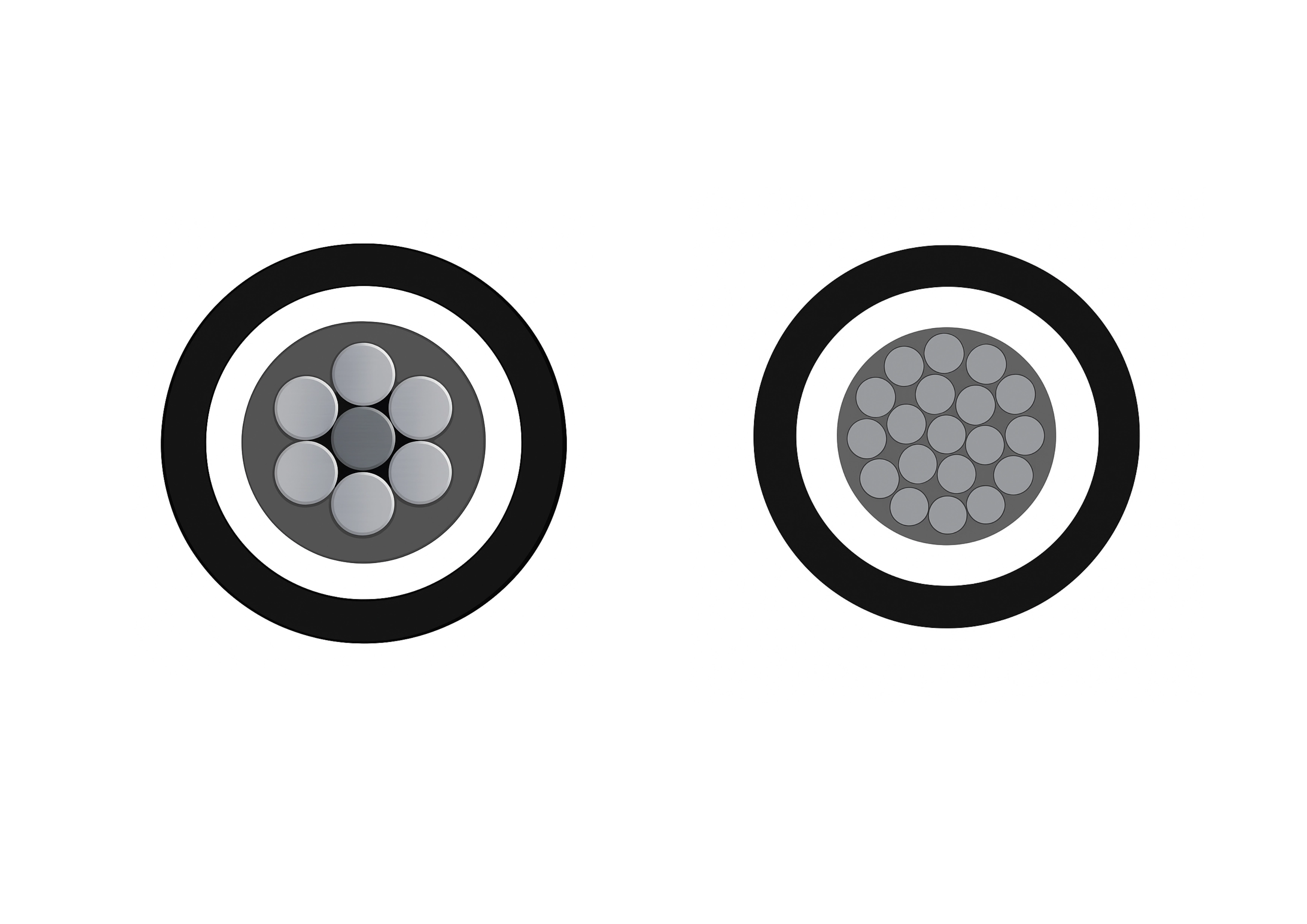
XLPE-HDPE Tree Cable Aluminum 25kV 1x185mm²
Power your network with confidence using the XLPE-HDPE Tree Cable Aluminum 25kV 1x185mm² – a high-performance medium-voltage cable engineered for demanding overhead distribution systems. Whether it’s industrial zones, main feeder lines, or expansive urban and rural networks, this cable delivers reliable, efficient, and uninterrupted power where you need it most. Built with high-conductivity aluminum alloy 1350 wires and compact class 2 stranding, it guarantees optimal current flow and mechanical strength. Optional semiconductor shielding enhances electrical stability for 15kV and 25kV networks, making it a dependable choice for modern power infrastructure. The XLPE inner insulation withstands 90°C continuous operation, while the robust HDPE outer jacket offers exceptional resistance to weather, UV exposure, mechanical abrasion, and electrical sparking. Available in gray with ASTM B230 markings and sequential metering, or blue for extra spark resistance in harsher environments, this cable is designed to perform under pressure.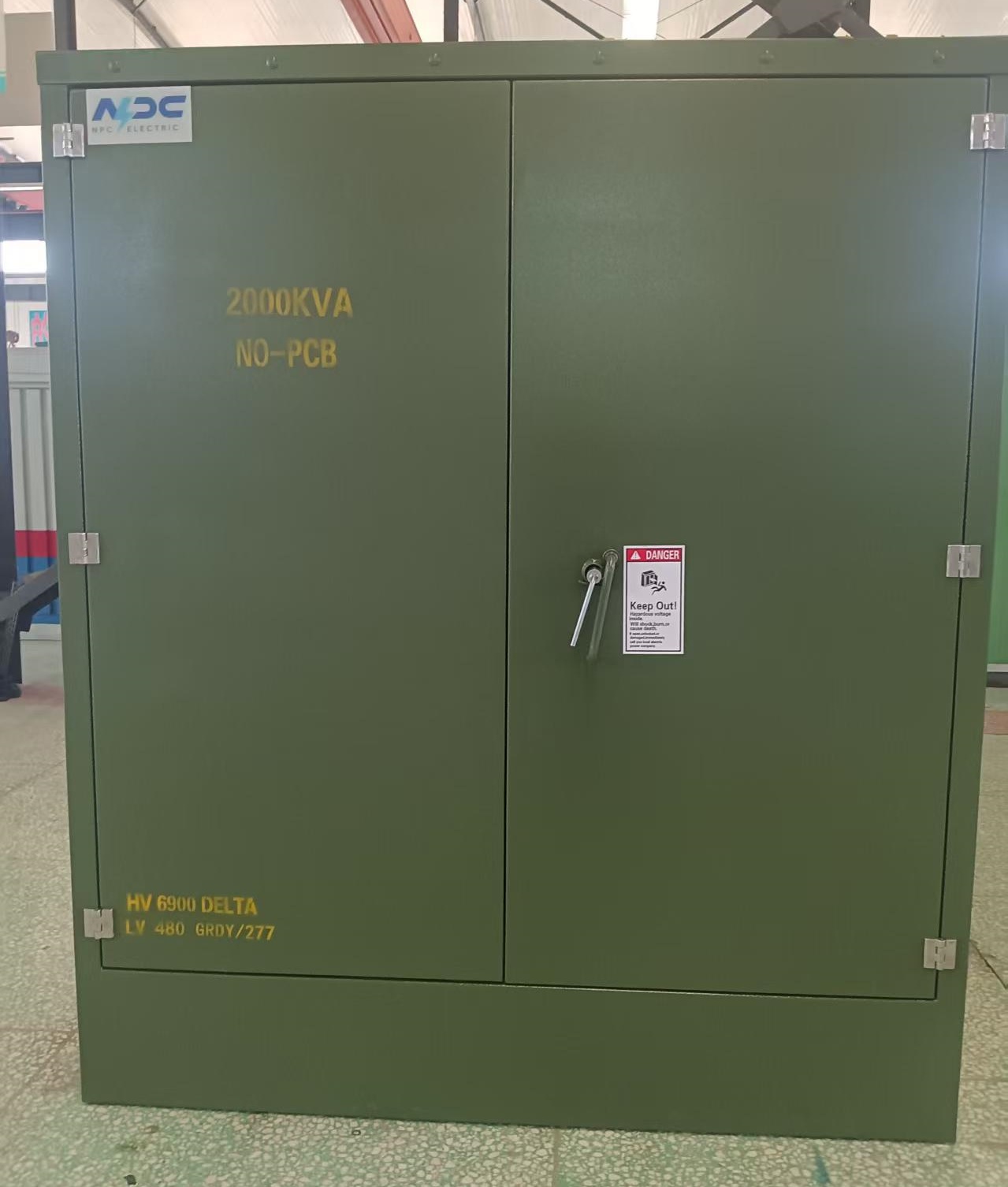
2000kVA Loop Feed 6.9kV Pad Mounted transformer
The 2000kVA Loop Feed 6.9kV Pad-Mounted Transformer is designed and manufactured to meet IEEE C57.12.34, IEEE C57.12.24, and IEEE C57.12.00 standards, as well as ASTM D6871 oil test requirements. It features a dead-front loop-feed design, aluminum windings, primary voltage of 6.9kV, and secondary voltage of 480/277V with ±2×2.5% HV taps for voltage adjustment. This transformer uses NEMA-standard spade-type low-voltage terminals with 12 holes, offers ONAN cooling, and is filled with mineral oil for reliable insulation and thermal performance. Ideal for substation projects in demanding environments, it is UL certified and built for step-down operation with a 95/30kV BIL rating. Standard configuration includes mineral oil or FR3 natural ester fluid (ONAN cooling), aluminum or copper windings, primary voltage 6.9kV (6900V Delta or 6900GrdY/3985 common for loop-feed systems), secondary 480Y/277V (or 208Y/120V, 600Y/347V, custom), BIL 75kV HV / 30kV LV, impedance 5.75–7.5% (±7.5%), ±2×2.5% taps, loop-feed dead-front design with six high-voltage bushings (three per source: H1A/H2A/H3A and H1B/H2B/H3B), dual load-break switches (one per feed), bayonet fuses + partial-range current-limiting fuses (dual sets), lightning arresters, pressure relief valve, oil level/temperature gauges, and ANSI 70 gray (or Munsell green) finish.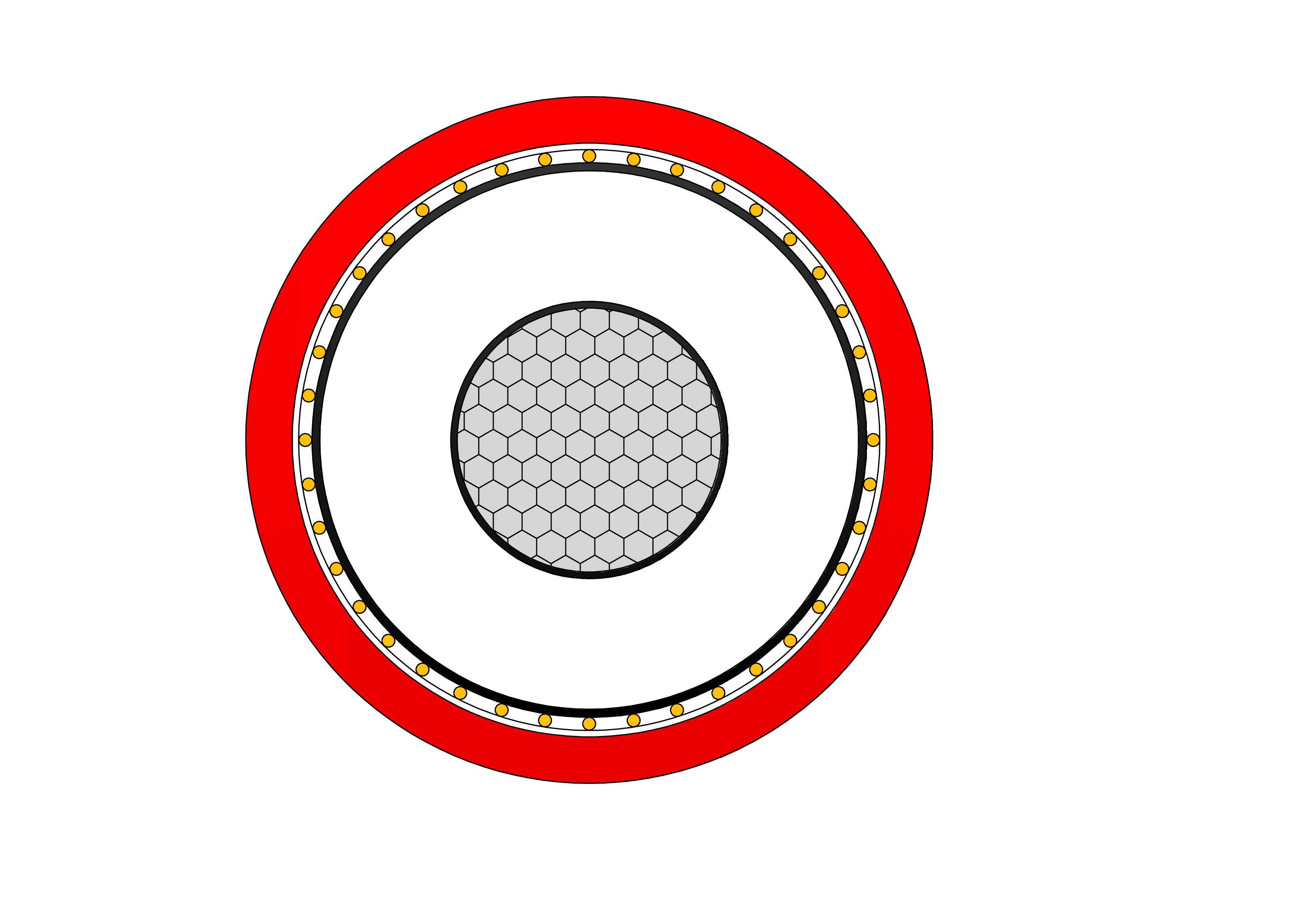
RHZ1-AL Medium Voltage Power Cable(8.7/15kV, 12/20kV, 18/30kV)
NPC Electric RHZ1-AL Medium Voltage Power Cable (8.7/15kV, 12/20kV, 18/30kV) provides economical fire safety for medium voltage networks. Built with aluminium conductors, thermosetting XLPE insulation, metallic screen, and advanced low smoke zero halogen (LSZH) sheath, it meets UNE 21123-4 and CPR requirements. During fires, it emits very low smoke and no corrosive gases, facilitating evacuation. Lightweight aluminium reduces costs and installation effort while delivering reliable current capacity. Superior partial discharge resistance, low tan delta, and thermal endurance ensure efficiency and longevity. Suitable for direct burial, ducts, or indoor use in sensitive areas, the RHZ1-AL Medium Voltage Power Cable is widely used in transportation hubs, data centers, public facilities, and infrastructure demanding reliable medium voltage cabling with enhanced fire protection, environmental compliance, and life-safety features in populated or confined spaces.-AL-medium-voltage-power-cable-2.jpg)
RHZ1-2OL(S)-AL Medium Voltage Power Cable(8.7/15kV, 12/20kV, 18/30kV Specifications)
NPC Electric RHZ1-2OL(S)-AL Medium Voltage Power Cable (8.7/15kV, 12/20kV, 18/30kV) combines economy with special fire safety for demanding medium voltage networks. Built with aluminium conductors, thermosetting XLPE insulation, metallic screen, and specially formulated LSZH sheath with superior fire-retardant characteristics (S), it meets UNE 21123-4 and higher CPR classifications. The special LSZH sheath drastically reduces smoke and eliminates corrosive gases in fires. Lightweight aluminium minimizes costs and installation effort. Excellent partial discharge resistance, low tan delta, and thermal endurance ensure efficiency and longevity. Suitable for direct burial, ducts, or indoor use in high-risk areas, the RHZ1-2OL(S)-AL Medium Voltage Power Cable is favored for metro systems, data centers, public venues, and infrastructure demanding reliable medium voltage cabling with advanced fire protection, environmental compliance, and enhanced life-safety in populated or confined spaces.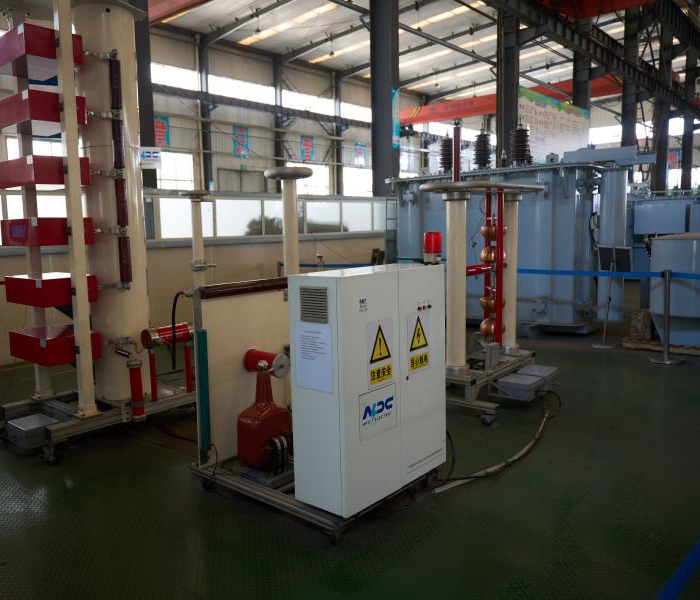
125kVA Cast Resin Dry Type Transformer 3 Phase 10kV/0.4kV Copper Winding IEC Certified
The 125kVA Cast Resin Dry Type Transformer is a compact, three-phase, high-efficiency indoor power transformer engineered for safe and reliable voltage transformation in commercial, institutional, and light-to-medium industrial environments. Featuring advanced cast-resin encapsulation and full copper windings, it eliminates oil-related fire hazards, environmental risks, and routine maintenance while delivering superior performance in confined spaces, high-rise buildings, hospitals, schools, data centers, office complexes, and renewable energy tie-in applications. Fully compliant with IEC 60076-11, IEC 60076-1, IEC 60076-3, IEC 60076-5, IEC 60076-20, IEEE C57.12.01, IEEE C57.12.91, UL 1561 (optional), and DOE 2016 efficiency standards.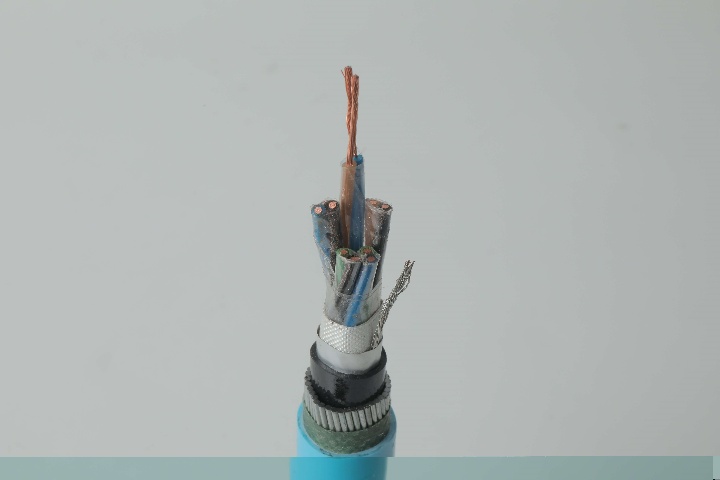
Instrumentation Cables—Mica Tapped, XLPE Insulated, Overall Screened, Wire Armoured LSZH Sheathed Fire-Resistant Cables(CU/GMT/XLPE/OSCR/SWA/LSZH)
Instrumentation Cables with Mica Taped, XLPE Insulated, Overall Screened, Wire Armoured and LSZH Sheathed construction (CU/GMT/XLPE/OSCR/SWA/LSZH) are designed for critical signal transmission in fire-risk and safety-sensitive environments. The copper conductor is wrapped with mica tape to maintain circuit integrity under fire conditions, while XLPE insulation ensures stable electrical performance and thermal resistance. The overall screen reduces electromagnetic interference, enabling accurate signal transmission in industrial systems. Steel wire armouring provides mechanical protection against impact and external stress, making the cable suitable for harsh installation conditions. The LSZH outer sheath limits smoke emission and toxic gases during fire, enhancing personnel safety. These fire-resistant instrumentation cables are widely used where continuous operation and reliable signal control are essential, even in extreme conditions.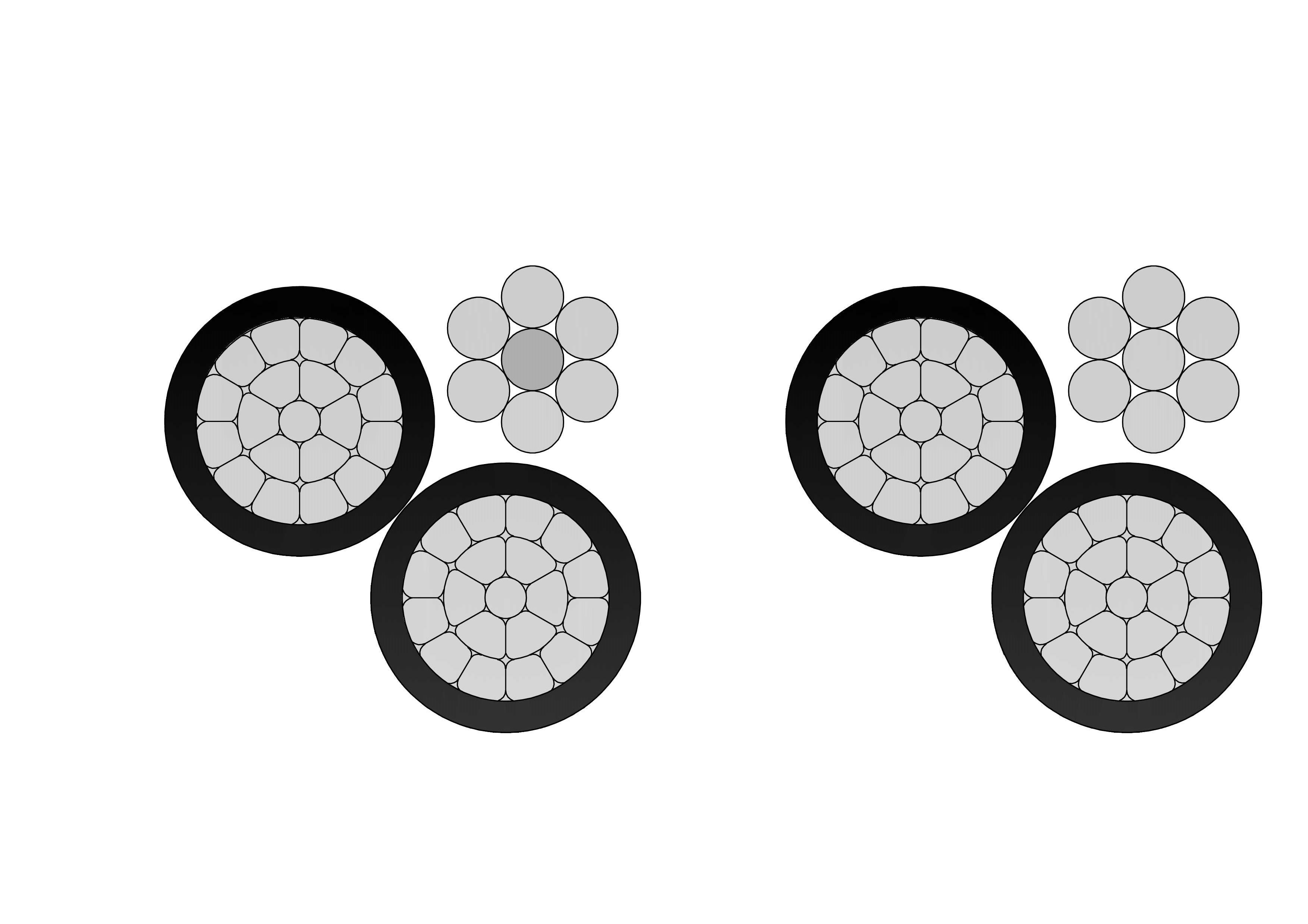
1/0 Janthina Aluminum Conductor Triplex Overhead Service Drop Cable
The 1/0 Janthina Triplex Service Drop Cable is a reliable overhead cable for secondary power distribution to residential service entrances. Featuring two 1/0 AWG aluminum phase conductors and one neutral messenger (7-strand) insulated with XLPE or PE and assembled in triplex configuration, it provides excellent mechanical strength and weather resistance. Compliant with ASTM B-230, B-231, ICEA S-76-474, and ANSI/ICEA standards, this cable supports 600V applications with high UV, moisture, and abrasion protection. The self-supporting messenger reduces sag and simplifies installation over medium spans. The 1/0 Janthina Triplex Service Drop Cable ensures low power losses, high current capacity, and long service life in harsh outdoor conditions. Lightweight and flexible, it is widely used for two-phase service drops with neutral in urban, suburban, and rural areas requiring safe, cost-effective aerial connections from utility poles to homes.
XLPE-HDPE Tree Cable Aluminum 25kV 1x150mm²
The XLPE-HDPE Tree Cable Aluminum 25kV 1x150mm² is engineered for medium-voltage overhead distribution systems requiring very high current capacity. Ideal for long-distance transmission in rural, coastal, and industrial areas, this cable provides exceptional reliability, efficient energy delivery, and long-term performance while minimizing line losses and maintenance costs. Constructed with high-conductivity aluminum alloy 1350 wires, the conductor features round compacted, class 2 stranding, with minimum conductivity of 61% IACS and tensile strength of at least 130 MPa. Optional conductor shielding with extruded semiconductor thermosetting compound is available for enhanced performance in 15kV and 25kV applications. Rated at 25kV, the XLPE-HDPE tree cable allows reduced line clearance compared to bare conductors while maintaining electrical safety. A comprehensive quality control system, including raw material testing, process inspection, and finished product testing, ensures consistent performance and compliance with IEC and utility standards.
400kVA Dry Type Transformer
The NPC ELECTRIC 400kVA Dry Type Transformer is engineered for efficient and reliable power distribution in industrial, commercial, and utility applications. With a compact, fire-safe design, it operates without the need for oil or other cooling fluids, making it ideal for environments with strict safety and environmental standards. Designed to withstand heavy loads, it is the perfect solution for demanding electrical requirements, providing a sustainable and cost-effective option for modern electrical systems.
2 Conch Aluminum Conductor Triplex Overhead Service Drop Cable
The 2-2-2 Conch Aluminum Conductor Triplex Overhead Service Drop Cable is a trusted solution for overhead power distribution from utility poles to residential or commercial weatherheads. Featuring concentric-lay-stranded 1350-H19 aluminum phase conductors (#2 AWG, 7-strand), durable black cross-linked polyethylene (XLPE) insulation, and a bare ACSR neutral messenger (#2 AWG, 6/1), it provides excellent electrical conductivity, superior weather/UV resistance, and mechanical support. Rated for 600 volts phase-to-phase with conductor temperatures up to 90°C (XLPE), it delivers an allowable ampacity of approximately 150 amps. Compliant with ASTM B-230, B-231, B-232, B-399, and ICEA S-76-474 standards, this lightweight, flexible cable ensures easy installation and long-term reliability in harsh outdoor environments, including wind, ice loading, and temperature fluctuations.
2 Solaster Aluminum Conductor Triplex Overhead Service Drop Cable
The 2 Solaster Aluminum Conductor Triplex Overhead Service Drop Cable is designed for reliable overhead electrical service connections from utility distribution lines to residential and light commercial buildings. The cable consists of two insulated aluminum phase conductors twisted around a bare aluminum neutral messenger, providing stable electrical transmission and strong mechanical support. Manufactured using high-purity aluminum and weather-resistant insulation compounds, the 2 Solaster Aluminum Conductor Triplex Overhead Service Drop Cable offers low electrical resistance, excellent corrosion resistance, and long-term durability in outdoor environments. Its lightweight construction allows for efficient handling and installation while maintaining the tensile strength required for aerial service applications. The cable is engineered to perform consistently under UV exposure, wind loading, and temperature fluctuations. Comprehensive quality control procedures and systematic testing are applied throughout production to ensure compliance with industry and utility standards.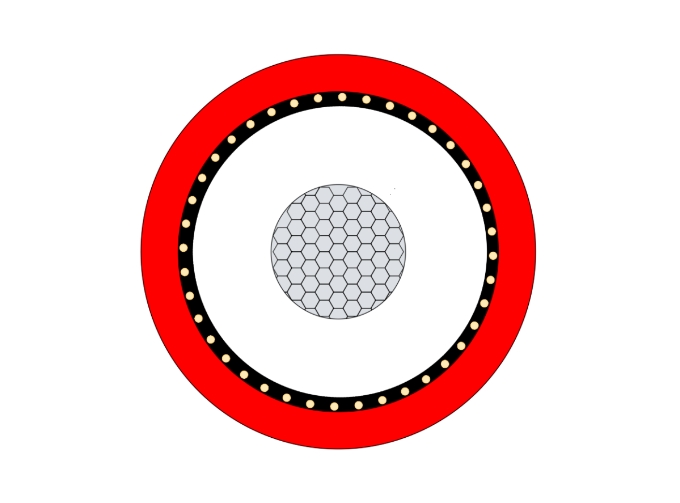
NA2XSY Aluminum XLPE LSZH Cable
NA2XSY Aluminum XLPE LSZH Cable is a medium-voltage power cable with an aluminum conductor, TR-XLPE insulation, and a PVC outer sheath. It is designed according to IEC 60502-2 and VDE 0276 standards for rated voltages typically from 6/10kV up to 18/30kV. This cable provides excellent thermal, electrical, and mechanical properties, making it suitable for reliable energy transmission in medium-voltage networks. This cable excels in fire-prone environments by minimizing smoke and toxic gas release, while providing excellent electrical insulation, thermal endurance, and moisture resistance. The aluminum core reduces weight and cost without compromising performance. Ideal for fixed wiring in buildings, subways, and industrial facilities.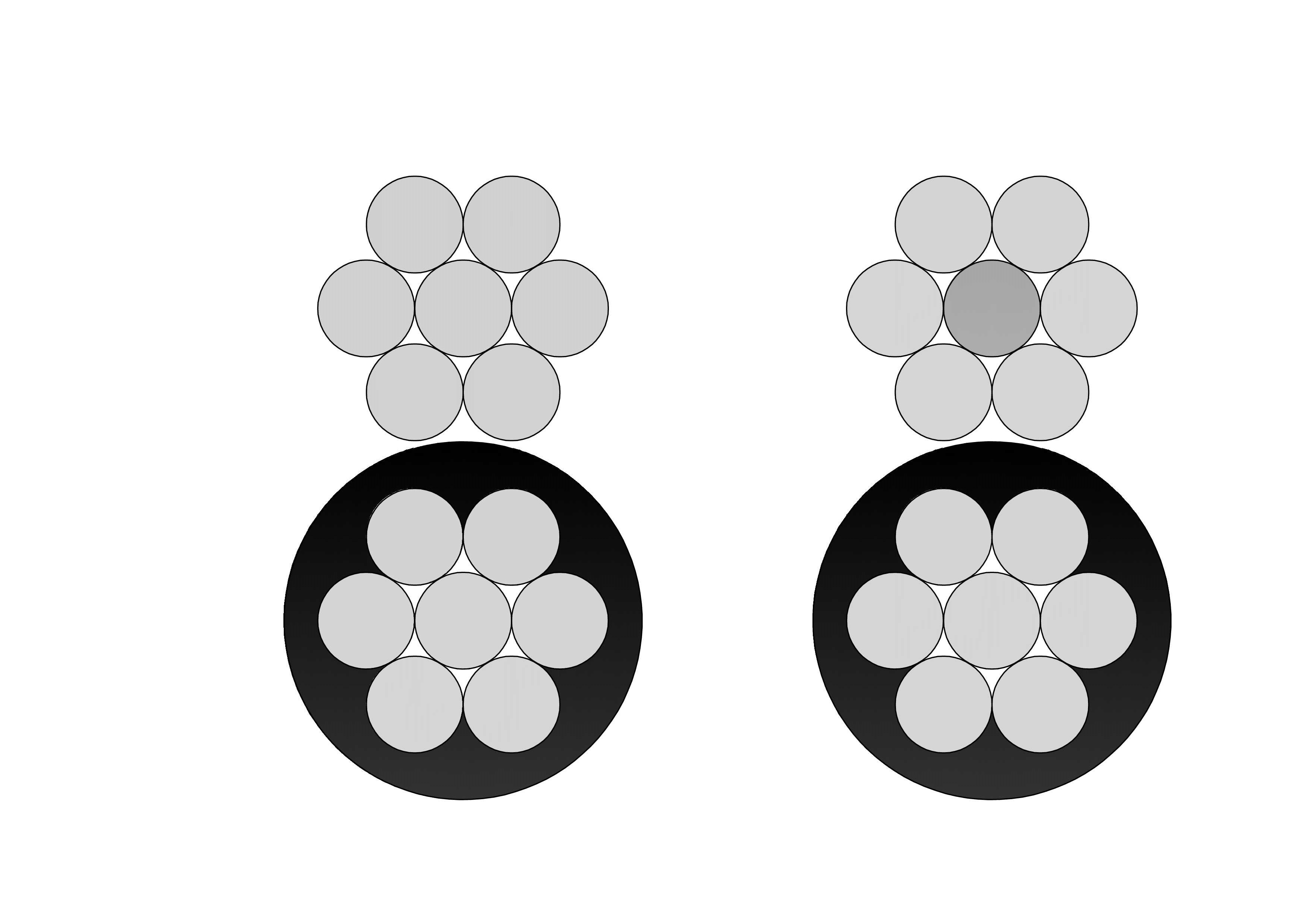
6 Setter Aluminum Conductor Duplex Overhead Service Drop Cable
6 Setter Aluminum Conductor Duplex Overhead Service Drop Cable is designed for reliable secondary overhead power delivery from utility distribution lines to residential and light commercial service entrances. The duplex construction consists of two stranded aluminum conductors, typically functioning as a phase conductor and a neutral messenger, providing both electrical transmission and mechanical support. The No. 6 Setter conductor size offers balanced current-carrying capability, controlled sag, and adequate tensile strength for short-span service drop installations. Aluminum construction ensures reduced weight, excellent corrosion resistance, and ease of handling during installation in outdoor environments. Manufactured in compliance with ASTM standards and utility specifications, the 6 Setter Aluminum Conductor Duplex Overhead Service Drop Cable features uniform stranding, stable electrical performance, and long-term durability. It is widely used by utilities and electrical contractors seeking a cost-effective, dependable solution for overhead service drop applications.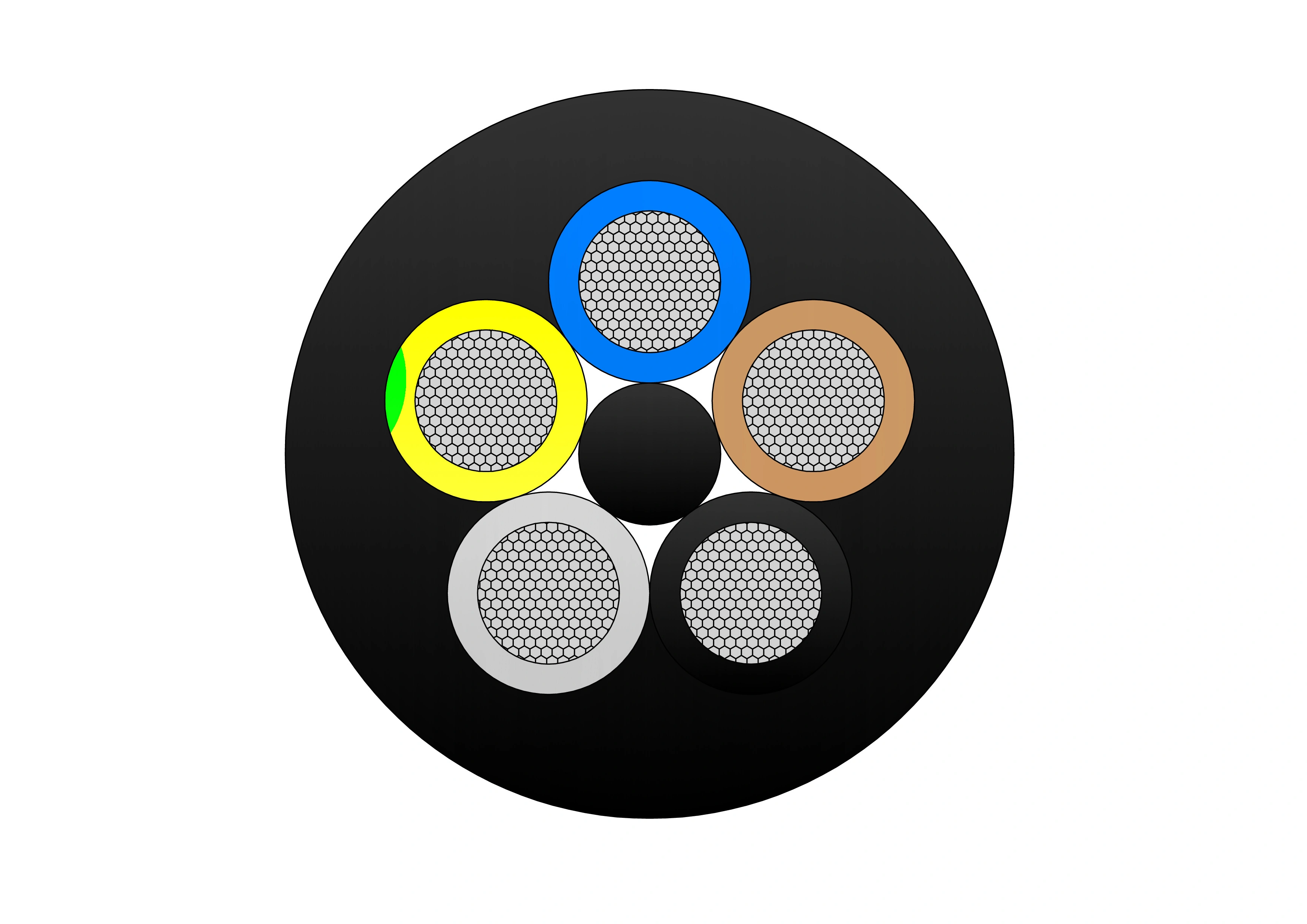
Type 210 Flexible Rubber Mining Cable
The Type 210 Flexible Rubber Mining Cable is a 1.1kV medium-voltage cable engineered for mining handheld drills and boring machines. It features flexible stranded tinned annealed copper conductors, EPR insulation, and a composite copper/polyester screen for improved electrical shielding. The heavy-duty PCP sheath offers oil resistance, abrasion protection, and flame retardancy, ensuring durability in harsh underground conditions. Compliant with AS/NZS 2802 and related standards, this cable delivers long-lasting performance in demanding environments requiring high flexibility and mechanical strength.Welcome your inquiry
Honesty, Integrity, Frugality, Activeness and Passion