
HV Bushing vs LV Bushing in Transformers: Key Differences and Applications
2025-12-10
Transformers are crucial devices in modern power systems, playing a vital role in changing voltage levels and achieving efficient power transmission and distribution. The core task of a transformer is to convert high-voltage current into low-voltage current suitable for user applications, or vice versa, thereby minimizing energy loss during long-distance power transmission and ensuring a stable power supply.
A key component in a transformer is the bushing, which primarily provides insulation protection for the current and allows current to flow safely through the transformer's oil tank. Since the transformer tank is typically sealed, the bushing, through its insulation function, ensures the safe transmission of current, preventing leakage or electrical short circuits. Bushings not only protect the transformer from external environmental influences but also effectively prevent safety hazards such as fires caused by current leakage, ensuring the safe and stable operation of the transformer and the power system.
Transformer bushings are classified into two types according to the voltage they carry: high-voltage (HV) bushings and low-voltage (LV) bushings. High-voltage bushings are mainly used in high-voltage equipment, bearing a greater current load, and therefore have higher requirements in terms of materials and design. High-voltage bushings typically use materials with good electrical insulation, such as ceramics, epoxy resin, or oil-impregnated paper, to withstand higher voltage pressures. Low-voltage bushings, on the other hand, are used in lower-voltage equipment, are usually smaller, and are made of materials such as rubber or polymers, suitable for simpler power distribution systems.
Understanding the main differences between high-voltage and low-voltage bushings helps engineers select the appropriate bushing type, ensuring the efficiency, reliability, and safety of transformer systems in different application environments. Correct bushing selection is crucial for ensuring the normal operation of transformers, avoiding equipment failures and safety hazards caused by incompatible bushing materials or designs.
1. What are HV and LV Bushings?
Bushings are essentially insulated terminals used in transformers to provide a passage for electrical conductors to enter or exit the transformer housing. Their primary purpose is to prevent electrical shorts between the conductors and the transformer tank, while also providing mechanical support.
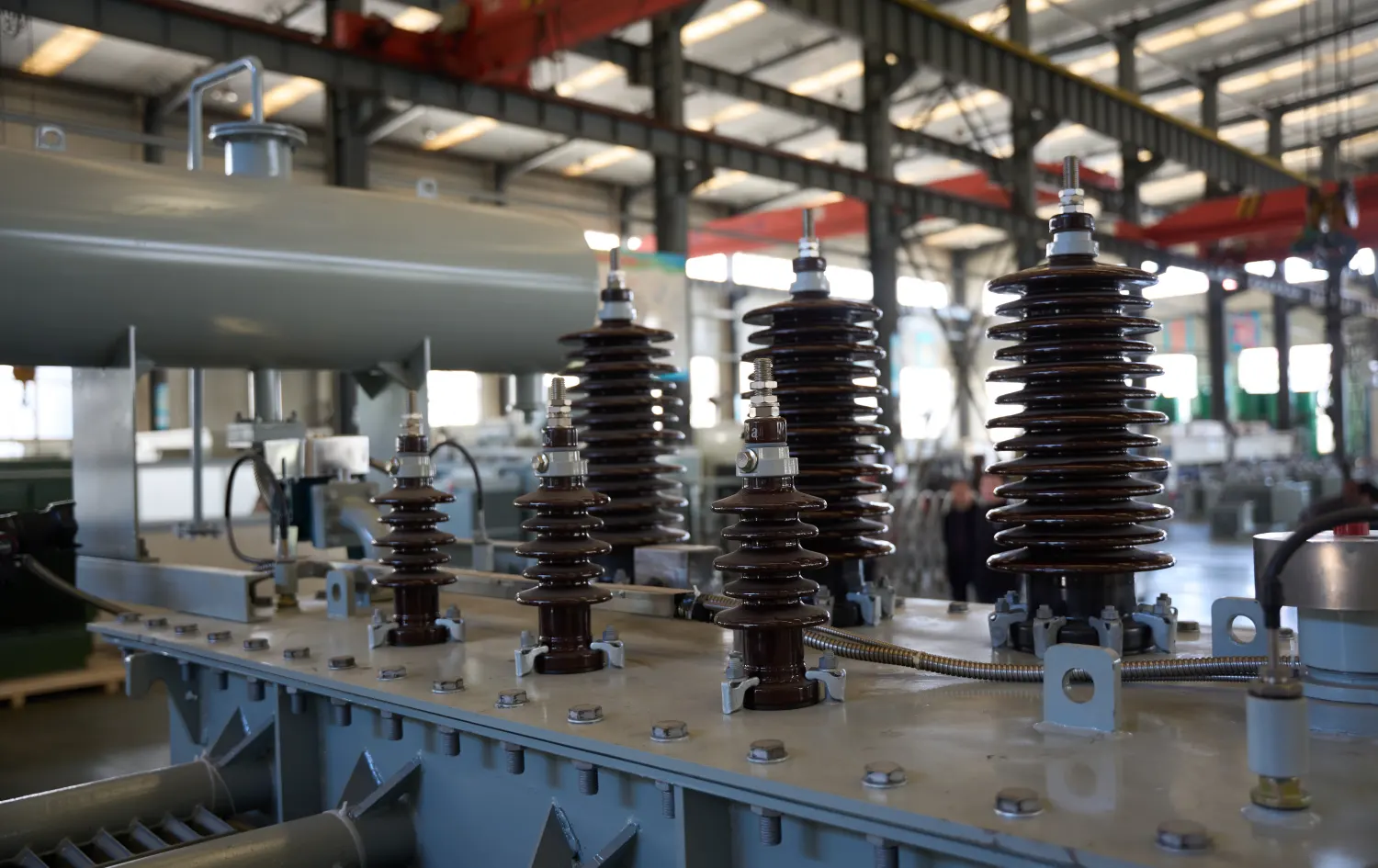
- HV Bushing: As the name suggests, HV bushings are designed to handle high-voltage applications. These bushings are constructed to manage the high electrical stress that occurs in the transformer, typically from 20 kV to over 1000 kV.
- LV Bushing: LV bushings, on the other hand, are designed for low-voltage applications, generally handling voltages below 1 kV. These bushings allow the low-voltage current to enter and exit the transformer without causing any safety or operational issues.
The HV bushing of the transformer must be designed to withstand much higher voltage stress and is made with specialized materials that can handle the heat and electrical flux of high-power applications.
2. Key Differences Between HV and LV Bushings
While both HV and LV bushings perform similar functions, their key differences lie in their design, materials, and the voltage levels they handle. Below is a breakdown of the primary differences:
|
Feature |
HV Bushing |
LV Bushing |
|
Voltage Range |
High voltage (typically 20 kV to 1000+ kV) |
Low voltage (typically below 1 kV) |
|
Insulation Material |
Often uses ceramic, oil, or epoxy |
Typically uses rubber, epoxy, or polymer |
|
Design |
Larger in size, designed for higher electrical stress |
Smaller in size, designed for lower stress levels |
|
Construction |
Often uses oil-impregnated paper for better dielectric strength |
Uses solid insulation or air for lower voltage levels |
|
Function |
Transmits high power across transformer circuits |
Transmits power to lower load devices, like in residential areas |
|
Weight and Size |
Heavier and bulkier, designed to withstand high stresses |
3. Working Principle of HV and LV Bushings
a. HV Bushing Working Principle
HV bushings are designed to provide a safe path for high-voltage current to enter and exit the transformer. The working principle revolves around their ability to insulate the high-voltage conductors from the transformer’s tank, which is grounded. High voltage is passed through the conductor inside the bushing, which is insulated by materials like ceramic, oil, or epoxy. These materials not only prevent electrical shorts but also manage the heat generated by high voltage currents.
The HV bushing of the transformer also has to account for electrical field stress. High voltage levels create significant pressure on the insulation, which is why these bushings are designed with specialized dielectric properties to prevent arcing or electrical failure. The materials used for insulation are chosen for their high breakdown voltage and thermal conductivity.
b. LV Bushing Working Principle
In LV bushings, the working principle is similar, but with lower voltage and electrical stress. Solid insulation like rubber or polymer materials is often used in these bushings. These materials provide adequate insulation for low-voltage currents, ensuring safe transmission of power to homes, businesses, and small industrial facilities. Unlike HV bushings, LV bushings don't require complex insulation systems since they operate at a much lower electrical stress and voltage.
4. Applications of HV and LV Bushings
a. HV Bushing Applications
HV bushings are commonly used in large-scale industrial power transformers and electrical substations, especially those that require high voltage transmission. These transformers are designed to handle large-scale electrical power, and HV bushings ensure that the electrical current is safely transmitted from the transformer to the transmission lines.
Some applications of HV bushings include:
- High-voltage power stations
- Industrial power transformers
- Energy distribution networks
- Utility substations
- Offshore power platforms
b. LV Bushing Applications
On the other hand, LV bushings are typically found in smaller transformers, such as those used for residential or light commercial applications. These transformers step down the voltage to a level that is suitable for home appliances, streetlights, or small businesses.
Some typical applications of LV bushings include:
- Residential transformers
- Commercial transformers for local power distribution
- Street lighting systems
- Small industrial systems
5. Selection and Sourcing of HV and LV Bushings
When selecting HV bushings or LV bushings, it’s essential to consider factors like voltage rating, insulation material, environmental factors, and application requirements. Additionally, sourcing from reliable HV bushing manufacturers ensures high-quality, durable products that comply with industry standards, ensuring long-term operational safety.
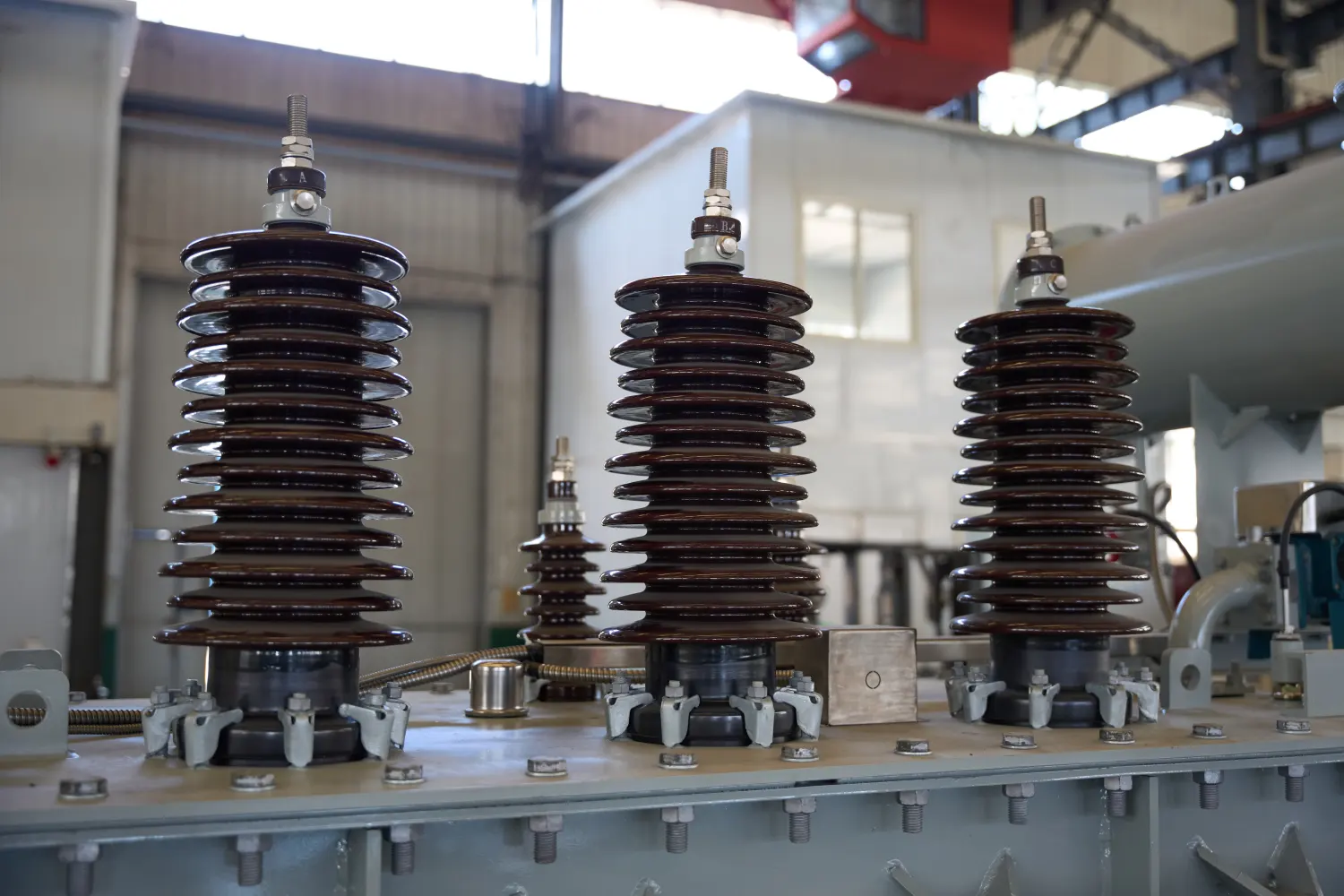
Both HV bushings and LV bushings are critical components in transformers, each serving specific functions depending on the voltage level they handle. While HV bushings are designed for high-voltage transmission, LV bushings are used in smaller systems for residential and light commercial applications. Choosing the right bushing for your transformer depends on the voltage requirements, environmental conditions, and safety standards that your system must meet.
Understanding the key differences and applications of these bushings will help engineers, manufacturers, and system designers make informed decisions that optimize the performance and safety of electrical power systems.

Related Articles



Related Products
42MVA 220kV Three Phase Oil Filled Transformer for Substation
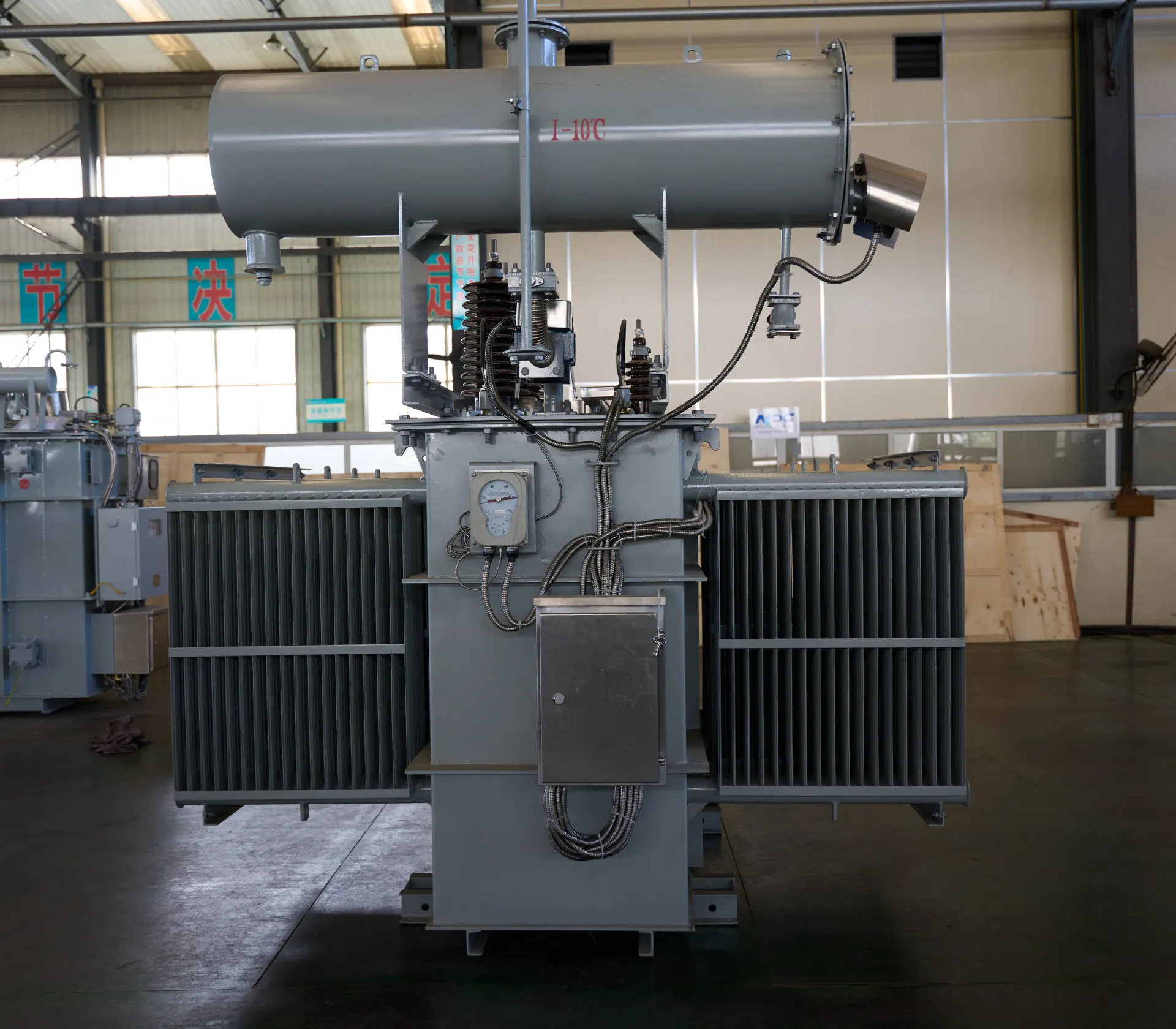
The 42MVA 220kV Three Phase Oil Filled Transformer is specifically engineered for high-voltage transmission substations and utility grid applications. Featuring 99.9% electrolytic copper windings, advanced ONAN/ONAF cooling, and ±8×1.25% on-load tap changer, it ensures ultra-low no-load and load losses (SZ13 series available). Fully compliant with IEC 60076, GB/T 6451, and ANSI/IEEE standards, it successfully passes 460 kV lightning impulse, PD level below 10 pC, and induced test at 1.5Um/√3. Robust corrugated tank and conservator design provide excellent thermal and mechanical performance in extreme climates. Ideal for 220/33kV, 220/11kV, or 220/6.6kV step-down configurations. Vacuum oil processing and nitrogen blanketing guarantee long-term reliability and 35+ year service life. Trusted by national grids worldwide. Contact us for datasheet, pricing, and customization options.
7MVA 22kV to 6.6kV Power Transformer ONAN Cooling Low Loss
The 6kV Three-Phase Oil-Immersed Power Transformer is designed for stable and efficient voltage conversion in industrial and commercial power distribution systems. With a durable oil-immersed insulation structure and high-quality copper windings, it offers excellent thermal performance, strong dielectric strength, and reliable operation under varying load conditions. Its compact design, robust core materials, and advanced cooling system ensure low losses, reduced noise, and long service life. This 6kV transformer is suitable for factories, mining sites, distribution stations, and utility networks requiring consistent and safe electrical power supply. Engineered to meet international standards, it provides dependable performance and high efficiency across diverse low-to-medium voltage applications.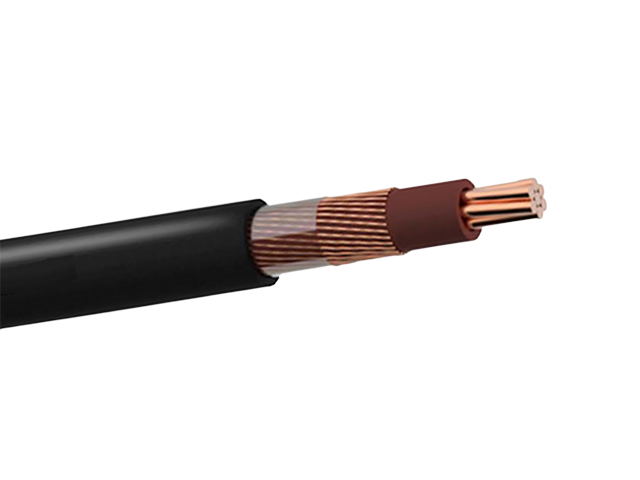
CONCENTRIC CABLE
NPC Electric Concentric Cable is designed with a central phase conductor surrounded by an evenly distributed concentric neutral conductor, providing a stable electrical return path and enhanced system safety. The concentric construction ensures uniform current distribution, reduces electromagnetic interference, and improves grounding reliability. High-purity copper or aluminum conductors are combined with durable insulation materials that offer excellent resistance to moisture, heat, and environmental stress. This cable structure is widely used in low-voltage power distribution, where mechanical protection and electrical stability are critical. The concentric neutral layer also enhances fault current handling and minimizes voltage drop during operation. With strong mechanical strength, long service life, and consistent electrical performance, concentric cables are suitable for underground installation and utility networks requiring dependable power delivery.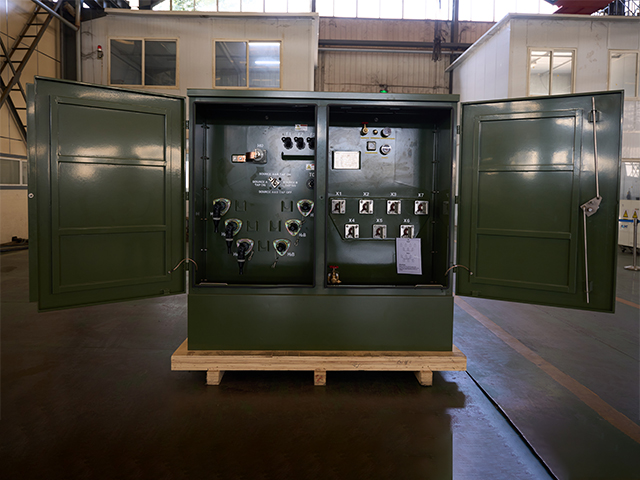
2000kVA Three Phase Pad Mounted Transformer
2000kVA Three Phase Pad Mounted transformer adopts a fully sealed oil-immersed design, which complies with international standards such as IEC, ANSI and GB. It has the characteristics of high efficiency, low loss and strong weather resistance. It is widely used in industrial parks, commercial complexes, power companies and new energy projects, and is particularly suitable for medium and large load environments that require both stable power supply and energy saving.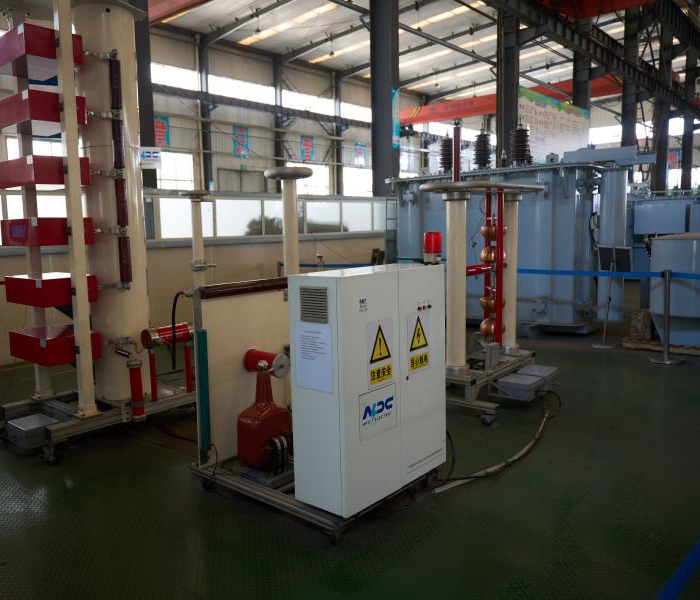
350kVA Epoxy Resin Cast Dry Type Transformer 3 Phase 6.6kV/0.4kV Low Noise
Presenting the high-performance 350kVA Epoxy Resin Cast Dry Type Transformer 3 Phase 6.6kV/0.4kV Low Noise, a cutting-edge, eco-friendly power distribution solution ideal for indoor applications demanding superior safety and quiet operation. This three-phase dry-type transformer utilizes premium epoxy resin vacuum casting on high-conductivity copper windings and low-loss grain-oriented silicon steel cores, achieving outstanding energy efficiency (typically 98%+), minimal no-load/load losses, and exceptional partial discharge suppression (<10pC). With natural air (AN) cooling, Class F/H insulation, fire-retardant self-extinguishing properties, and robust short-circuit withstand, it offers maintenance-free reliability in harsh or sensitive environments. Fully compliant with IEC 60076-11, this compact unit steps down 6.6kV primary (with ±2×2.5% off-circuit taps) to 0.4kV secondary (Dyn11 vector group), supporting sustainable grids with overload capability and zero oil risks.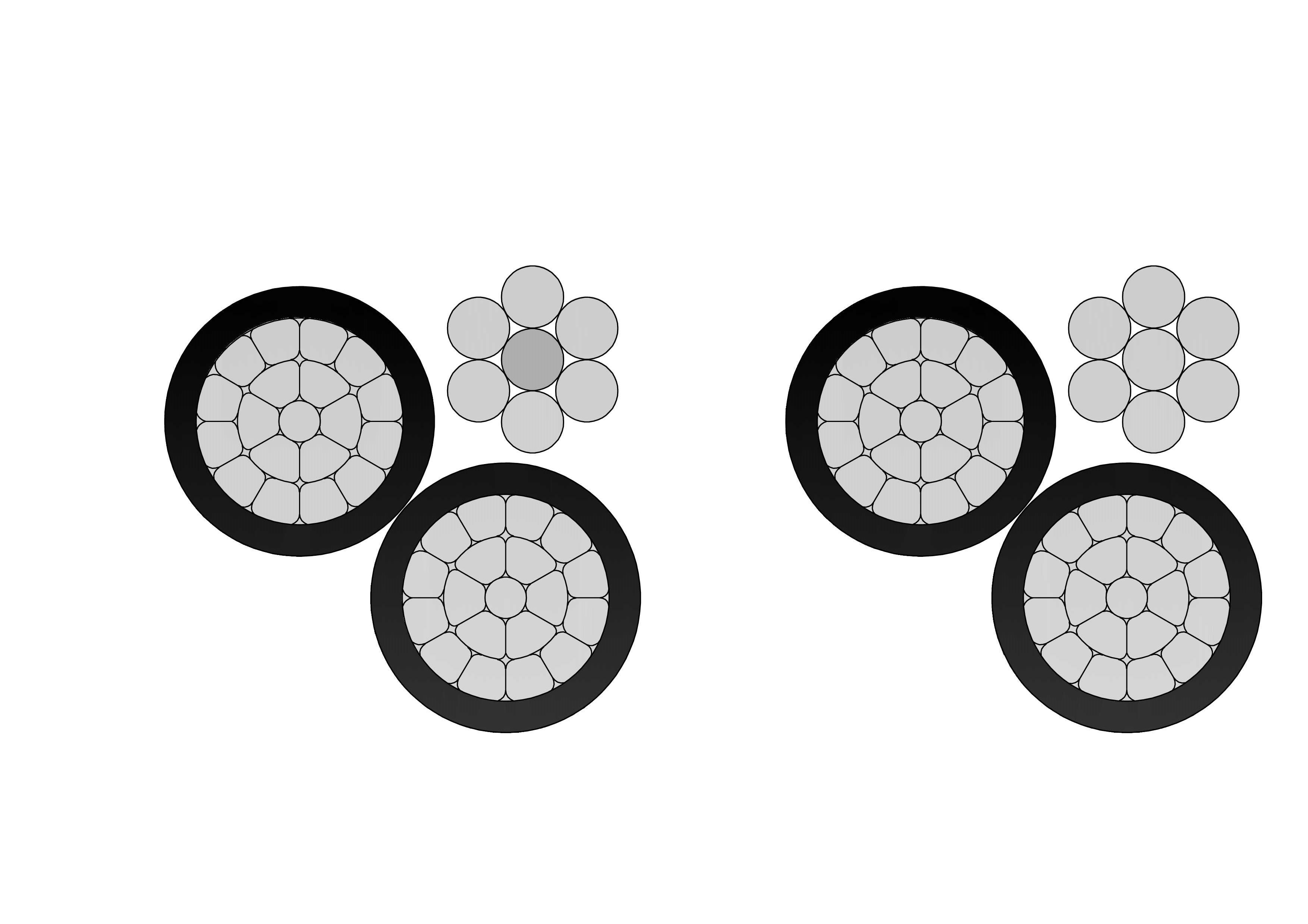
6 Voluta Aluminum Conductor Triplex Overhead Service Drop Cable
The 6 Voluta Aluminum Conductor Triplex Overhead Service Drop Cable is a high-quality, cost-effective solution for overhead power delivery from utility lines to residential or commercial weatherheads. It features three 6 AWG conductors: two insulated phase conductors of concentric or 7-strand 1350-H19 aluminum, covered in black cross-linked polyethylene (XLPE) or polyethylene (PE) insulation, twisted around a bare 6 AWG ACSR (6/1 strand) full-size neutral messenger for superior mechanical support and reduced sag. Rated 600V (phase-to-phase), with ampacity up to 85A (XLPE at 90°C) or 70A (PE at 75°C), this cable offers excellent weather resistance, corrosion protection, and lightweight design. Compliant with ASTM B-230, B-231, B-232, and ICEA S-76-474 standards, the 6 Voluta ensures safe, reliable performance in aerial service drop installations.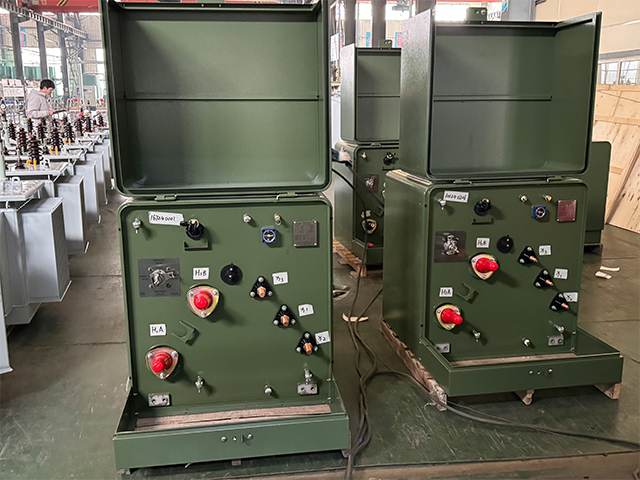
100kVA Single Phase Pad Mounted Transformer
The 100 kVA Single Phase Pad Mounted transformer adheres to a compartmental-type structure in line with IEEE Std C57.12.28 or IEEE Std C57.12.29 standards. It consists of a tank housing high-voltage and low-voltage cable terminating compartments, thoughtfully positioned side by side along one face of the transformer tank. In this configuration, the high-voltage compartment, fitted with two internally connected high-voltage bushing wells and inserts, a 4-position loadbreak switch, a 5-position tap changer switch, and a bayonet fuse, is situated alongside the low-voltage compartment featuring three stud L.V bushings and an oil level gauge.
1/0 Leda Aluminum Conductor Triplex Overhead Service Drop Cable
The 1/0 Leda Triplex Service Drop Cable is a durable overhead cable for secondary power distribution to residential service entrances. Featuring two 1/0 AWG aluminum phase conductors and one neutral messenger (7-strand) insulated with XLPE or PE and assembled in triplex configuration, it provides excellent mechanical strength and weather resistance. Compliant with ASTM B-230, B-231, ICEA S-76-474, and ANSI/ICEA standards, this cable supports 600V applications with high UV, moisture, and abrasion protection. The self-supporting messenger reduces sag and simplifies installation over medium spans. The 1/0 Leda Triplex Service Drop Cable ensures low power losses, high current capacity, and long service life in harsh outdoor conditions. Lightweight and flexible, it is widely used for two-phase service drops with neutral in urban, suburban, and rural areas requiring safe, cost-effective aerial connections from utility poles to homes.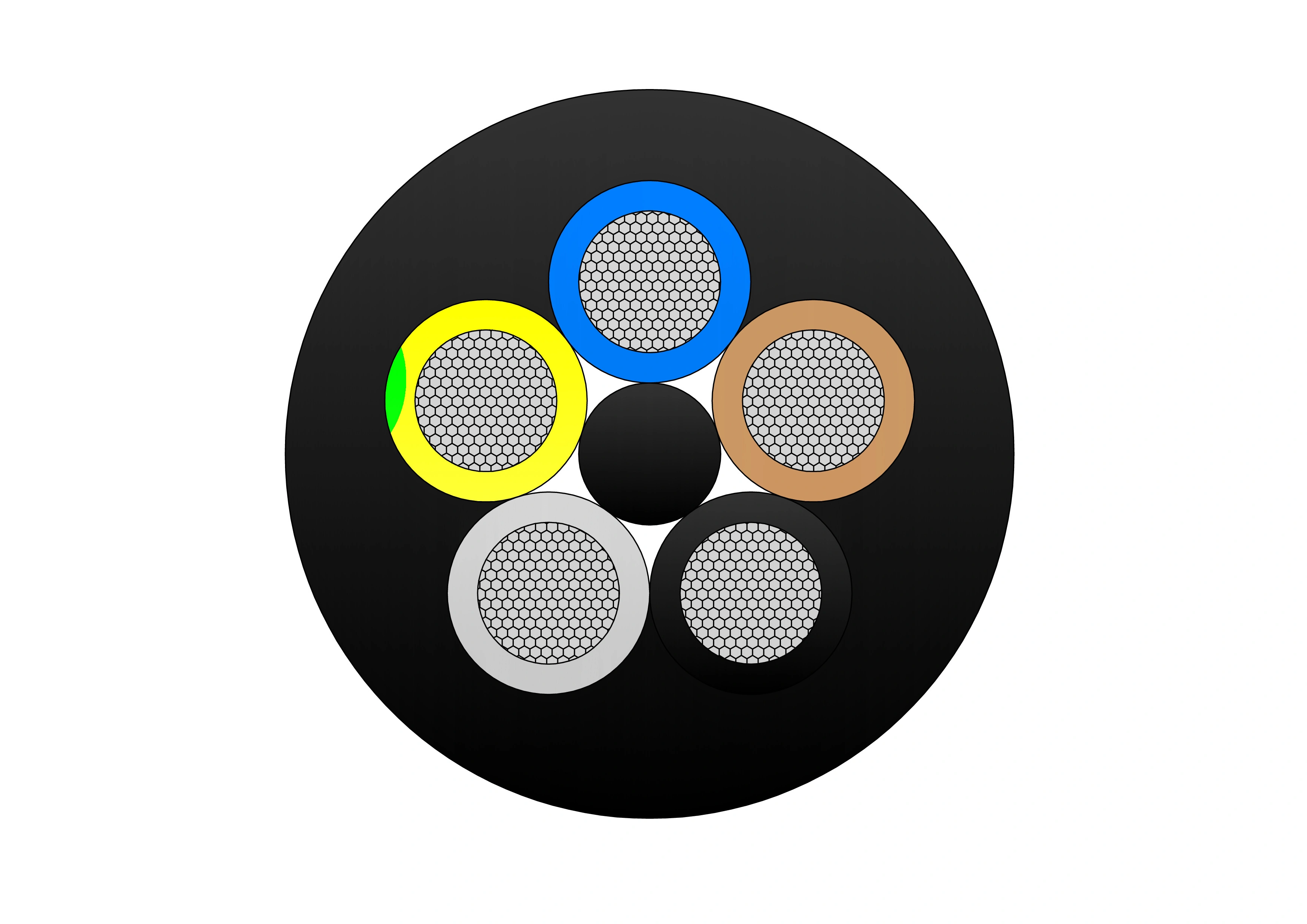
(N)TSKCGEWOU 3.6/6kV, 6/10kV, 8.7/15kV and 12/20kV Cable
The (N)TSKCGEWOU 3.6/6kV, 6/10kV, 8.7/15kV, 12/20kV Cable is a rugged flexible medium-voltage cable optimized for dynamic mining and tunneling applications. It includes tinned class 5 copper phase conductors, semi-conductive screens, EPR insulation for outstanding dielectric and thermal properties (90°C rating), copper braid screen for shielding, control conductors, monitoring conductor (ÜL), and a heavy-duty rubber sheath resistant to oils, flames, abrasion, and mechanical damage. Compliant with DIN VDE 0250, it provides high flexibility, torsional strength, and EMC protection across voltage levels for extreme conditions. The (N)TSKCGEWOU ensures dependable MV energy delivery to mobile machinery such as excavators, draglines, shearers, and tunnel boring equipment in opencast and underground mining, enhancing safety, reducing voltage drop, and supporting long service life.
2/0 Runcina Aluminum Conductor Triplex Overhead Service Drop Cable
The 2/0 Runcina Aluminum Conductor Triplex Overhead Service Drop Cable is engineered to provide safe and efficient overhead electrical power distribution. It consists of two insulated aluminum phase conductors and a bare aluminum neutral messenger, delivering strong mechanical support and stable electrical transmission. Manufactured using premium aluminum materials and high-performance insulation compounds, the 2/0 Runcina Aluminum Conductor Triplex Overhead Service Drop Cable offers excellent resistance to corrosion, UV radiation, and environmental stress. Its optimized structure supports easy installation while meeting utility and industry standards. The cable performs reliably under mechanical load, temperature variation, and long-term outdoor exposure. Strict quality management systems and detailed testing procedures are implemented throughout production to ensure consistent performance and dependable service life.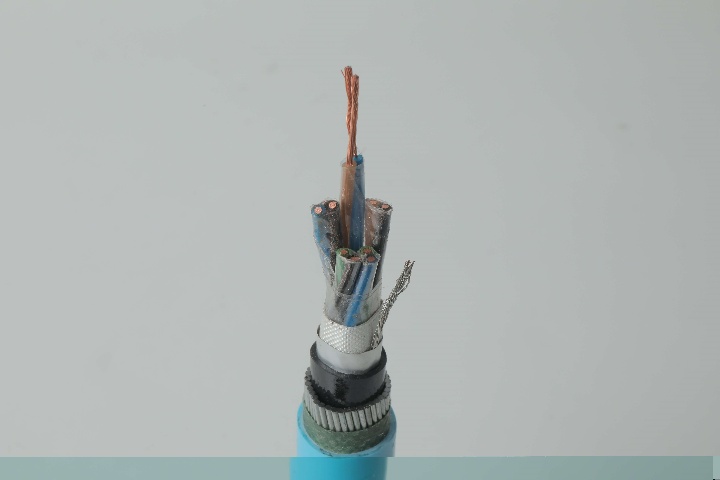
Instrumentation Cables—PVC Insulated,Individual & Overall Screened, Unarmoured PVC Sheathed Cables(CU/PVC/OSCR/PVC)
Instrumentation Cables are multi-conductor cables that carry and transport low-voltage electrical signals. These low-voltage signals are used to control and monitor electrical power systems. Instrumentation cables have many different industrial applications that include broadcasting, equipment control, such as drilling and pumping in the oil and gas industry, and data transfer, which includes analog and digital signals. They are manufactured according to the BS EN 50288-7 and BS EN 50288-1 standards to ensure quality. Instrumentation cables come in twisted pairs, triads, and quads, depending on the customer’s applications; twisting reduces any electromagnetic interference by reducing the chances of electrical voltages and currents being induced in the conductor. Individual and overall screening are also applied in instrumentation cables to optimize the signal transferred and further reduce any electromagnetic interference. Screening of pairs, triads, or quads also includes a drain wire earthed to the ground, which ensures a noise-free signal transmission.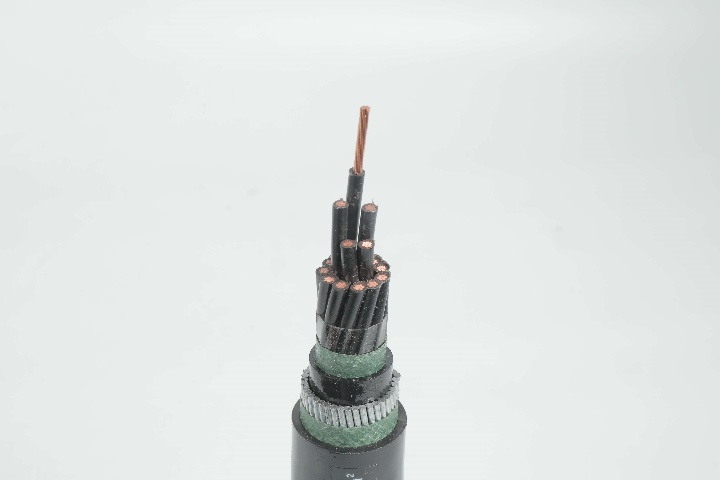
Control Cable 0.6/1 kV CVV-SWA to IEC 60502 Standard (2-16 core)
NPC Electric Control Cable 0.6/1 kV CVV-SWA to IEC 60502 Standard (2-16 core) is built for maximum protection in demanding control applications. It features concentric stranded copper conductors for excellent conductivity and flexibility, insulated with high-grade black PVC and identified by white numbers. A copper tape shield minimizes electromagnetic interference, while the steel wire armour (SWA) provides superior mechanical protection against impacts, rodents, and crushing. Dual PVC sheaths enhance flame retardancy and resistance to moisture and chemicals. Rated for voltages up to 1 kV, it operates reliably from -15°C to 70°C. Compliant with IEC 60502, this cable is suited for supervisory circuits, power stations, and installations in ducts, trays, underground, or direct burial. With 2 to 16 cores, it handles complex control setups, ensuring signal integrity and reducing downtime. Ideal for industrial environments requiring robust defence, the CVV-SWA delivers long-term durability, cost efficiency, and safety through advanced engineering and quality materials.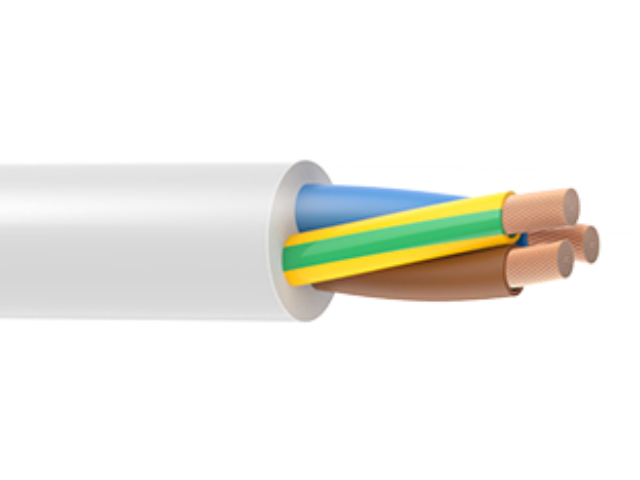
H05VV-F
H05VV-F wires from NPC Electric are flexible PVC insulated and sheathed cables designed for light-duty power connections in household and commercial electrical equipment. Featuring finely stranded copper conductors, these wires provide excellent flexibility, making them easy to install and suitable for applications involving frequent movement. The double PVC insulation structure offers reliable electrical protection, good mechanical strength, and resistance to abrasion, ensuring safe operation under normal indoor conditions. Manufactured in accordance with harmonized standards, NPC Electric H05VV-F wires deliver stable conductivity, consistent insulation thickness, and dependable performance. They are widely used where flexibility, safety, and ease of handling are essential, making them a practical choice for appliances, extension cords, and portable equipment.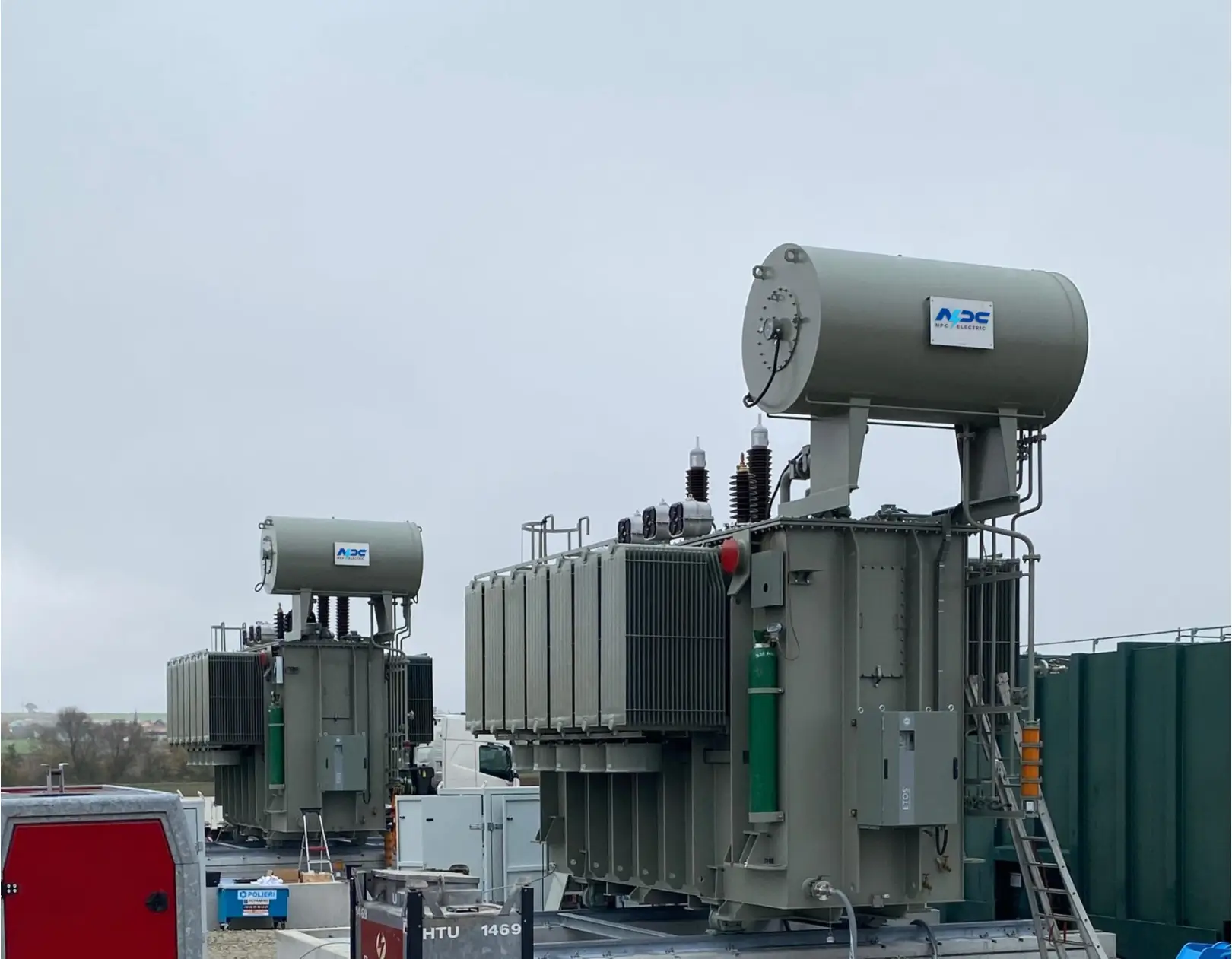
132kV High Voltage Outdoor Power Substation Transformer for Grid Systems
The 132kV High Voltage Outdoor Power Substation Transformer is engineered to support modern grid systems that demand high reliability, operational stability, and long-term performance. Designed for continuous outdoor operation, it features a robust oil-immersed insulation system combined with a mechanically reinforced structure to withstand electrical stress, environmental exposure, and grid fluctuations. The transformer is optimized for efficient power transfer with controlled losses and stable voltage regulation across varying load conditions. Its thermal design ensures effective heat dissipation, supporting extended service life even under high ambient temperatures. Suitable for utility substations and large-scale grid infrastructure, this transformer meets stringent operational and safety requirements while maintaining ease of maintenance and dependable long-term operation in complex power networks.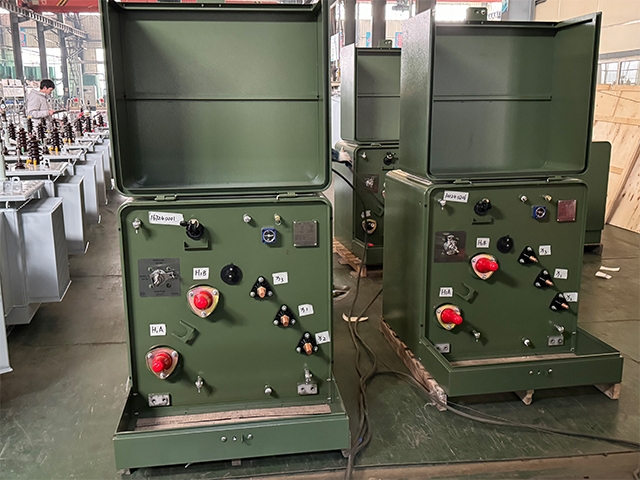
300kVA Single Phase Pad Mounted Transformer
300kVA Single Phase Pad Mounted Transformer is a compact and efficient solution tailored for underground residential distribution (URD) systems and loop-feed applications. This fully sealed, oil-immersed transformer features high-efficiency electrical steel cores and robust aluminum or copper windings to deliver minimal losses and superior voltage regulation from high-voltage inputs like 13.8kV or 34.5kV down to 120/240V or 277/480V secondary. The environmentally friendly PCB-free dielectric fluid ensures excellent cooling and insulation while meeting ANSI/IEEE standards for loop or radial feed configurations. Ideal for urban and suburban settings, this pad-mounted transformer provides quiet operation, high overload capacity.Welcome your inquiry
Honesty, Integrity, Frugality, Activeness and Passion